St. Paul’s Cathedral from St. Martin’s-le-Grand — History & Analysis
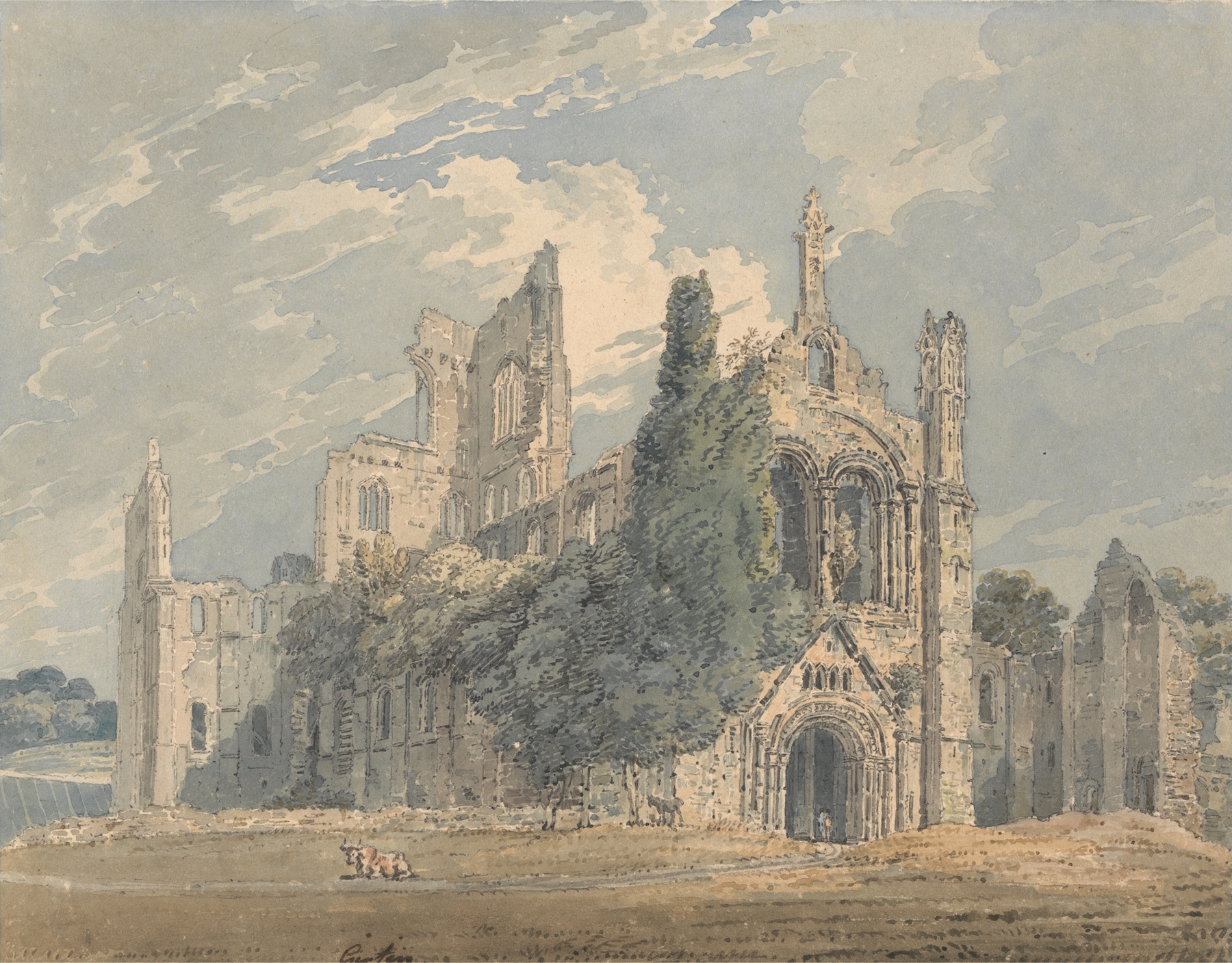
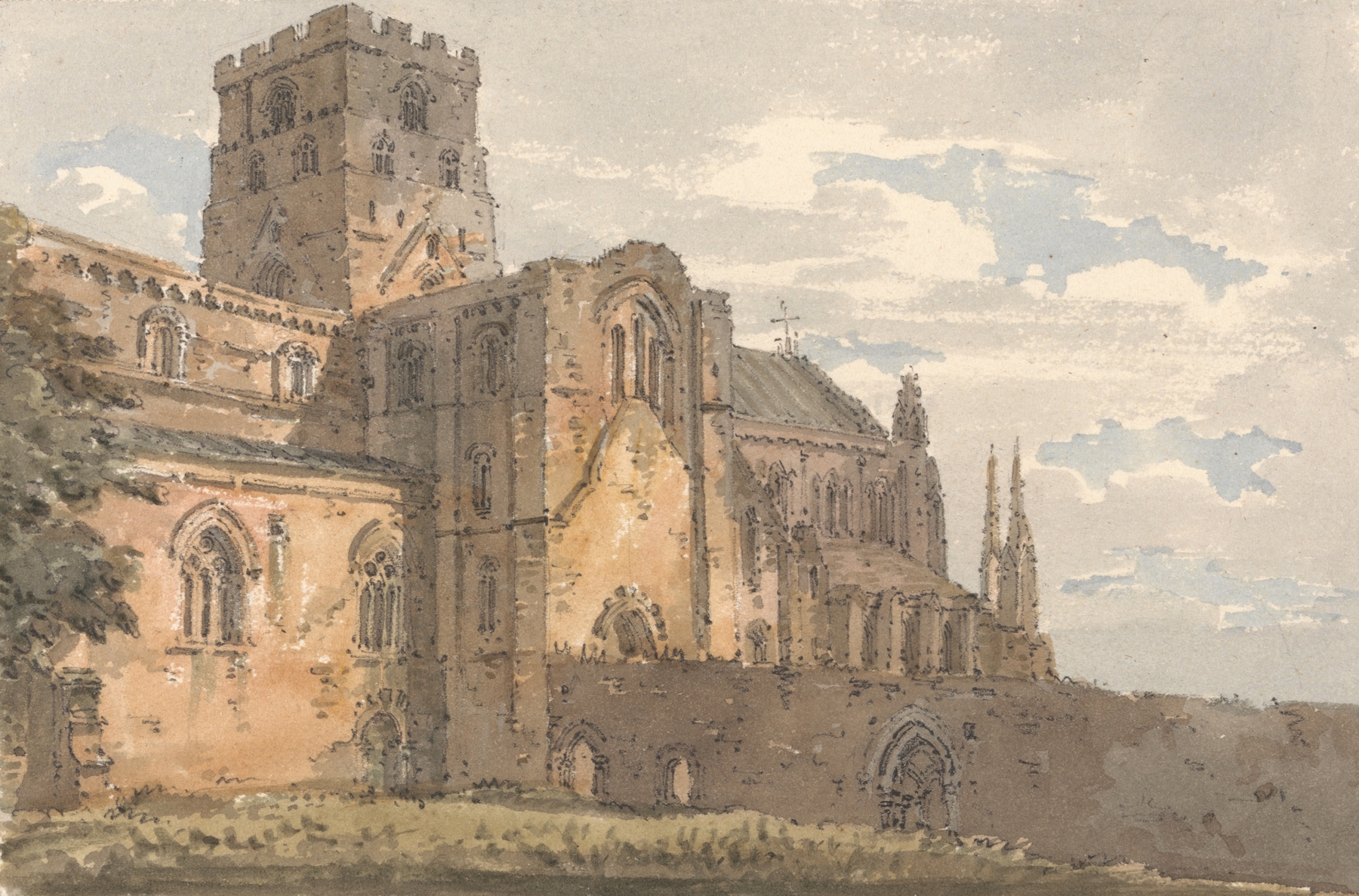
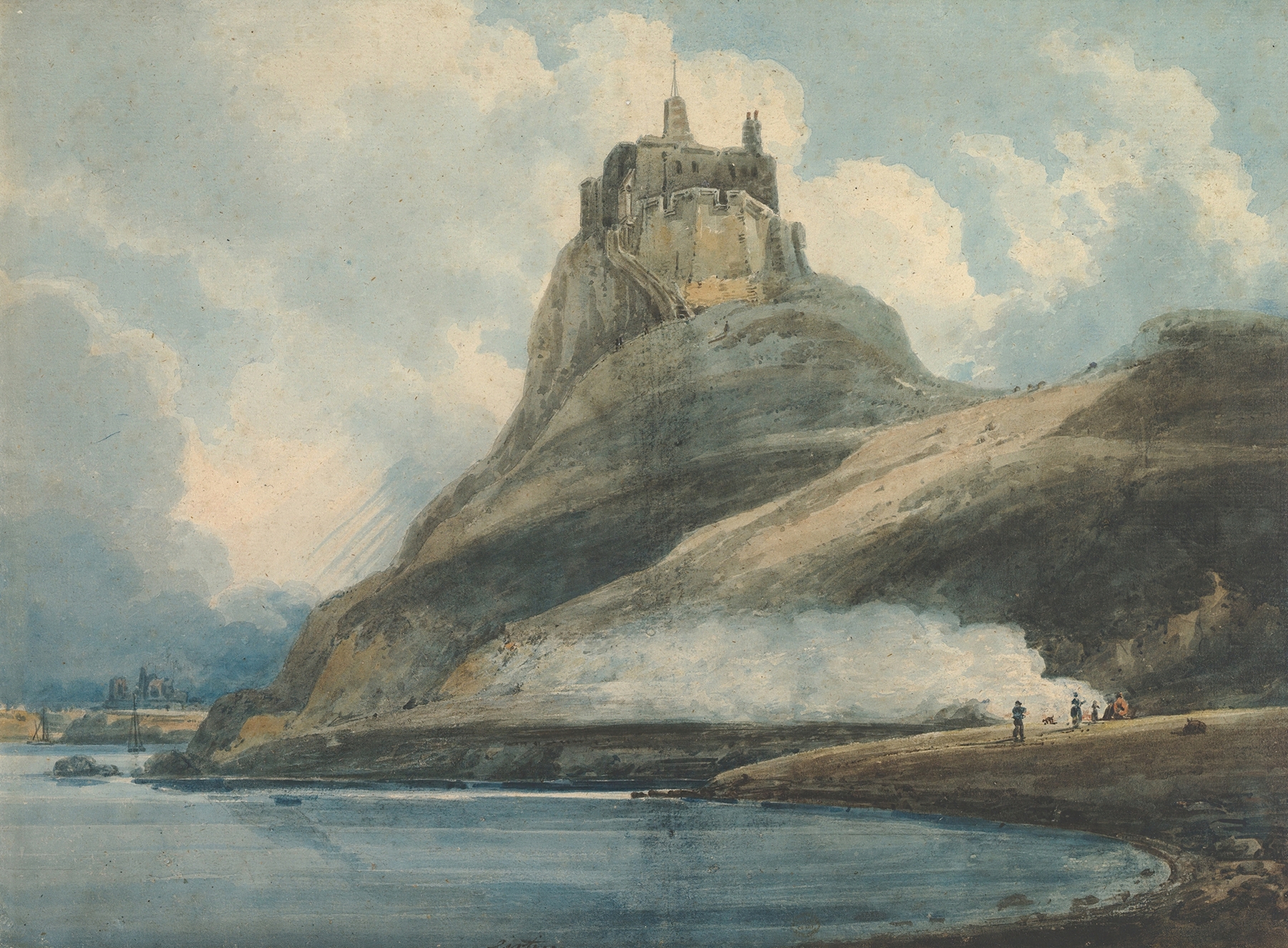
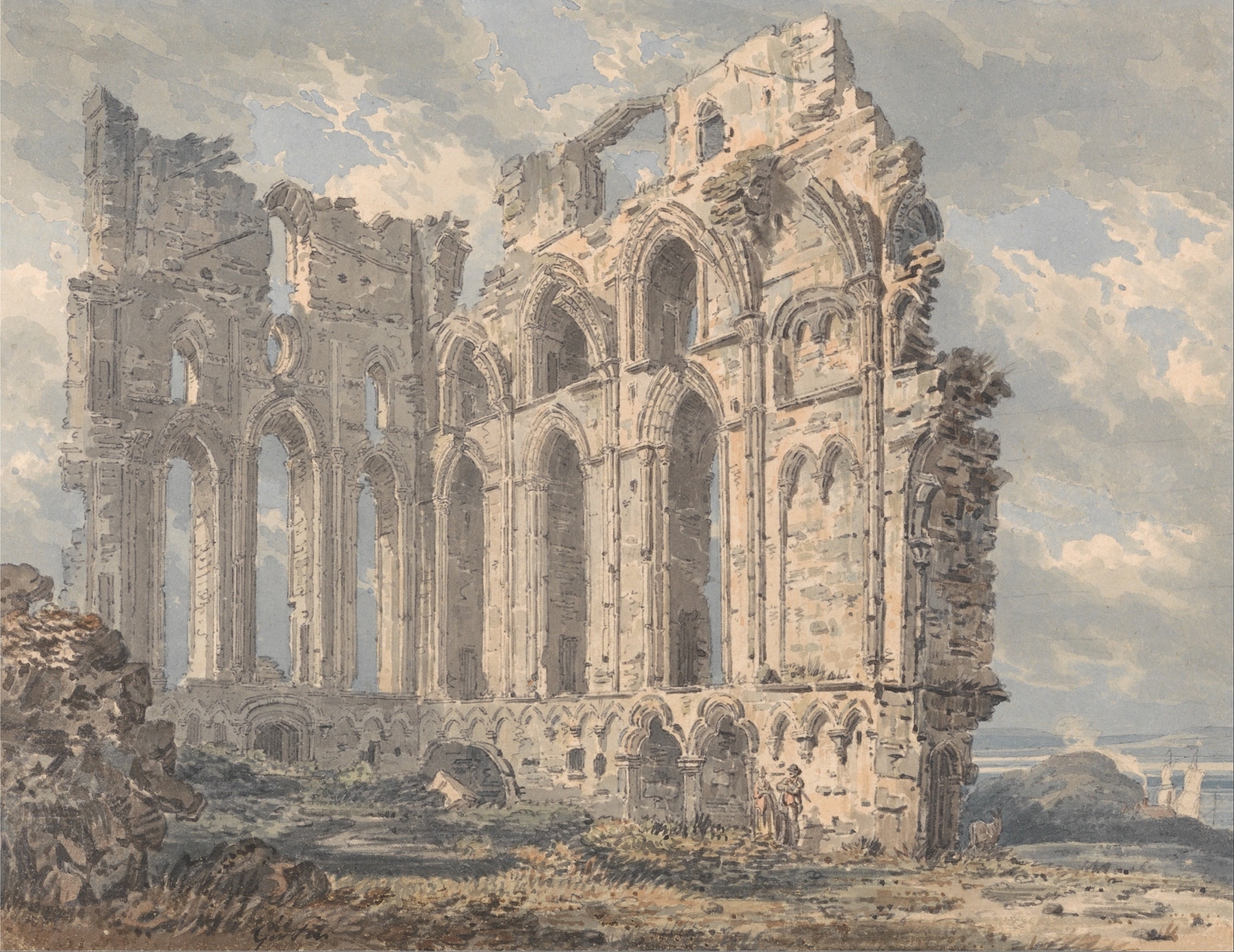
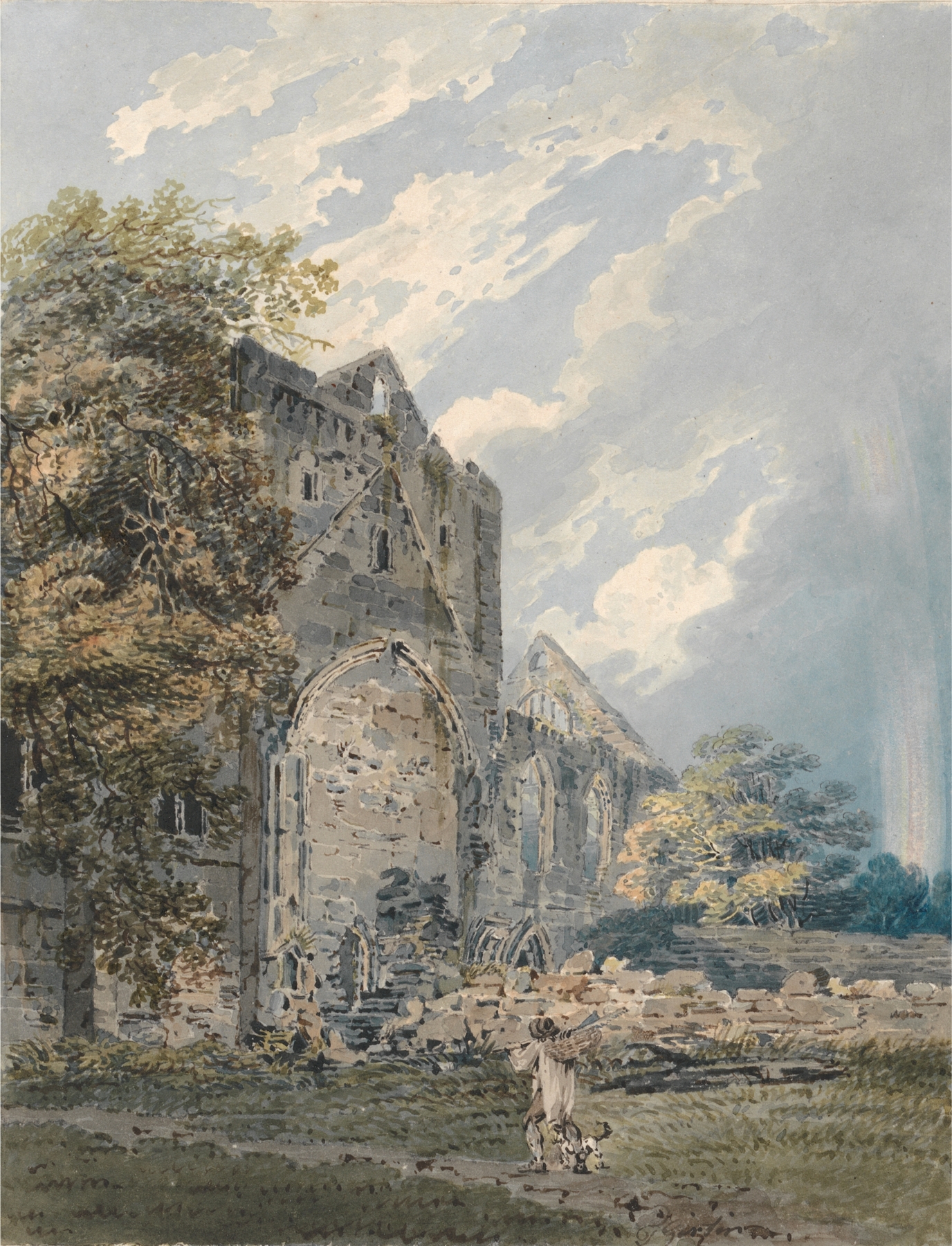
“To paint is to remember what time wants us to forget.” Shadows entwined in the light weave a narrative of transience and permanence, inviting us into the world of memory, where every stroke carries a weight of history. Look to the left at the soft clouds blanketing the sky, their muted hues a gentle contrast to the bold silhouette of St. Paul’s Cathedral. The meticulous brushwork captures the cathedral’s grandeur, while the surrounding landscape recedes into delicate tones of gray and blue. Notice how the shadows cast by the architectural masterpiece create a dynamic interplay, drawing the eye toward the intricacies of its dome and spires.
Each shadow seems to whisper secrets of the past, grounding the scene in a moment that is fleeting yet eternal. Delve deeper into the contrasts found in this composition. The ethereal light surrounding the cathedral starkly opposes the enveloping shadows of the foreground, reflecting the tension between the divine and the mundane. The choice of colors, primarily cool tones, evokes a sense of nostalgia, inviting contemplation of both the passage of time and the enduring nature of faith.
The painting becomes a canvas of memory, where the viewer is compelled to confront the layers of existence hidden beneath the surface. In 1795, Thomas Girtin created this work amidst a period of significant change in the art world, transitioning from the grand narratives of the past to a focus on landscape and atmospheric effects. Living in London, Girtin was influenced by the Romantic movement's emphasis on emotion and nature, marking a departure from the more rigid neoclassicism of his predecessors. His innovative approach to watercolor laid the groundwork for future generations of artists, capturing a moment that reflects both the evolving world and the artist’s personal journey.