St. Peter’s, Rome — History & Analysis
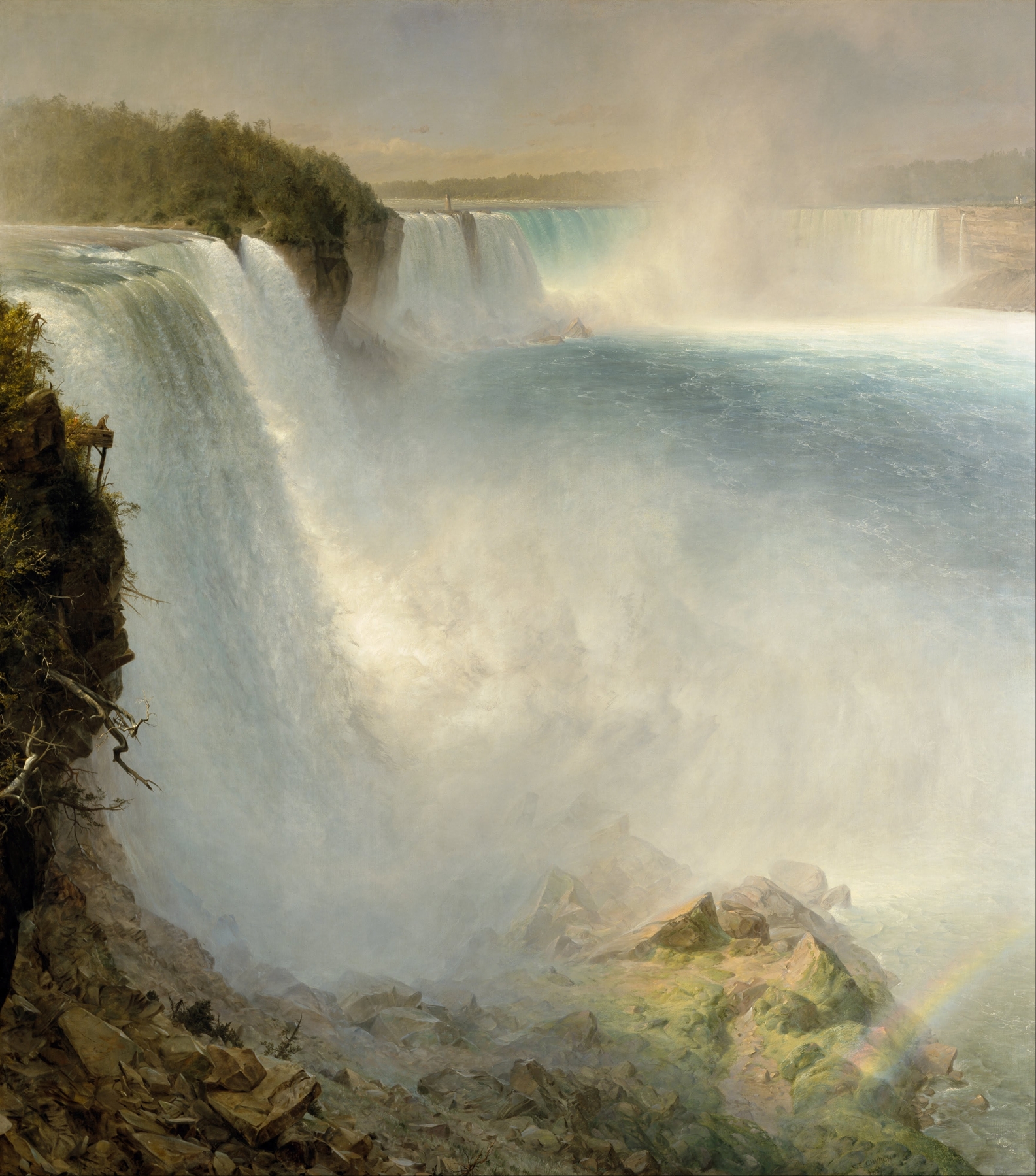
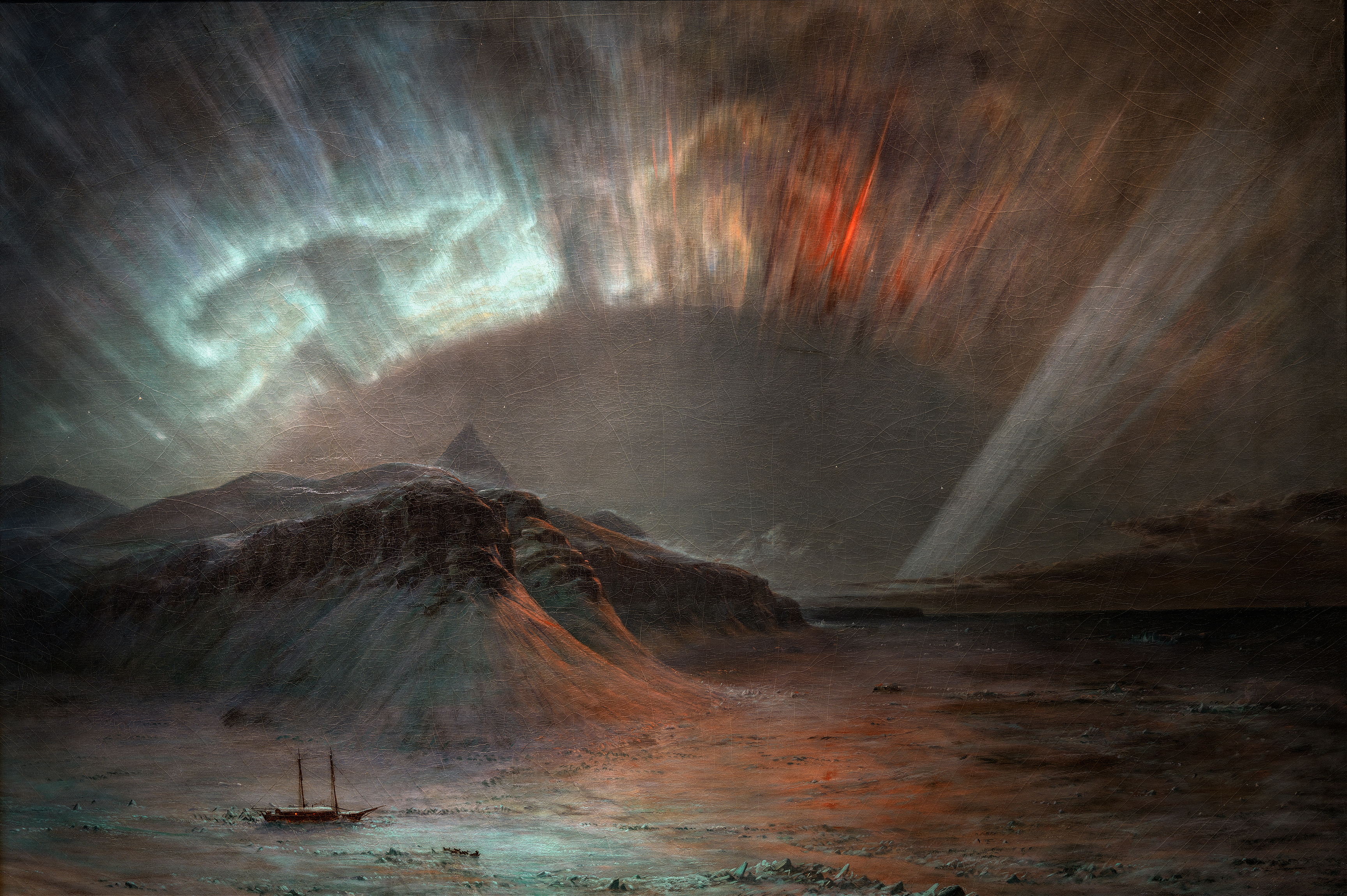
“To paint is to remember what time wants us to forget.” In St. Peter’s, Rome, light plays a pivotal role, illuminating not just the scene, but also the memories etched into the very heart of the viewer. The viewer is drawn into the timeless embrace of a sacred space, evoking contemplation of both the divine and the passage of time. Look closely at the cascading sunlight that filters through the grand columns, casting intricate patterns upon the marble floor. Notice how the golden hues mingle with deep shadows, creating a dance of warmth and coolness that defines the atmosphere within the basilica.
The meticulous brushwork captures the ornate details of the architecture, from the delicate carvings to the soaring domes, inviting you to traverse the grandiosity of this iconic landmark. Between the light and shadow lies a narrative of faith and history. The divine radiance signifies hope, while the darker recesses suggest the weight of past struggles and the impermanence of earthly existence. Each figure, whether a worshiper or a solitary pilgrim, embodies the quiet reverence of contemplation, contrasting with the grandiosity of their surroundings, reflecting the personal in the monumental.
This duality stirs a profound connection between the viewer and the spiritual realm. Frederic Edwin Church created this masterpiece during a period of burgeoning interest in the American artistic interpretation of European grandeur. Painted between 1868 and 1869, he sought to capture the essence of a place steeped in religious significance while battling the duality of rapid industrialization in America. At this juncture, Church was deeply engaged with the Romantic movement, allowing him to blend realism with emotive light to create a lasting tribute to the beauty of sacred spaces.