Straße im Tiergarten — History & Analysis
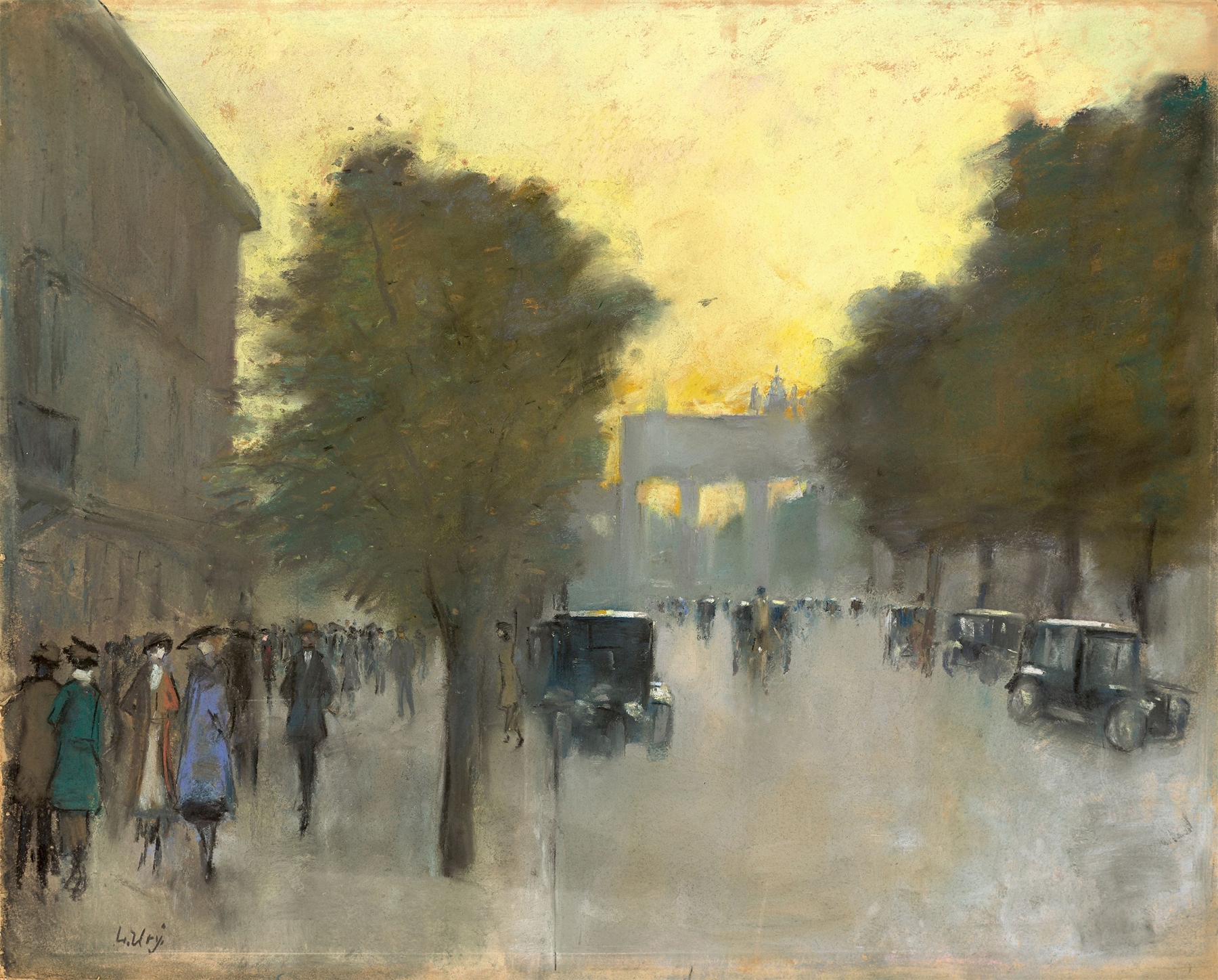
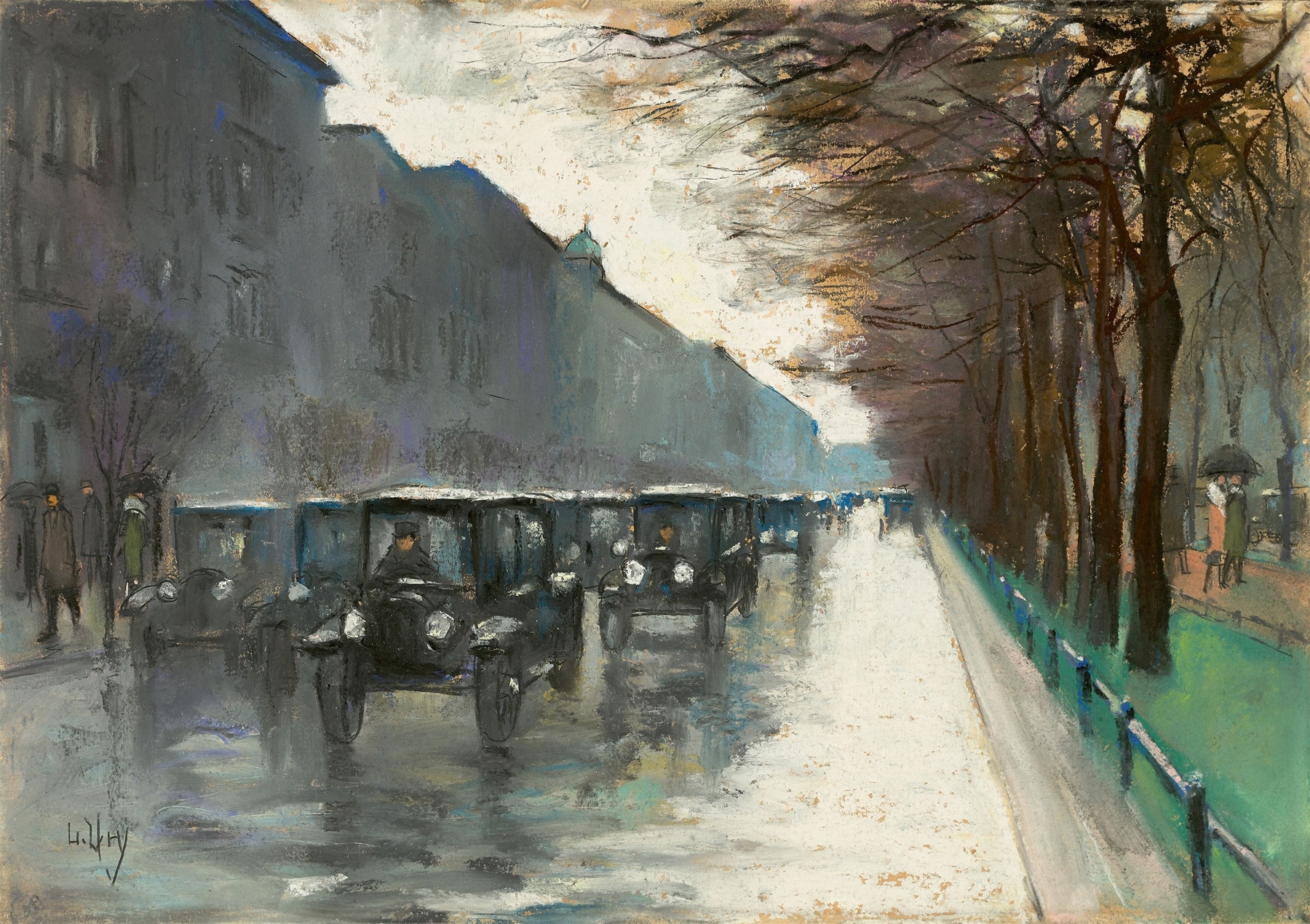
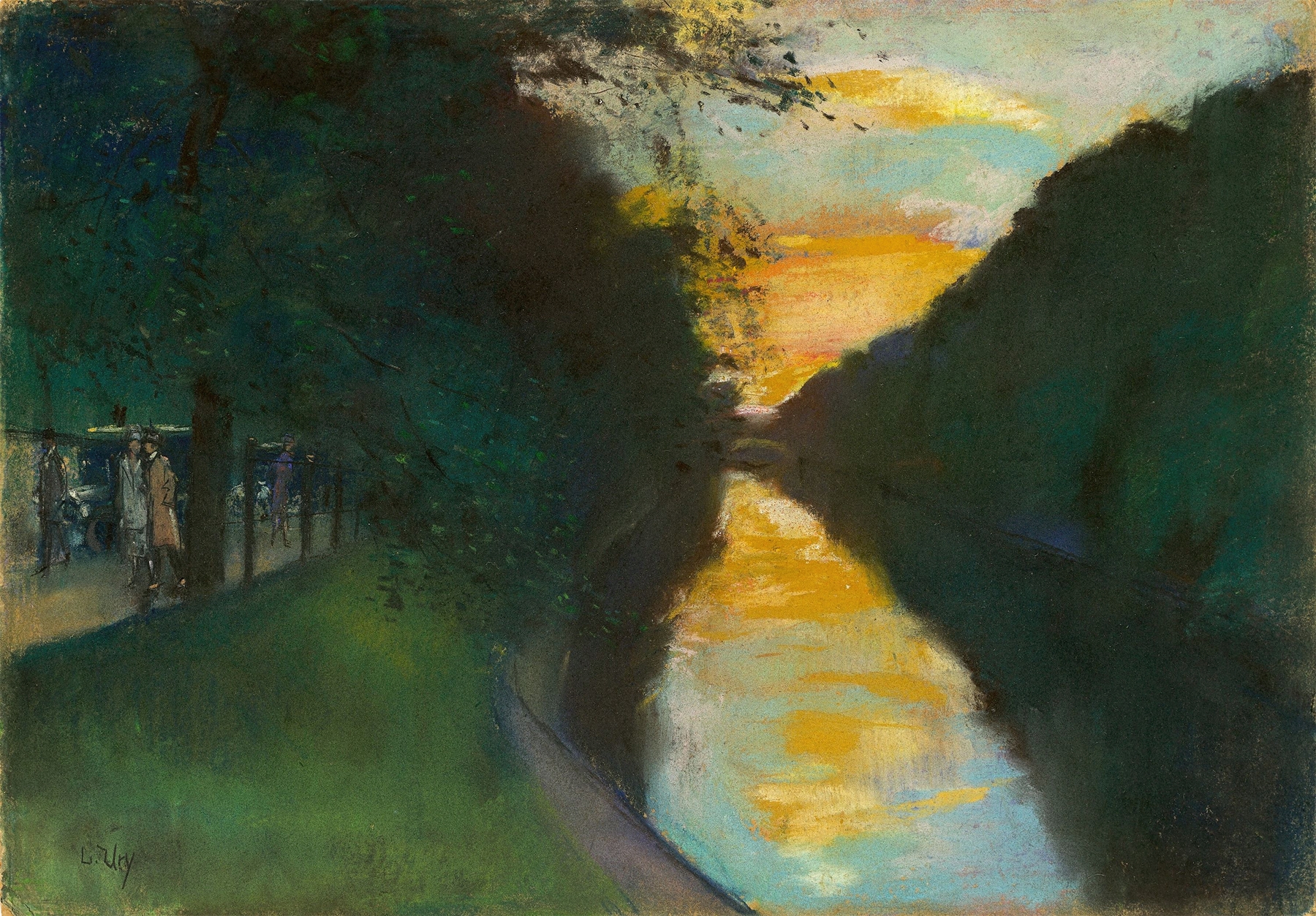
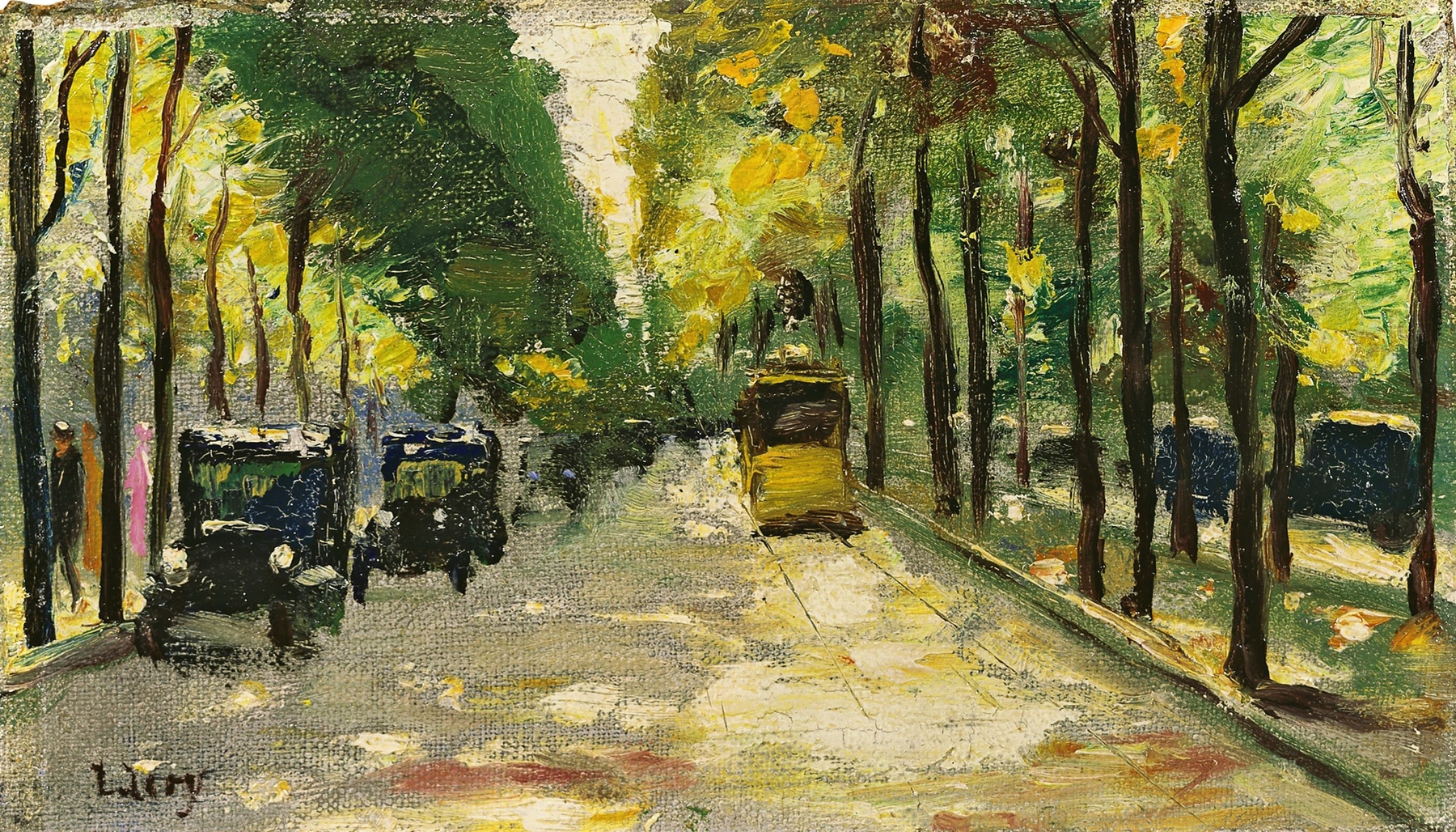
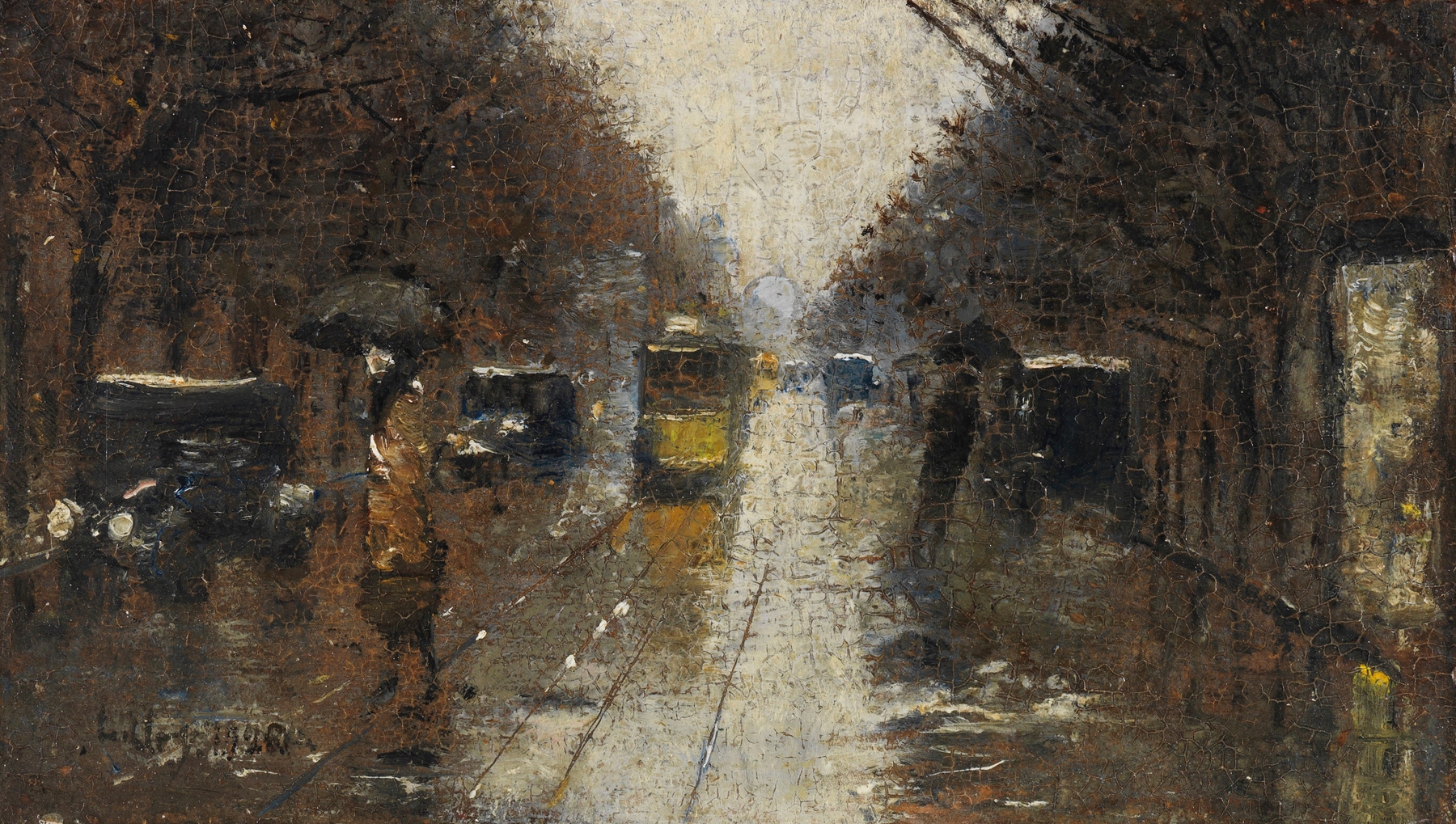
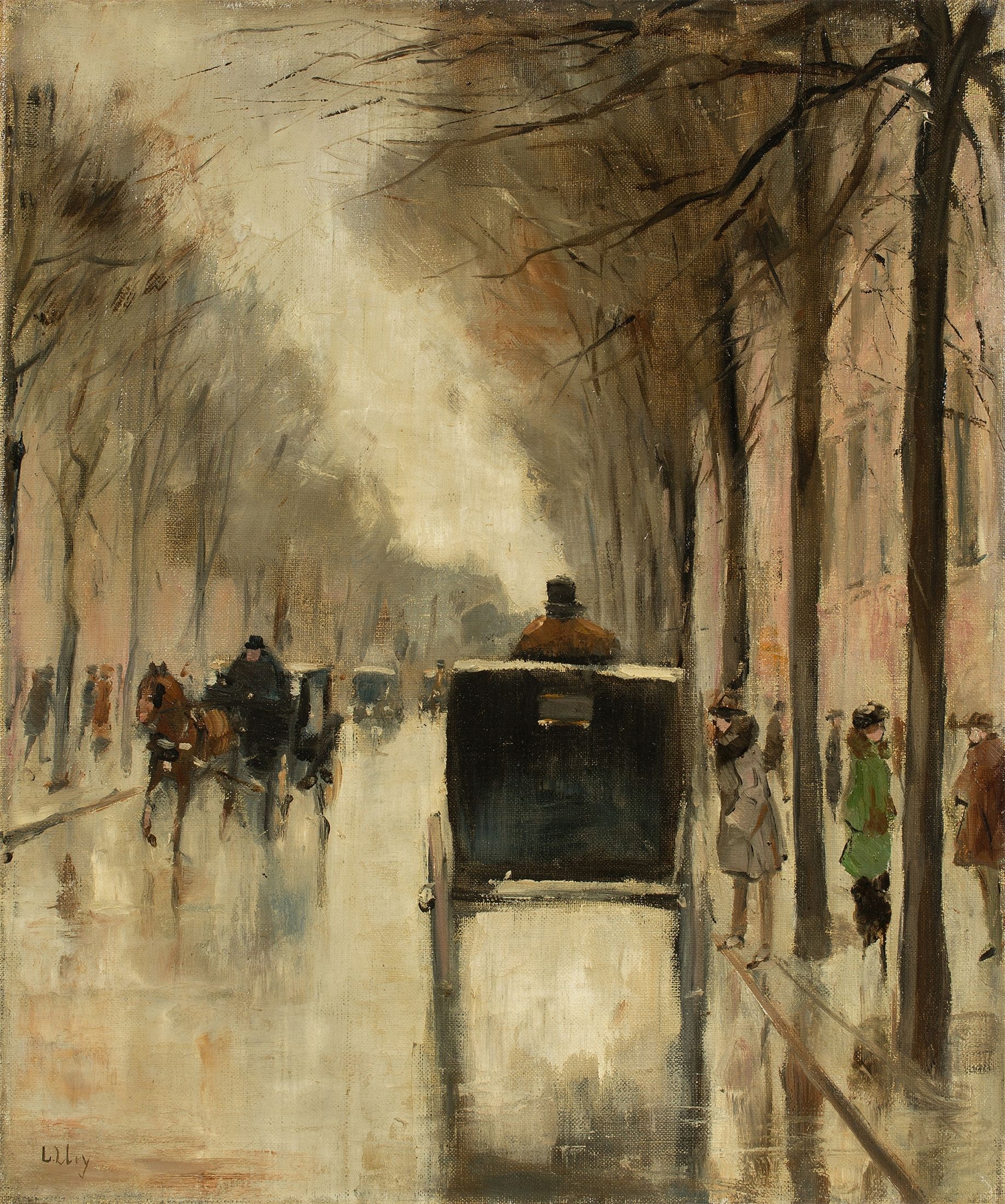
Could a single brushstroke hold eternity? In Straße im Tiergarten, the fleeting essence of a moment lingers, capturing the weight of solitude in a world that feels both alive and hauntingly distant. Look to the right at the gentle interplay of light and shadow, where trees loom with an ethereal presence. The muted palette of greens and grays invites contemplation, while splashes of warm hues suggest the soft glow of a setting sun. Notice how the path winds toward the horizon, leading the eye deeper into the canvas, creating a sensation of longing and melancholy.
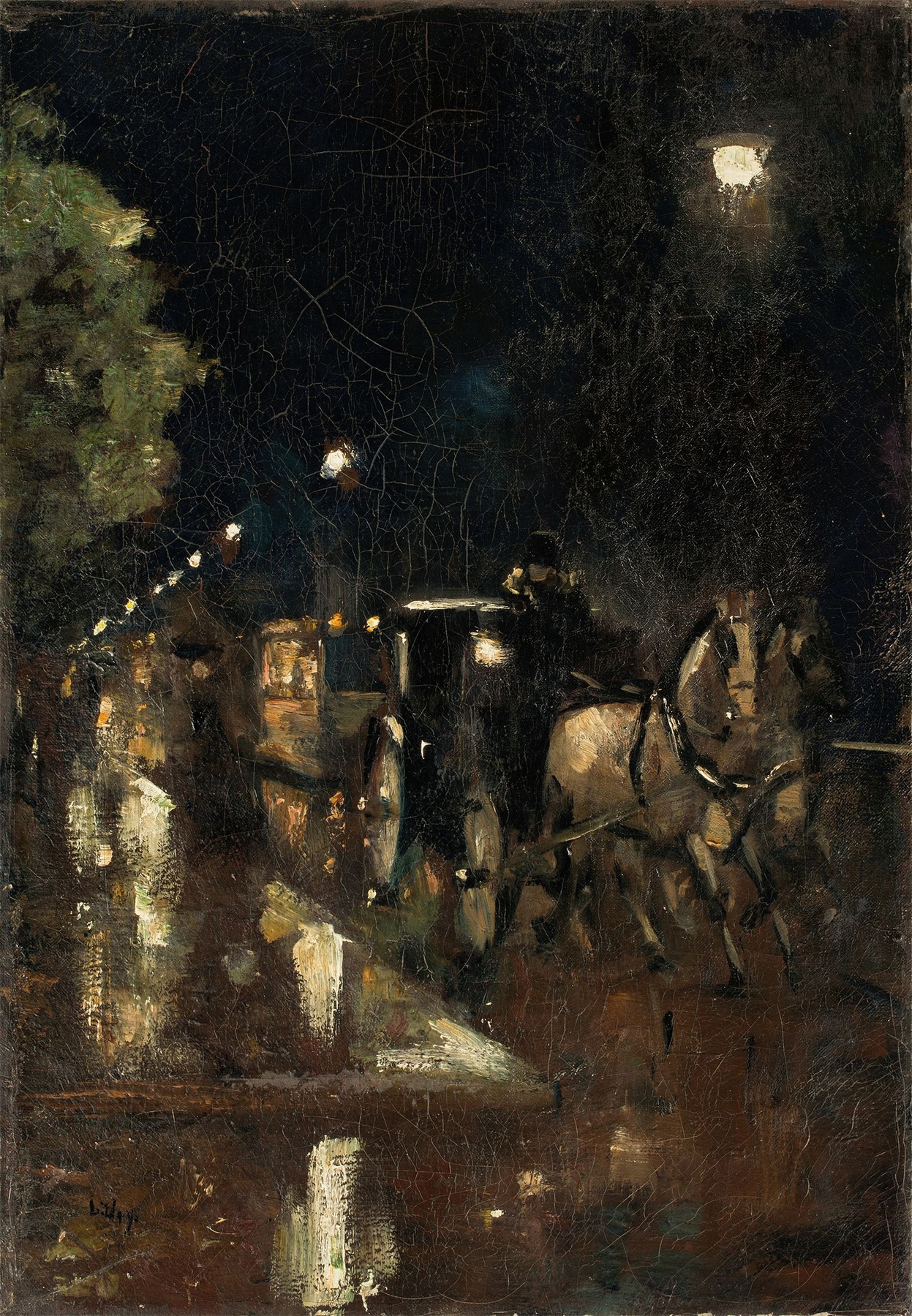
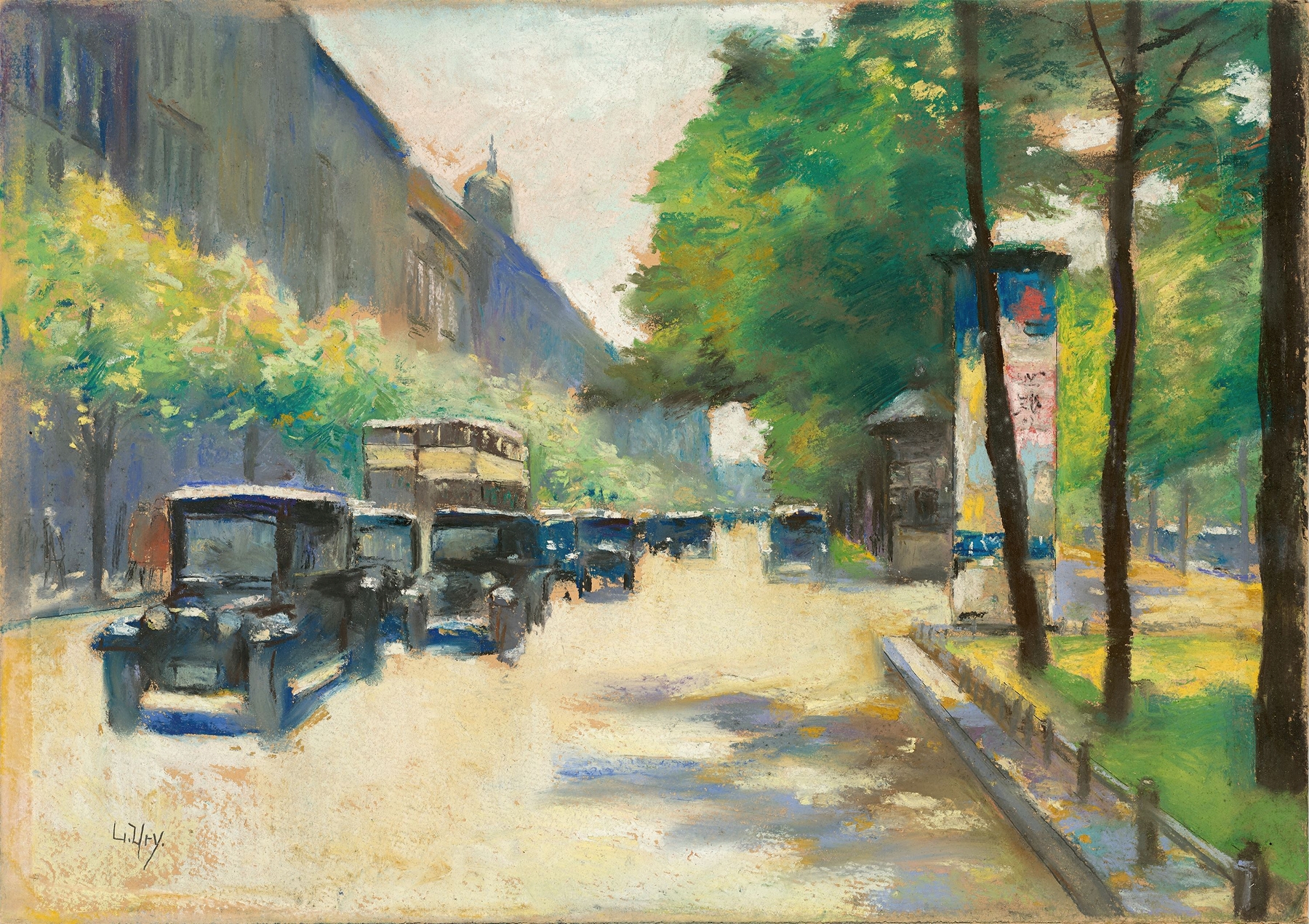
Ury’s loose, expressive brushwork evokes a sense of atmosphere, transforming the street into a corridor of memories, rich with emotion. The contrast between the vibrant touches of color and the stark shadows creates a palpable tension, reflecting the paradox of beauty in desolation. Each figure, small and solitary against the expansive backdrop, tells a story of isolation amidst the bustle of life. It’s as if the trees whisper secrets of the past, and the path symbolizes both a journey and a sense of stillness.
This duality speaks to the transient moments that shape our existence, leaving viewers with a haunting sense of reflection. In 1920, Ury painted this piece during a time of significant change in post-World War I Germany, grappling with loss and a shifting cultural landscape. His unique style, characterized by a blend of Impressionism and Expressionism, emerged as a response to the emotional turmoil surrounding him. The work embodies not just a physical space but the melancholic spirit of an era, encapsulating a moment that reverberates through time.