Strand von Etretat — History & Analysis
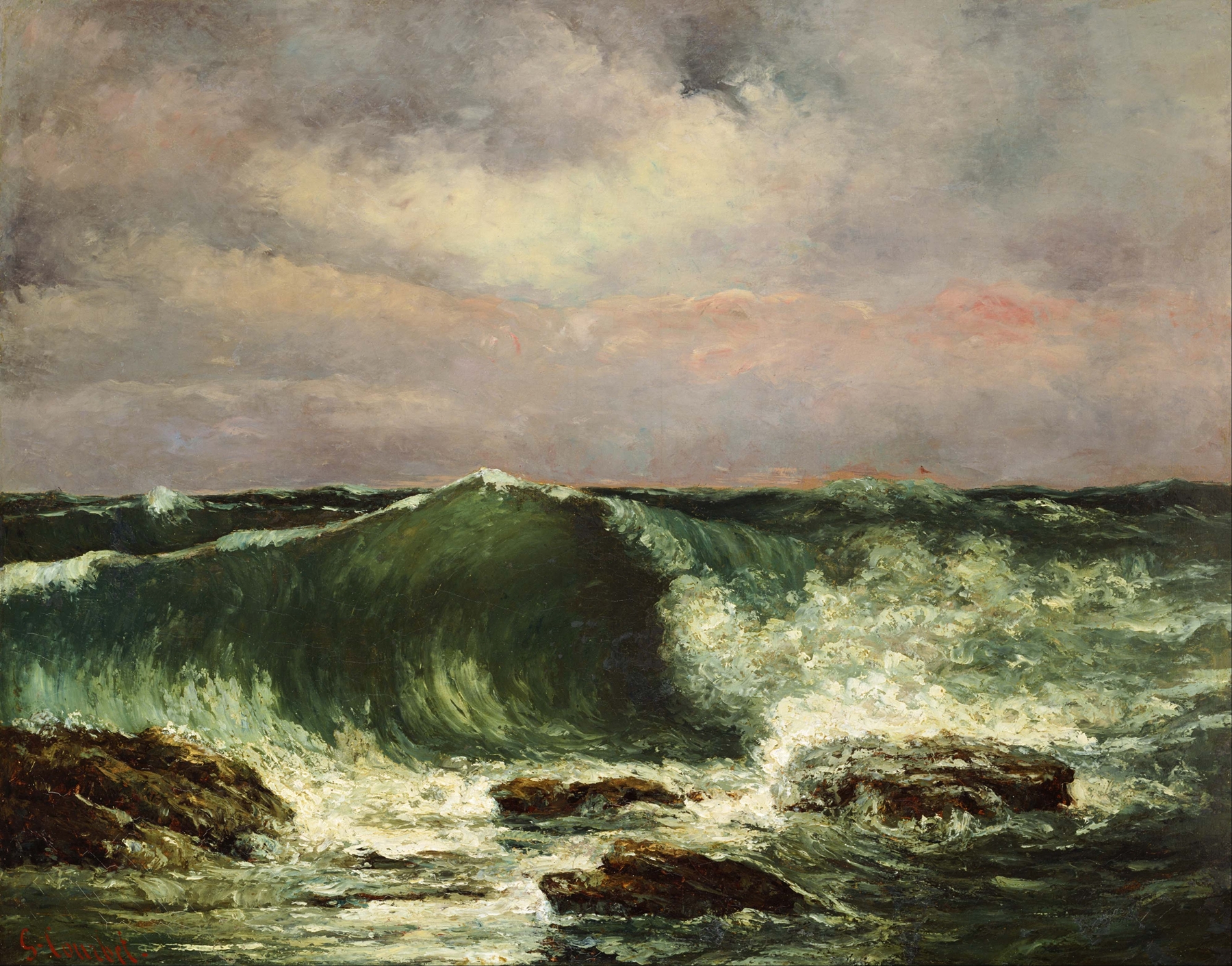
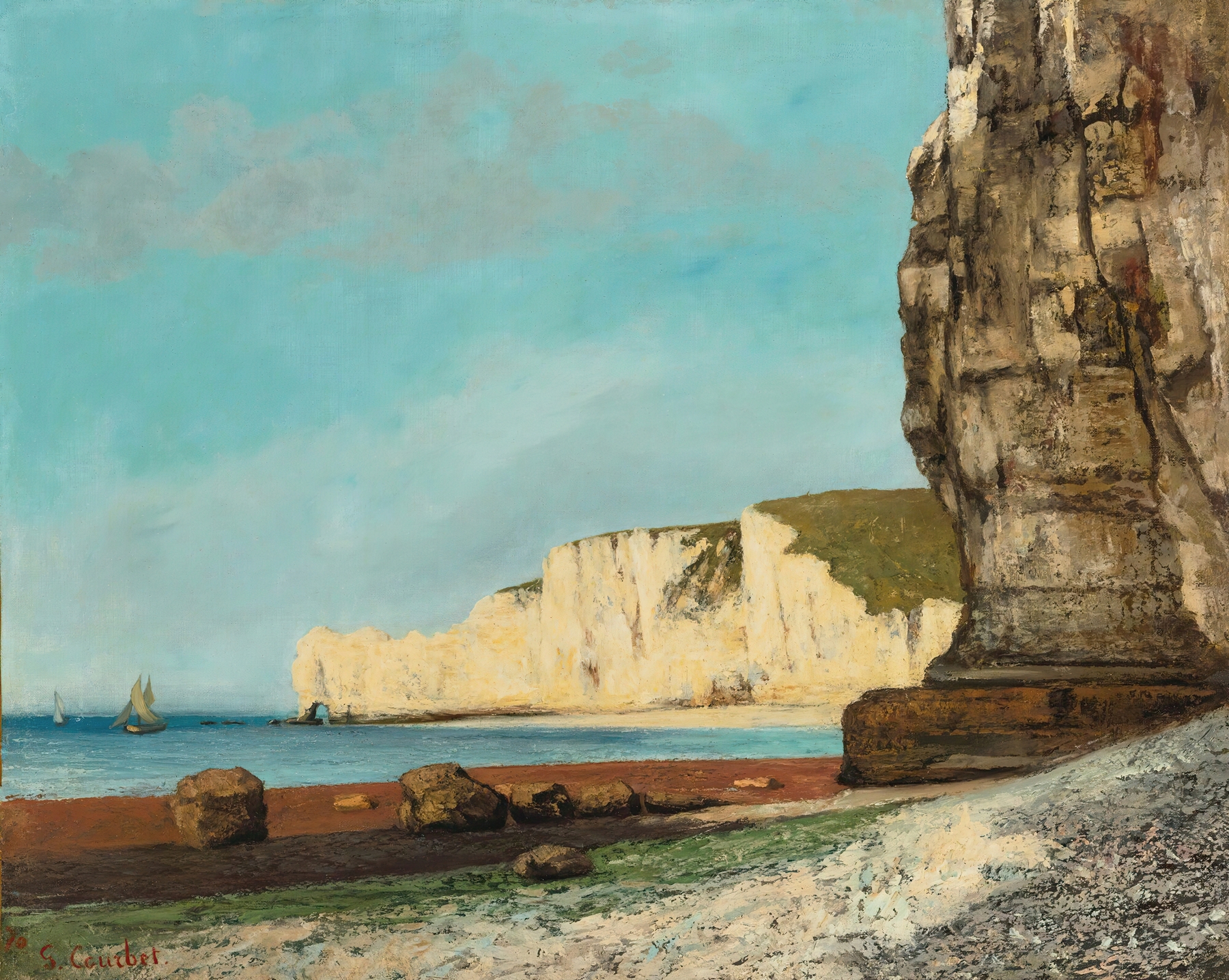
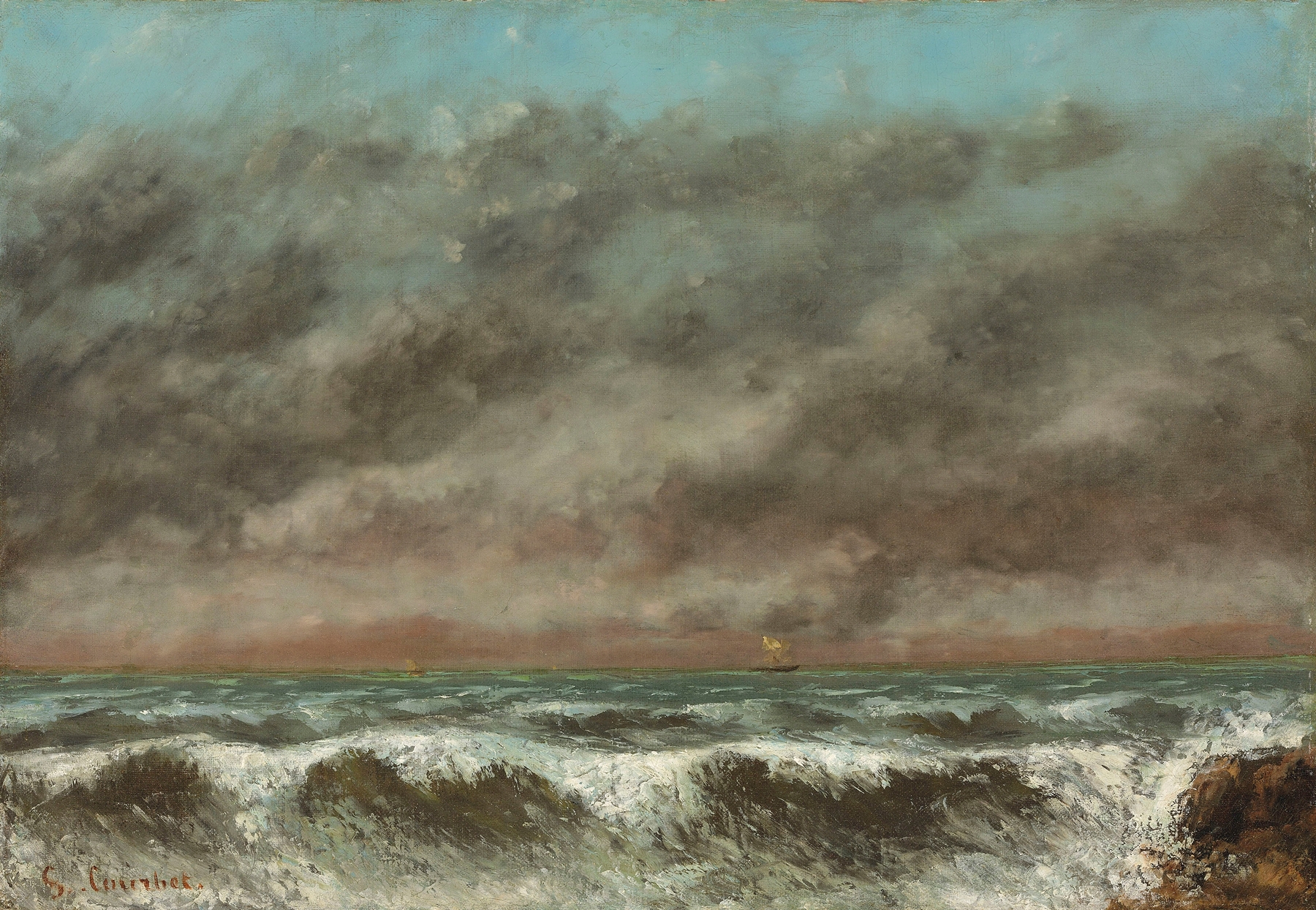
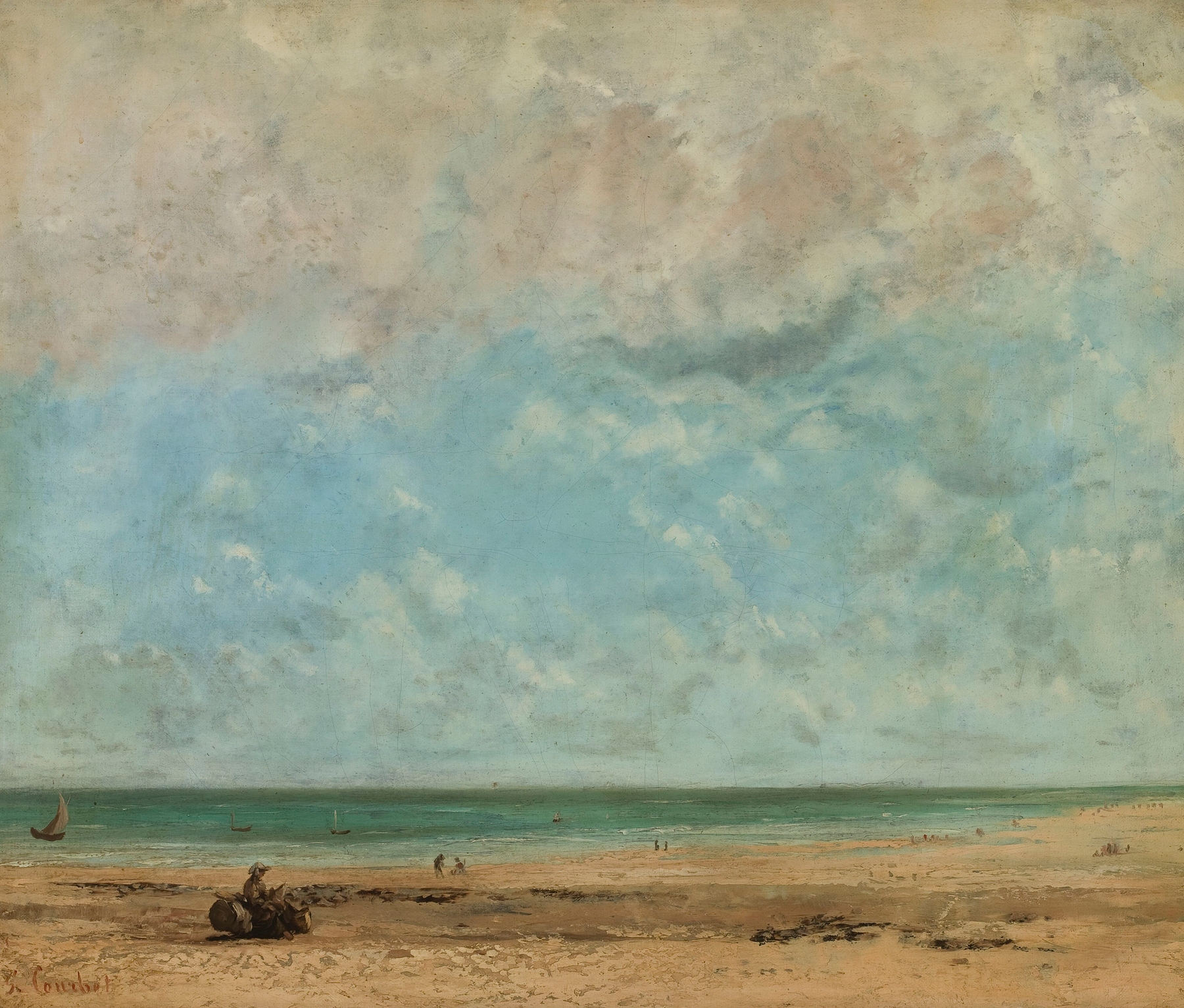
What if silence could speak through light? In Strand von Etretat, a profound stillness envelops the viewer, inviting contemplation of emptiness and the interplay between earth and sky. Focus on the gentle curve of the shoreline, where muted tones of sand blend seamlessly with soft blues and greys of the sea and sky. The horizon stretches infinitely, drawing your eyes outward, while delicate brushstrokes create a textured sky that seems to breathe.
The subtle gradations of color evoke a sense of tranquility, suggesting the fleeting nature of both time and place as the viewer is immersed in the quiet beauty of the scene. As you wander deeper into the canvas, observe the contrasts of light and shadow that shape the cliffs in the background, hinting at hidden depths behind their stoic facade. The absence of human presence heightens the sense of isolation, prompting reflections on solitude and the vastness of nature. Each wave lapping at the shore appears imbued with a silent conversation, while the expansive space between land and sky encapsulates an emotional tension that resonates with the viewer for its poignant sense of longing.
Created in 1869, this piece emerged during a time of great change for its creator, who was immersed in the burgeoning movement of realism. Courbet, painting in Etretat, was likely influenced by the awe-inspiring landscapes around him, yet he approached them with an uncompromising authenticity. This period marked his dedication to capturing the raw beauty of nature, positioning him as a pivotal figure in the evolution of modern art.