Street in Montmartre, Paris — History & Analysis
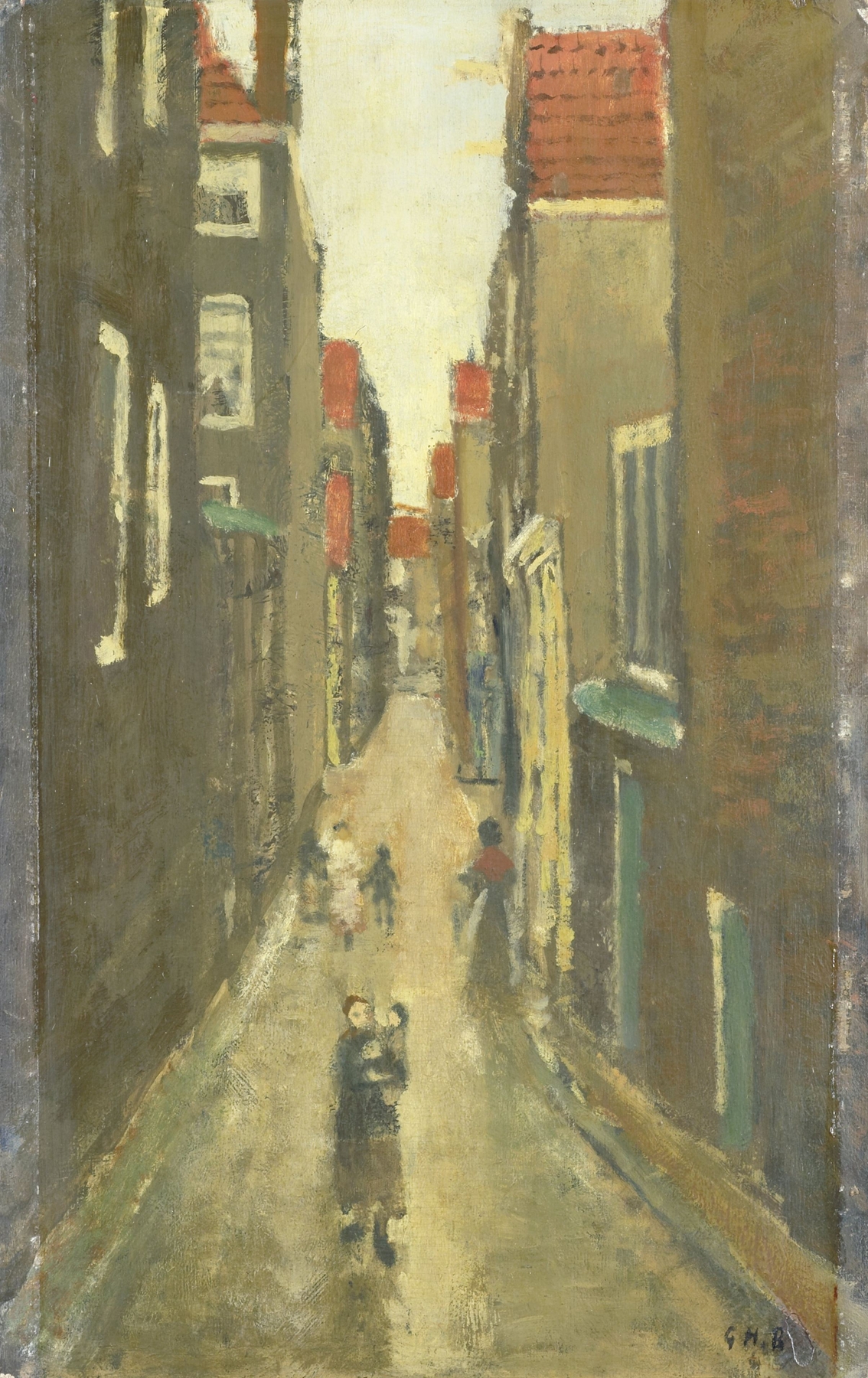
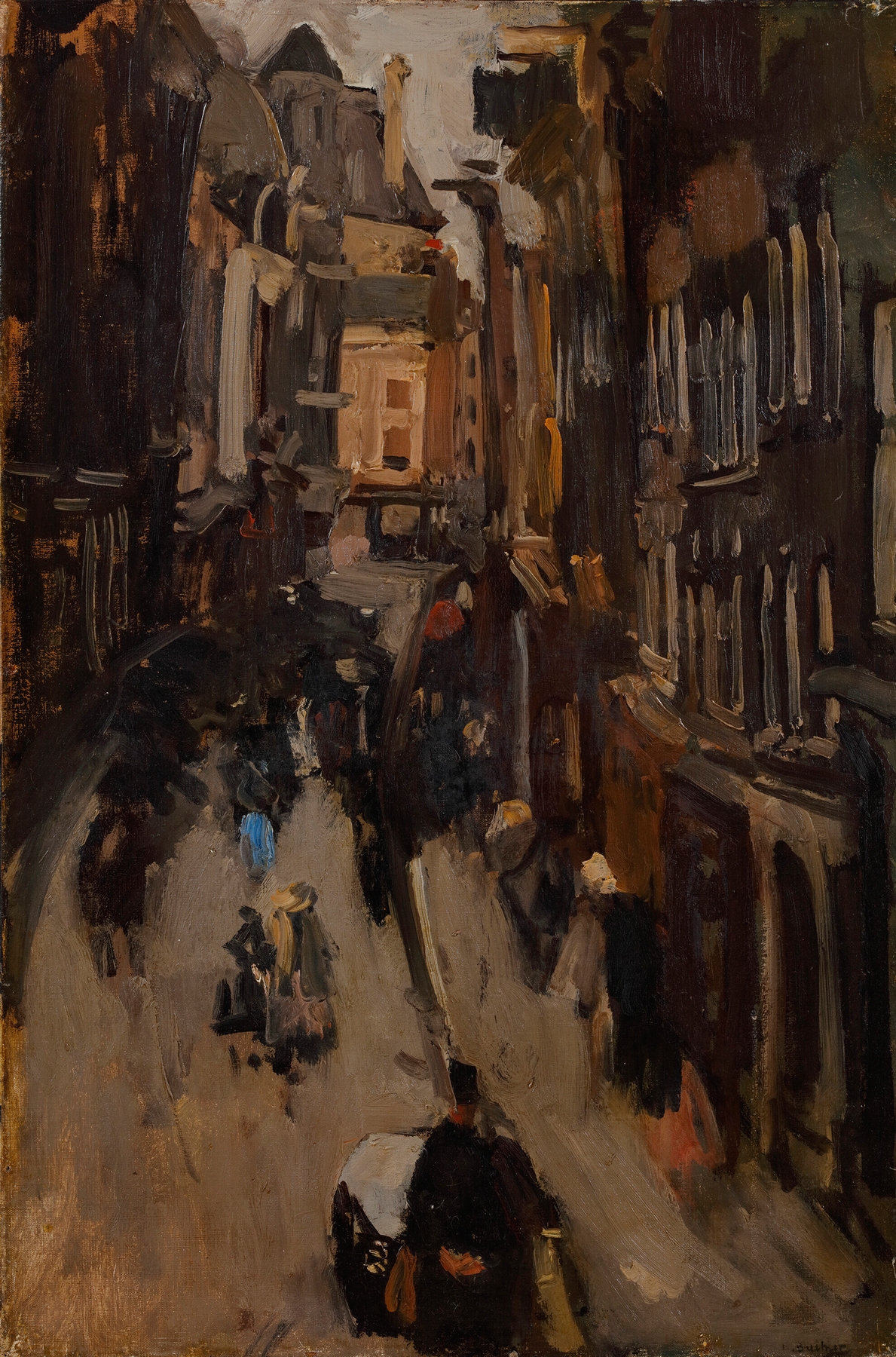
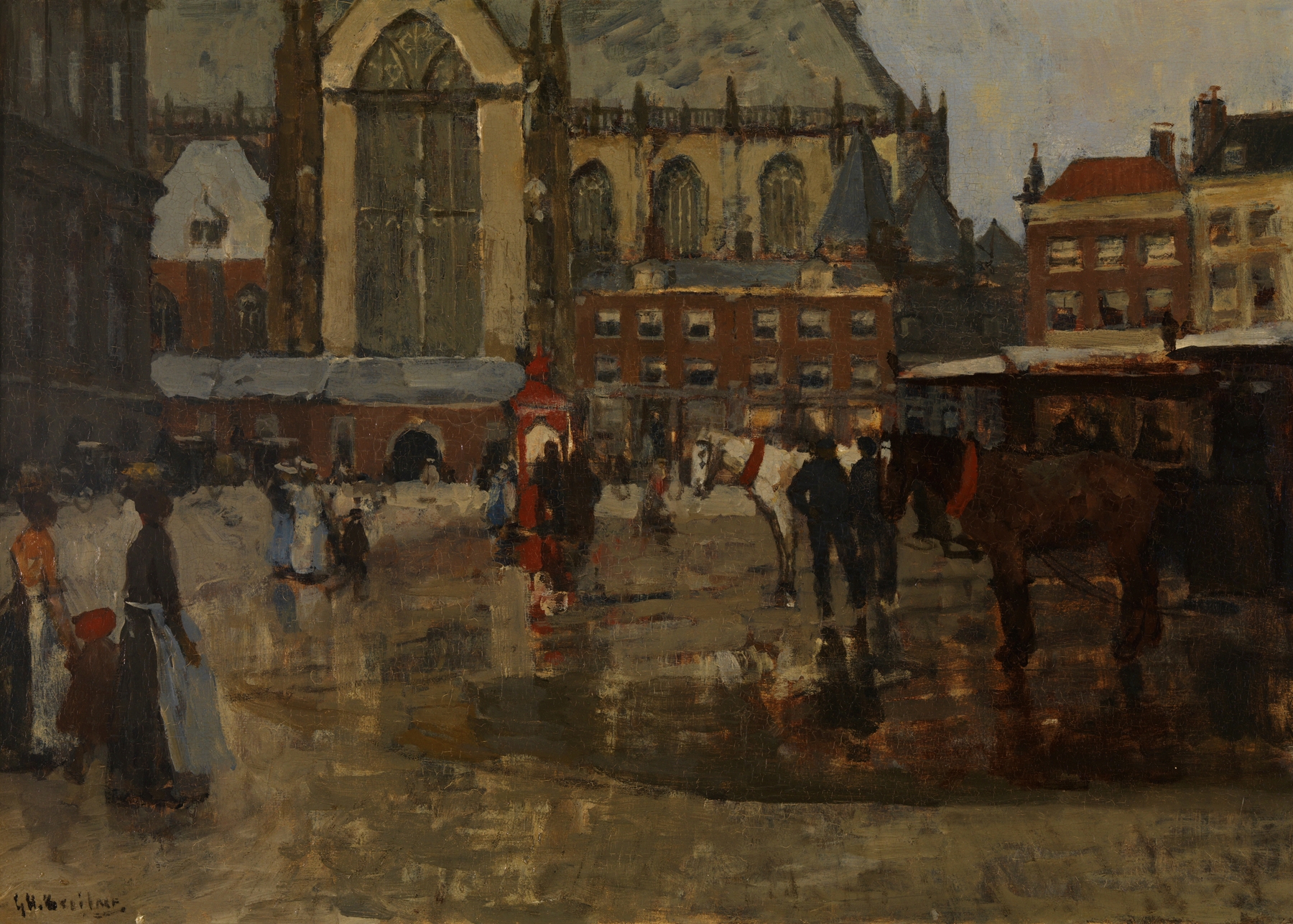
When did color learn to lie? In this evocative moment captured in Street in Montmartre, Paris, the vibrant hues mask a deeper narrative of transience and impermanence. It compels us to confront the fleeting nature of life itself, whispering secrets about the souls that once inhabited the scene. Focus first on the bustling street, where patches of sunlight spill onto the cobblestones, illuminating the figures caught in their urban dance.
Notice how the warm oranges and muted browns of nearby buildings contrast with the cool blues of the sky, creating a palpable tension. The brushwork is loose yet deliberate, drawing the eye through the composition, inviting you to explore the blend of movement and stillness that characterizes Montmartre’s lively atmosphere. As you delve deeper, observe the solitary woman in the foreground, her posture hinting at a moment of introspection amidst the chaos. The interplay of shadow and light reflects not only the daily rhythm of Paris but also serves as a metaphor for the juxtaposition of life and mortality.
Each figure, caught in their meandering journey, becomes a reminder of the transient connections we share in a world that is ever-changing. Created in the early 20th century, Street in Montmartre, Paris reflects a pivotal time for Breitner as he navigated his role in the art world, embracing impressionism while infusing his unique perspective. Living in Amsterdam yet inspired by Paris, he captured the essence of city life during an era of rapid change, influencing future generations with his blend of realism and emotion.