Street in Siena II — History & Analysis
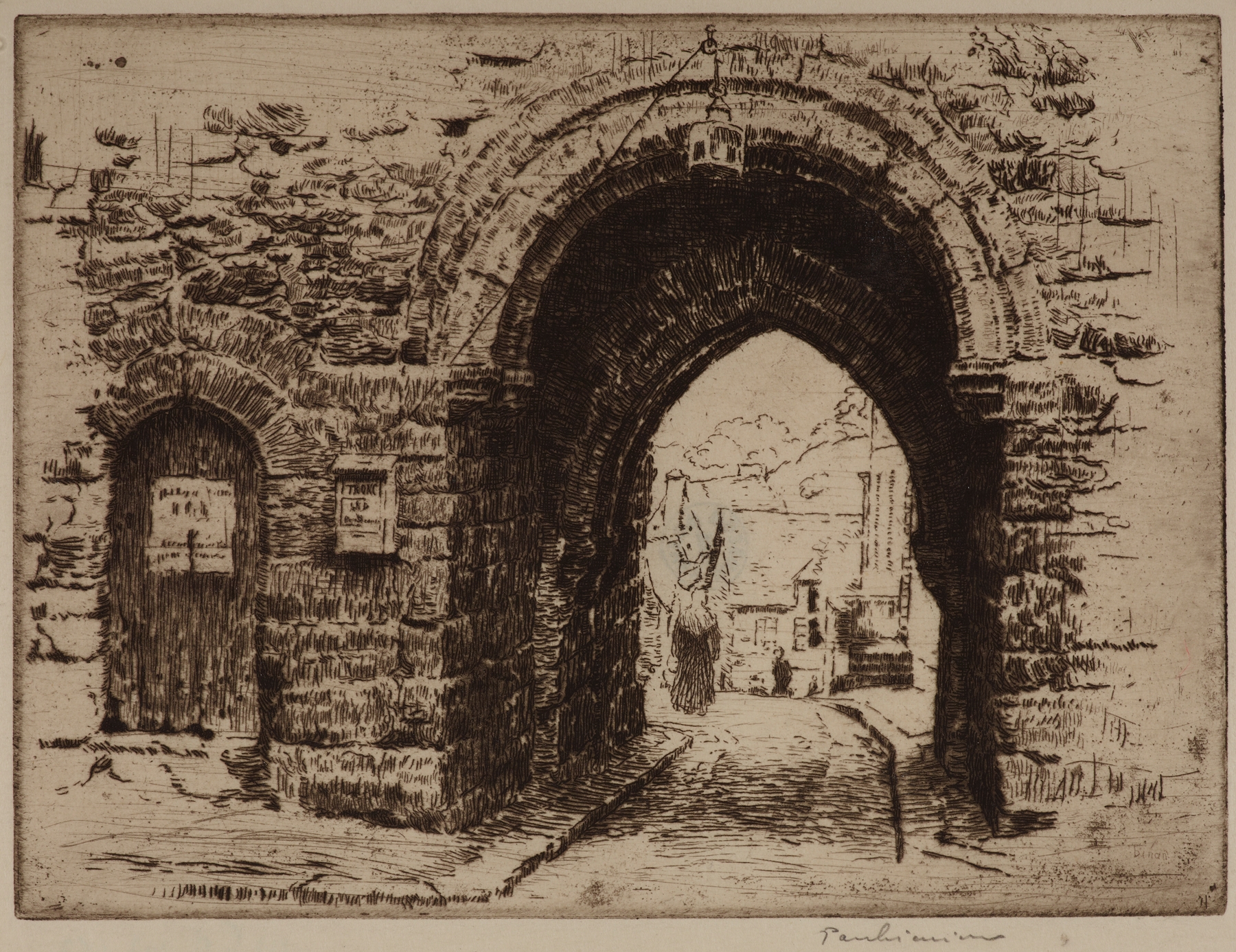
Who listens when art speaks of silence? In Street in Siena II, the stillness of an Italian alleyway beckons with an unspoken narrative, inviting viewers to consider the stories hidden within its quiet corners. Focus on the vibrant hues that breathe life into the cobblestones underfoot, as they weave together shades of ochre and sienna. Notice how the light dances softly across the buildings, casting gentle shadows that elongate the narrow passageway. Look towards the far end, where a hint of distant figures is suggested, their forms blurring into the background, embodying the essence of presence without revealing individual identities.
The painter’s technique—a blend of impressionistic brushwork and meticulous detail—ensures every stroke contributes to an atmosphere both inviting and contemplative. Within the composition lies an intricate interplay of light and shadow, suggesting a balance between solitude and community. The vibrant colors contrast with the muted tones of the buildings, evoking a sense of warmth amidst the coolness of the late afternoon. The absence of bustling crowds enhances the emotional weight of the scene, drawing attention to the quiet beauty of everyday life and the fleeting nature of moments that often go unnoticed.
Each element invites reflection—what lies just beyond the frame, and what stories do these walls hold? Created in 1900, this piece emerged during a pivotal time for Józef Pankiewicz, as he navigated the crossroads of Impressionism and the emerging Polish art scene. Living in Paris before returning to Poland, Pankiewicz was influenced by the color palette and techniques of his contemporaries, allowing him to infuse a unique voice into his work. The tranquility presented in this piece stands in stark contrast to the tumultuous changes occurring in Europe at the dawn of the 20th century, encapsulating a moment of stillness in a world poised for transformation.