Sultan Mahamed Shah’s Tomb, Bejapore, India — History & Analysis
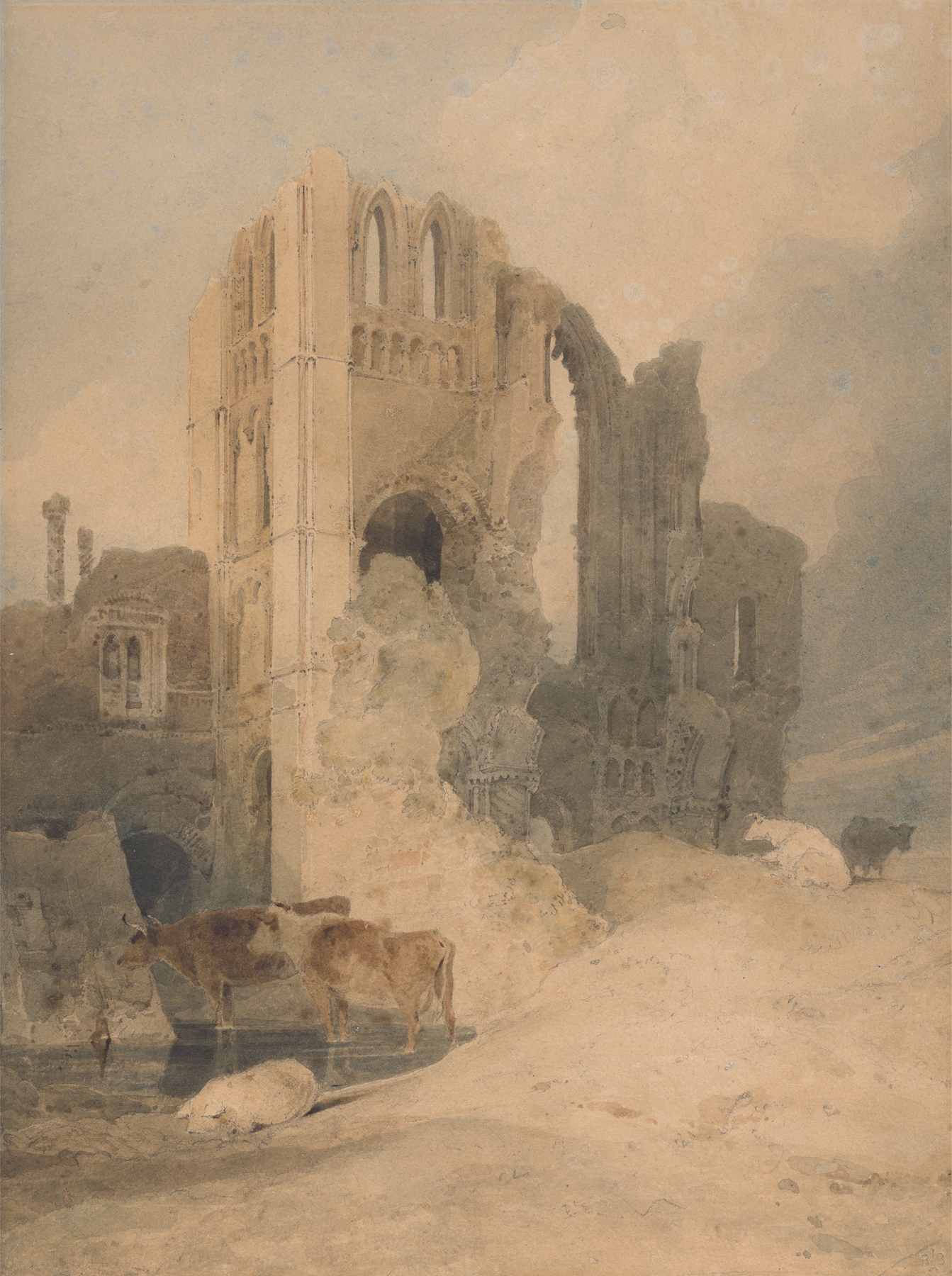
Can paint confess what words never could? In the stillness of Sultan Mahamed Shah’s Tomb, echoes of chaos linger beneath the surface of serene beauty, inviting contemplation on life and loss. Look to the center of the canvas where the tomb stands majestically, its intricate domes and archways beckoning the viewer’s gaze. Notice how the somber gray of the stone contrasts with the surrounding lush greenery, a visual testament to the clash of mortality against the vibrancy of nature.
The play of light across the structure creates a sense of movement, as though the tomb breathes with the whispers of history. A subtle palette of earthy tones evokes a timelessness, suggesting both decay and reverence. Delve deeper into the details—the frayed edges of the foliage hint at neglect, while the ornate carvings on the tomb reflect a bygone opulence. This tension between grandeur and deterioration speaks to the impermanence inherent in all things, a reminder that chaos often lurks beneath the surface of beauty.
The interaction between shadow and light suggests a deeper narrative, one of a glorious past overshadowed by an inevitable decline. John Sell Cotman painted this work during his travels in the early 19th century, a period when British Romanticism was flourishing. It was a time marked by a fascination with the exotic landscapes of India, where the artist sought to capture the essence of its architectural wonders. Through this piece, Cotman engaged not only with the beauty of a foreign land but also with the complexities of history, leaving behind a poignant reflection on the nature of existence itself.