Summer — History & Analysis
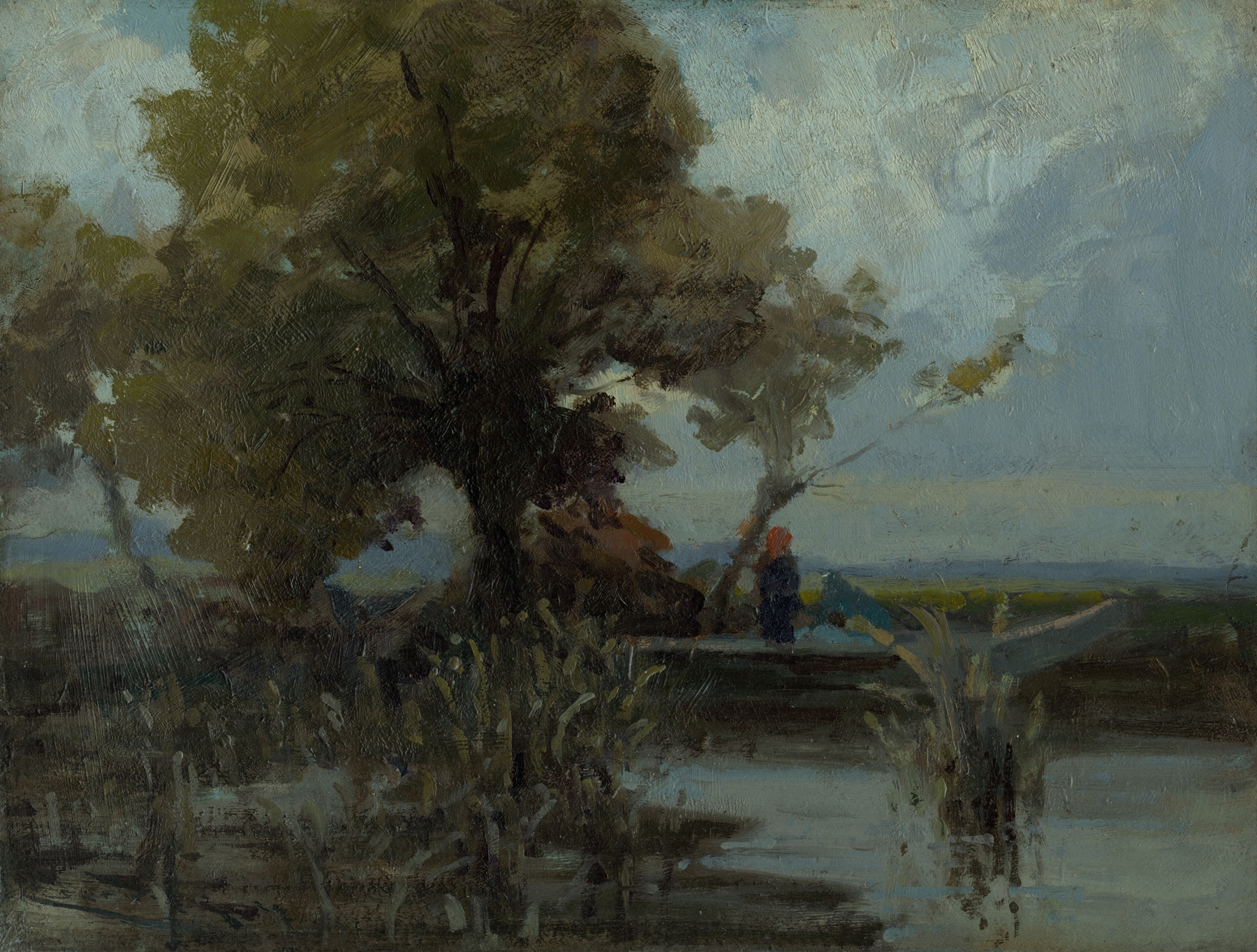
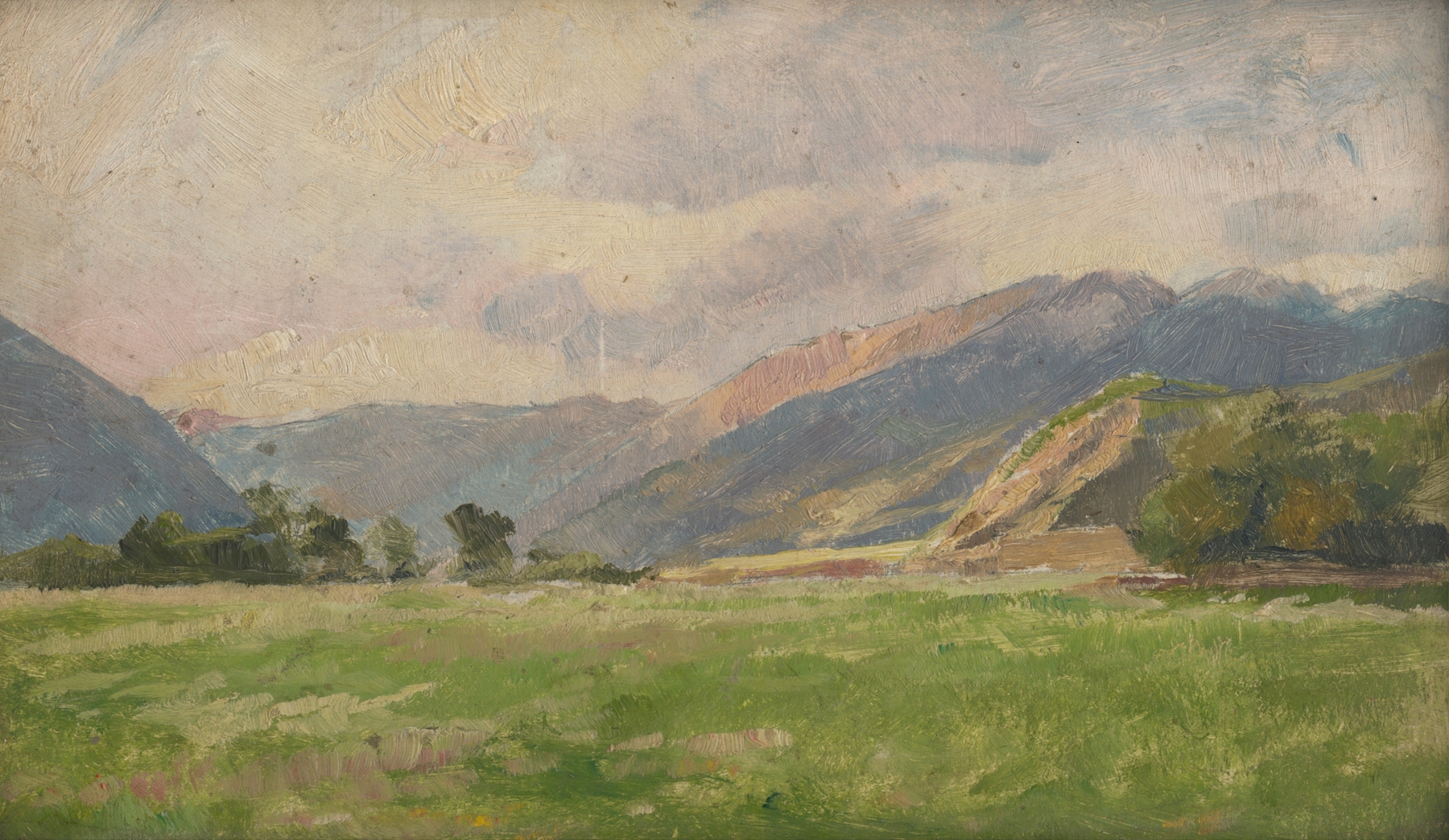
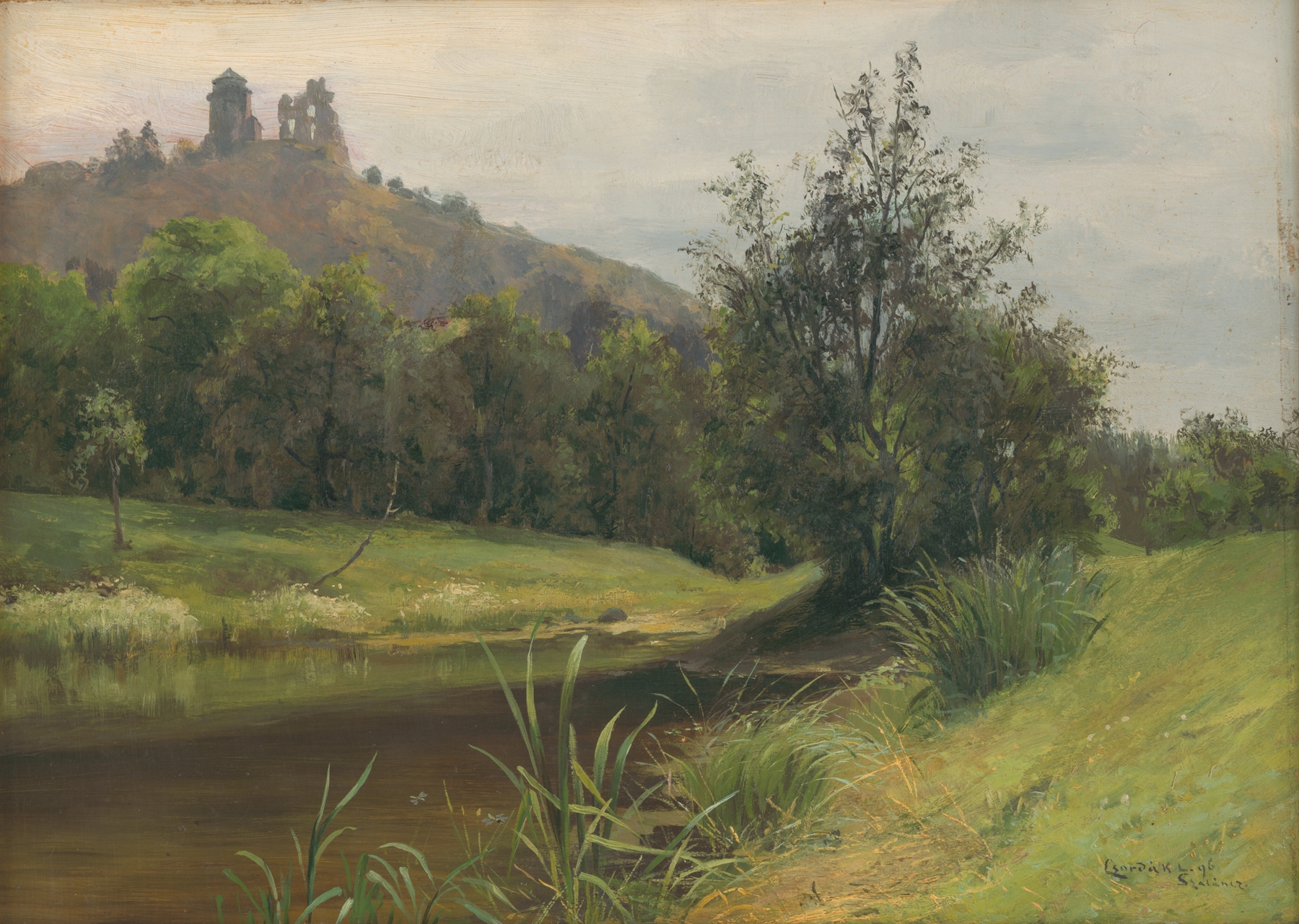
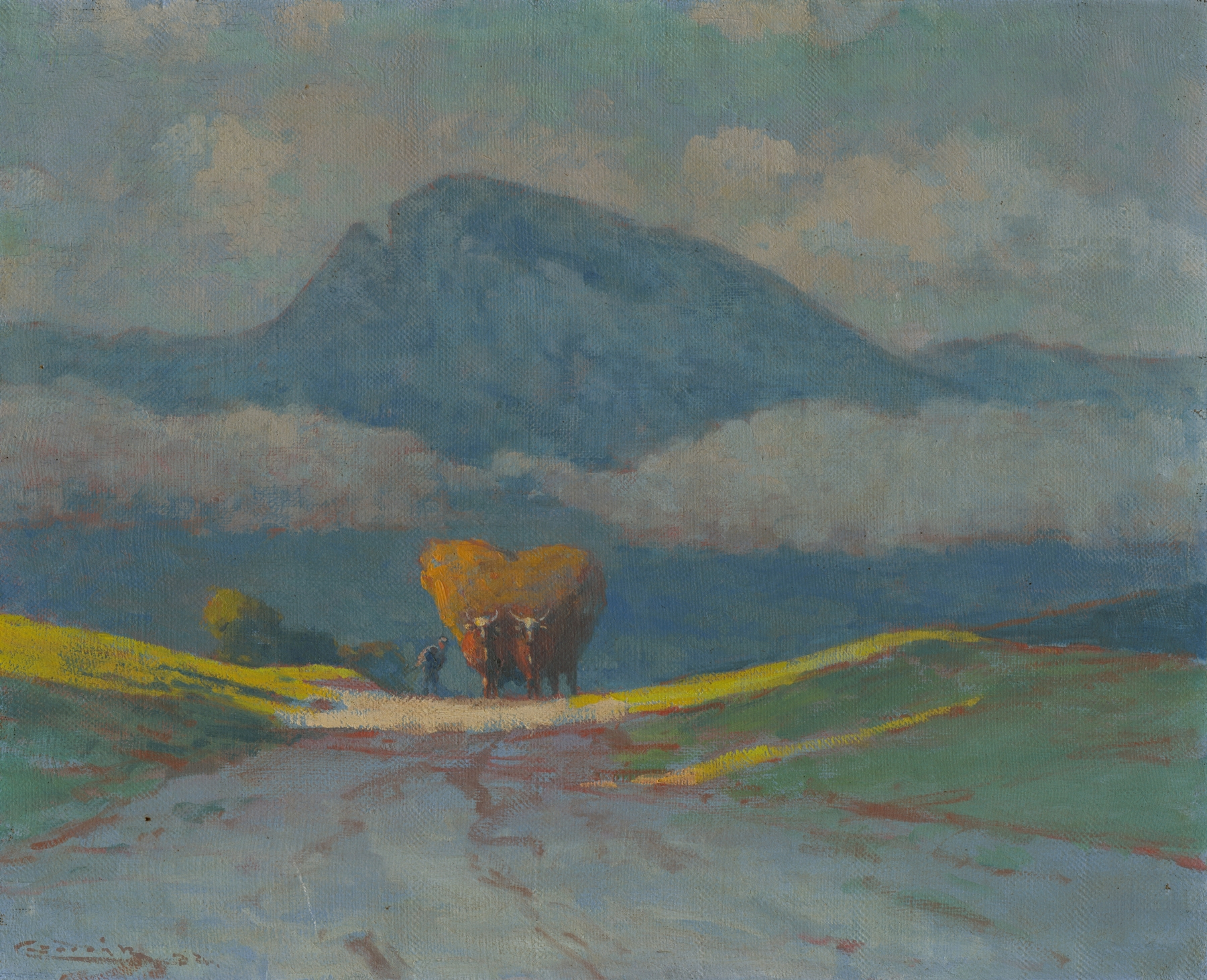
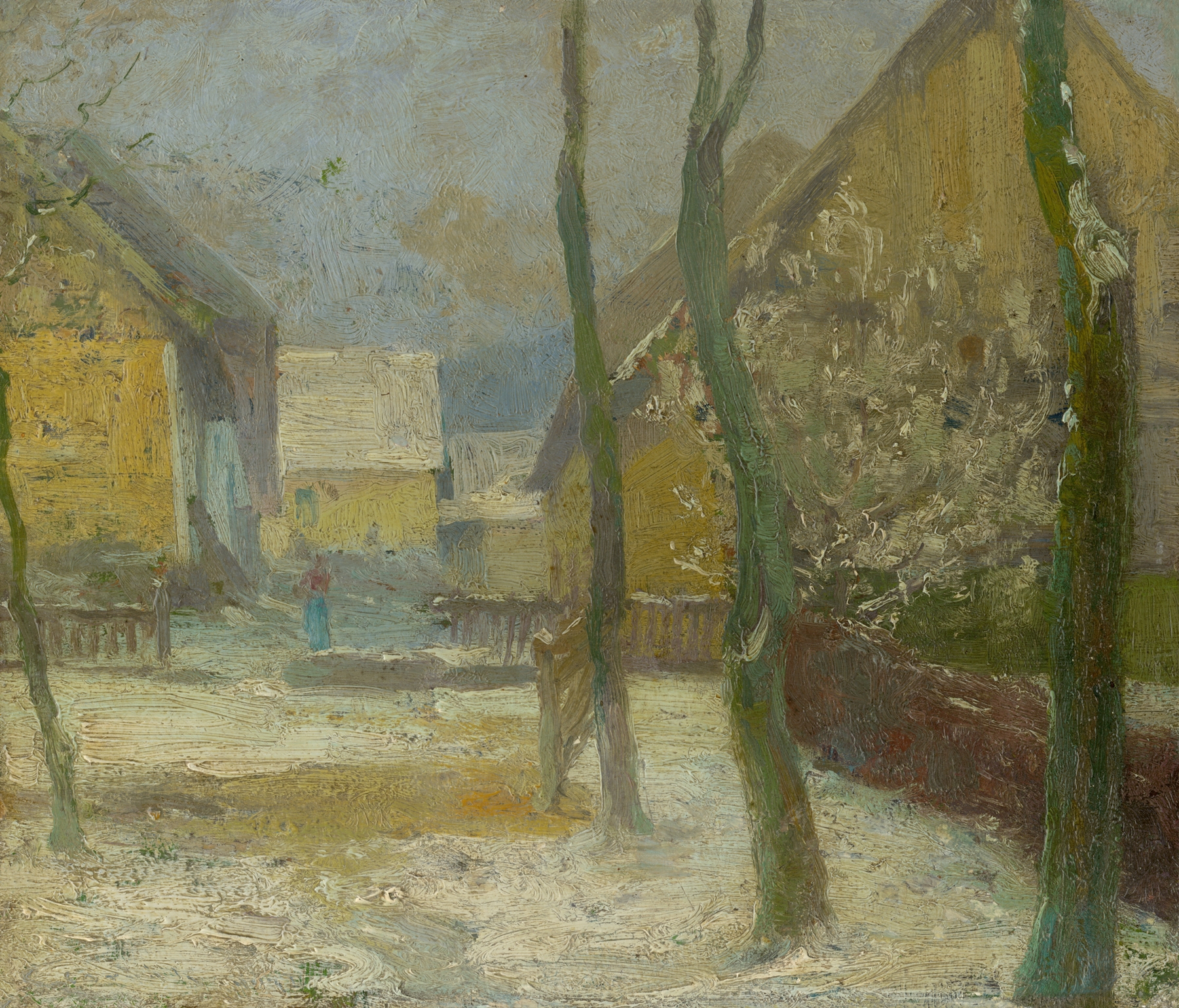
“Every brushstroke is a heartbeat remembered.” This sentiment resonates profoundly in the art of capturing fleeting moments and emotions, where memories linger like faint whispers of summer days past. Look to the center of Summer, where vivid hues of green and gold come alive, inviting the viewer into a sun-drenched realm. The sunlight dances through the leafy canopy, creating dappled patterns on the ground, while the figures of children play joyously in the foreground. Notice how the artist applies broad, sweeping strokes to evoke a sense of movement, and focus on the soft blend of colors that capture the warmth of the season.
The delicate use of light not only highlights the vibrancy of nature but also evokes the nostalgia of simpler times. Within this idyllic scene lies a tension between childhood innocence and the passage of time. The carefree laughter of the children contrasts sharply with the inevitable fading of these moments into memory. The careful placement of the figures suggests a fleeting encounter, as if the joy is both present and slipping away.
Each brushstroke holds a fragment of memory, inviting reflection on those sun-soaked afternoons we wish to hold onto forever, while acknowledging the bittersweet nature of reminiscence. In the years 1904–1905, Ľudovít Čordák painted Summer during a period marked by burgeoning artistic exploration in Slovakia. At this time, he was deeply influenced by the natural beauty of his homeland and the emerging ideas of Impressionism. As he navigated the intersection of tradition and modernity, Čordák's work sought to encapsulate the essence of life, transporting viewers to the heart of summer's fleeting joys.