Sumuaamu (Malmilla) — History & Analysis
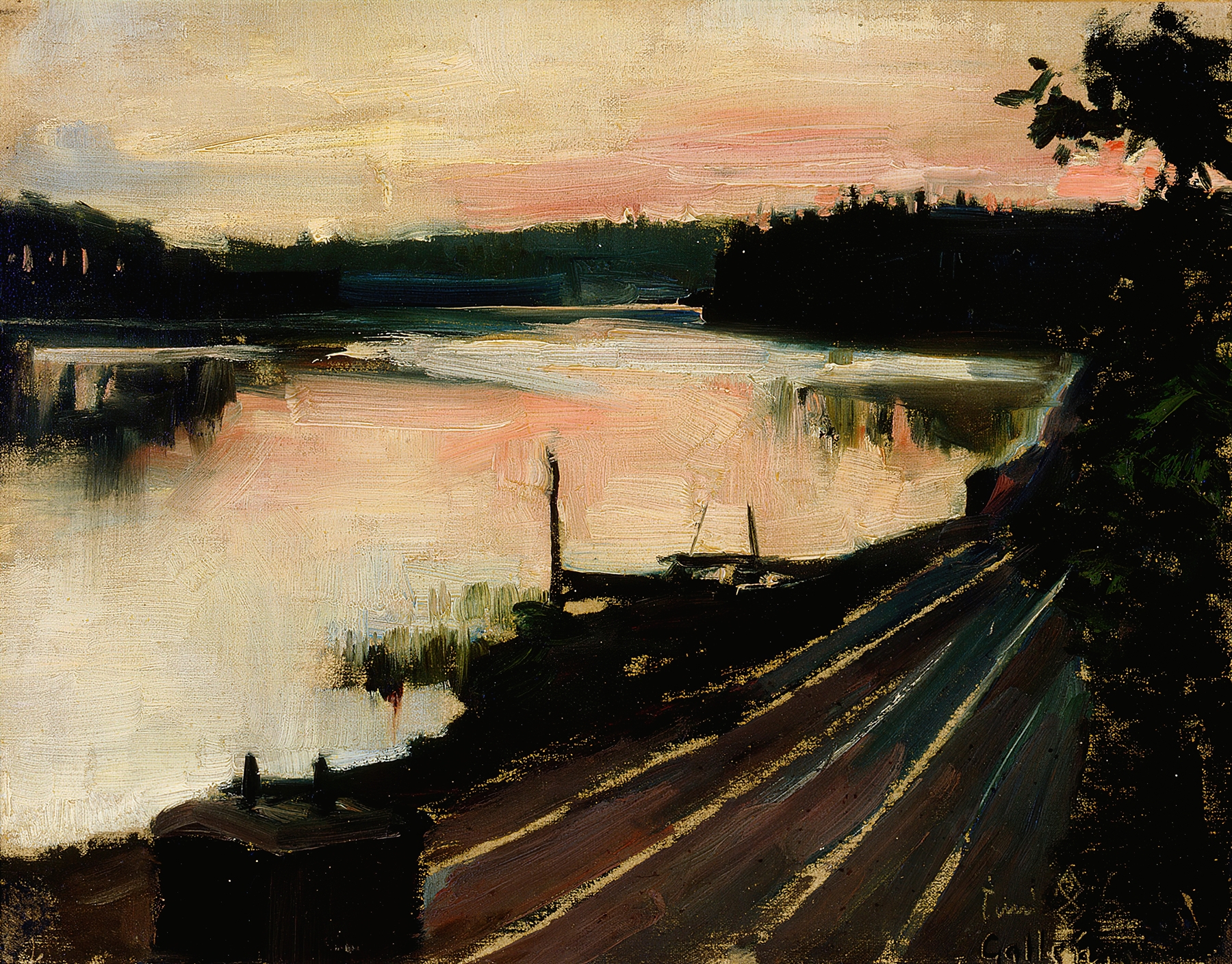
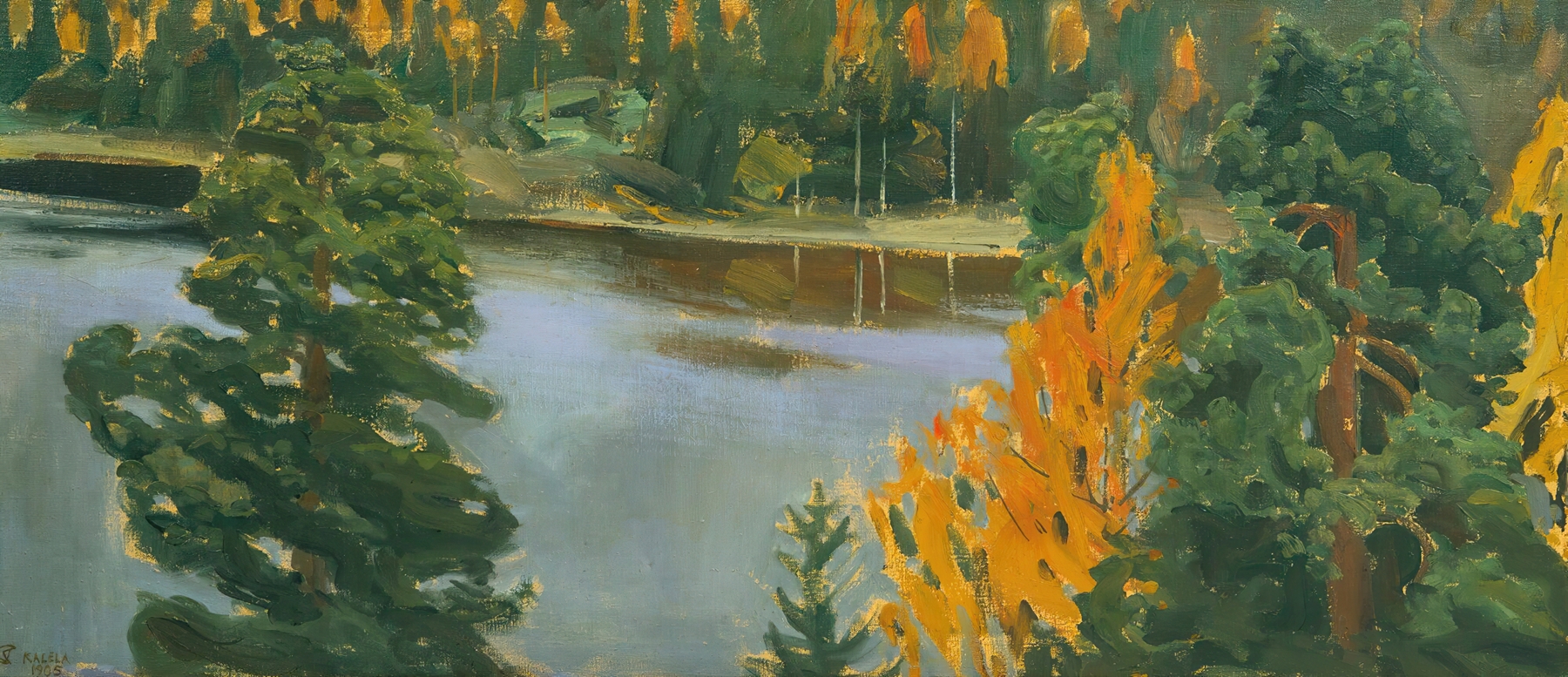
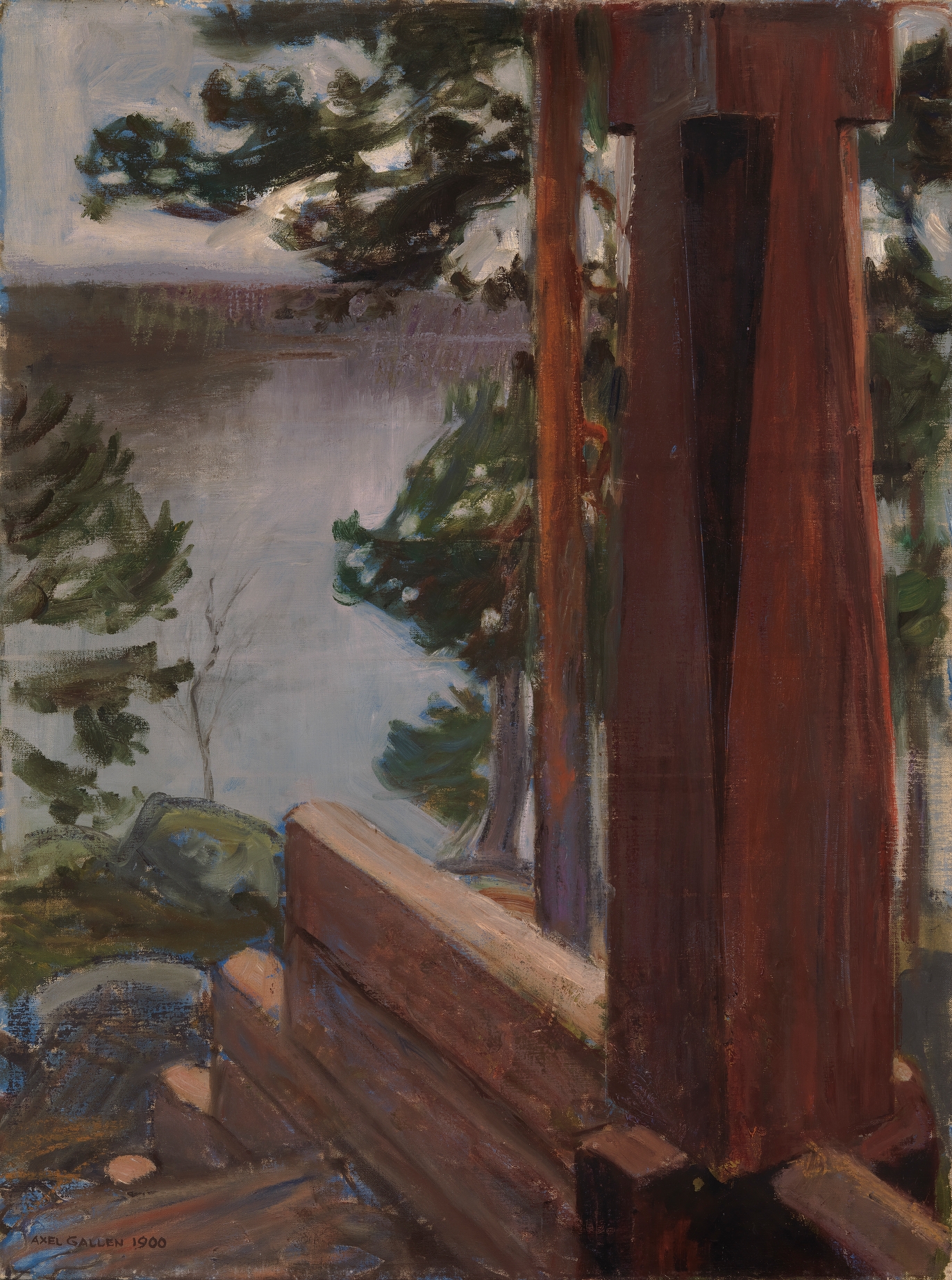
“Art reveals the soul when the world turns away.” In moments of loss, the canvas becomes a mirror reflecting our deepest fears and unspoken grief. Sumuaamu captures this haunting essence, inviting us to dwell in its silent embrace. Focus first on the central figure, draped in shades of deep blue and earthy browns, evoking a palpable sense of melancholy. The soft, diffused light envelops the silhouette, guiding your gaze toward the subtly rendered landscape that recedes into a misty void.
Notice how the brushwork swells and recedes, creating a rhythmic flow that mimics the pulse of memory—fragile and elusive. Hidden within the foggy backdrop lies a tension between presence and absence. The almost spectral quality of the woman suggests an unmoored spirit, poised between the seen and the unseen, while the surrounding nature, shrouded in low-hanging clouds, echoes a profound solitude. Every stroke seems to whisper tales of what has been lost, capturing the heartache of human experience amidst the ethereal beauty of the Finnish landscape.
In 1891, Akseli Gallen-Kallela painted Sumuaamu during a transformative period in his life, marked by a deepening engagement with national identity and folklore. Living in Helsinki, he was immersed in the burgeoning Symbolist movement, which sought to express internal emotions through nature. The painting not only reflects his personal struggles with loss but also resonates with a broader cultural yearning for connection and understanding in an evolving world.