Tana River — History & Analysis
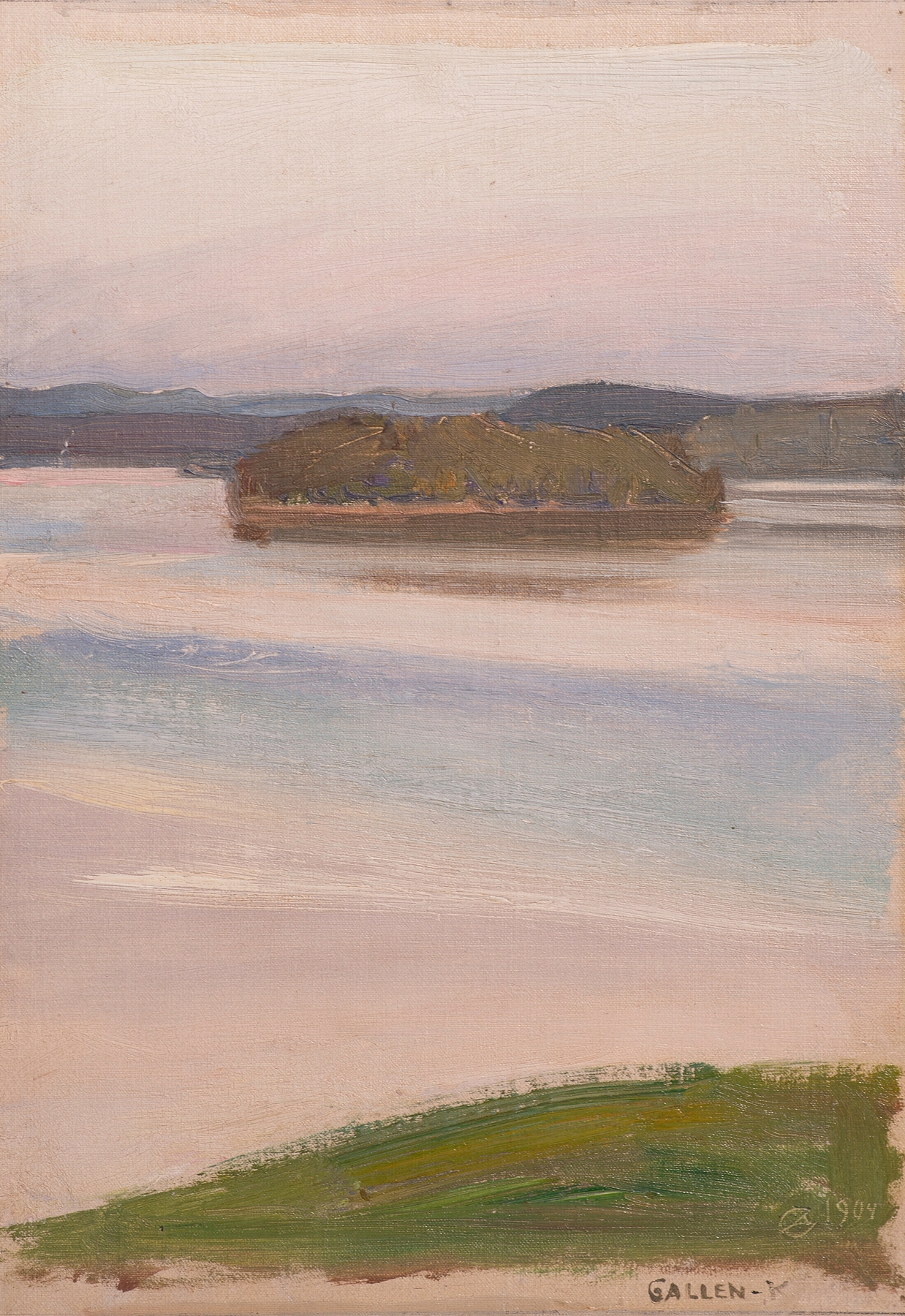
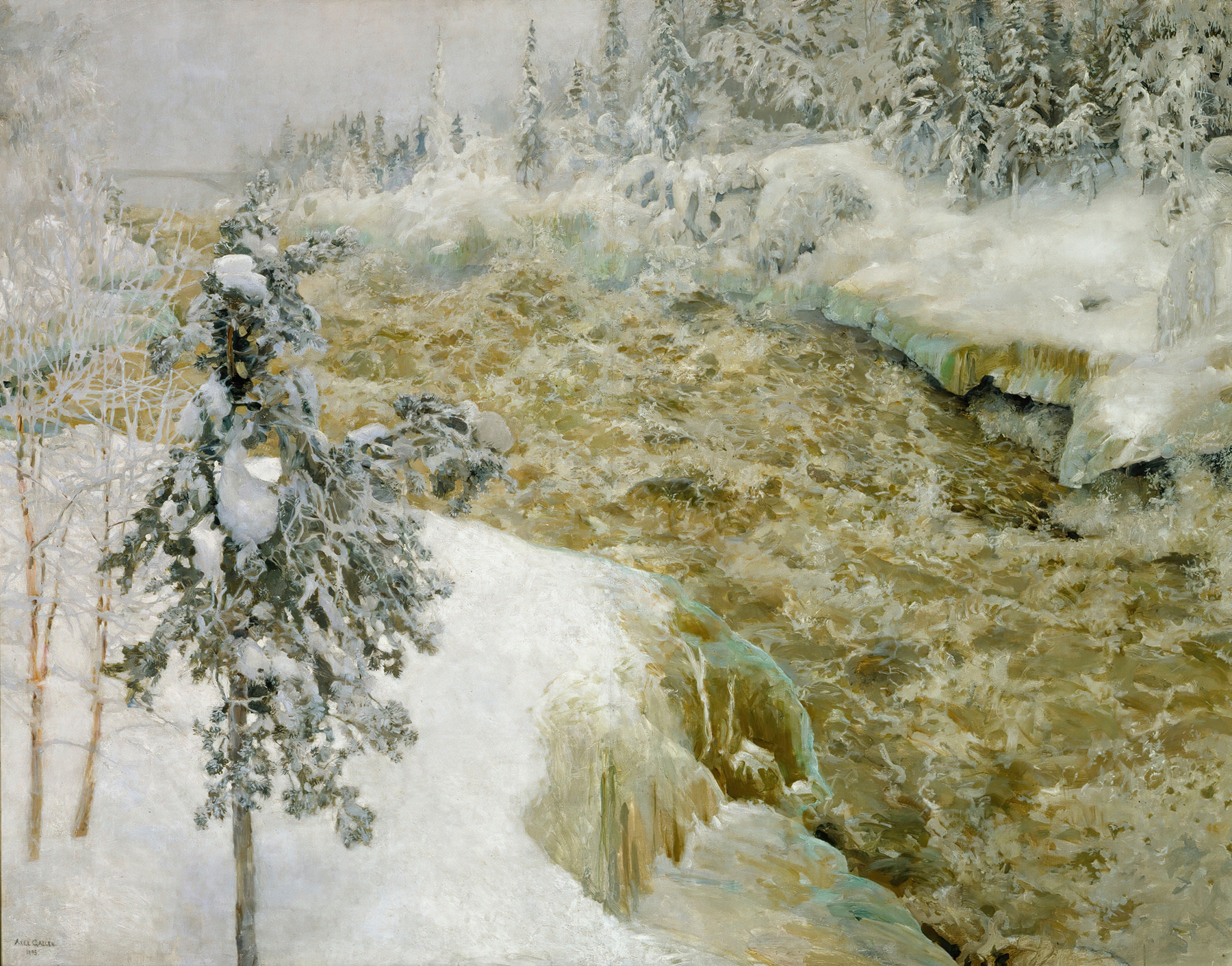
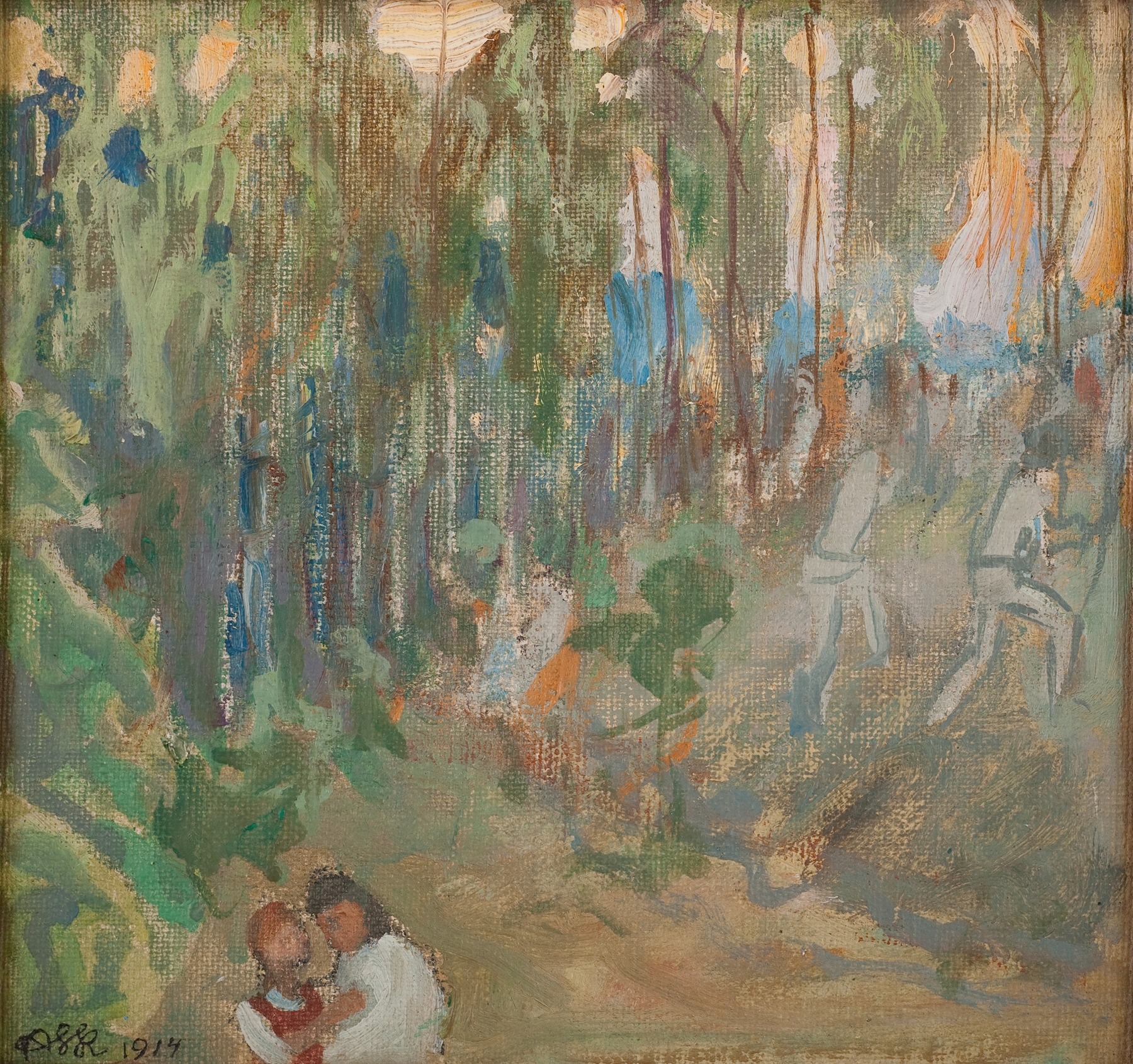
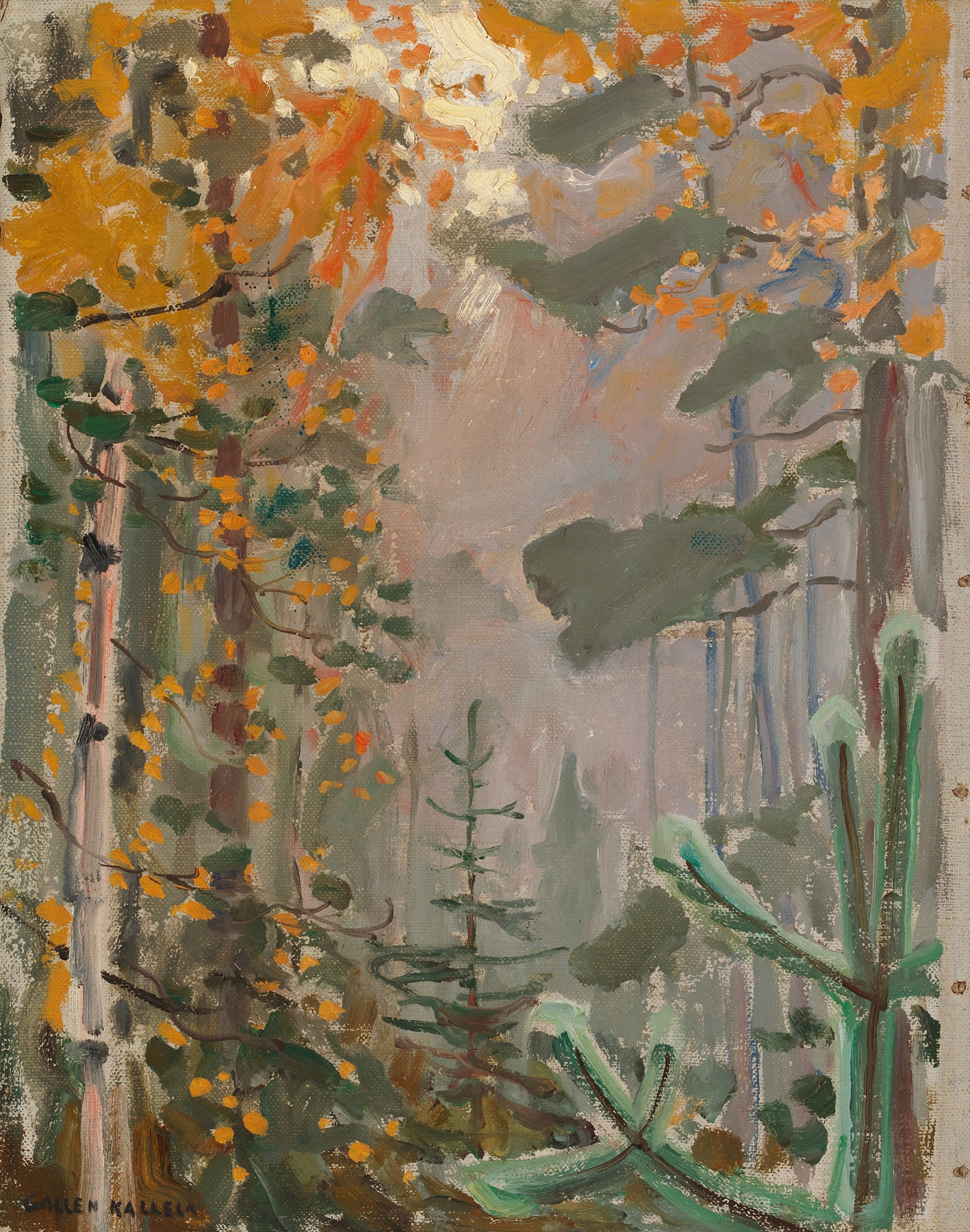
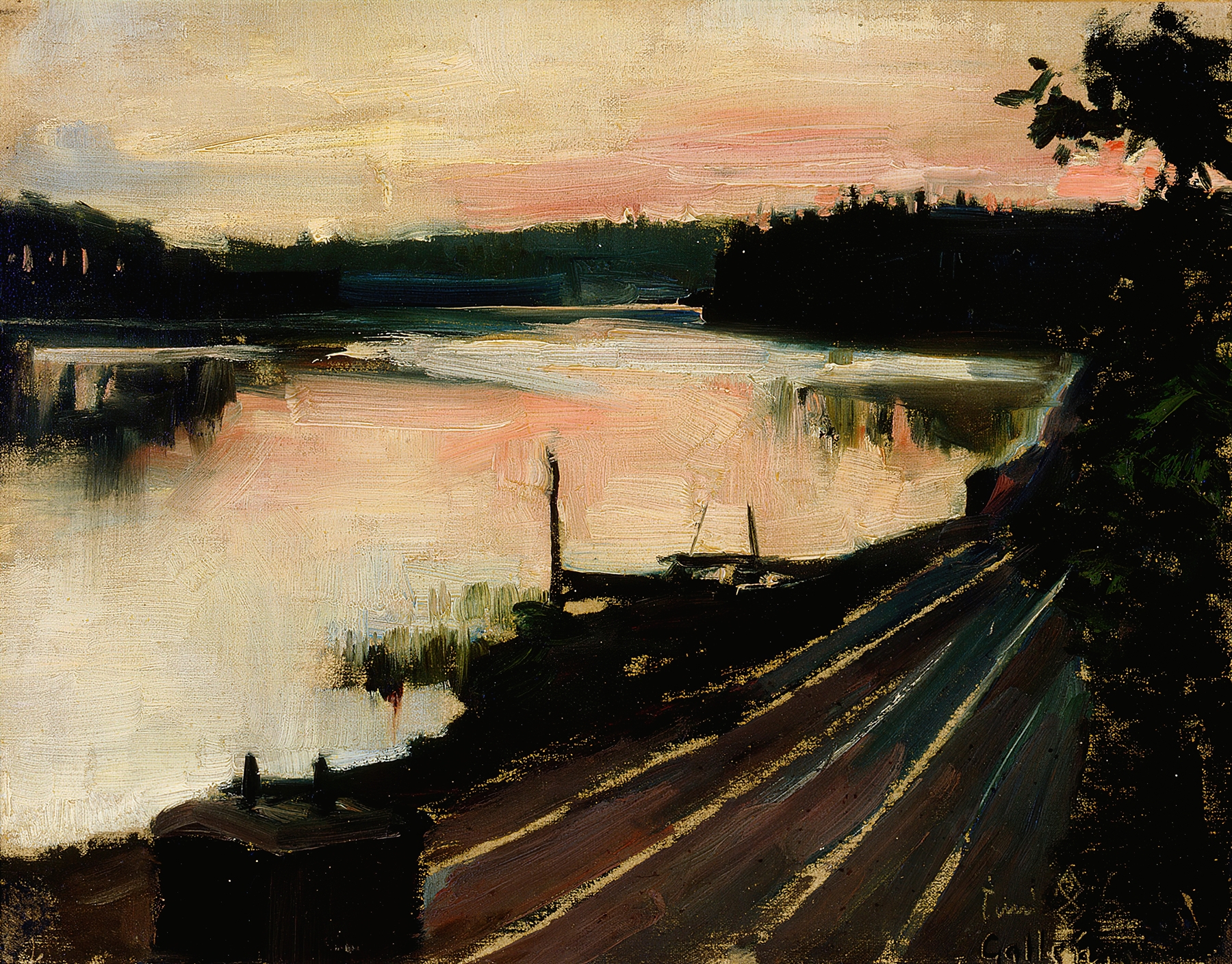
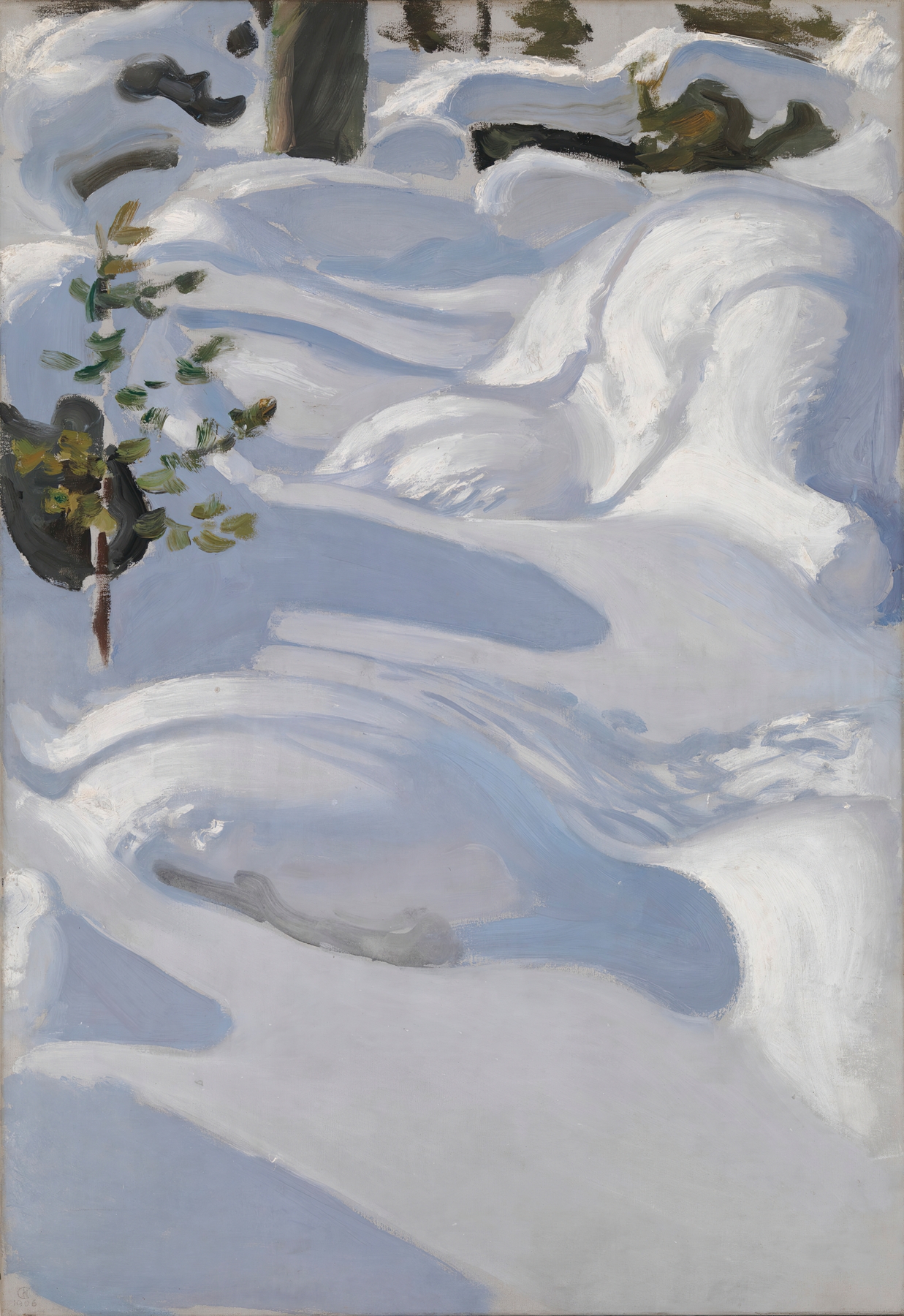
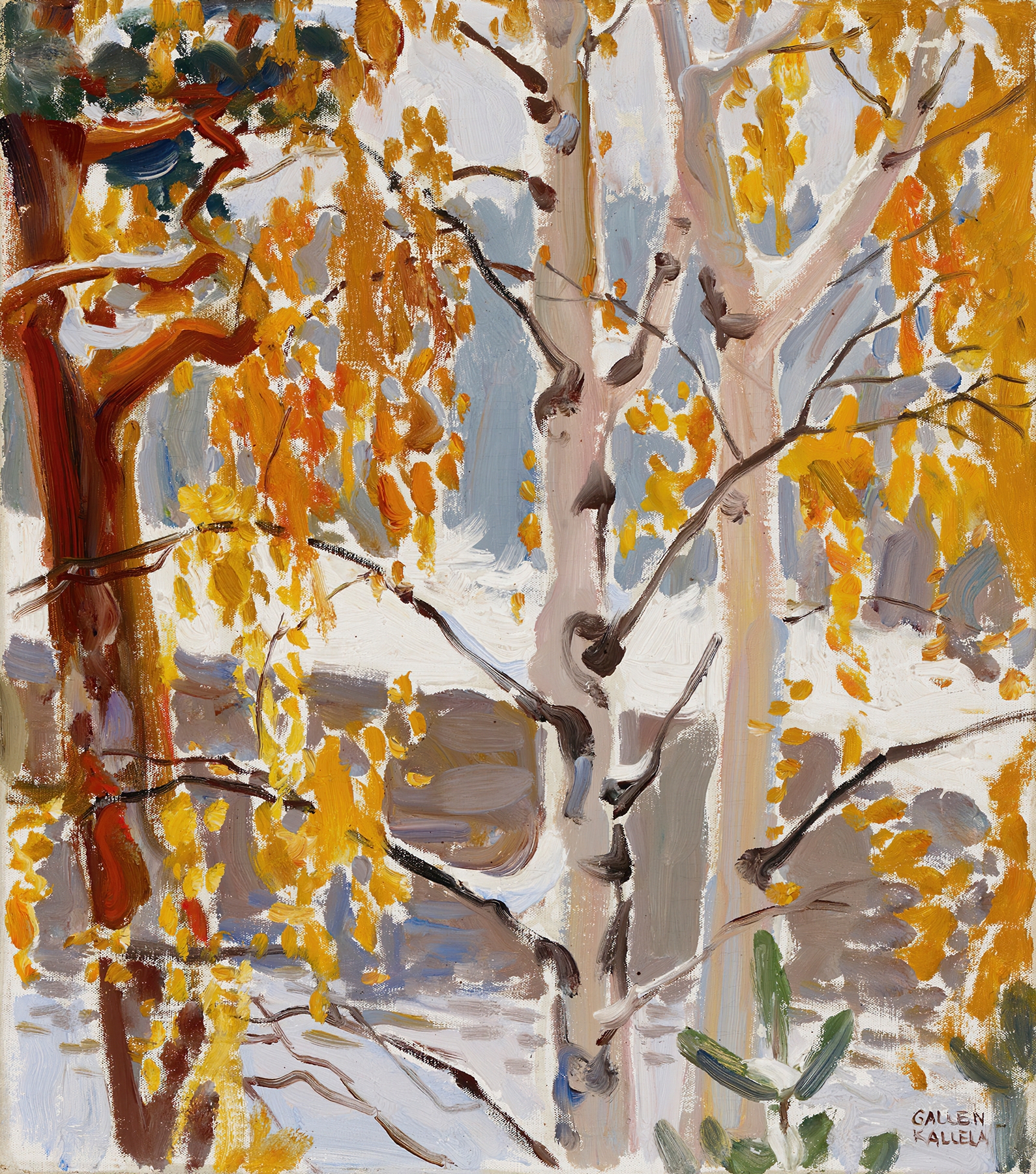
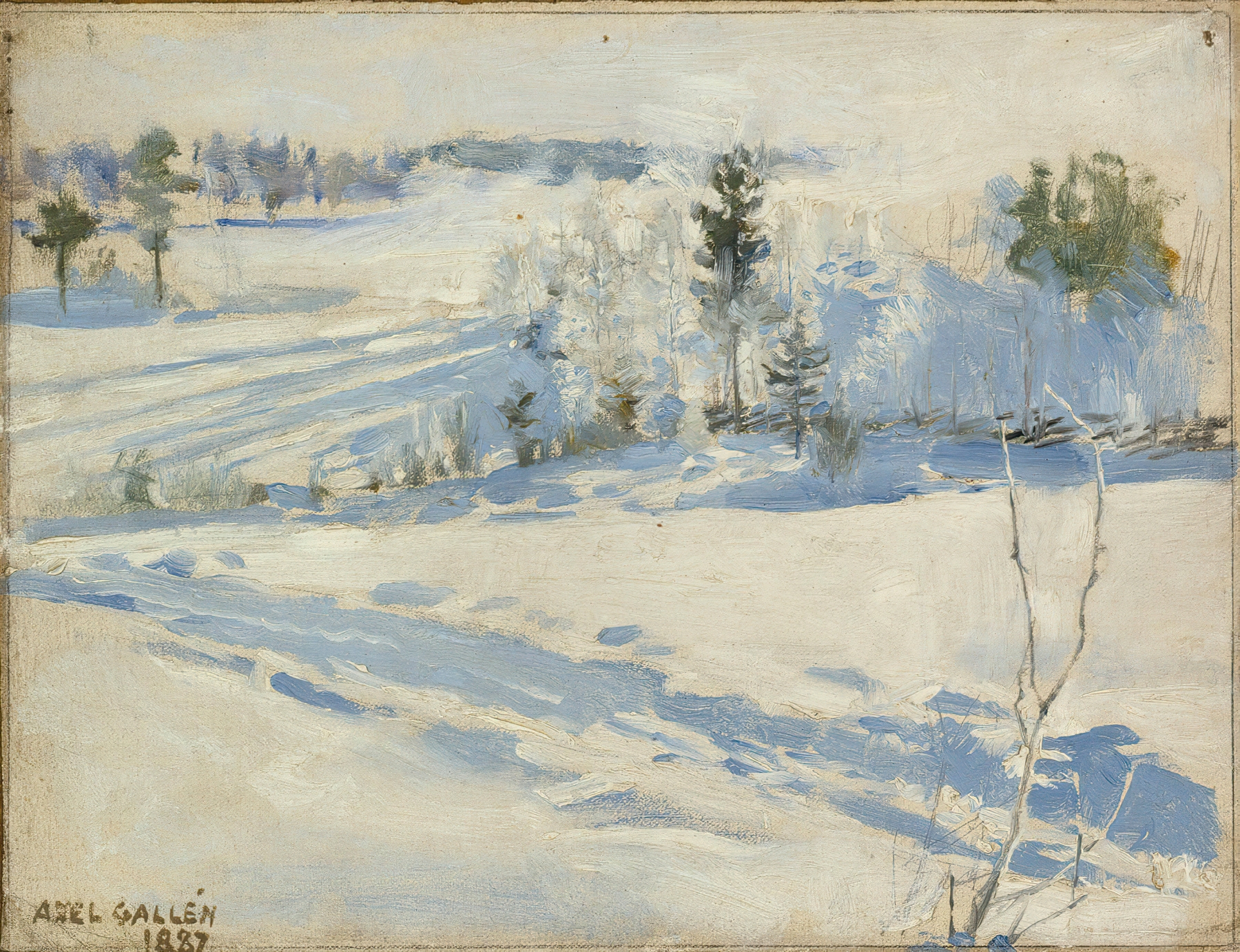
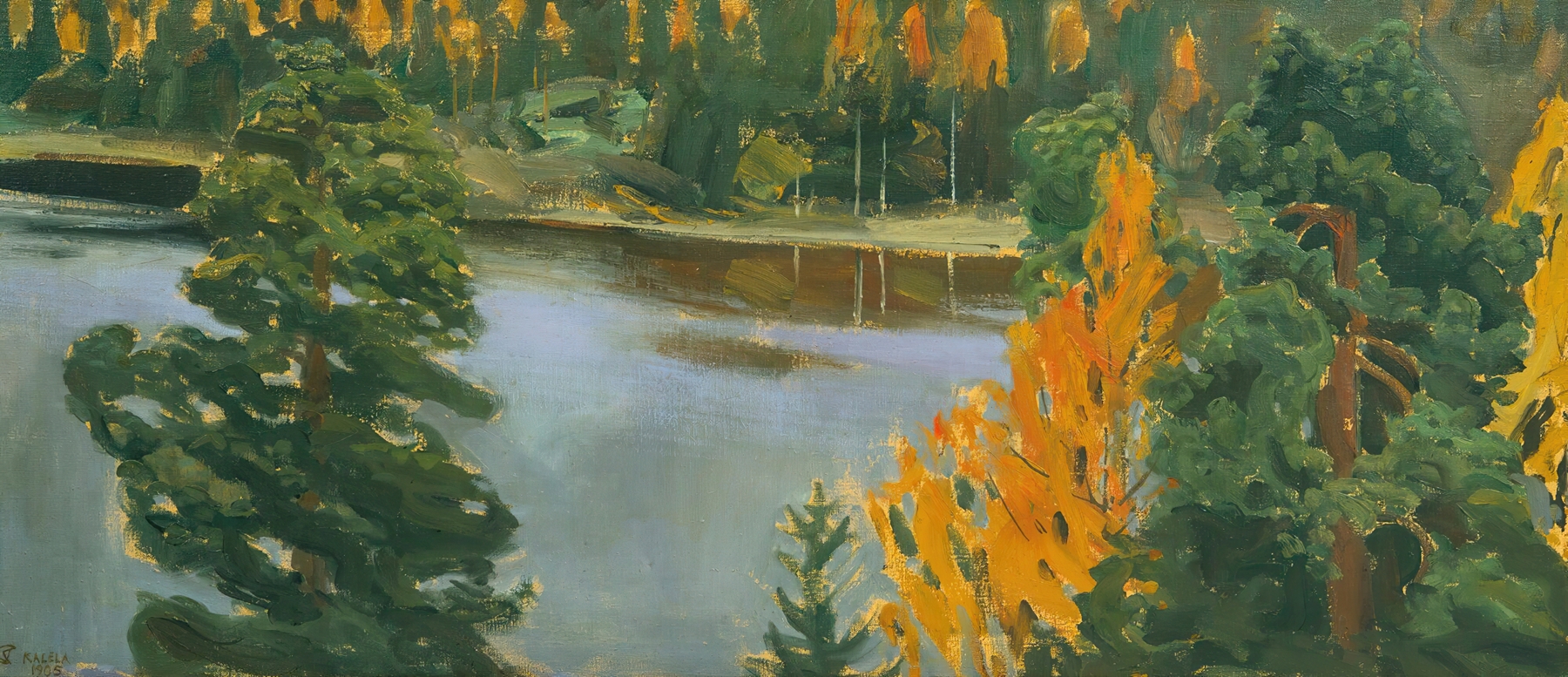
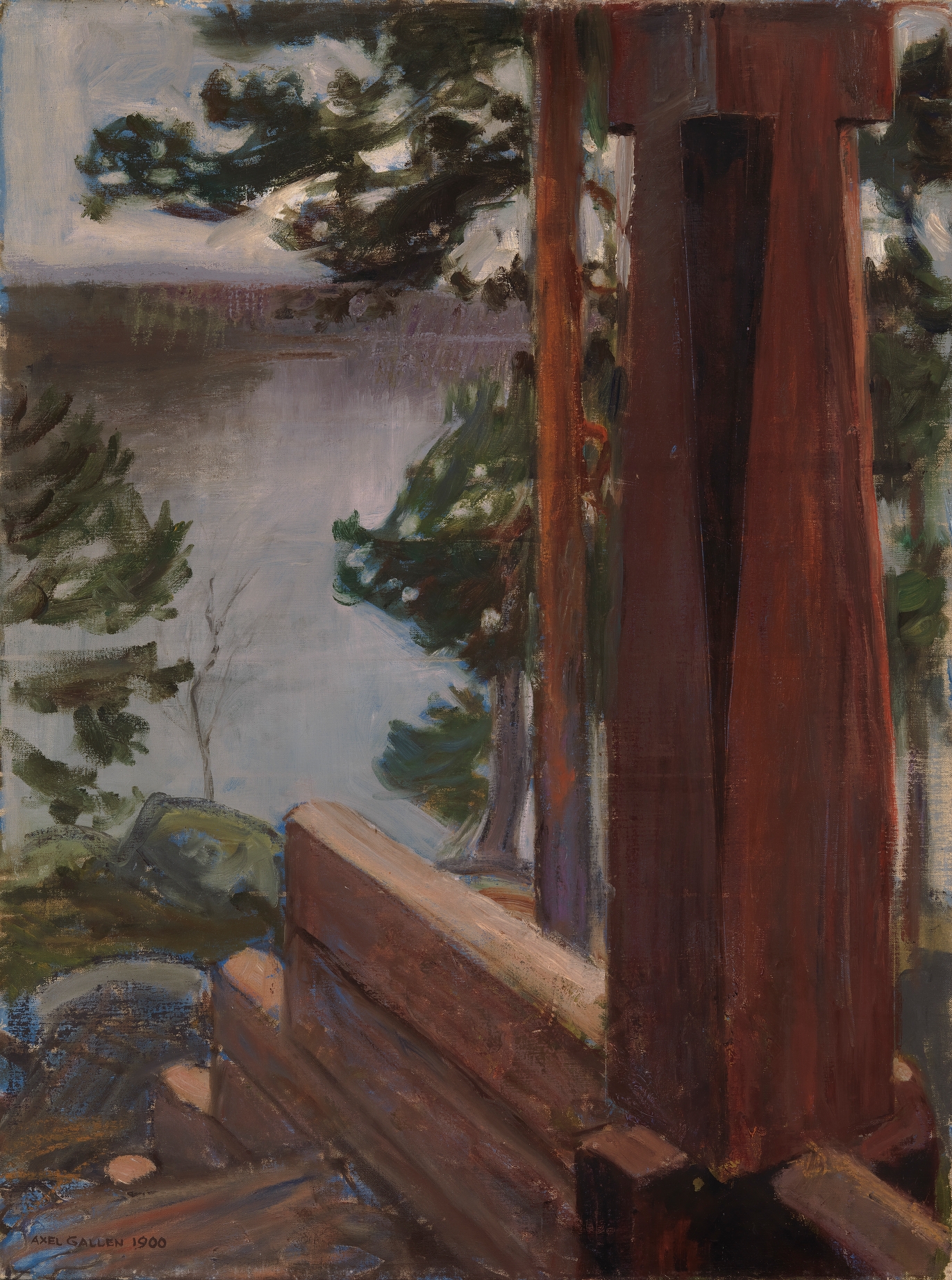
Could beauty survive in a century of chaos? Akseli Gallen-Kallela’s Tana River beckons us to ponder this profound question, immersing us in a world where vibrant color dances with the shadows of history. Look closely at the rich hues that saturate the canvas — brilliant blues and greens weave together like whispered secrets beneath the surface of the water. Notice how Gallen-Kallela employs swirling brushstrokes to create a rhythmic flow, guiding your gaze from the shimmering river to the rugged, textured banks that cradle it.
The interplay of light reflects the sun’s warmth, suggesting a moment suspended in time, an invitation to pause and breathe in the scenery. Yet, there’s an underlying tension, a contrast between the lively colors and the ruggedness of the landscape, hinting at the struggle between nature’s serenity and humanity’s tumultuous existence. The serene surface of the river obscures the depths beneath — a metaphor for the hidden complexities of life during a time of upheaval. This juxtaposition calls to mind questions of resilience and the fleeting nature of beauty, echoing the tumult of the early 20th century.
In 1909, Gallen-Kallela painted this piece in Finland, a period marked by national awakening and cultural renaissance. As the world faced rapid industrialization and political upheaval, the artist sought refuge in the Finnish wilderness, channeling his surroundings into works that celebrated nature's unyielding spirit. This painting stands as a testament to both his artistic journey and the broader societal transformation of his time.