Tappan 2 — History & Analysis
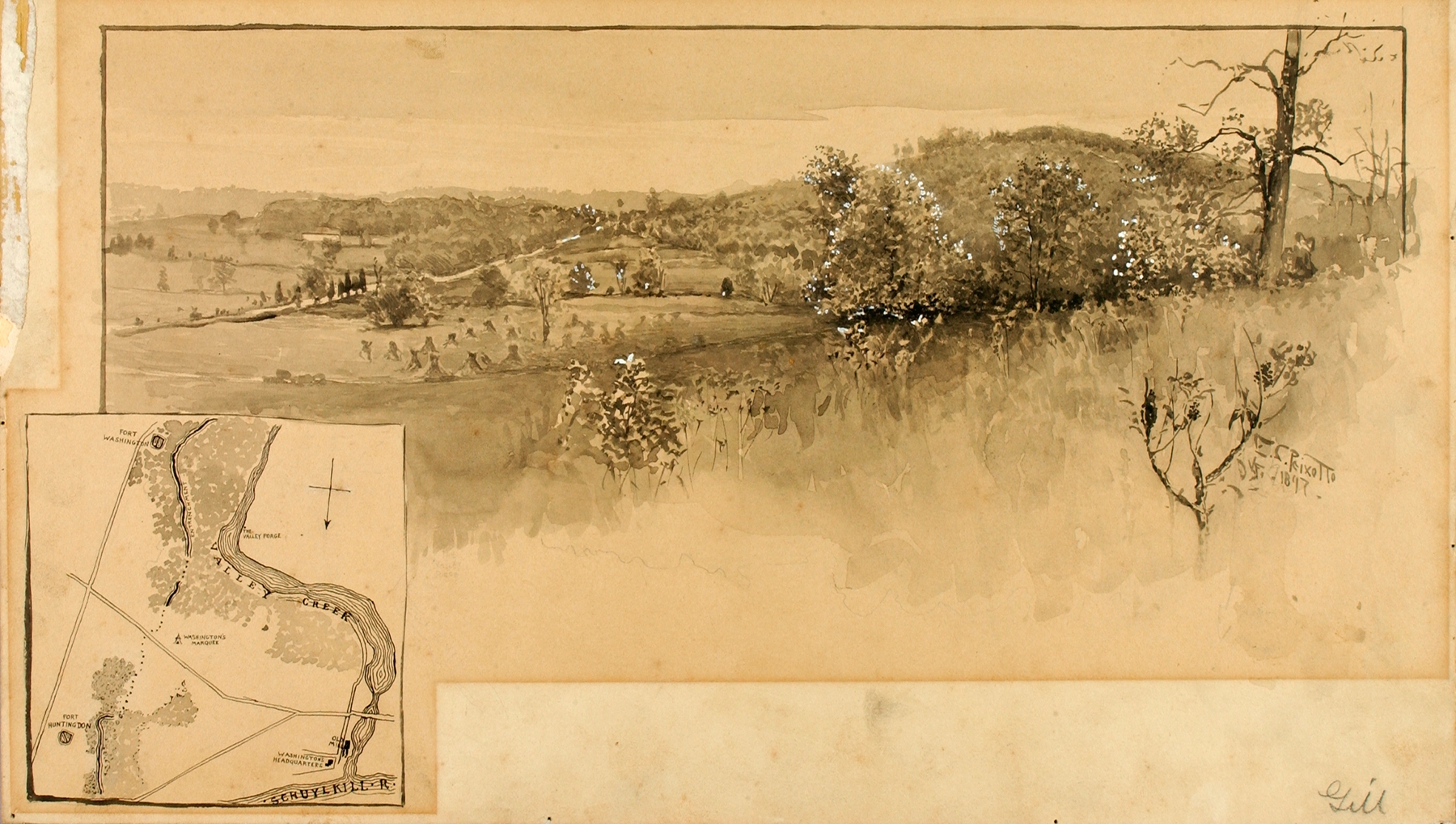
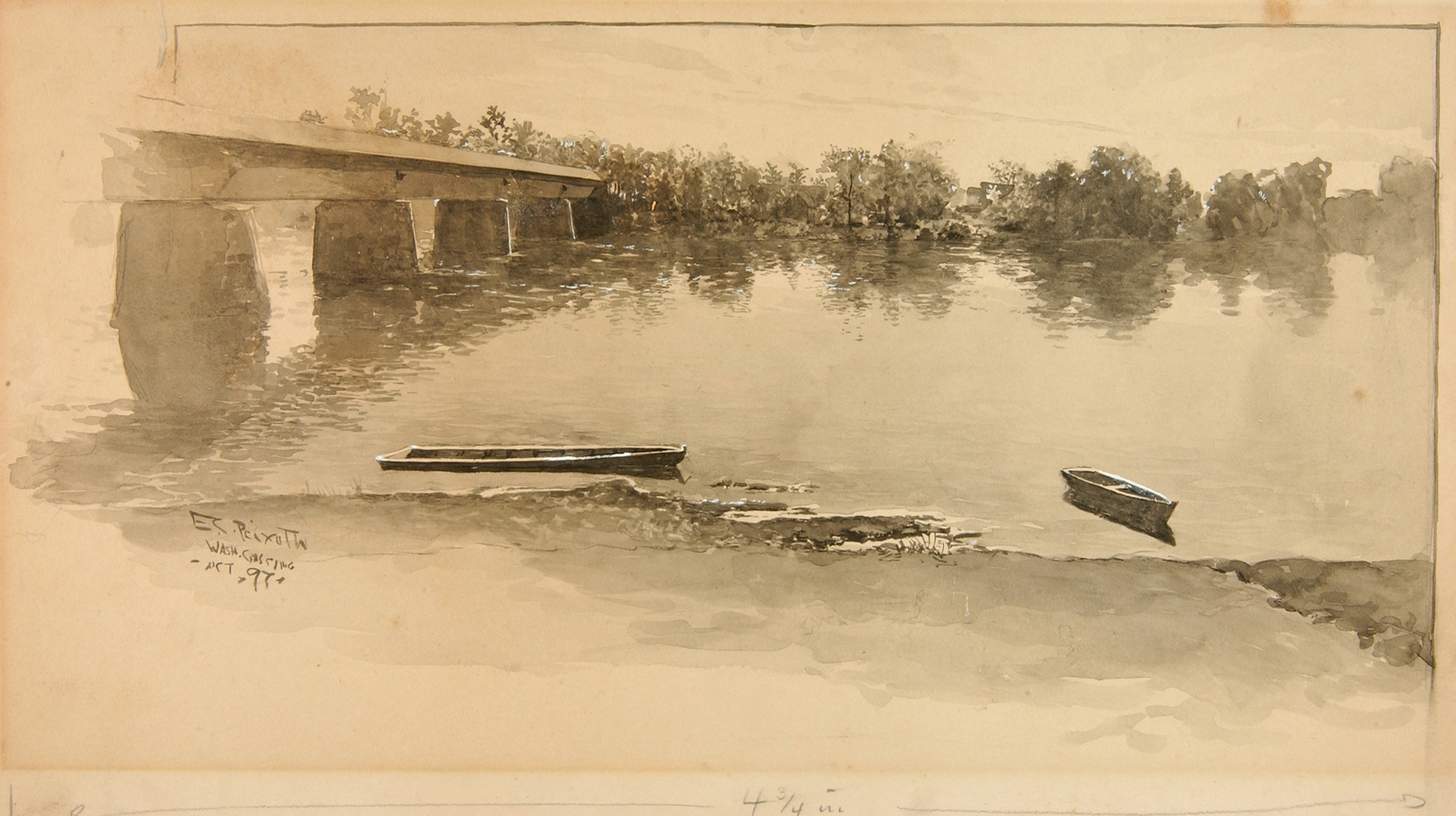
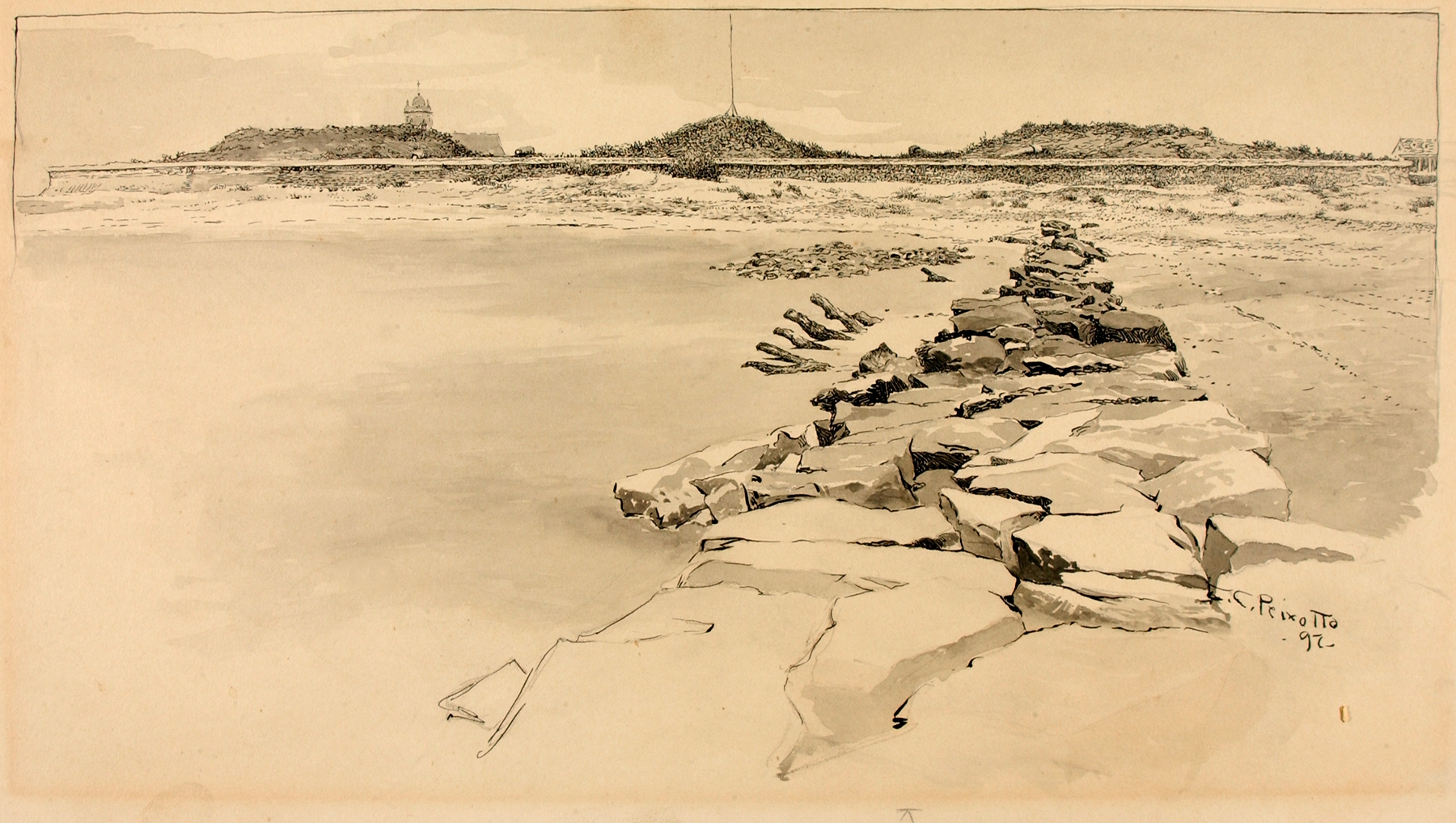
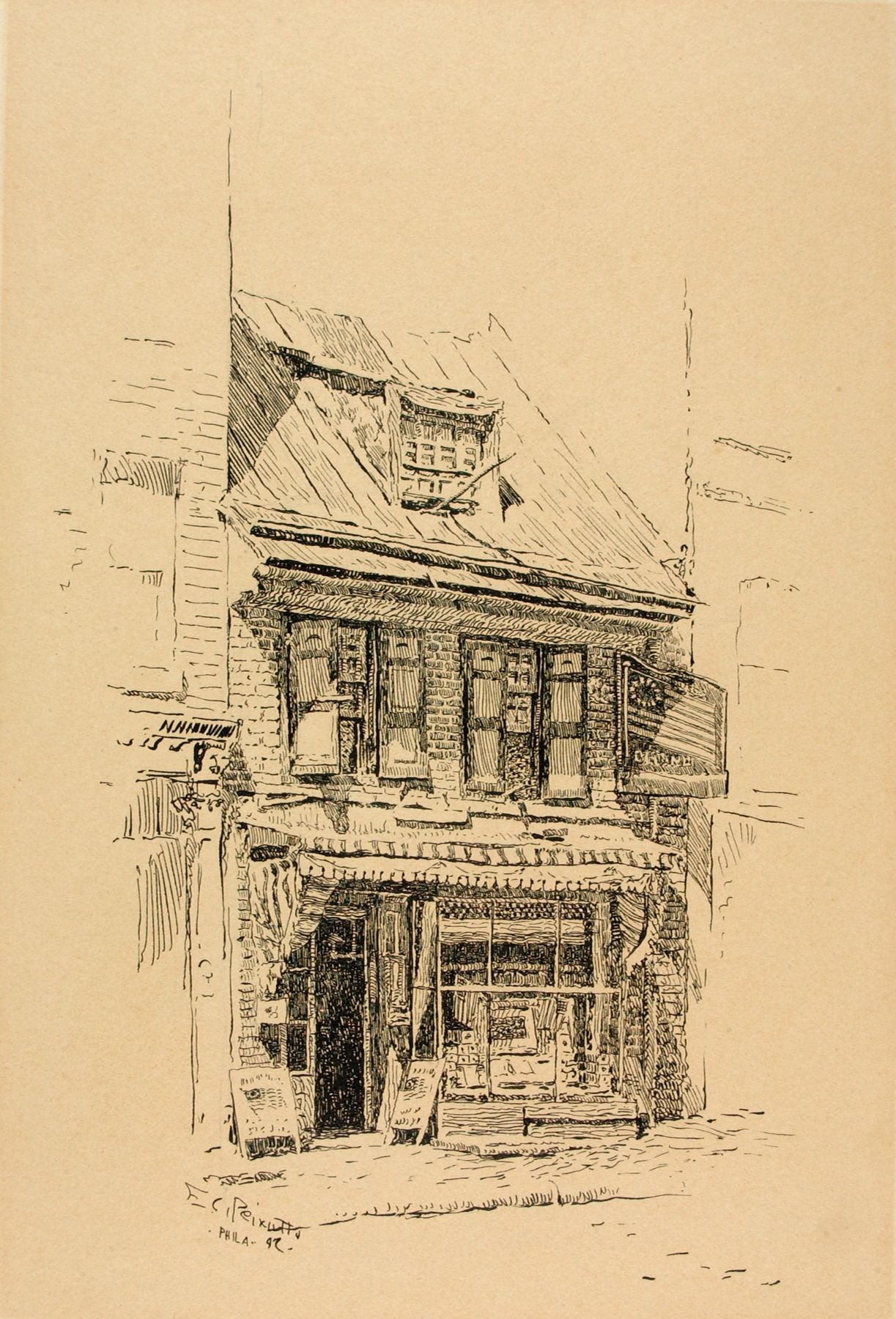
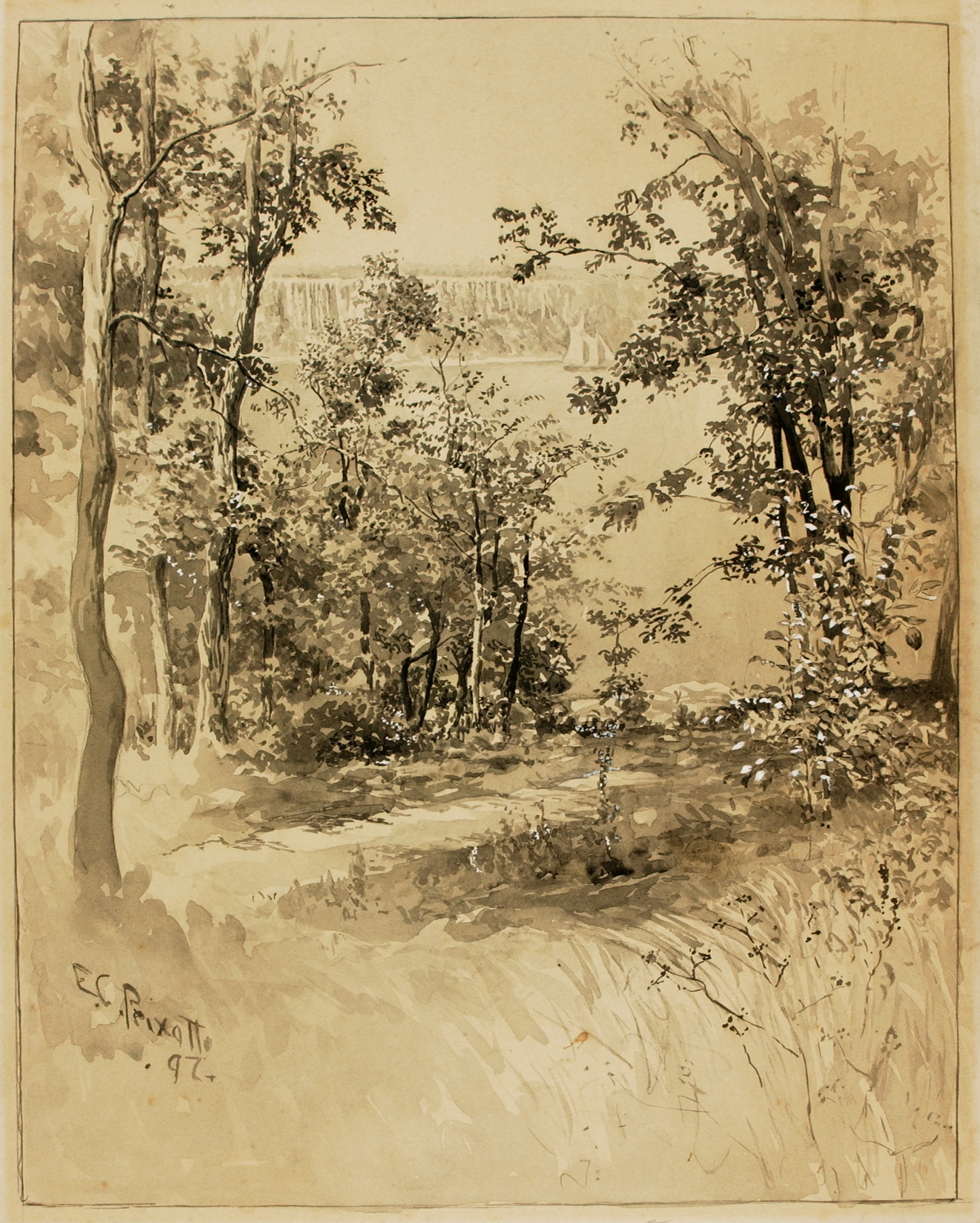
“The canvas doesn’t lie — it simply waits.” In the quiet embrace of nostalgia, memories linger like shadows, touching the essence of who we are. There is a profound beauty in reflecting upon the past, a delicate dance between longing and acceptance that resonates deeply within the human spirit. Look to the center of Tappan 2, where soft hues of blue and green intertwine, suggesting a serene landscape that beckons the viewer’s gaze. Notice how Peixotto employs gentle brushstrokes, creating a sense of movement in the foliage, while the distant mountains stand resolute, bathed in a golden light that appears to spill from the evening sky.
The composition draws you inward, inviting you to lose yourself in its tranquil depths, where form and color coalesce in a harmonious embrace. As you explore further, subtle details emerge: a solitary figure in the foreground, perhaps lost in thought, embodies the weight of nostalgia. The gentle curves of the land contrast with the starkness of the mountains, evoking feelings of both comfort and solitude. There’s a poignant stillness in the air, a reminder of fleeting moments that slip through our fingers like grains of sand.
This emotional tension resonates, capturing the bittersweet nature of reminiscence, where joy and sorrow intertwine seamlessly. In 1898, Peixotto was immersed in the vibrant art scene of California, reflecting on the landscape around him amid a burgeoning interest in Impressionism. His personal journey, marked by a desire to capture the ephemeral quality of light, shaped this piece during a time when artists sought to express deeper emotional truths through their work. Tappan 2 stands as a testament to that quest, inviting viewers into a world of contemplation and quietude.