Teich am Abend — History & Analysis
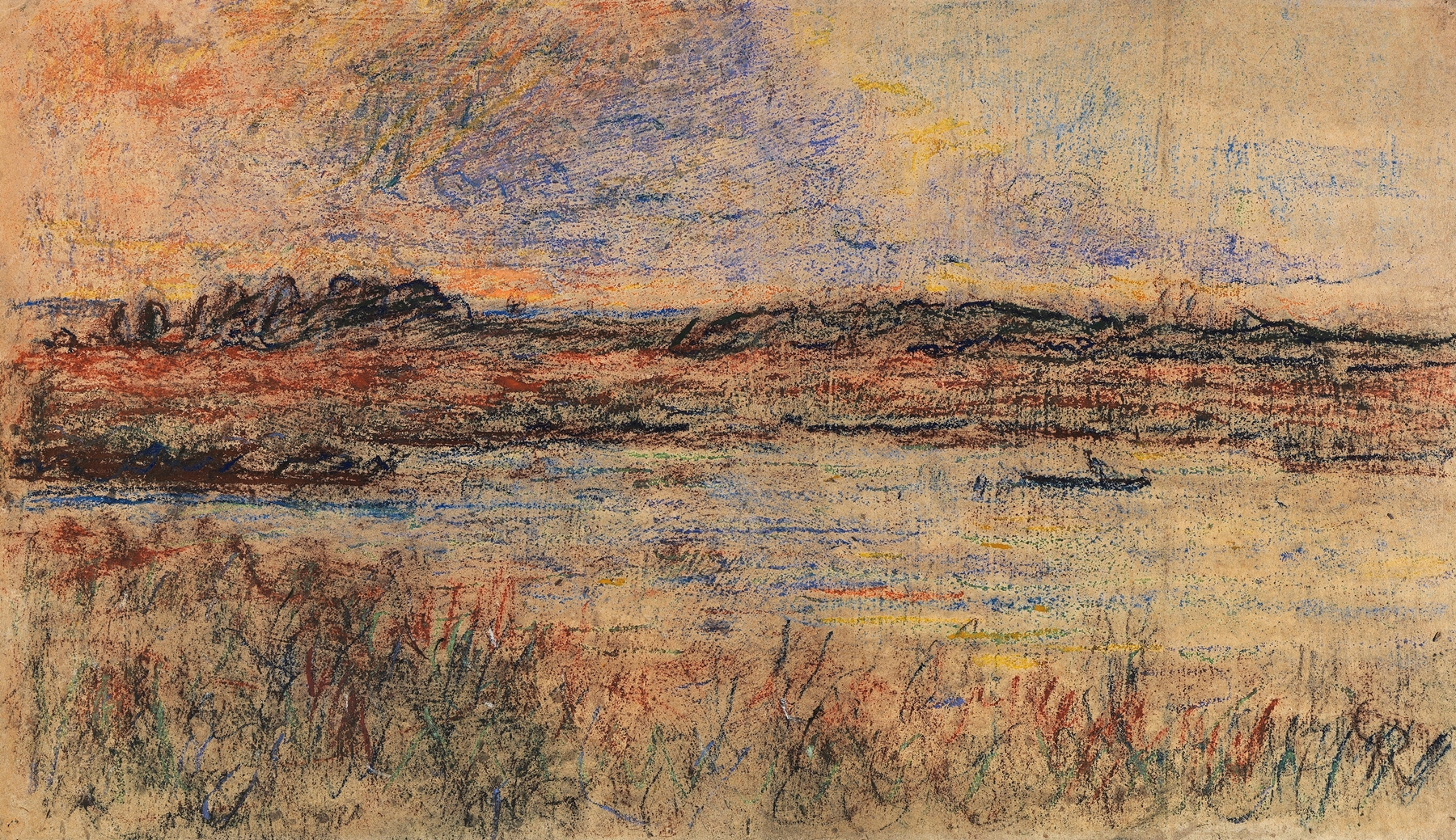
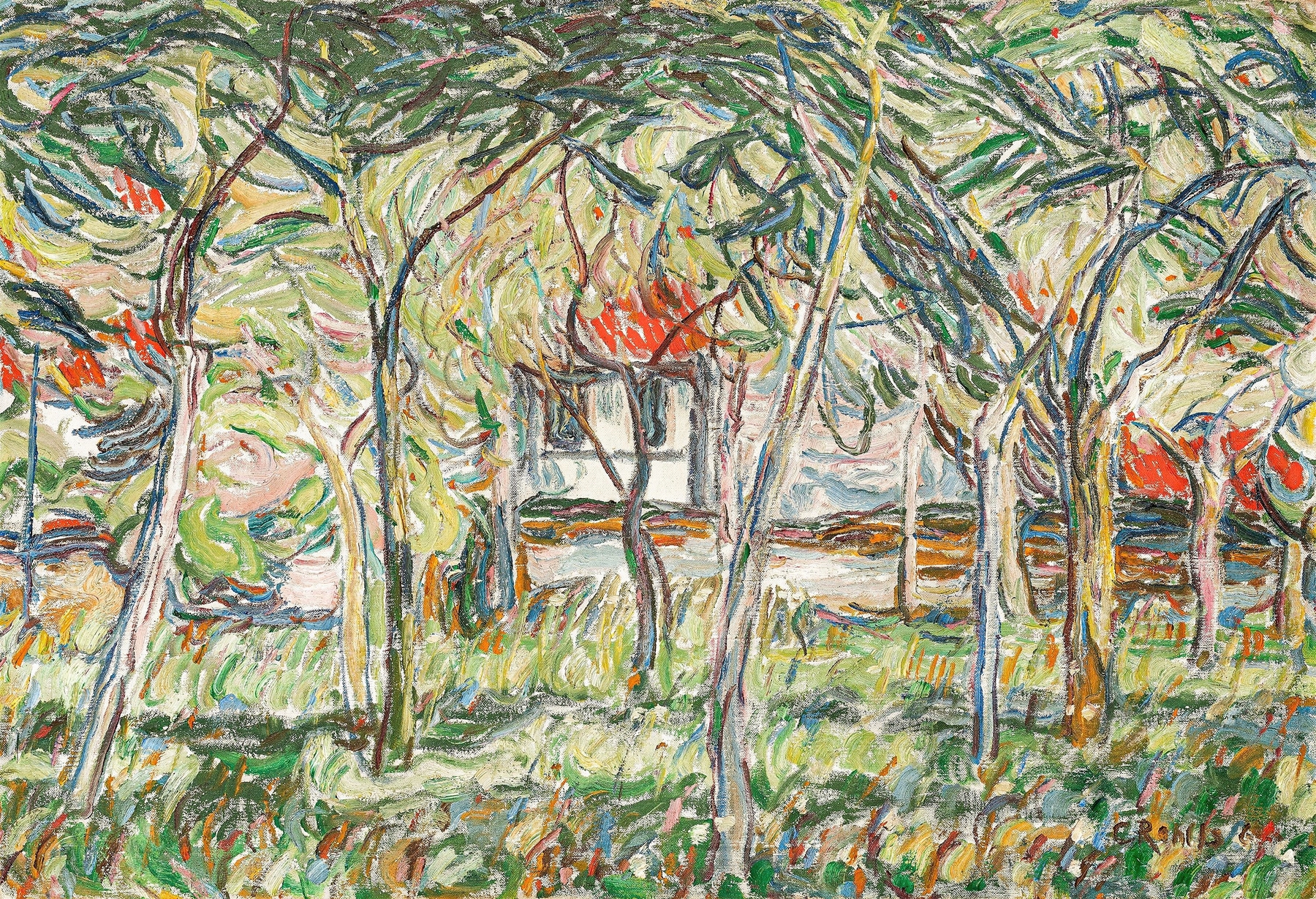
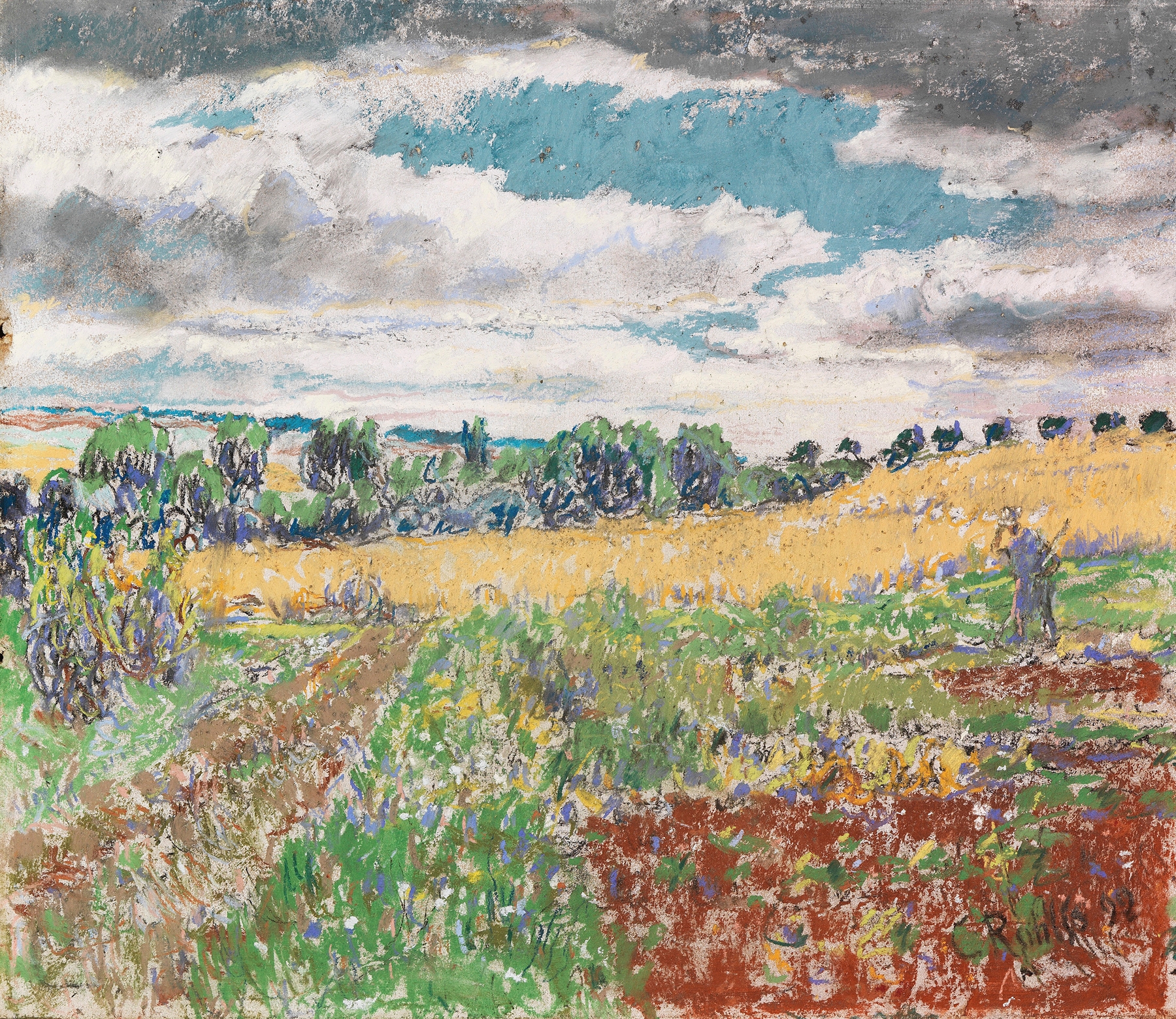
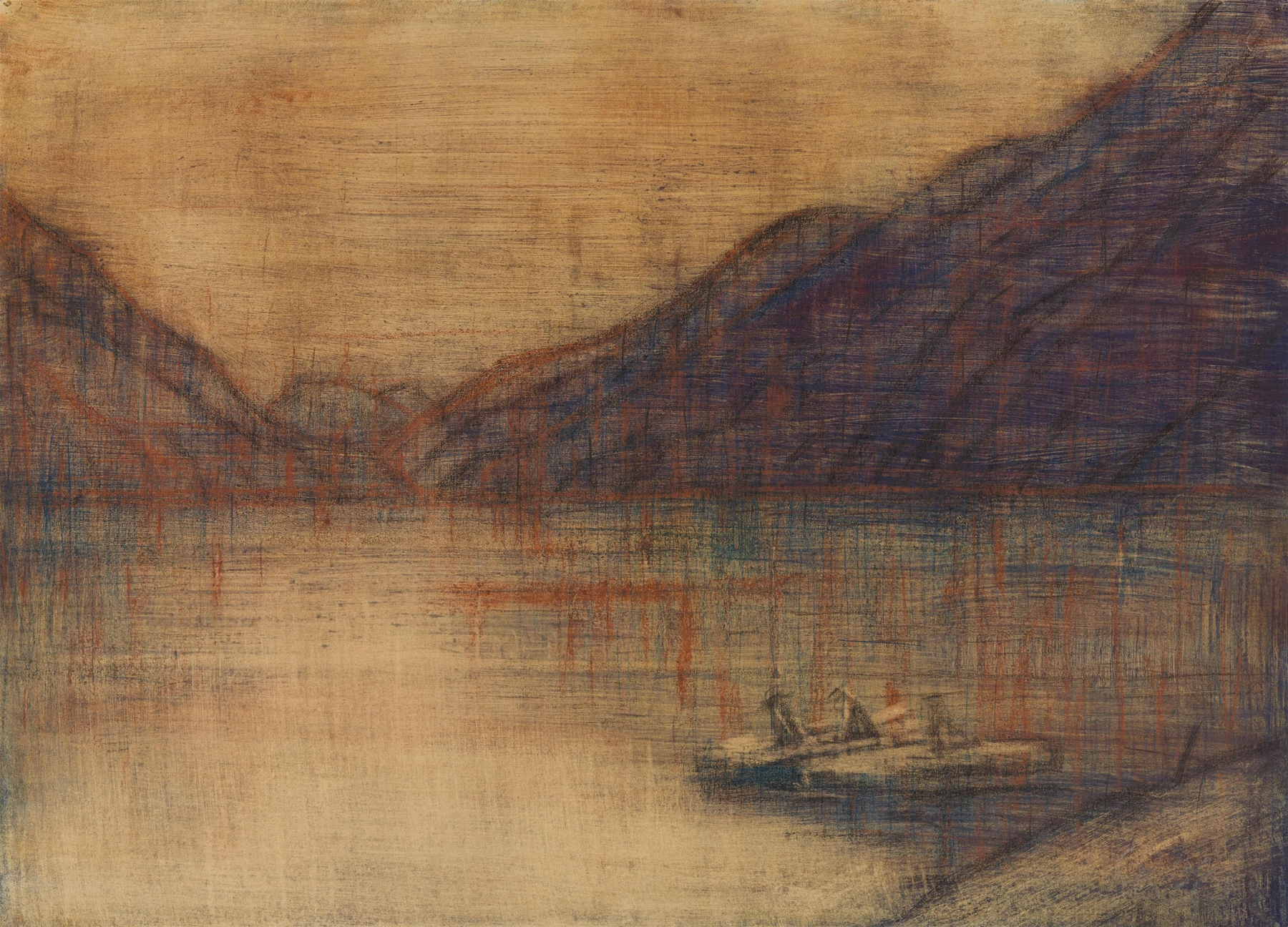
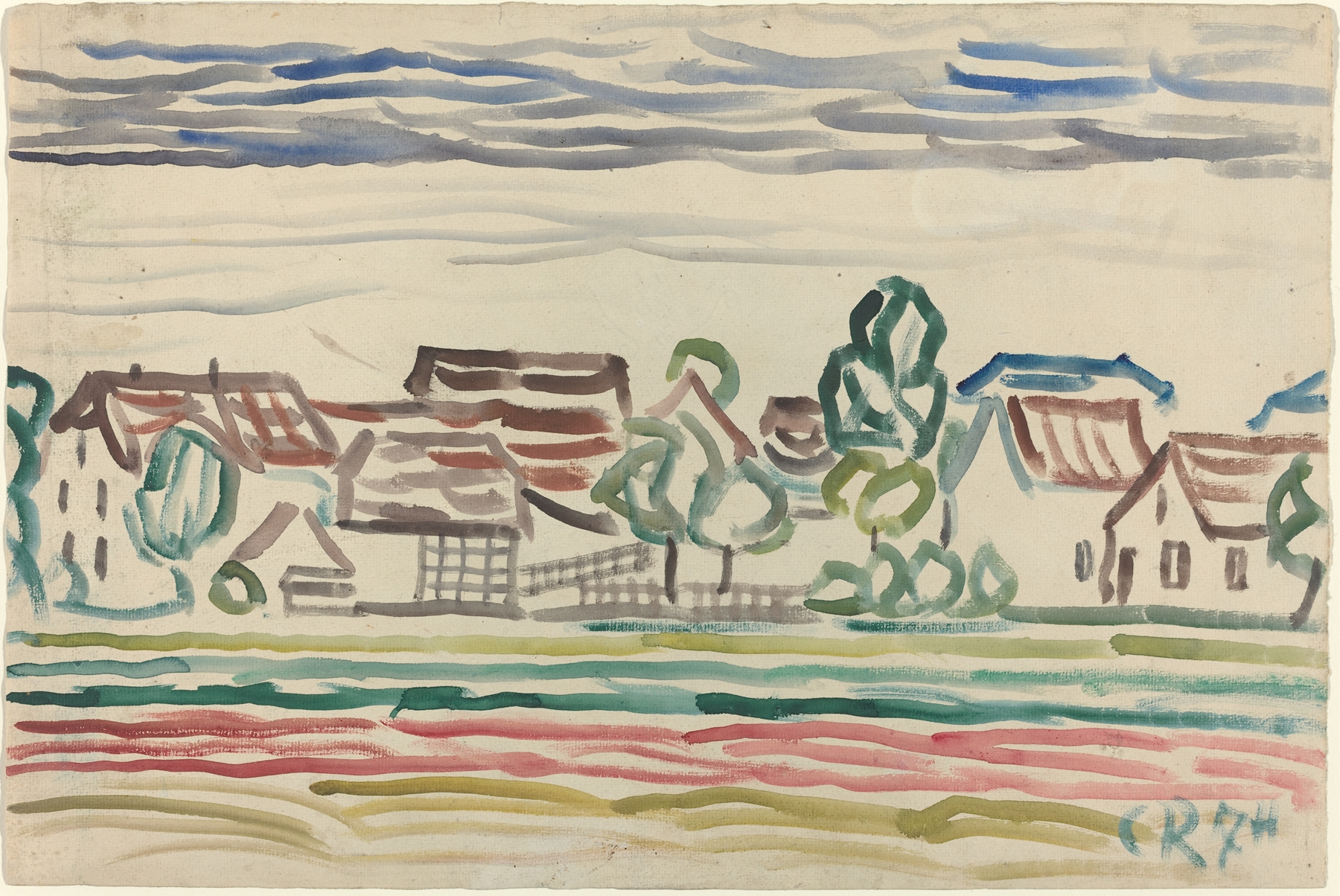
Did the painter know this moment would outlive them? The transformation of dusk into night, a fleeting spectacle where light meets shadow, evokes an eternal dance captured with deliberate strokes, waiting to be pondered long after the artist's hand has stilled. Focus on the horizon, where muted hues of orange and deepening blue converge into a tranquil lake, reflecting the last whispers of daylight. The water’s surface shimmers with a palette of soft pastels, creating a seamless transition from the vibrancy of day to the calm of twilight.
Notice how the gentle brushwork flows with the contours of the landscape, inviting the viewer’s gaze to wander along the serene banks lined with trees, their silhouettes softened by the encroaching night. The juxtaposition of the dynamic sky against the placid water suggests transformation, a metaphor for change that resonates deeply. Each stroke embodies the tension between light and shadow, evoking feelings of both tranquility and impending darkness. The stillness of the water mirrors the artist's own contemplations about mortality and the impermanence of beauty, encapsulating a moment that is at once ephemeral and everlasting.
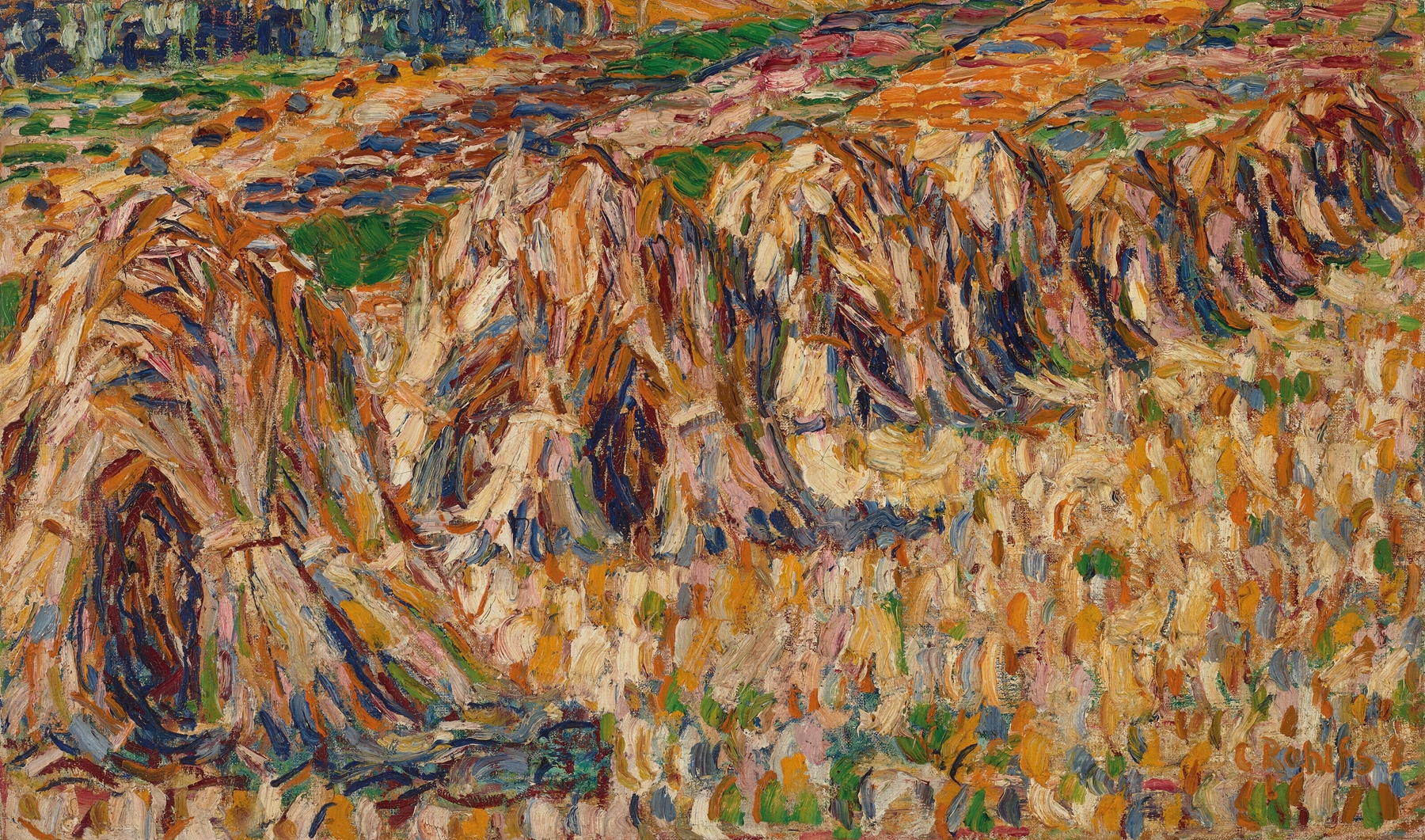
In 1896, Teich am Abend emerged from the mind of Christian Rohlfs during a period of personal and artistic evolution. Living in Germany, he was influenced by Impressionism and the burgeoning expressionist movements, reflecting on the emotional resonance of nature. This painting symbolizes not only a moment in time but also the transformation of Rohlfs’s artistic vision, bridging the gap between traditional representation and modern abstraction.