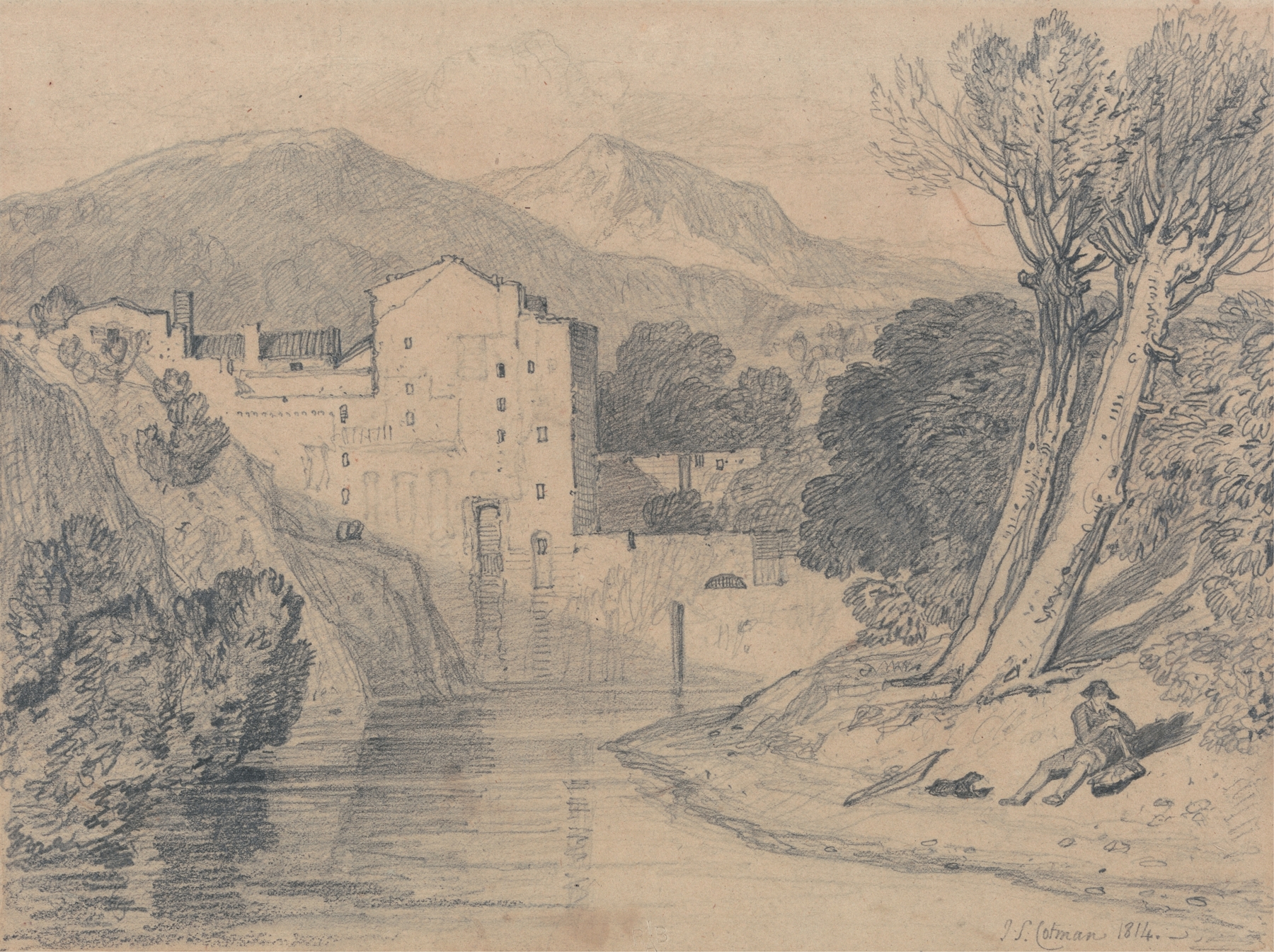
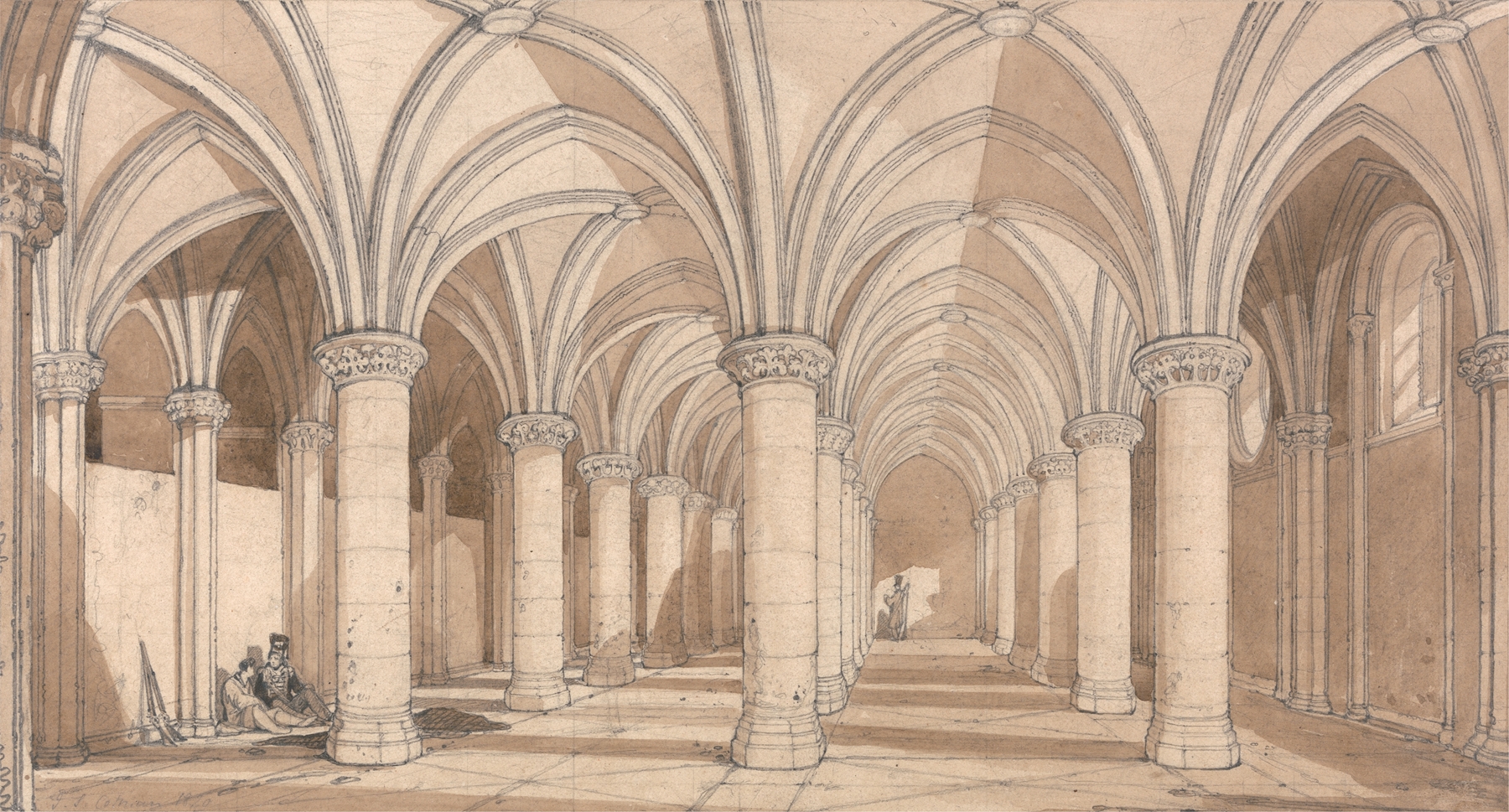
The Abbatial House, Abbey of St. Ouen, Rouen — History & Analysis
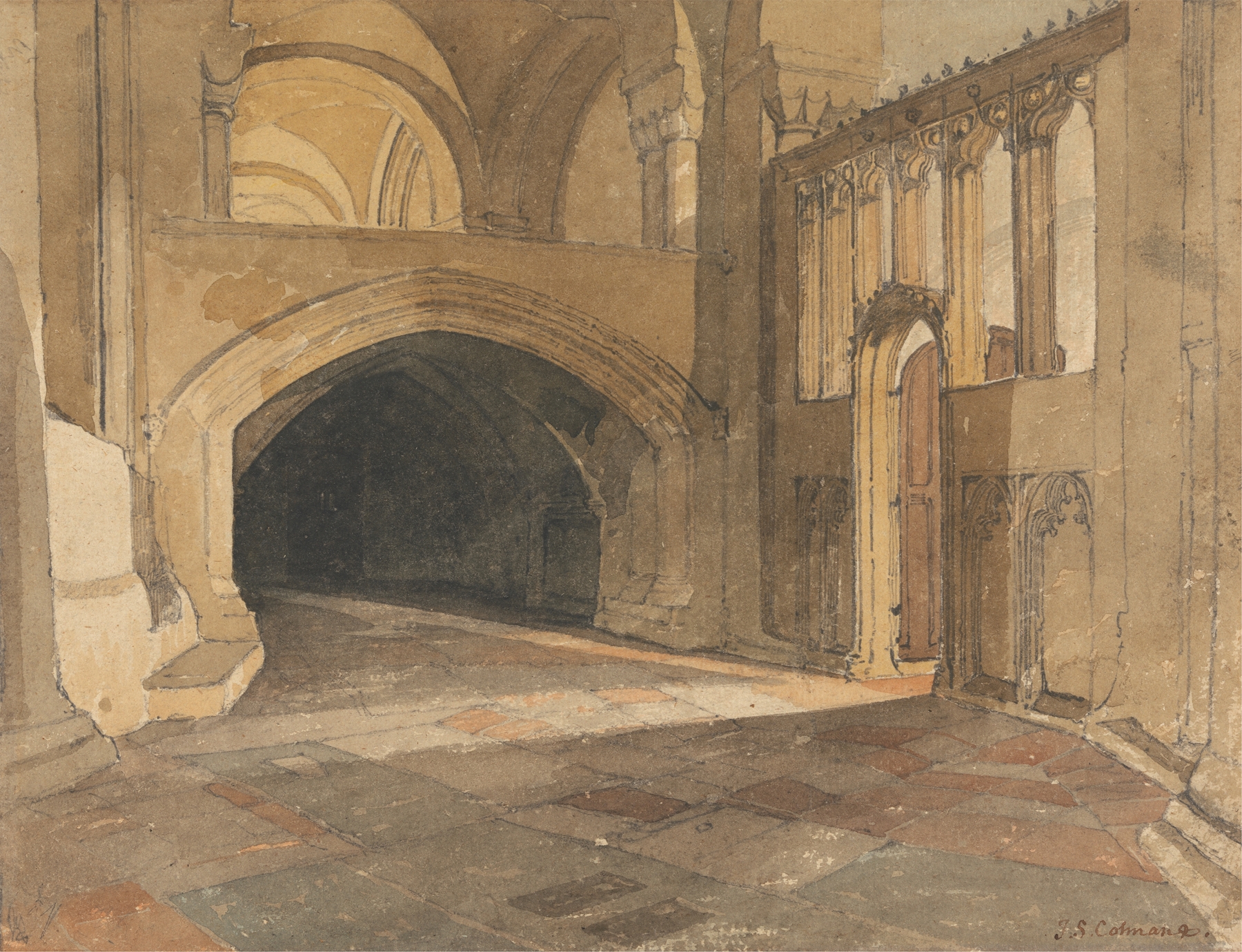
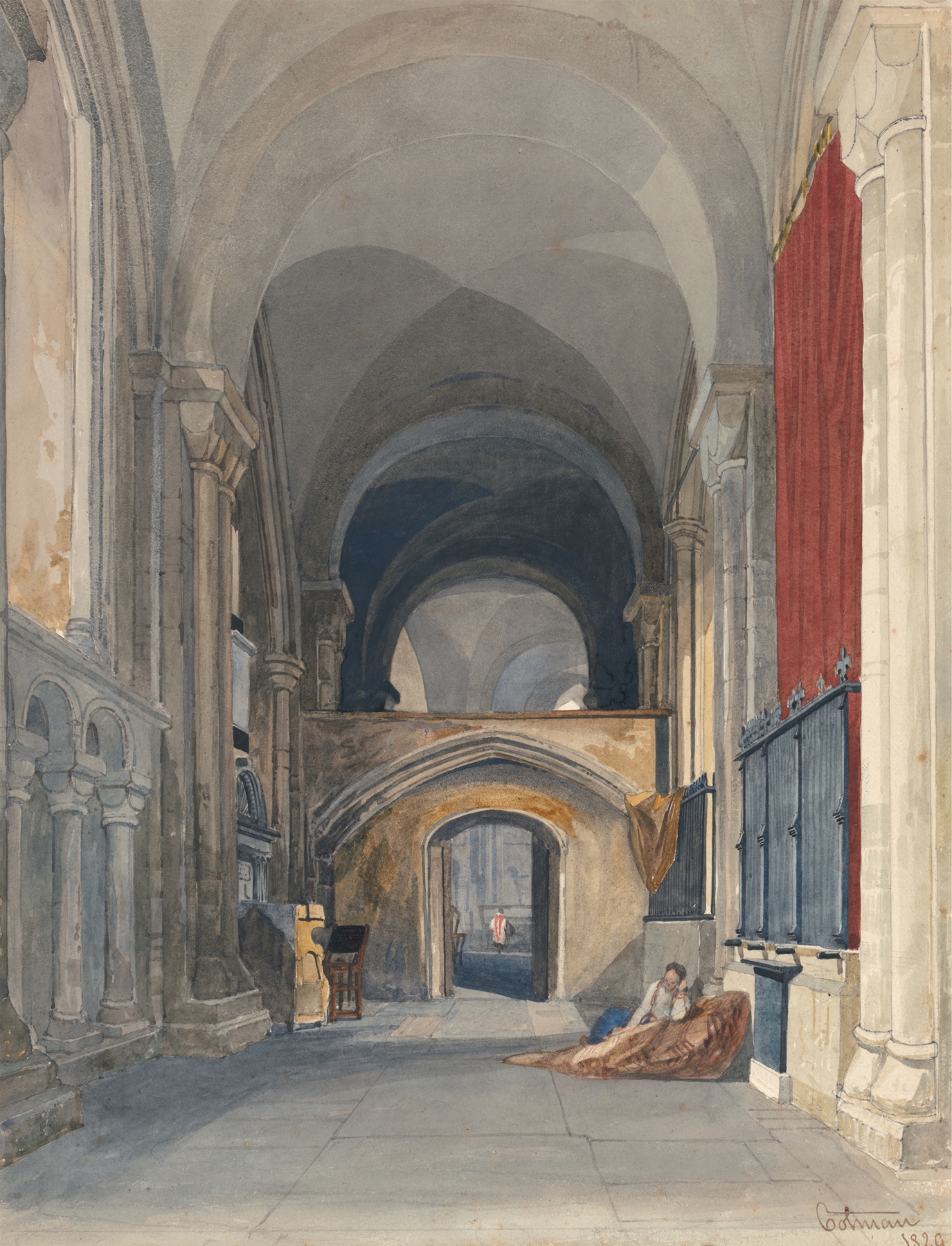
Could a single brushstroke hold eternity? In The Abbatial House, Abbey of St. Ouen, Rouen, a world of muted hues and intricate details invites reflection on themes of time, decay, and the betrayals of history. Look to the left at the grand façade of the abbey, where intricately carved stonework emerges with quiet dignity from the canvas.
The artist employs a subtle palette of greys and greens, allowing the intricate textures of the stones to resonate with life, while the gentle play of light casts elongated shadows that suggest both reverence and weariness. As your gaze drifts across the composition, the interplay of light and shadow reveals layers of history and emotion embedded in the structure itself. At first glance, the painting exudes serenity, yet a deeper exploration unearths a tension between stability and decay. The looming presence of the abbey stands as a testament to resilience against the ravages of time, yet the soft edges and muted colors evoke a sense of loss—a betrayal of its former glory.
One can almost hear whispers of the past echoing through the arches, suggesting that beauty can coexist with sadness, and that history often betrays the dreams of its creators. John Sell Cotman painted this work between 1824 and 1831 during a period of significant change in England and the art world. As the Romantic movement flourished, he sought to capture the essence of landscapes and architecture with a unique focus on mood and atmosphere. While the world around him was rapidly industrializing, Cotman remained fascinated by the remnants of medieval architecture, forever seeking to preserve their beauty on canvas amidst the encroaching shadows of modernity.