The Abbey Mill, Knaresborough — History & Analysis
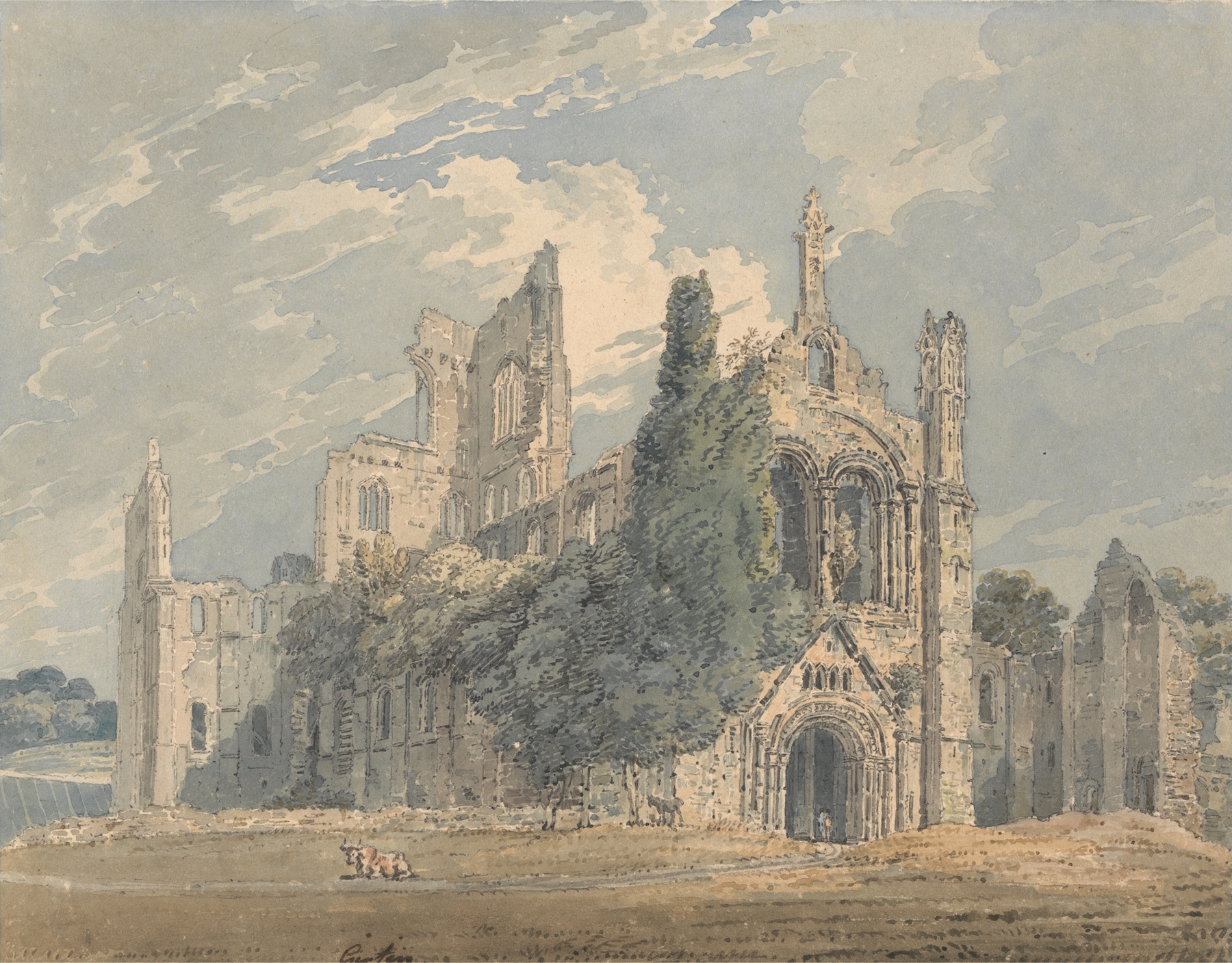
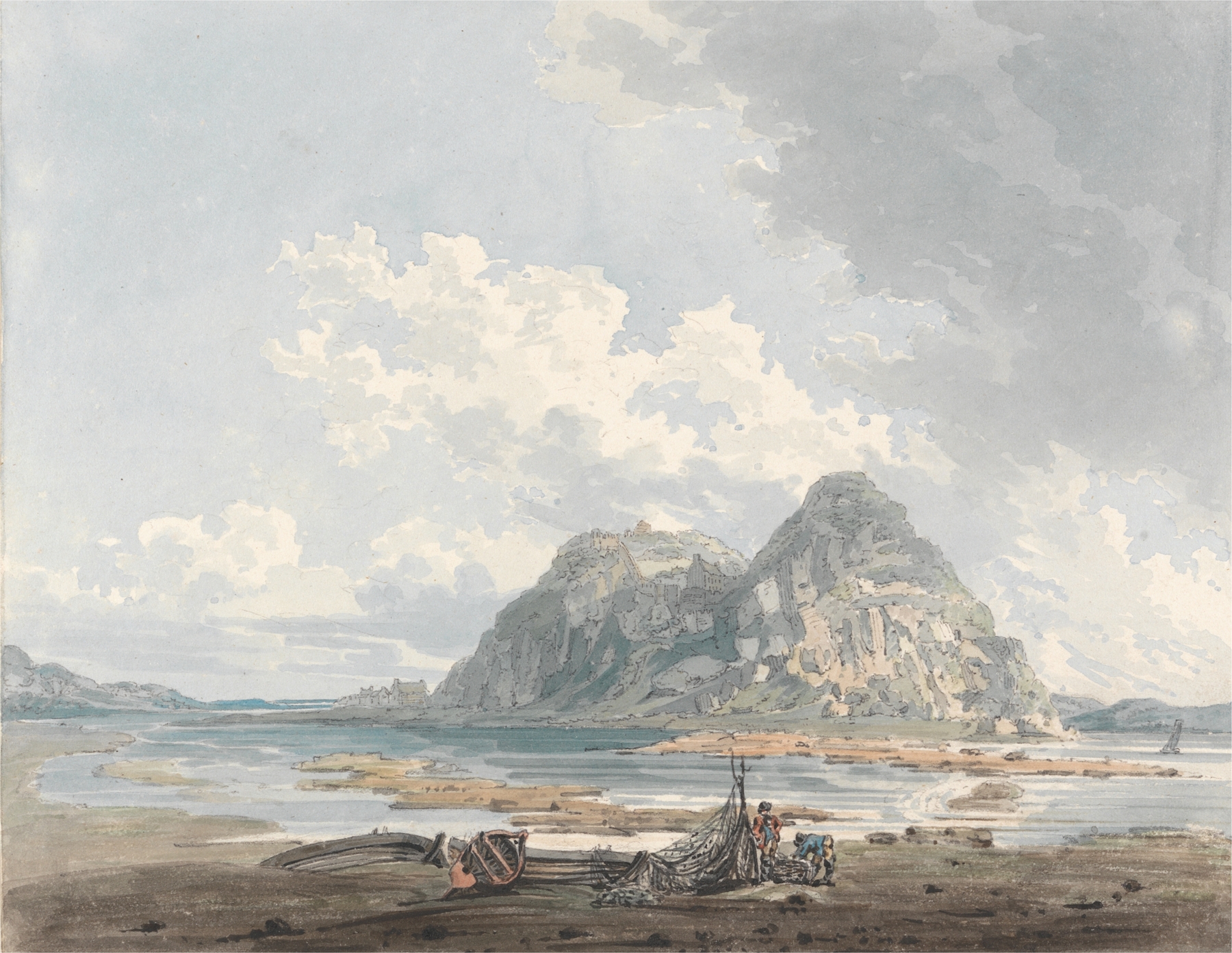
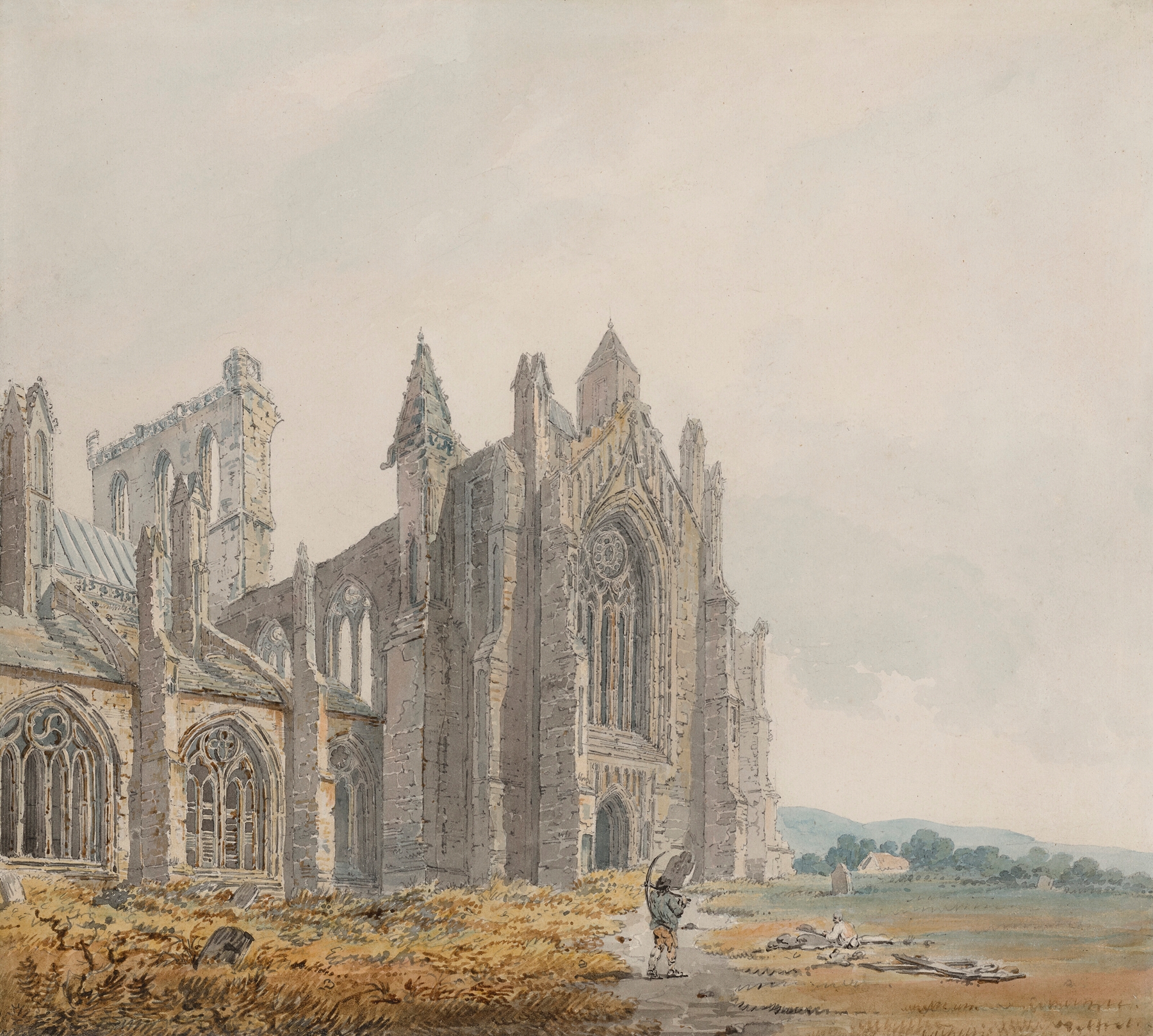
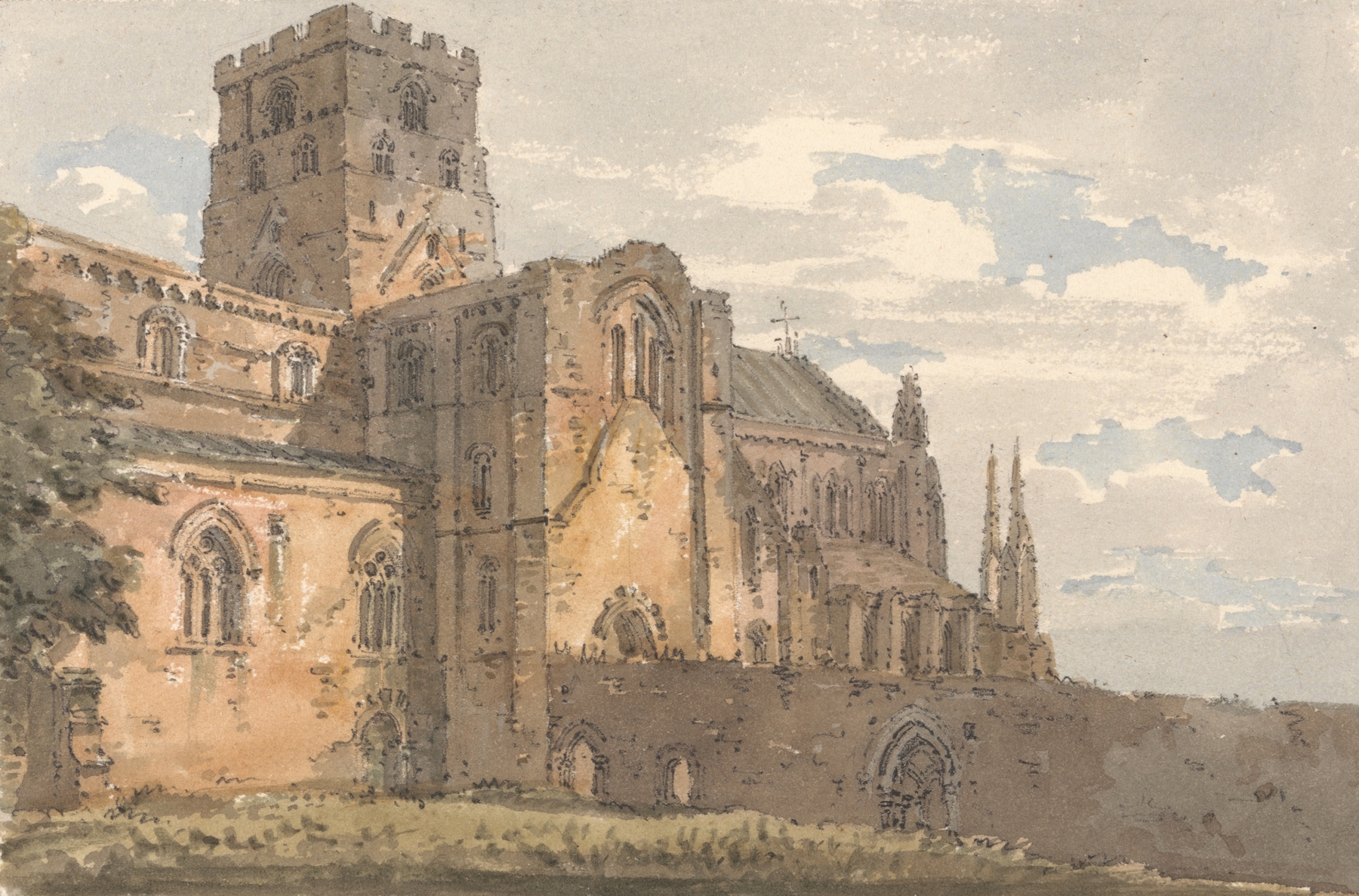
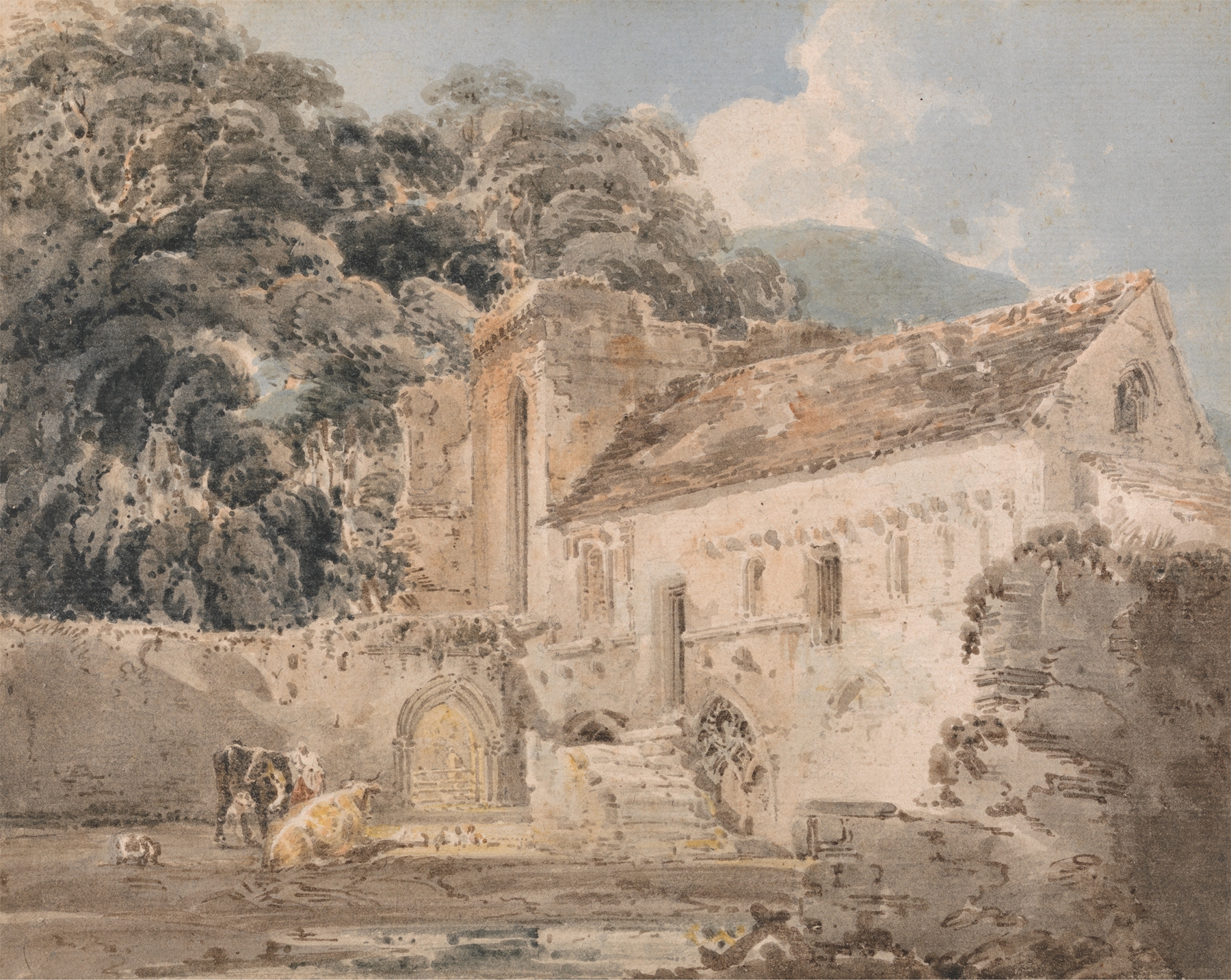
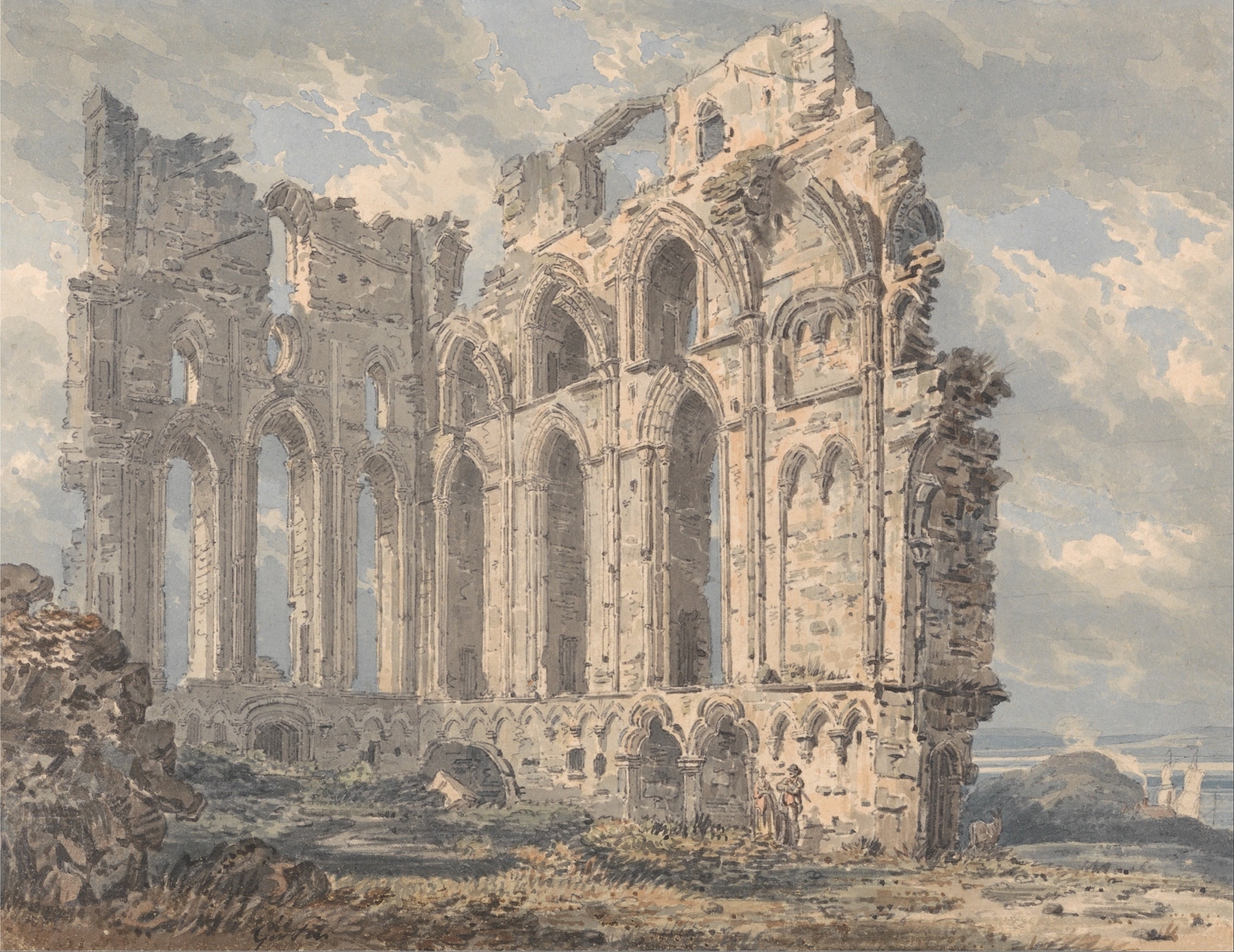
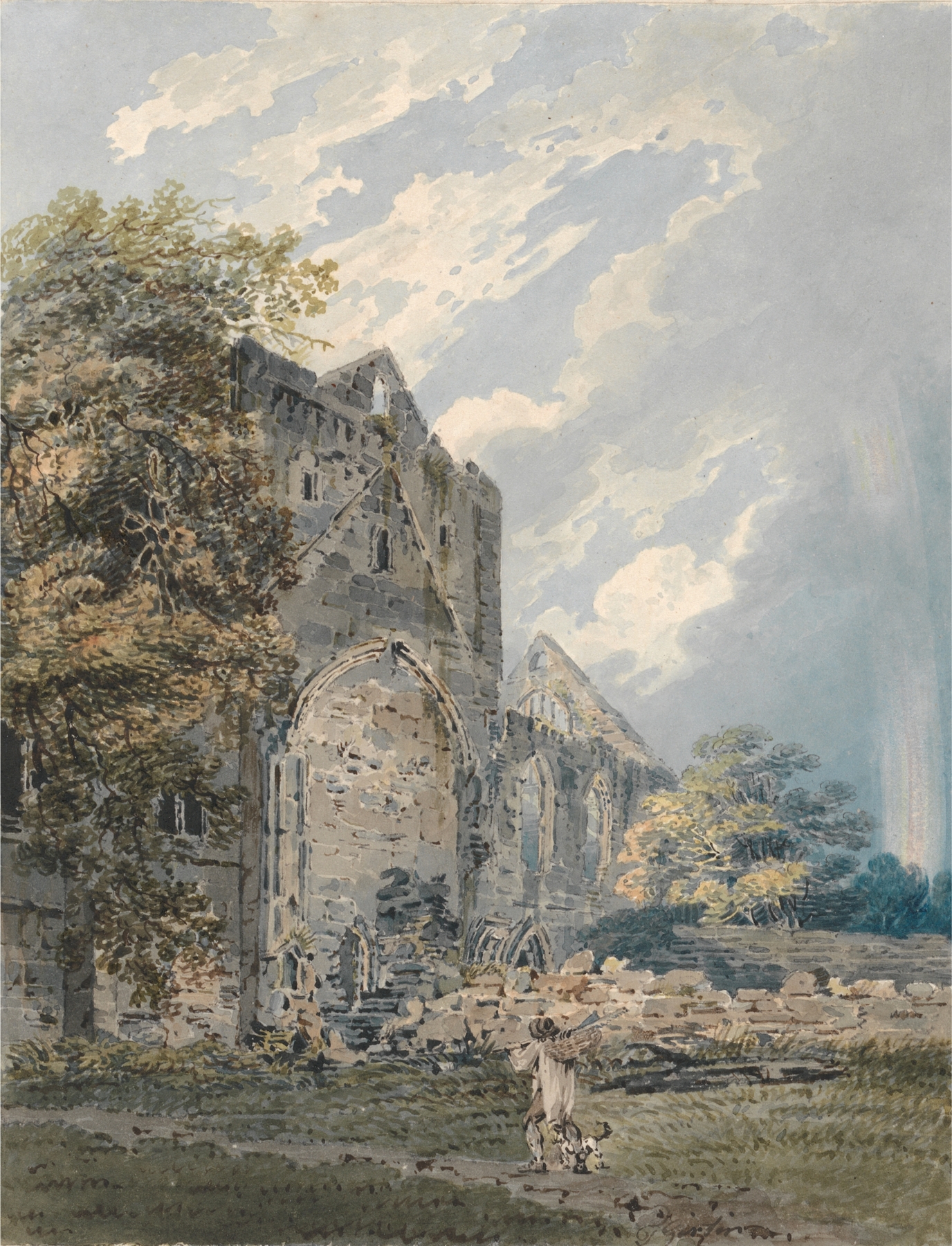
Did the painter know this moment would outlive them? In a world that rushes by, The Abbey Mill, Knaresborough captures a tranquil serenity that seems to pause time itself, inviting the viewer to linger in a space where nature and humanity harmoniously coexist. Focus on the soft, dappled light filtering through the trees, illuminating the mill's rustic silhouette against a backdrop of gentle rolling hills. The brushwork is deft yet tender, with ethereal blues and greens that dance across the canvas, drawing your gaze toward the water's reflective surface.
Notice how the mill’s sturdy form stands grounded amidst the fluidity of the flowing river, creating a juxtaposition between the permanence of human creation and the transience of nature. Hidden within the landscape lies a poignant sense of nostalgia, as the image evokes both the quiet industriousness of the mill and the surrounding calm of the countryside. The interplay of light and shadow suggests a fleeting moment where time stands still, yet the constant movement of the water serves as a reminder of life's relentless passage. The subtle details—the ripples in the water, the rustling leaves—emphasize the quietude that permeates the scene, inviting contemplation of what is ephemeral versus what remains.
Thomas Girtin painted The Abbey Mill, Knaresborough in 1801 during a period of burgeoning Romanticism in England. At the time, he was exploring the potential of watercolors in capturing the essence of the natural world, a pursuit that marked a significant moment in his artistic development. This piece reflects not only his deep appreciation for the English landscape but also the broader artistic shift towards expressing individual emotion and experience in response to nature.