The Barns — History & Analysis
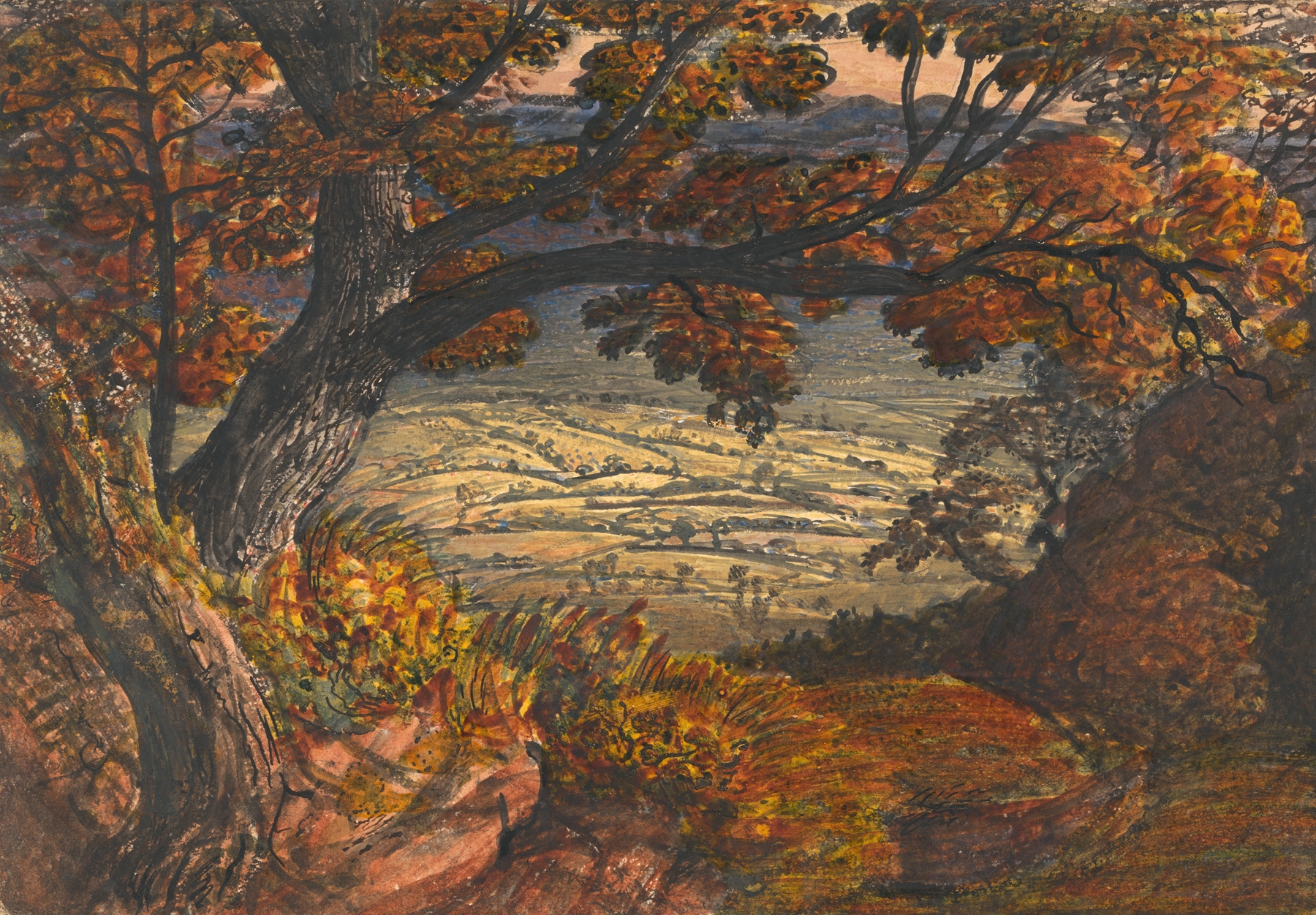
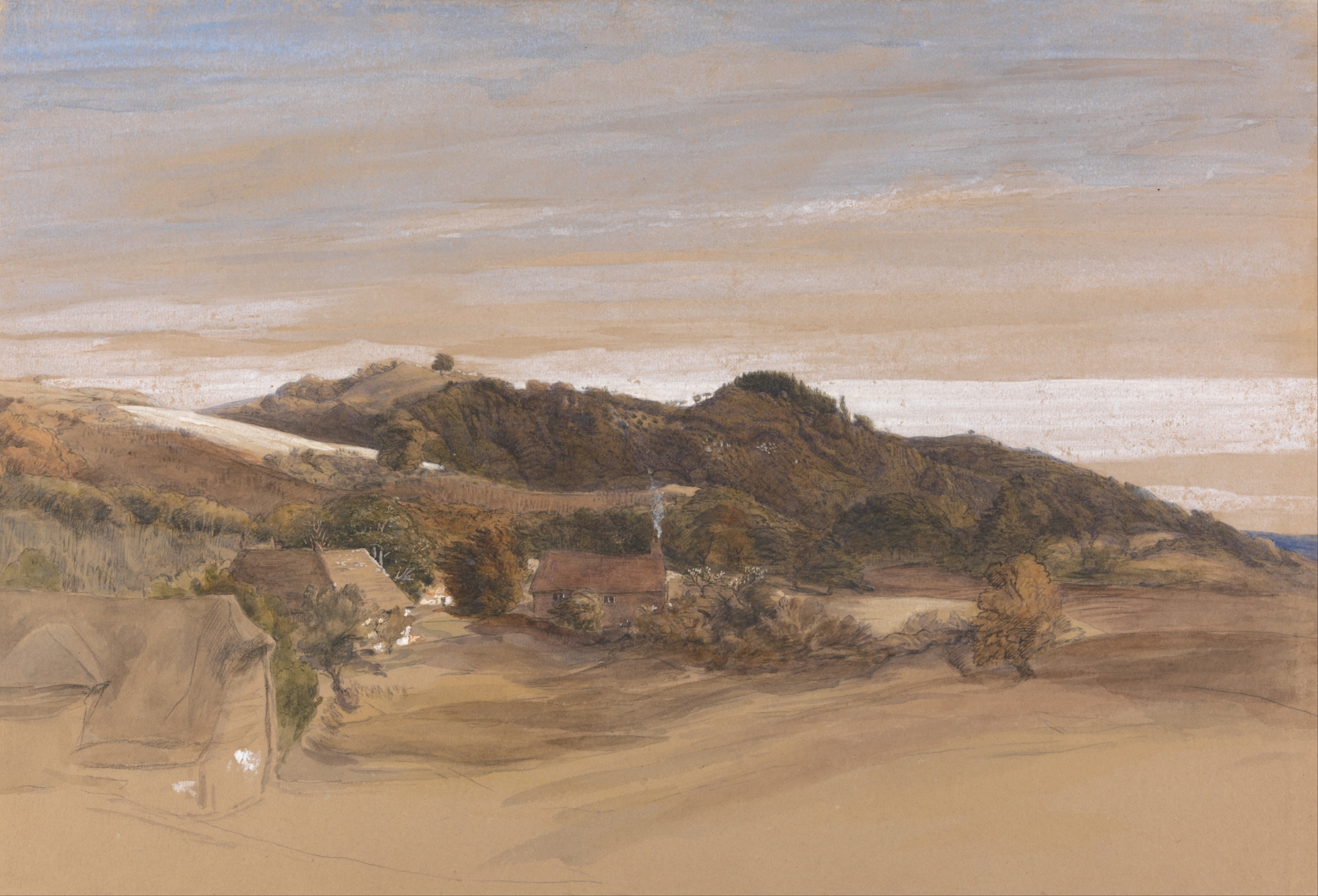
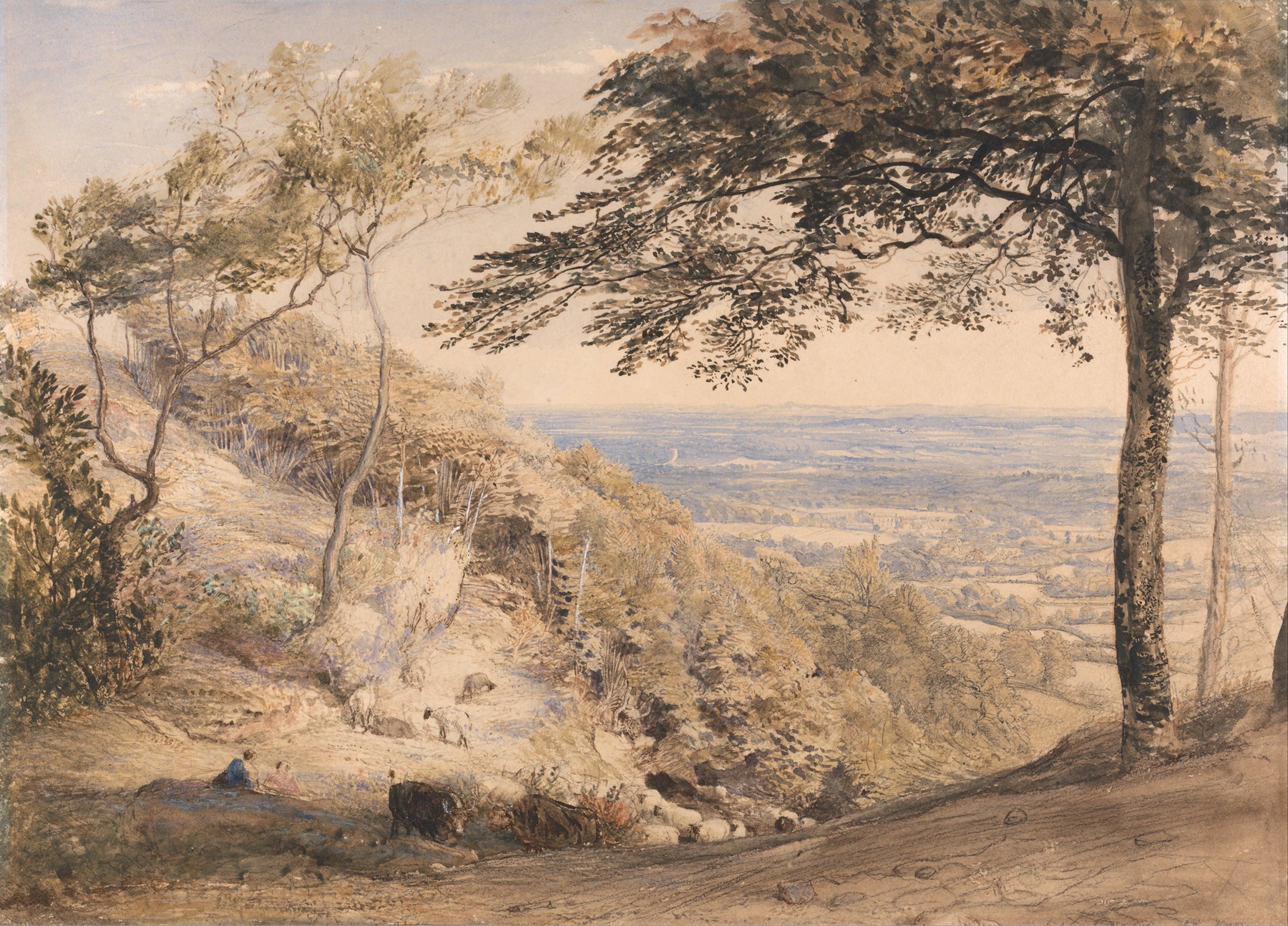
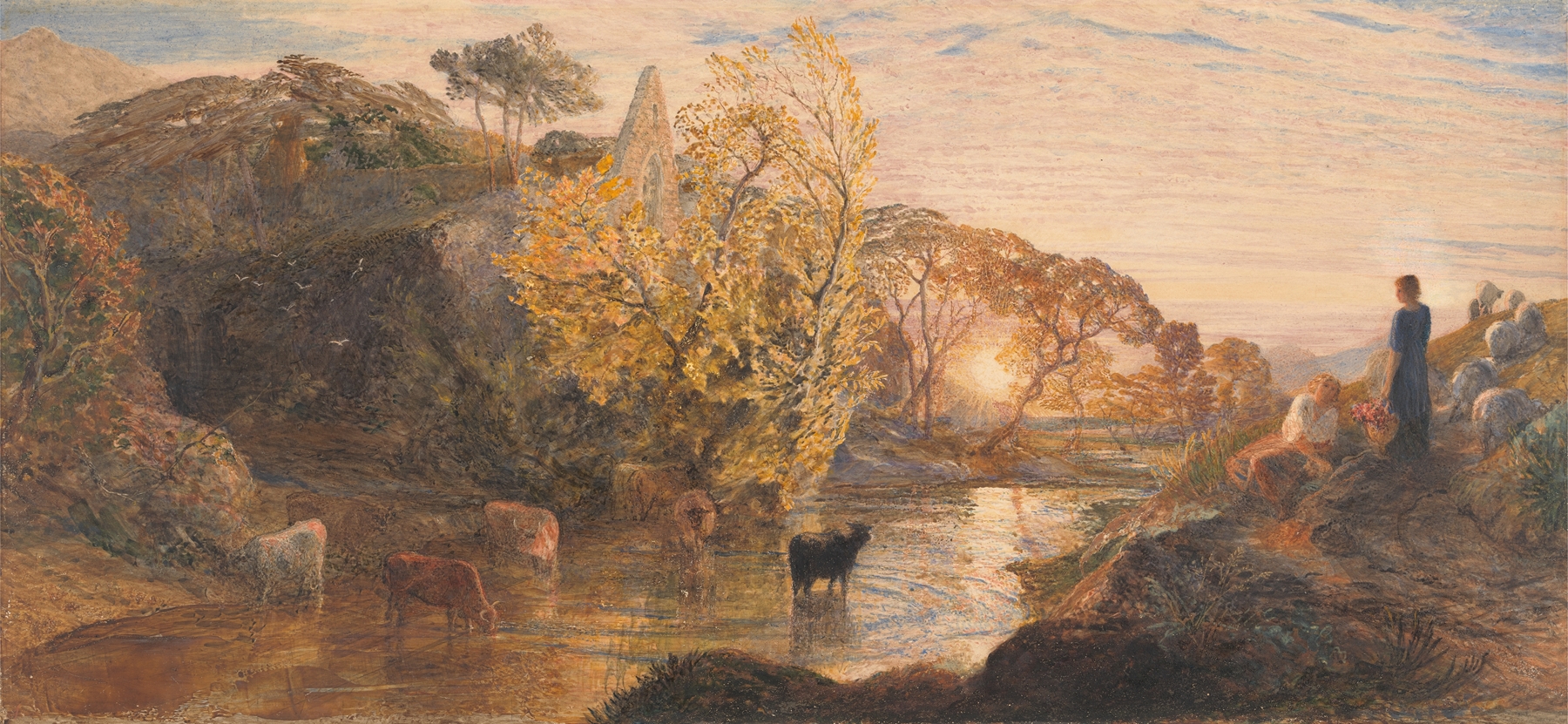
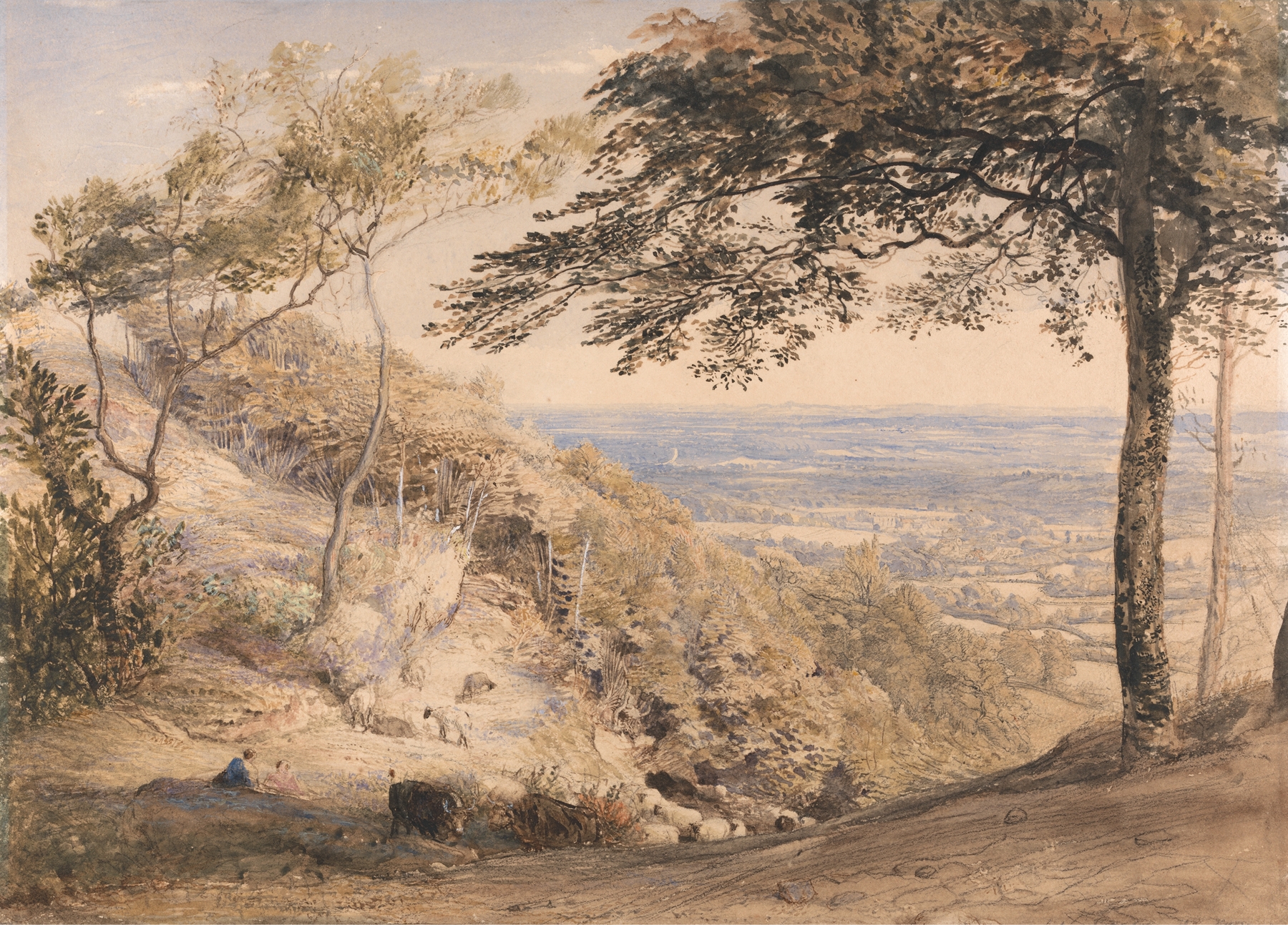
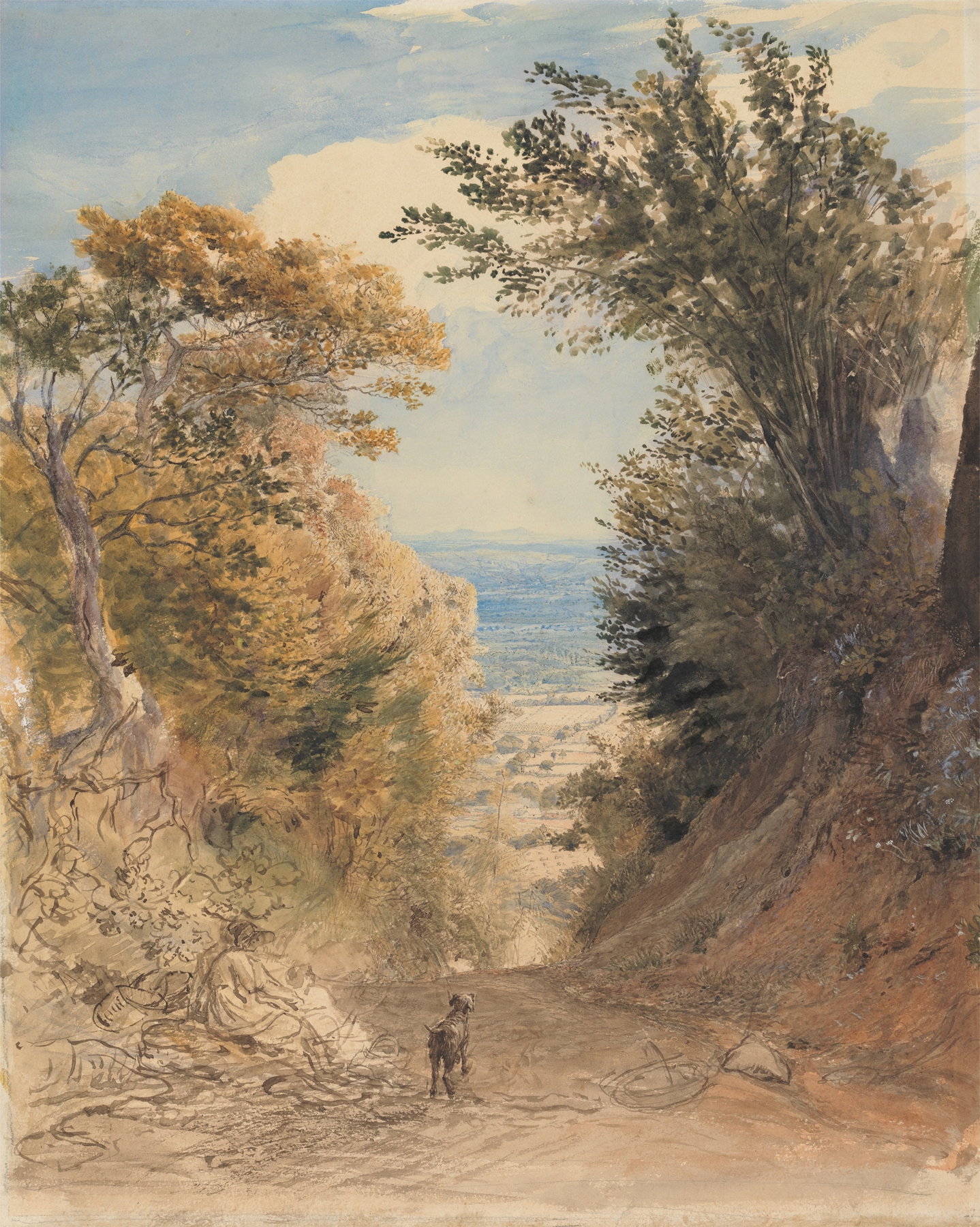
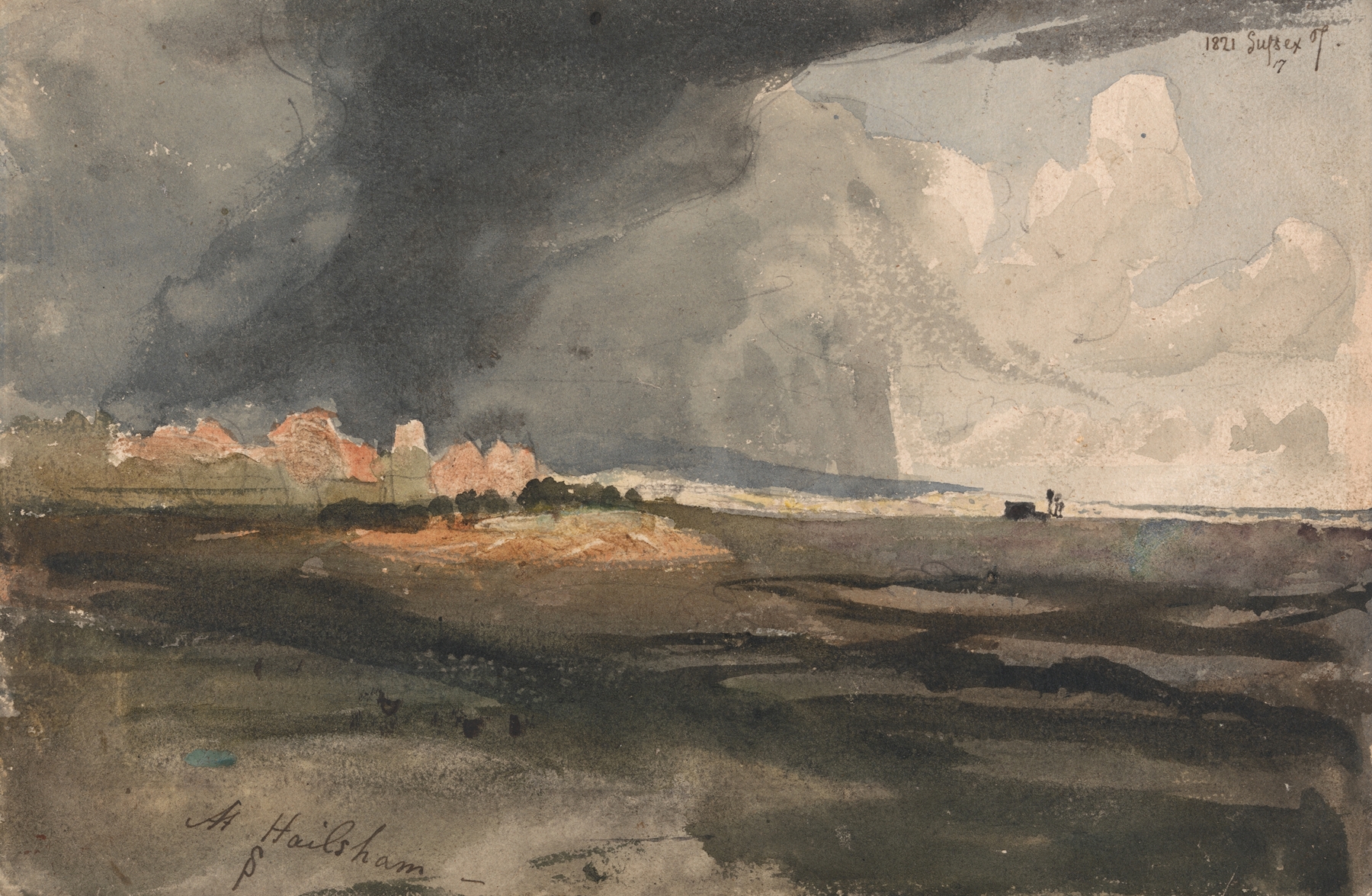
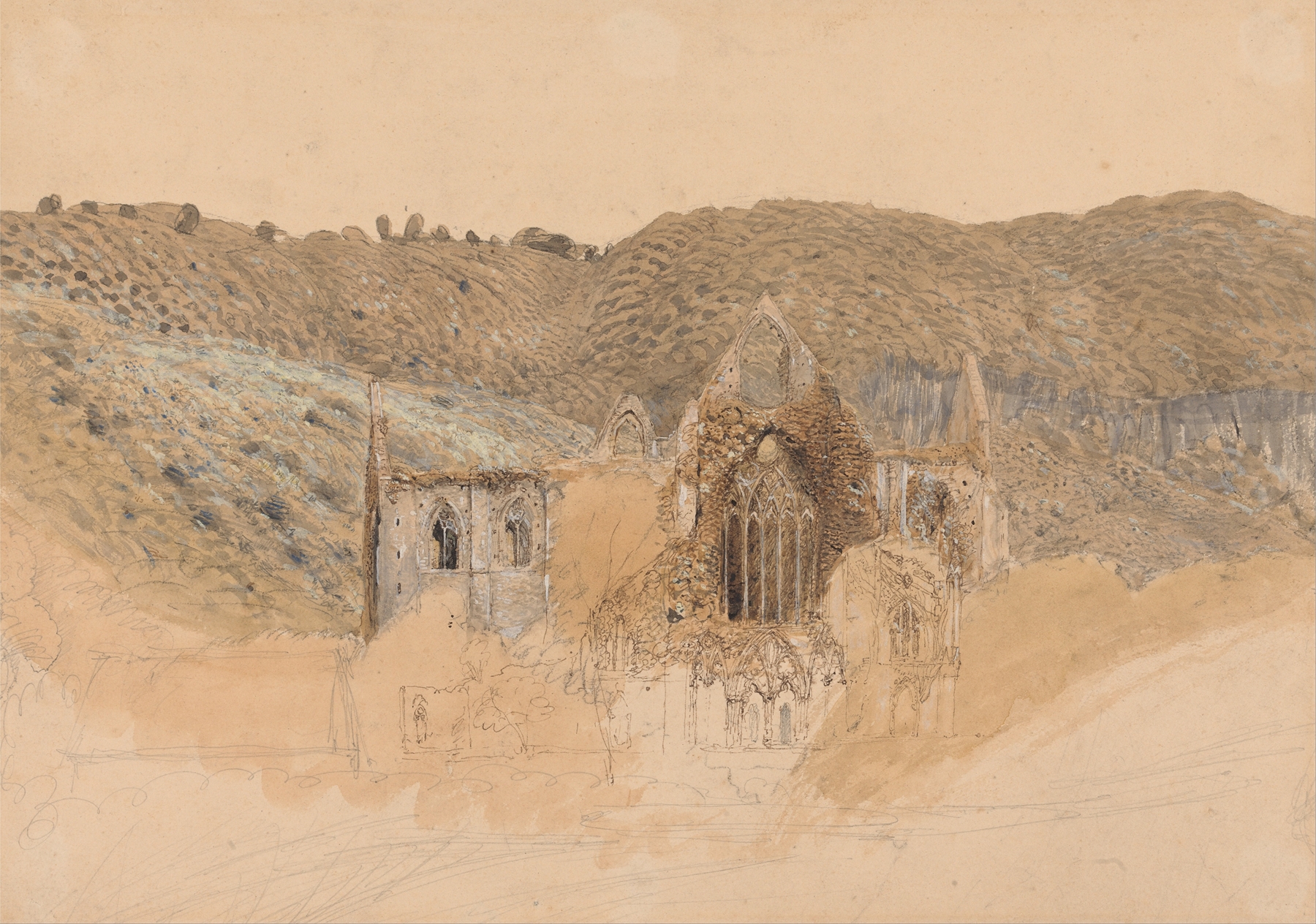
“Sometimes beauty is just pain, disguised in gold.” This sentiment resonates deeply within us, particularly in moments of fragility and reflection on mortality. The allure of a rural landscape can hide the shadows of existence, inviting contemplation on the duality of life and death. Focus on the intricate details of the barns nestled against a twilight sky. Notice how the soft, golden hues cradle the structures, casting a warm glow that contrasts sharply with the encroaching darkness.
The play of light creates a poignant tension, emphasizing not only the elegance of the architecture but also the inevitable decay that time brings. Look closely at the brushwork; the delicate strokes breathe life into the scene, while also hinting at the passage of seasons and the fragility of the earthly realm. The juxtaposition of the serene beauty of pastoral life with hints of its impermanence reflects deeper sentiments of loss and nostalgia. The barns, sturdy yet weathered, symbolize the labor and care that have shaped them, while their fading paint whispers of inevitability.
As the twilight descends, the world becomes a canvas for contemplation, blending beauty with the bittersweet awareness of mortality. Created during a transformative period in the artist's life, this piece captures Samuel Palmer's evolution within the Romantic landscape movement of the early 19th century. Painting amidst the lush English countryside, he sought to convey spiritual truths through nature, navigating between personal struggles and the broader artistic currents of his time. The absence of time-stamped context allows the viewer to engage with the universal themes of life, beauty, and transience.