The Bathers — History & Analysis
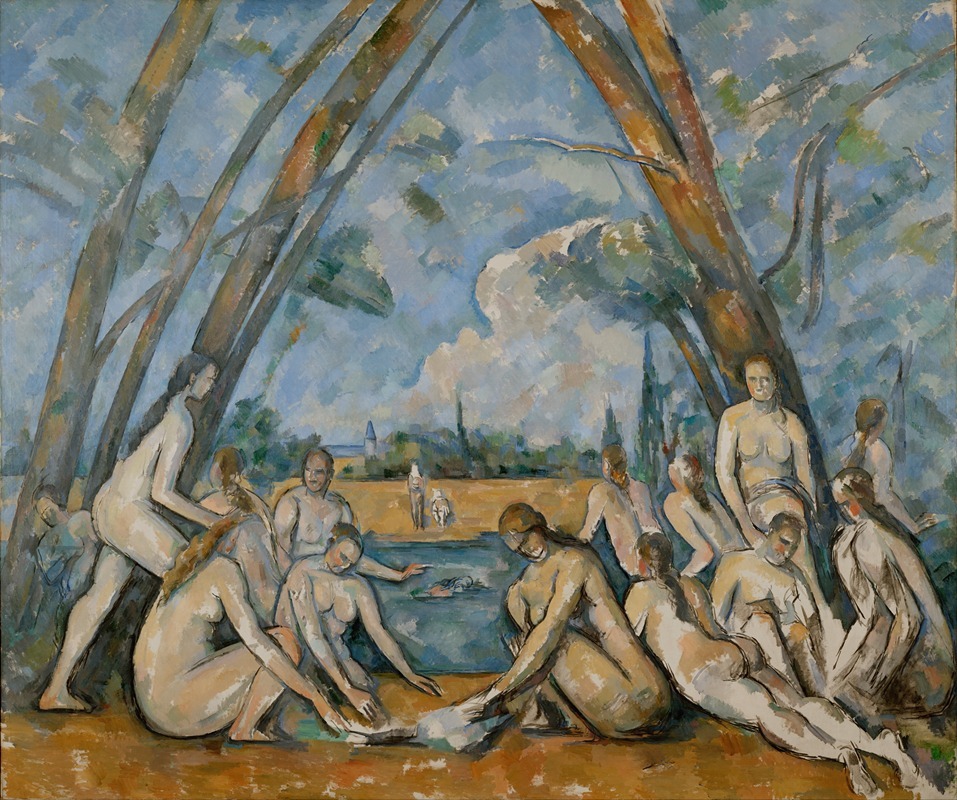
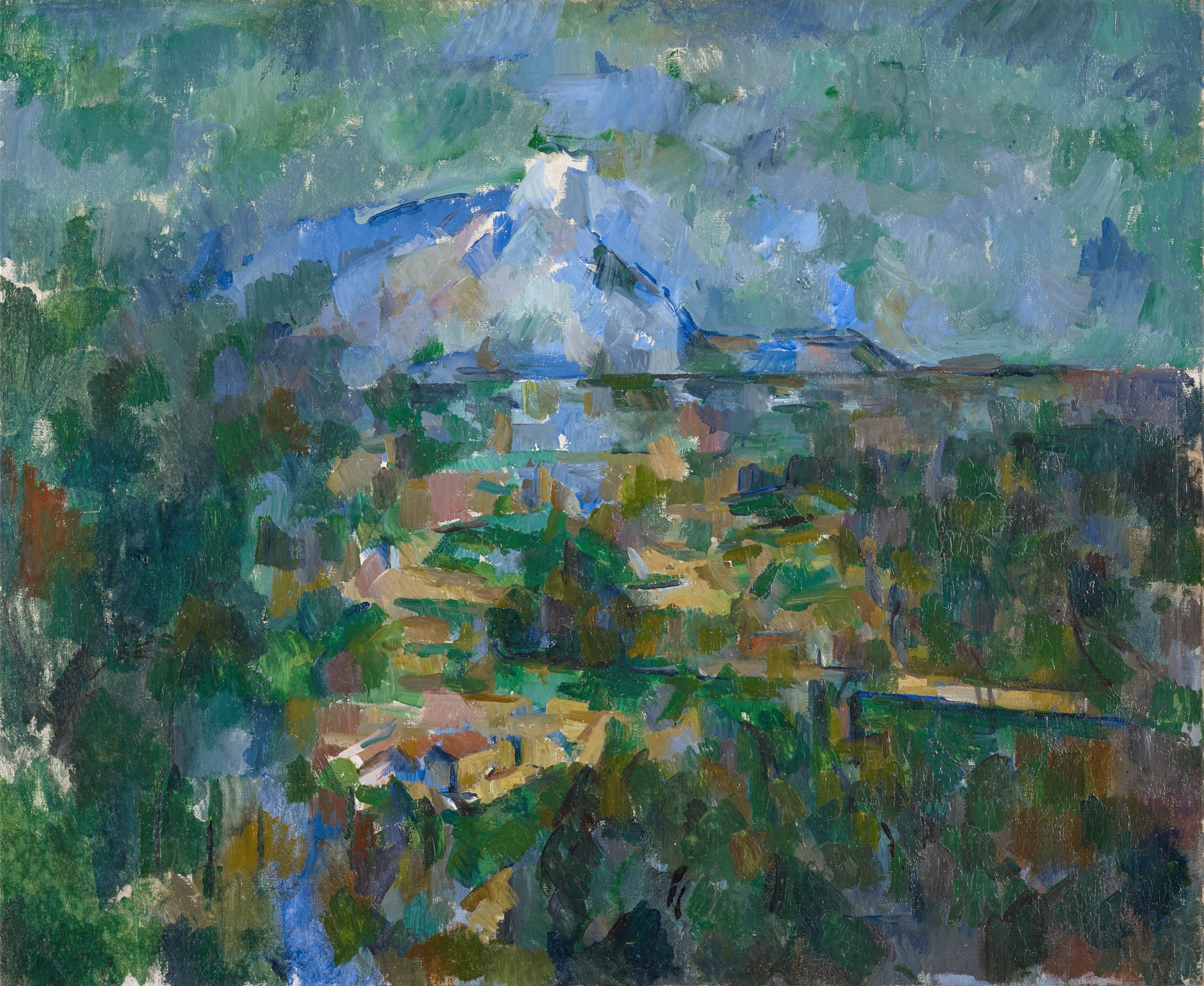
“Every brushstroke is a heartbeat remembered.” In The Bathers, Cezanne captures a delicate equilibrium between nature and humanity, merging the serene with the dynamic. The painting invites us to contemplate the balance that exists in all forms of life. Look to the left where the vibrant greens of the trees cradle the figures, drawing our gaze toward the soft curves of the bathers nestled within the landscape. The colors are rich yet restrained, a trademark of the artist’s palette, where blues and terracottas mingle harmoniously.
Notice how the light interacts with the bodies, illuminating the warm tones of the skin in contrast to the coolness of the surrounding foliage—each stroke is deliberate, each form a testament to Cezanne's search for stability. Amidst the apparent tranquility of the scene lies a subtle tension; the figures, though peacefully arranged, create a sense of movement within the stillness, as if they are both part of the landscape and simultaneously apart from it. Their poses reflect a harmony with nature, yet also hint at a deeper vulnerability, suggesting the transient nature of beauty and existence. The way their bodies intertwine, overlapping yet distinct, speaks of unity and isolation—balance in a world that constantly shifts beneath our feet.
During 1899 to 1904, Cezanne created The Bathers in Aix-en-Provence, amidst a burgeoning interest in the post-impressionist movement. His life was marked by a quest for artistic innovation, trying to break away from traditional forms while remaining deeply rooted in nature. The piece reflects this duality, embodying his relentless pursuit of a harmonious relationship between art and the world around him.