The Bend in the Road — History & Analysis
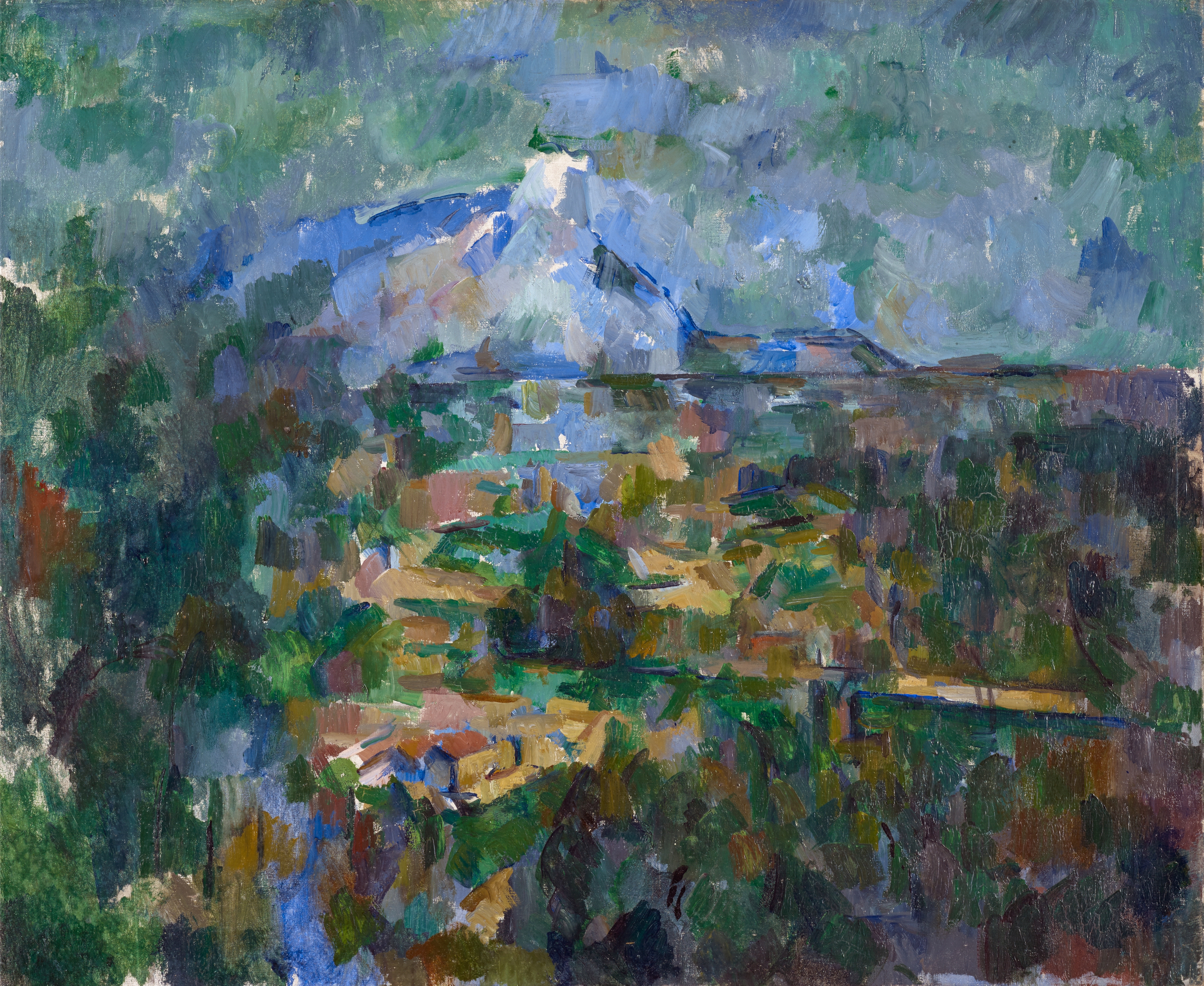
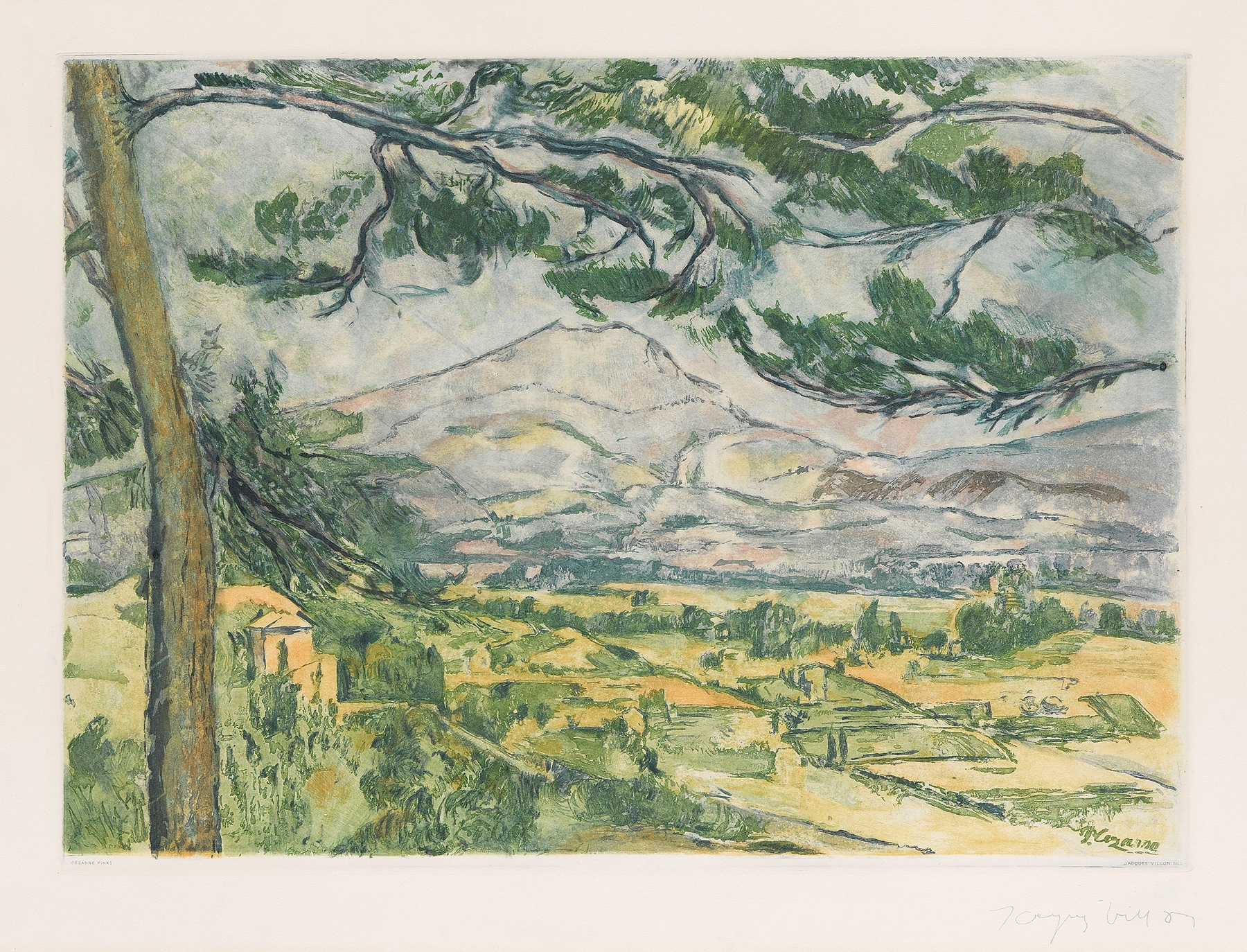
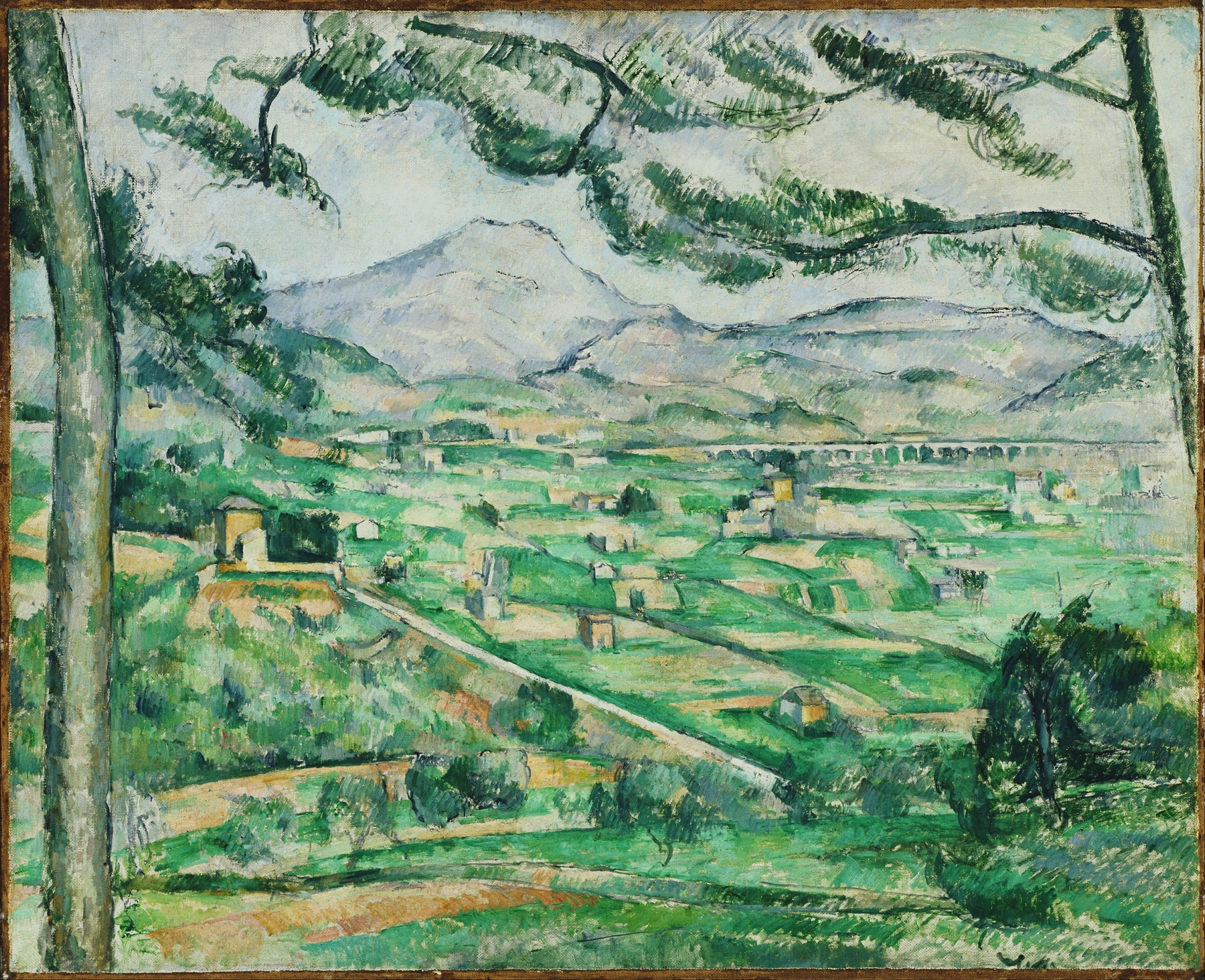
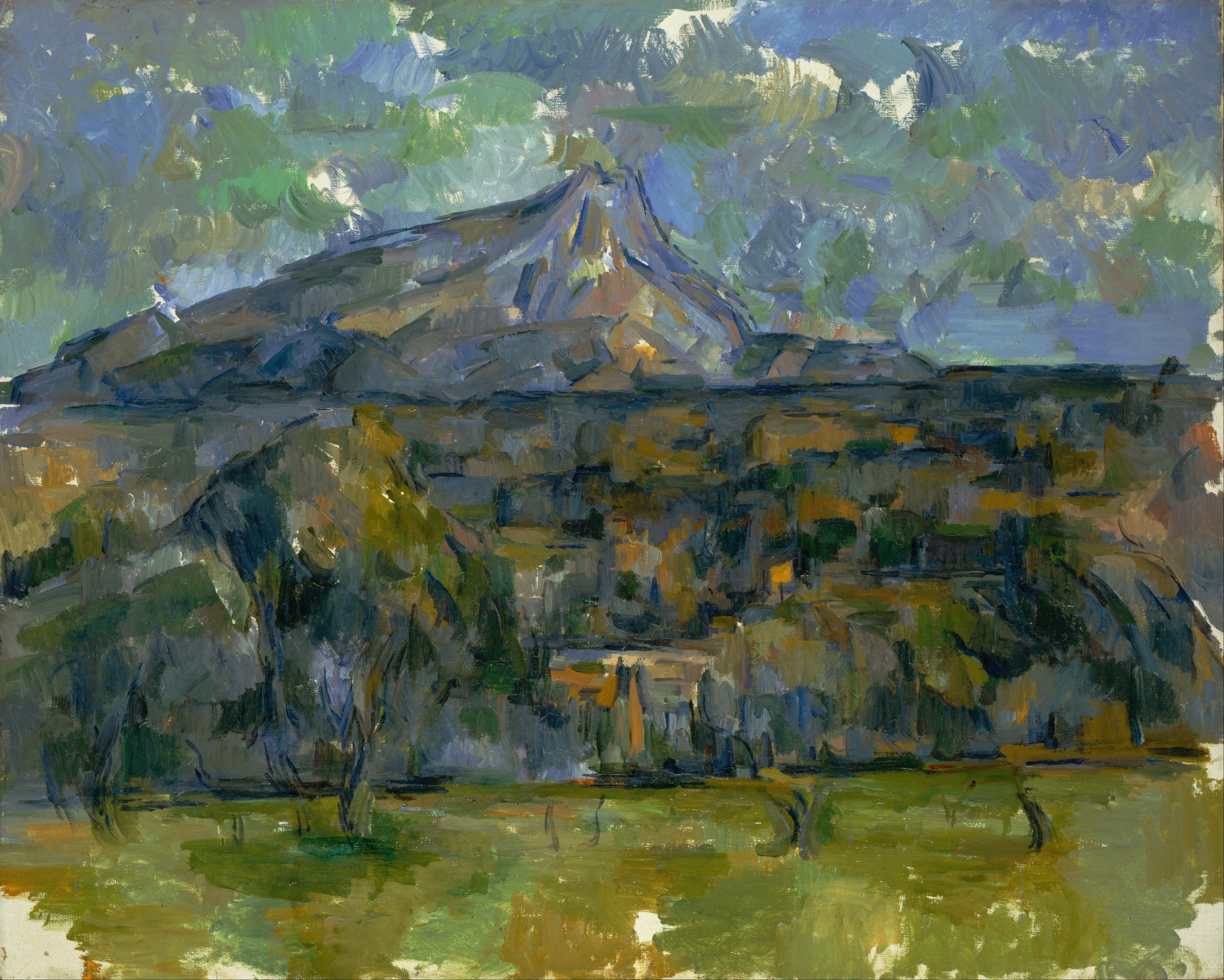
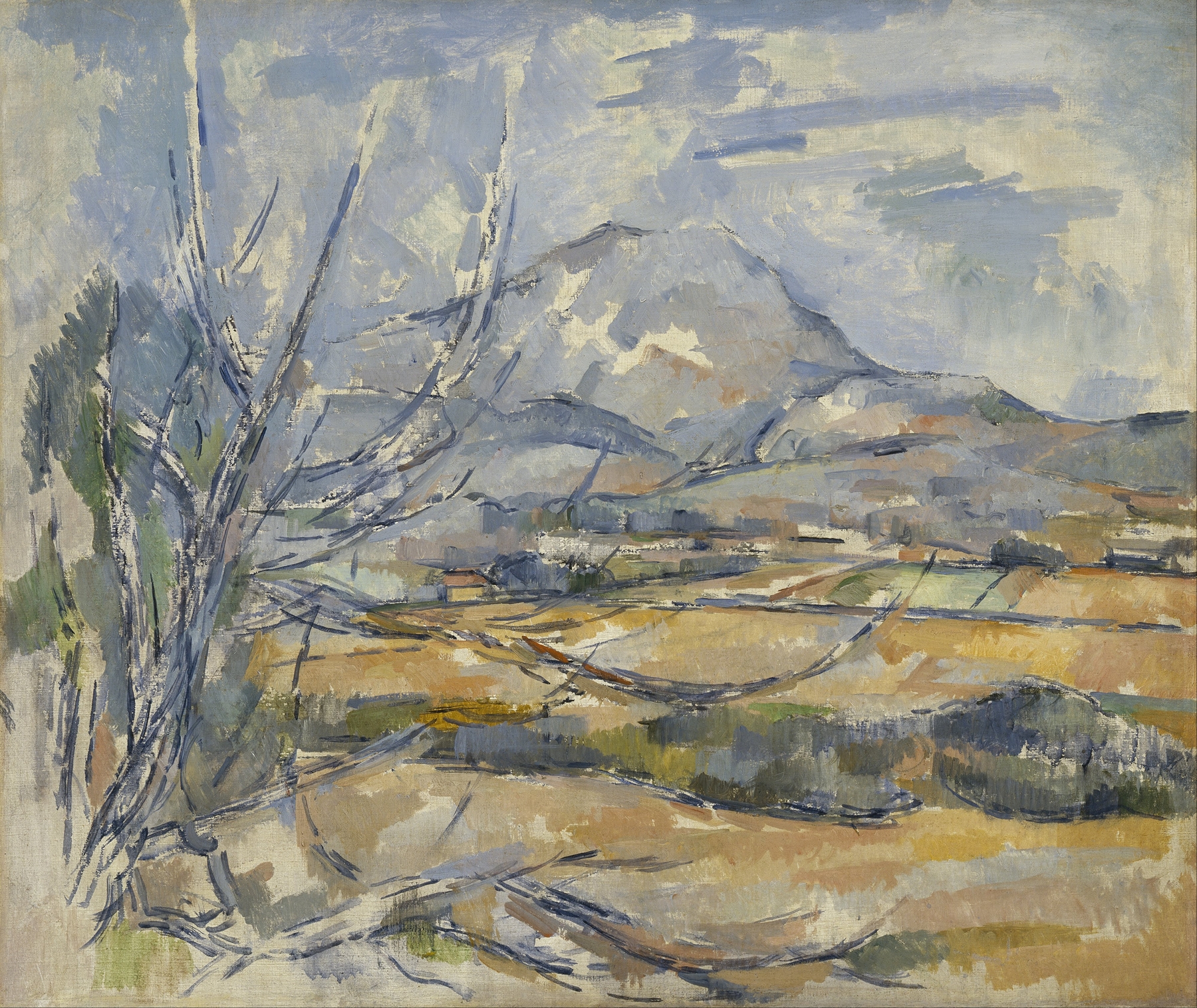
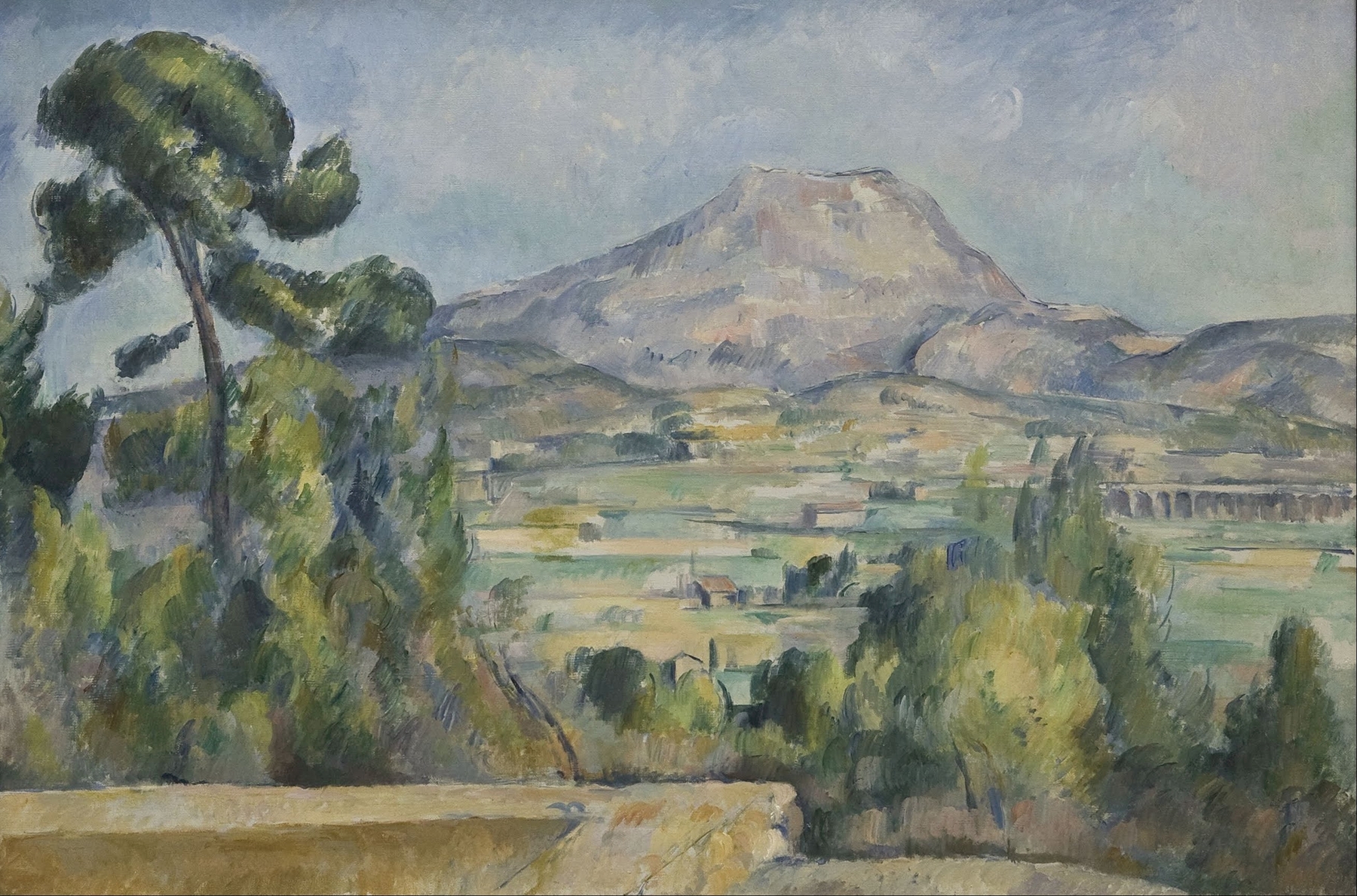
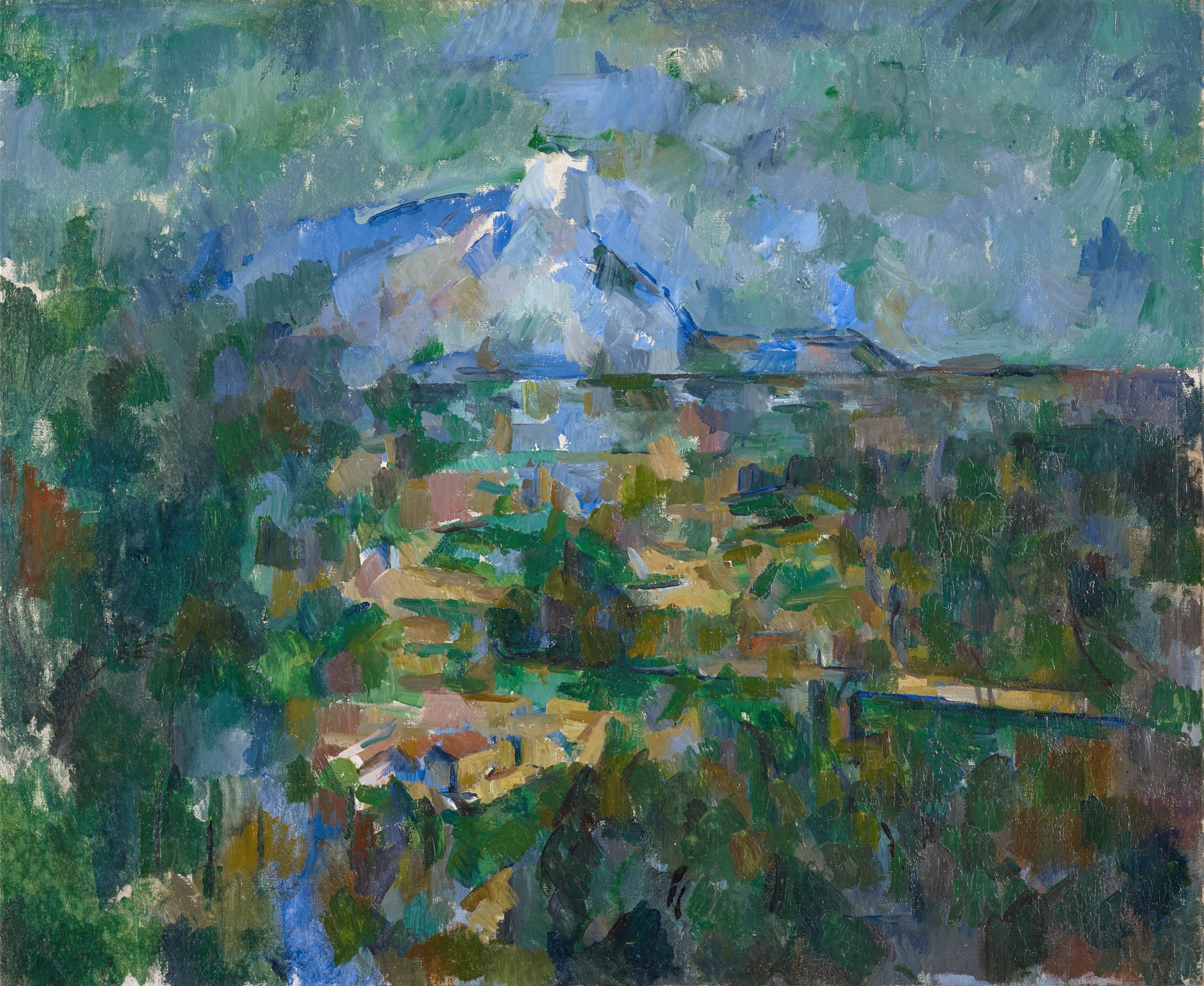
“Art reveals the soul when the world turns away.” In a world shadowed by conflict and discontent, the quietude of a landscape can mirror the deepest turbulence within us. Paul Cézanne's work beckons us to explore a bend in the road, inviting us to confront the truths we often overlook. Look to the left where the path curves gently, inviting contemplation. The layered brushstrokes create a sense of depth, while the interplay of greens and earthy tones evokes both familiarity and unease.
The horizon, slightly obscured by the surrounding trees, suggests both a journey and an uncertainty. The textures, rich yet restrained, guide the eye through the natural contours, revealing a dialogue between light and shadow, tranquility and tension. Beneath the surface, there is a stark contrast between serenity and the undercurrents of violence that the landscape might conceal. The bend symbolizes not just a simple turn in the road but the unpredictability of life itself—what lies ahead may be inviting or daunting.
The solitude of the scene can echo the isolation felt in turbulent times, forcing us to confront our own inner conflicts as we traverse our paths. Cézanne created this work during a period of personal and artistic exploration, between 1900 and 1906, while living in Aix-en-Provence. This era was marked by his quest for a new artistic language in a rapidly changing world, as the Impressionist movement had transformed the landscape of art. As he developed his distinctive style, Cézanne sought to capture not just the form and color of the world around him, but also the emotional truths that lie just beneath the surface.