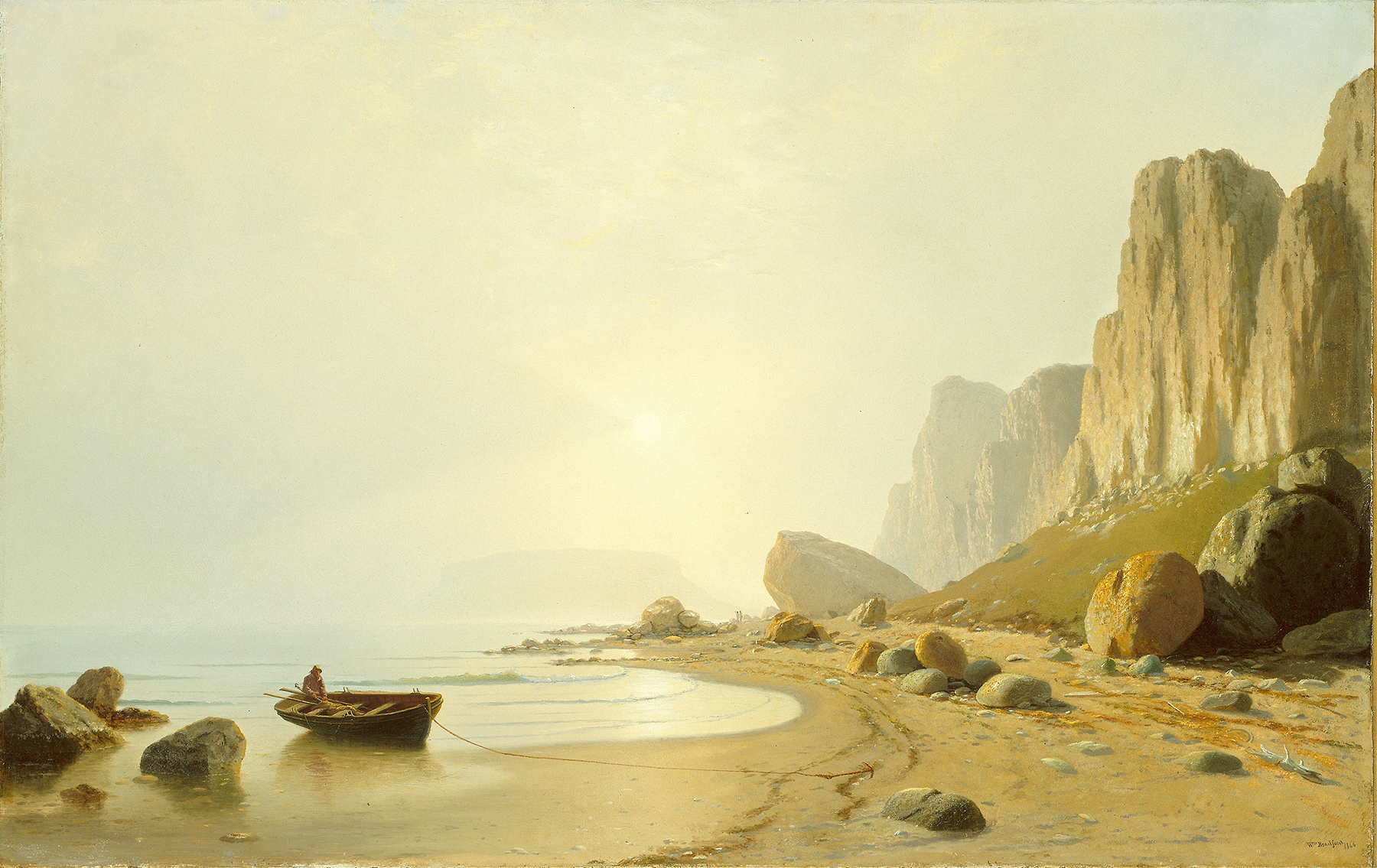
The Coast of Labrador — History & Analysis
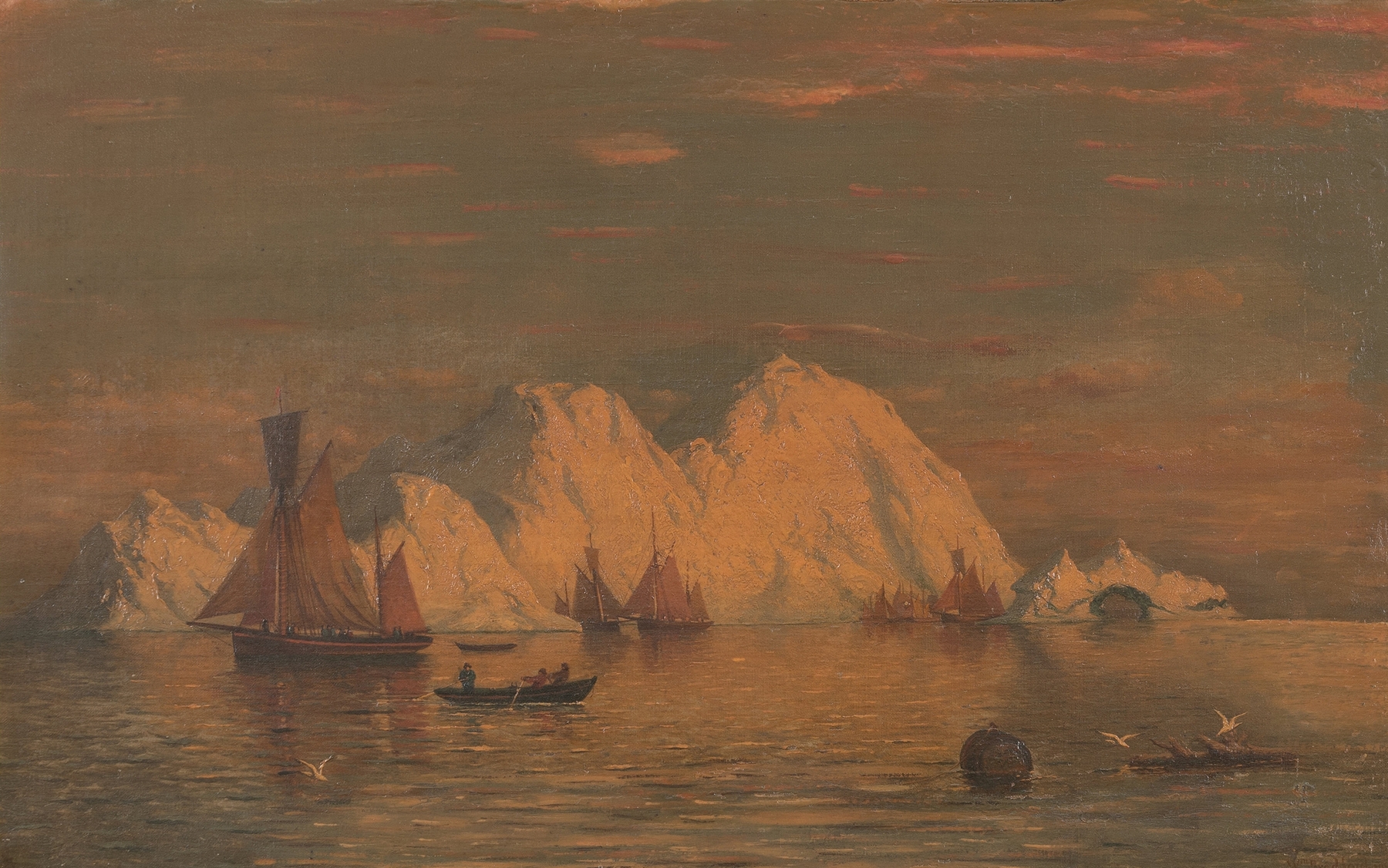
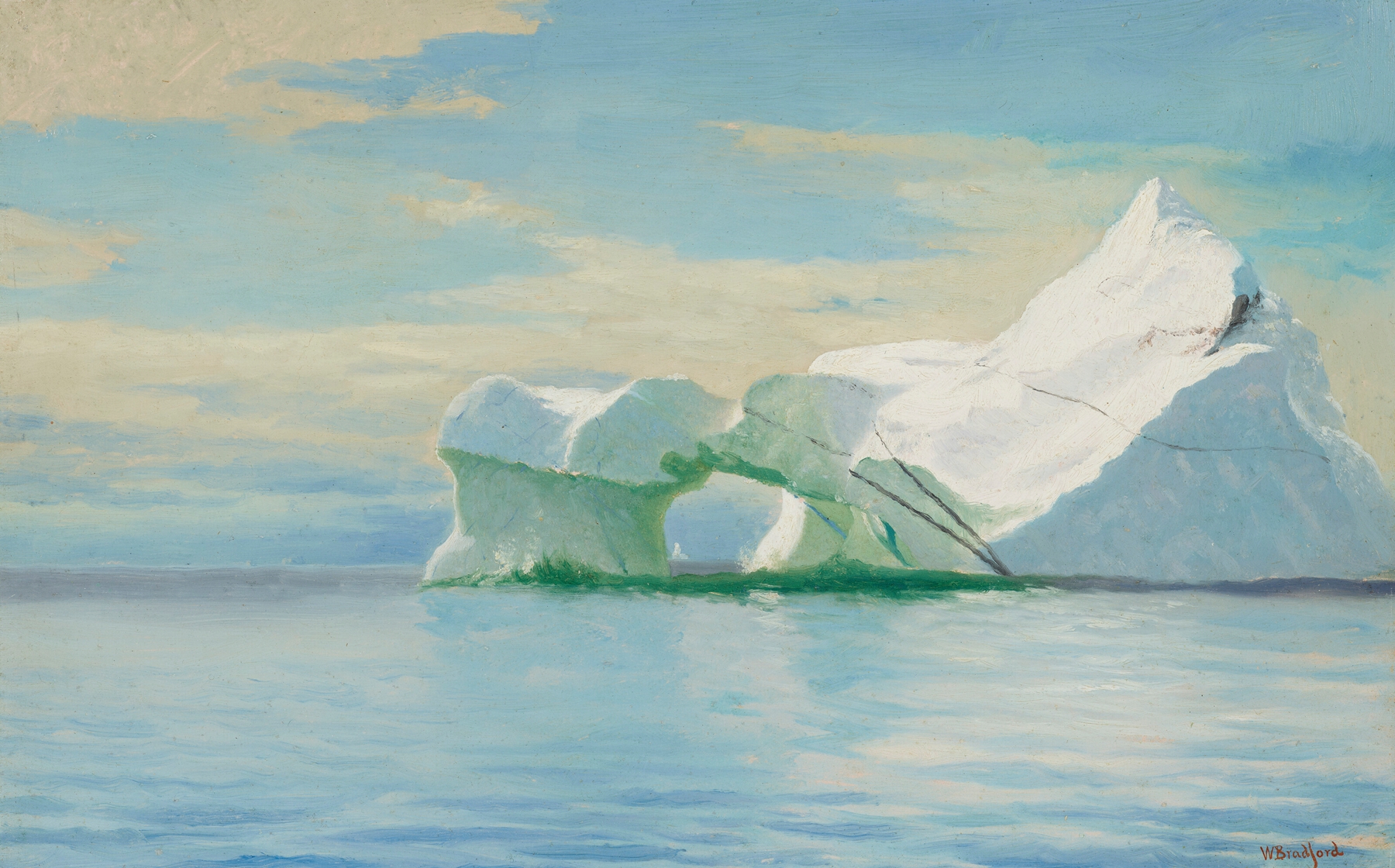
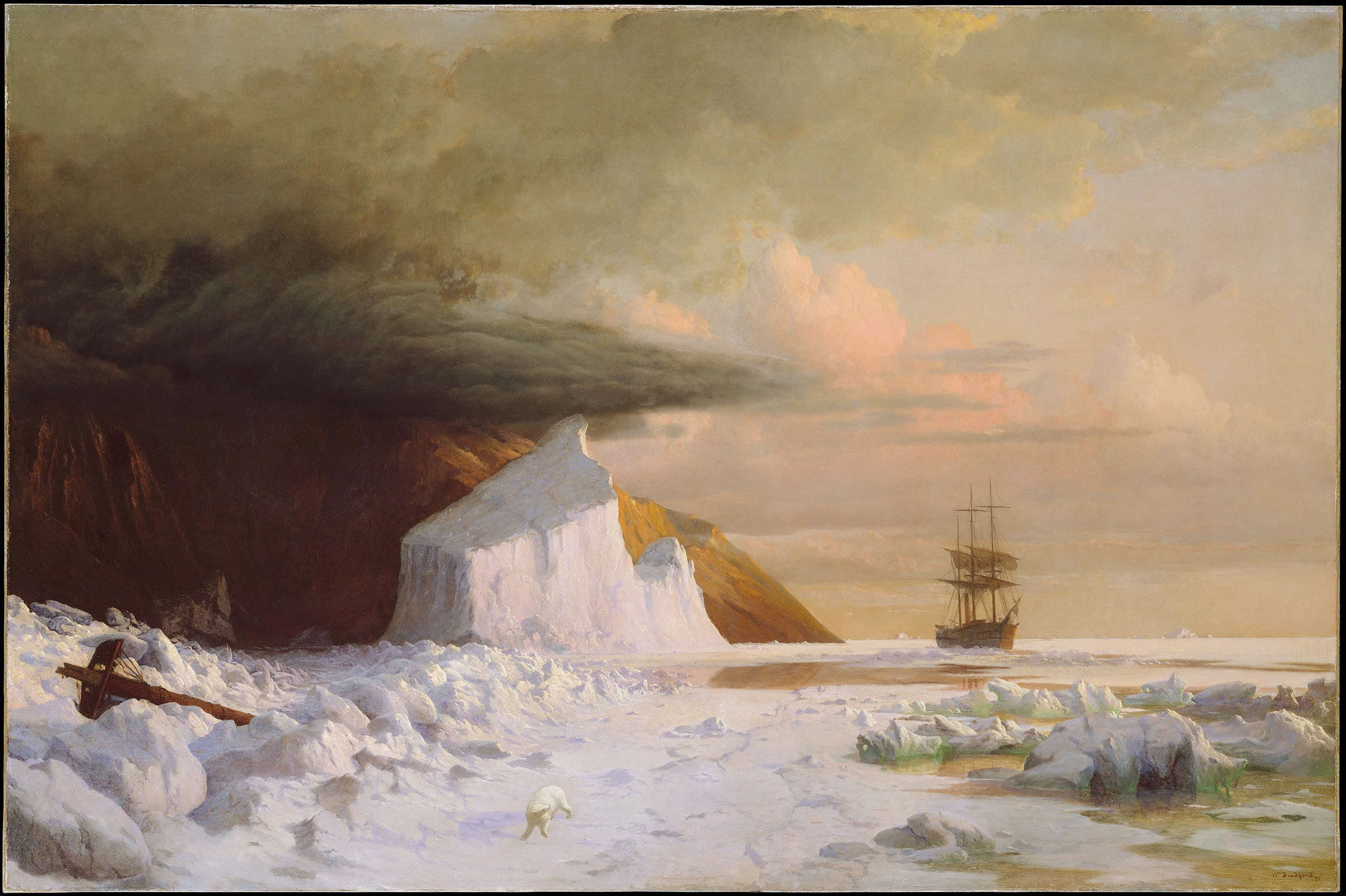
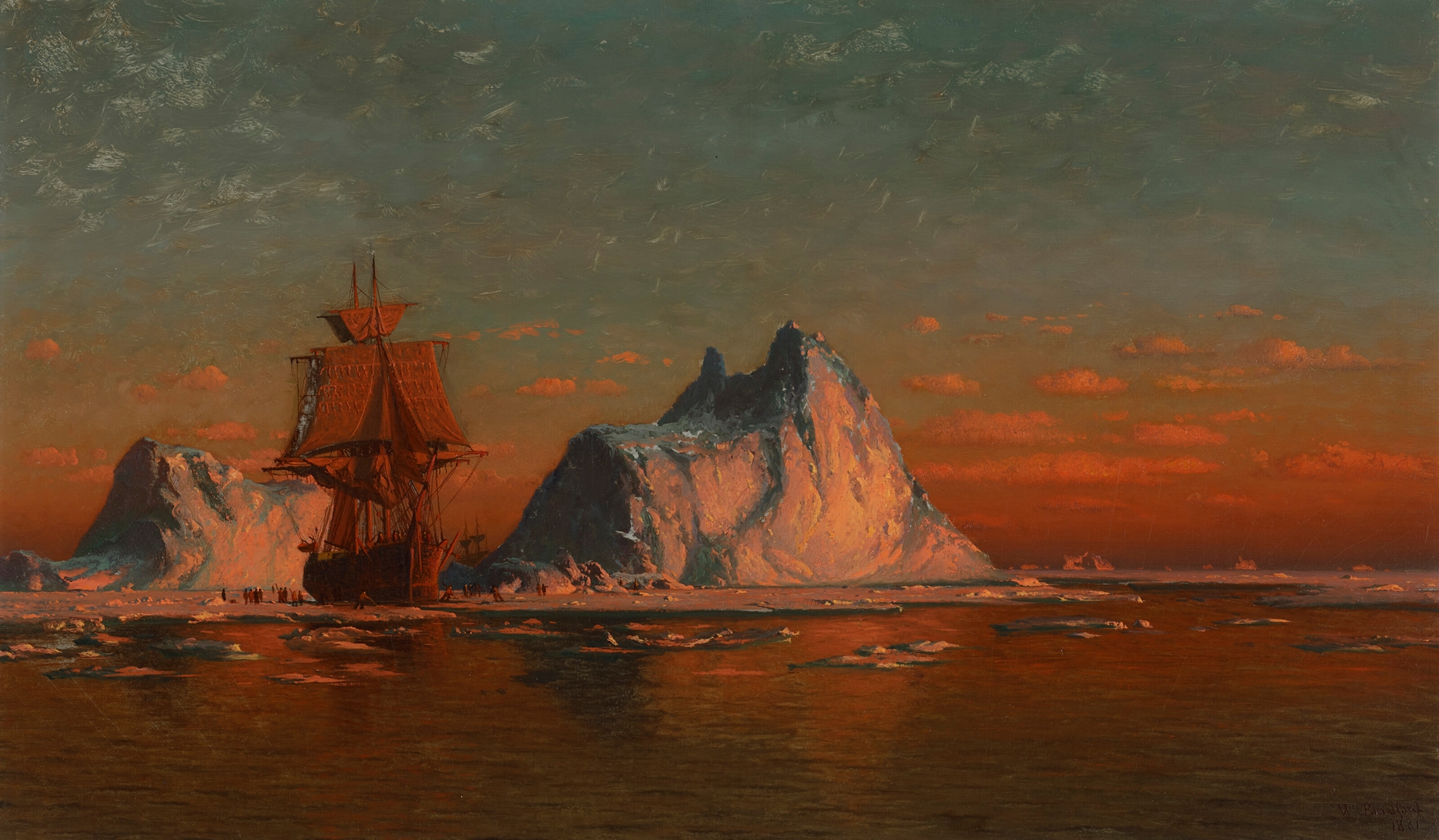
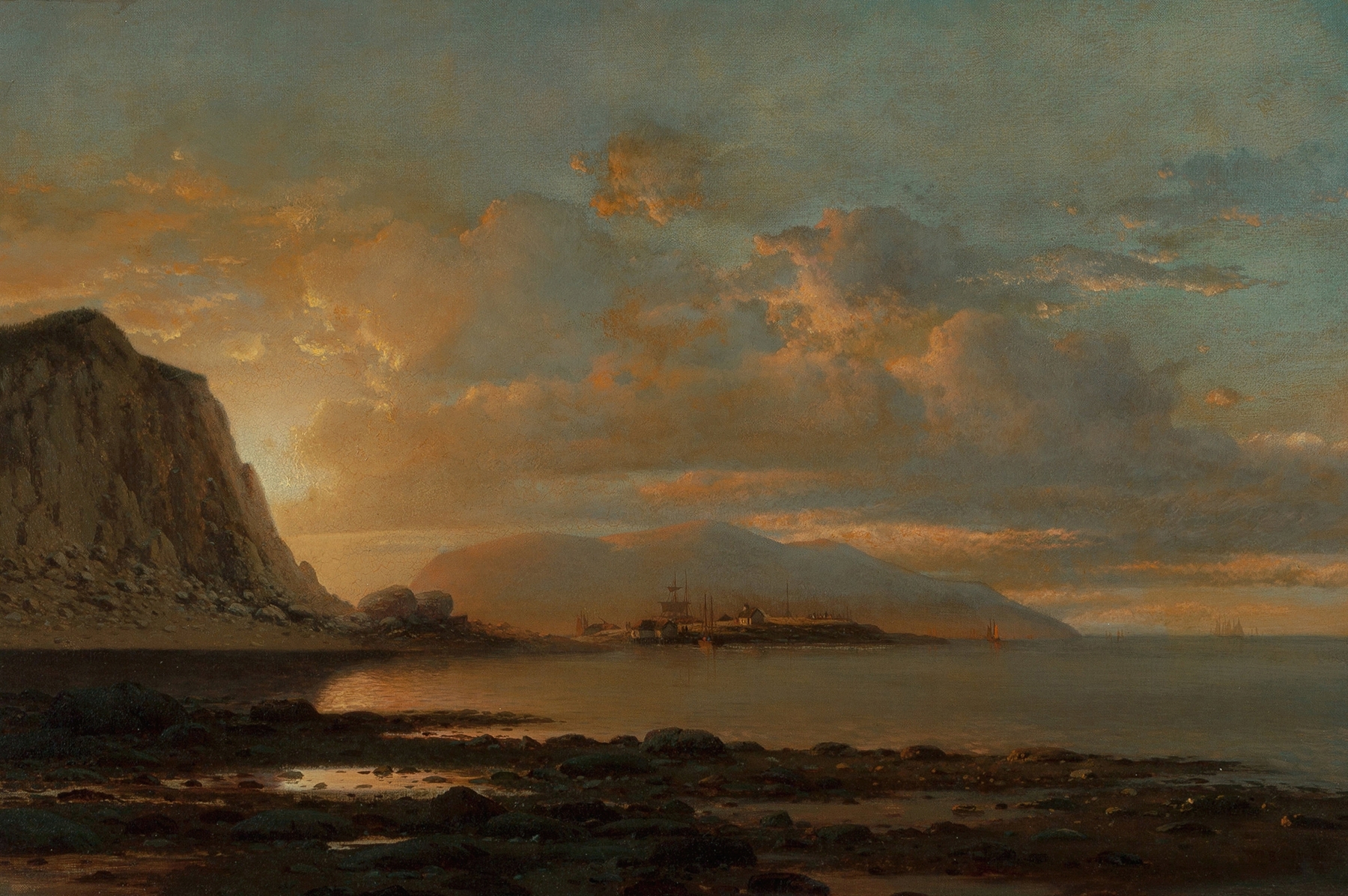
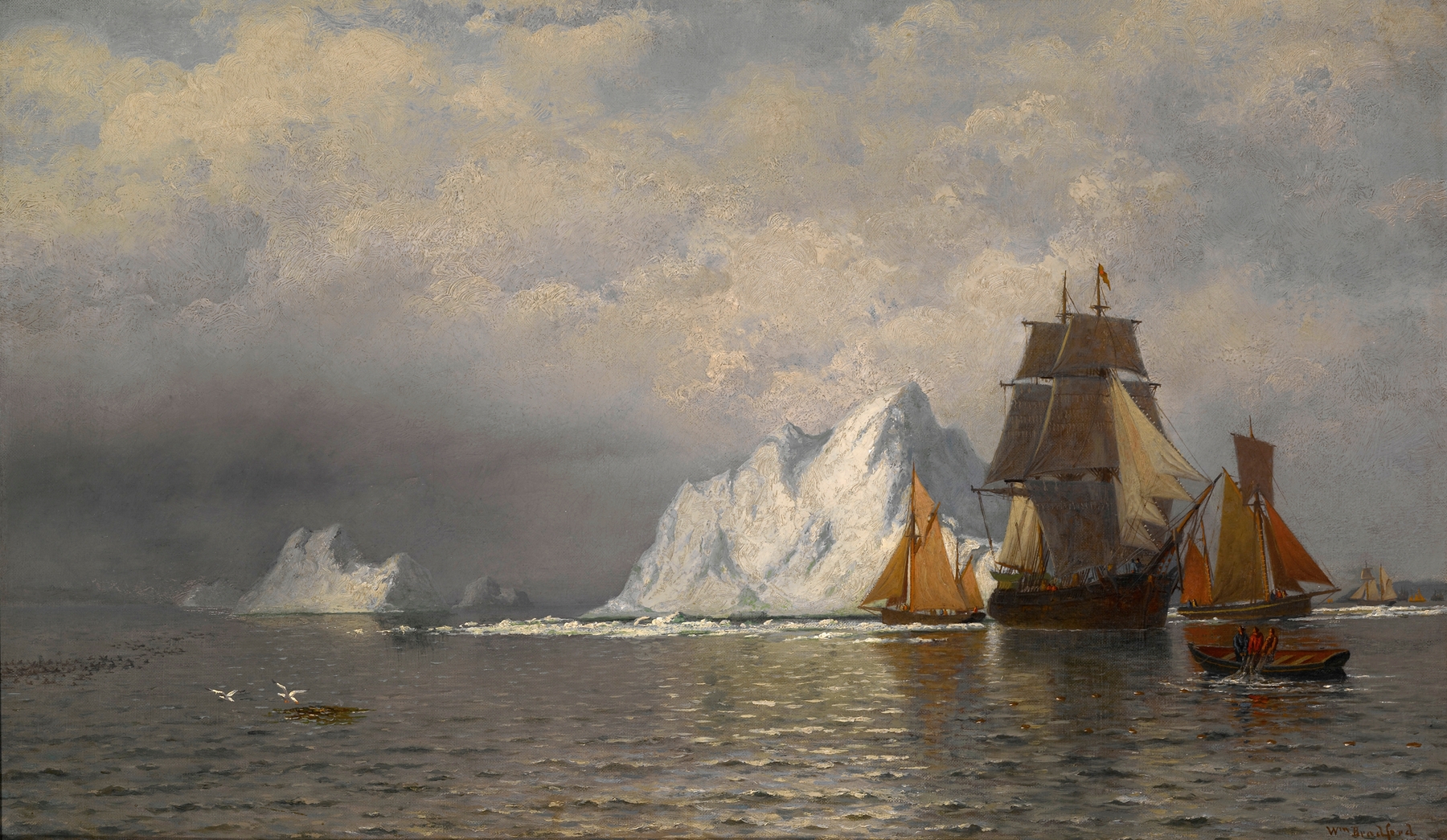
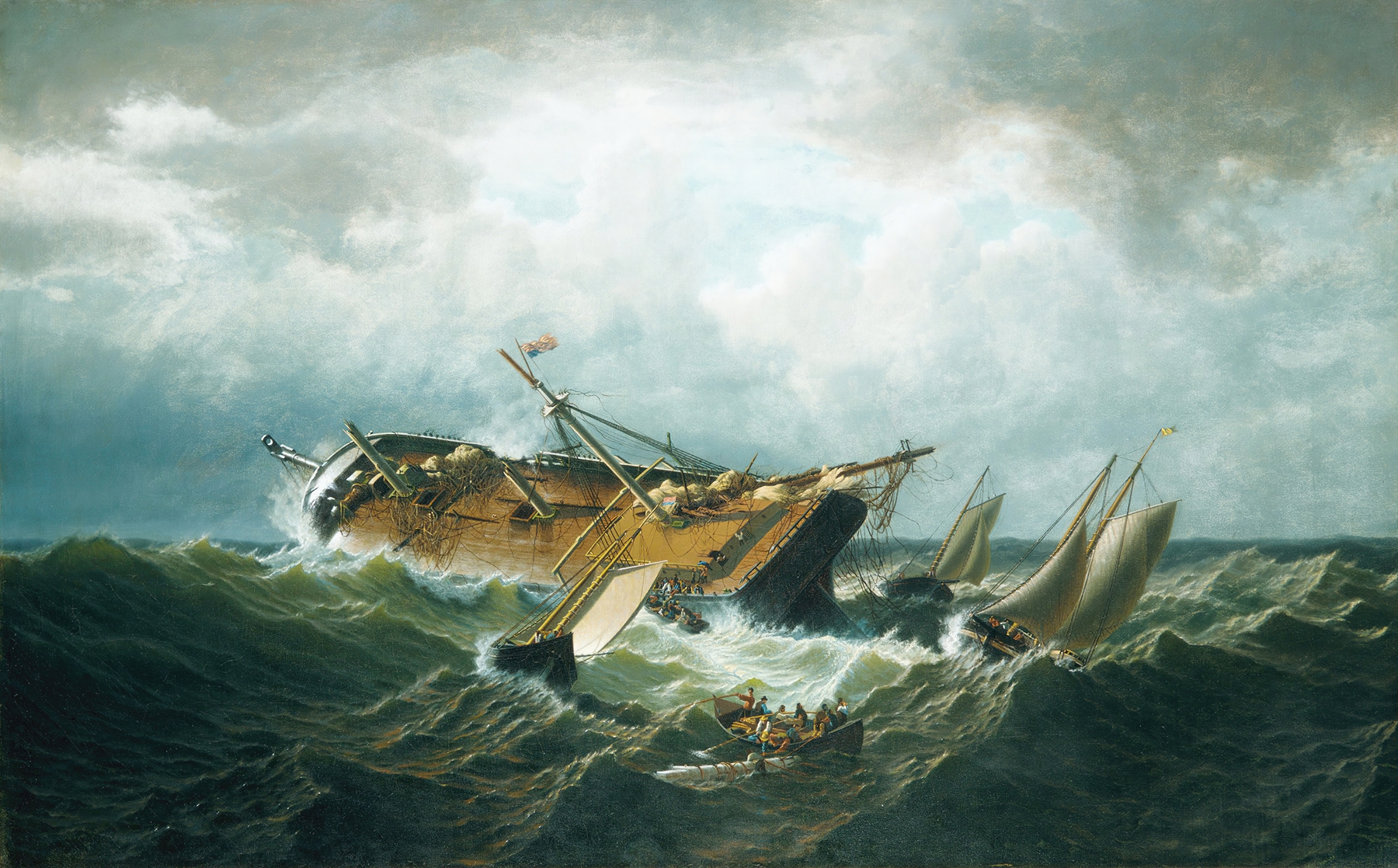
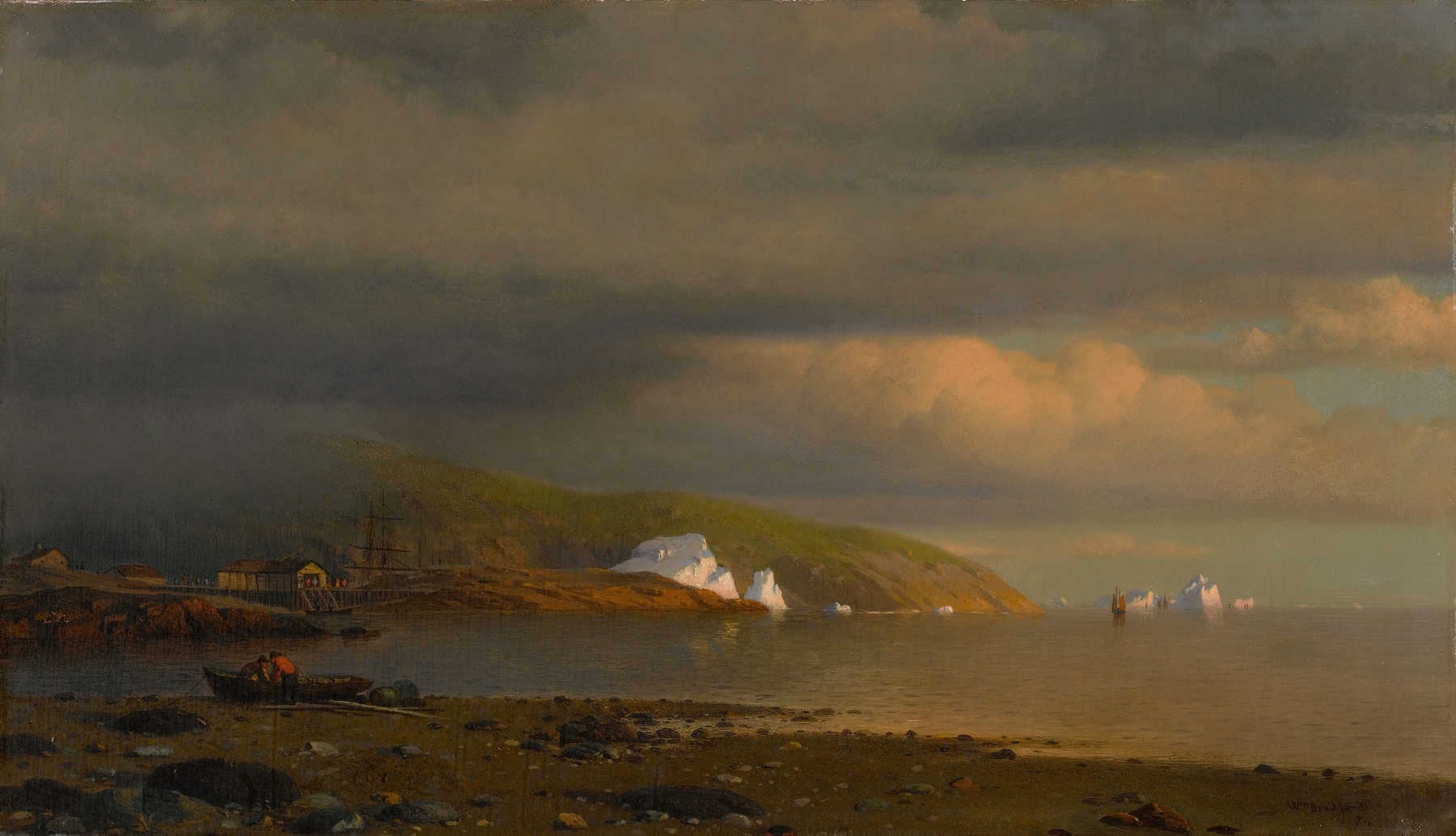
“The canvas doesn’t lie — it simply waits.” In the stillness of nature, where the horizon meets the tumult of the sea, true rebirth unfolds. Each brushstroke is a testament to endurance and transformation, capturing the raw beauty of a world in constant flux. Look to the center of the composition, where the tumultuous waves crash against jagged rocks, their frothy white edges contrasting with deep azure depths. The sky above recalls both storm and serenity, a blend of grays and blues that suggest an impending change.
Notice how the light filters through, illuminating the scene with an ethereal glow, casting shadows that dance across the water, revealing the artist's delicate mastery of color and texture. In this work, one can perceive the tension between the relentless force of nature and the quiet dignity of the land. The rocks, eroded yet steadfast, symbolize resilience, while the restless sea embodies the cycle of destruction and renewal.
The play of light subtly hints at hope, as if the tumultuous moment teeters on the verge of transformation, inviting viewers to contemplate the beauty that often follows chaos. Created in 1866, The Coast of Labrador emerged during a period when Bradford was deeply engaged with maritime themes, reflecting his fascination with the northern coasts of America. At this time, he had established himself as a prominent painter and was gaining recognition for his ability to blend realism with the sublime, capturing the essence of the natural world as both a fierce and nurturing force.