The Demolition of the Grand Bazar de la Bourse on the Nieuwendijk, Amsterdam — History & Analysis
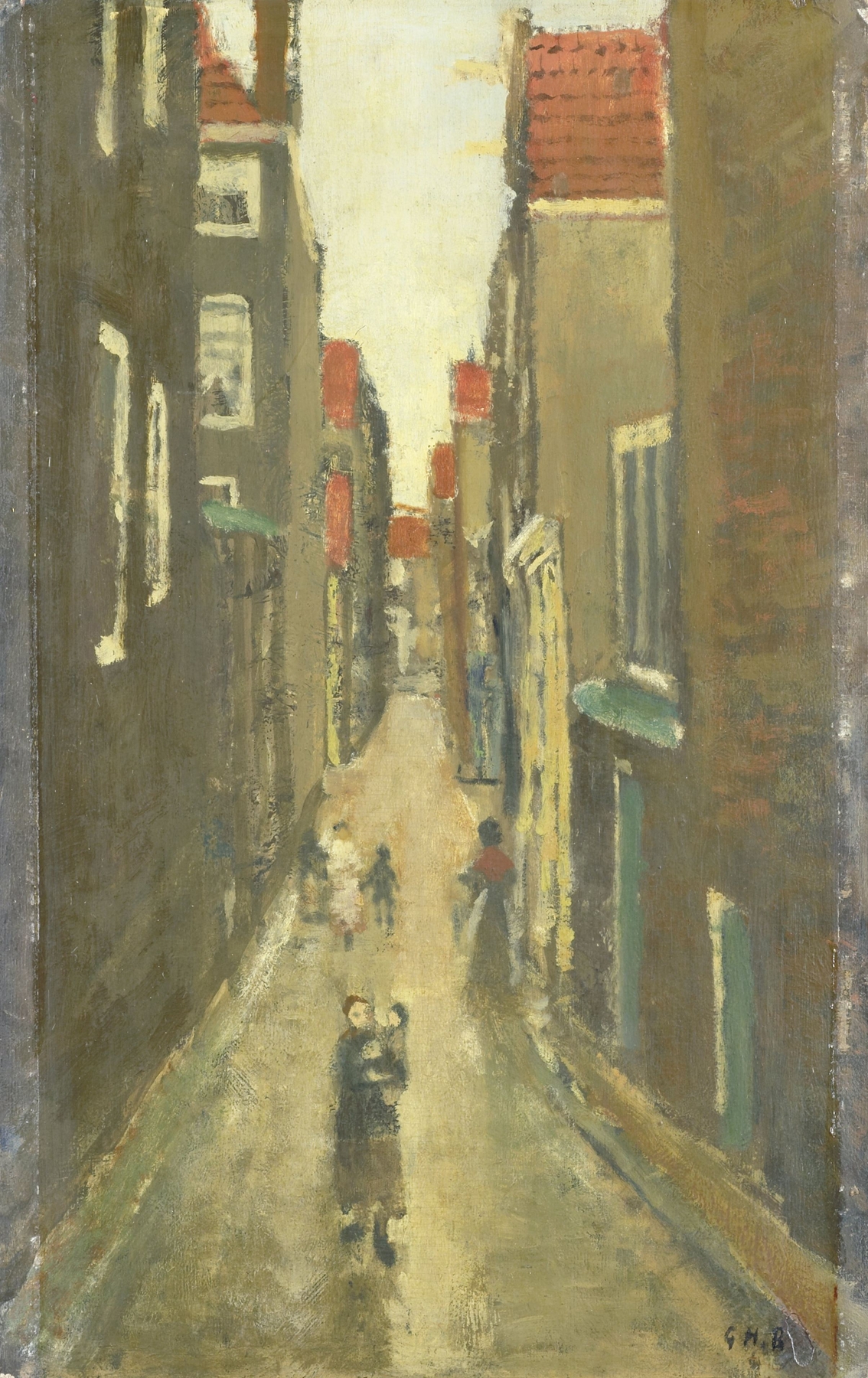
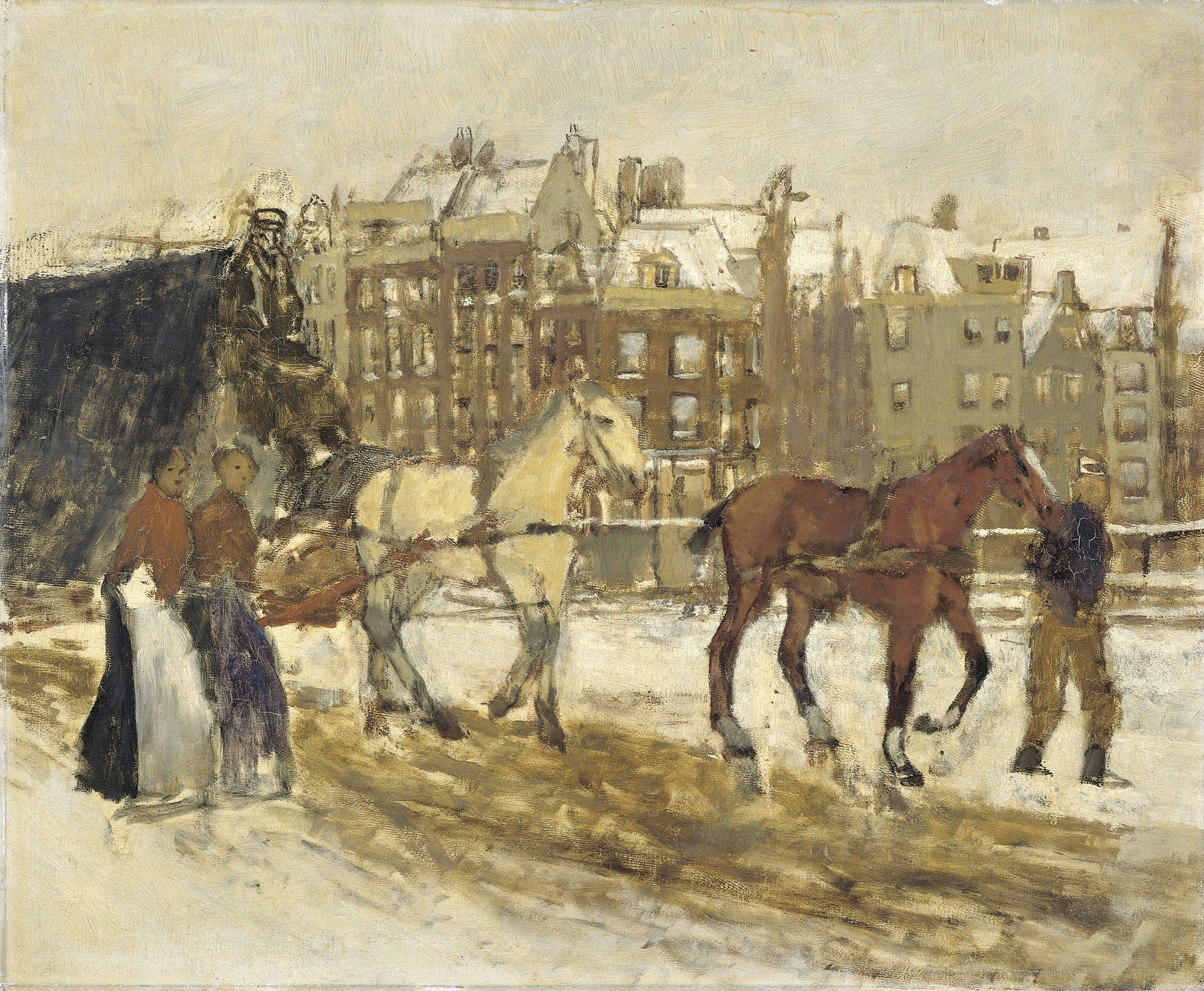
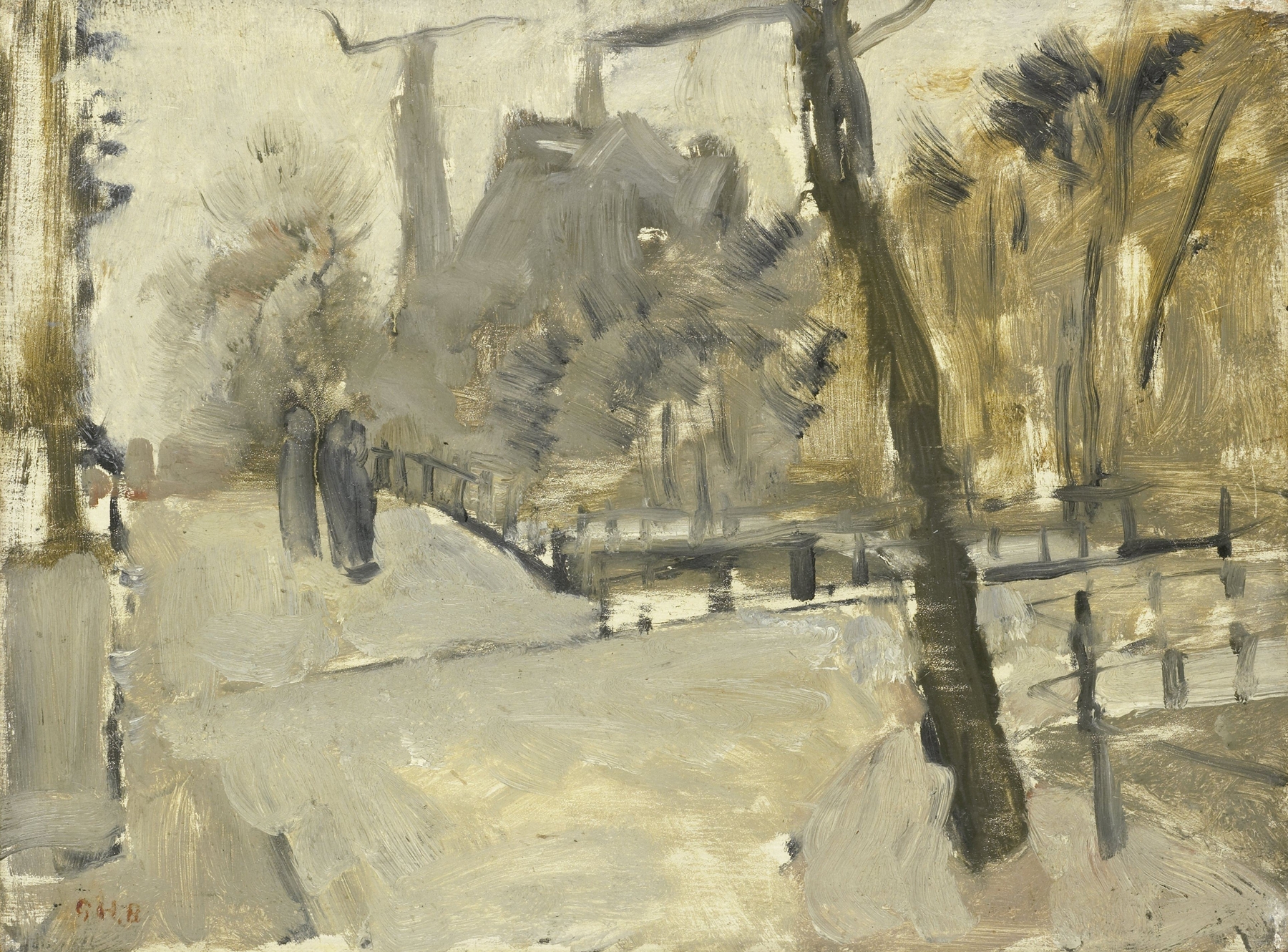
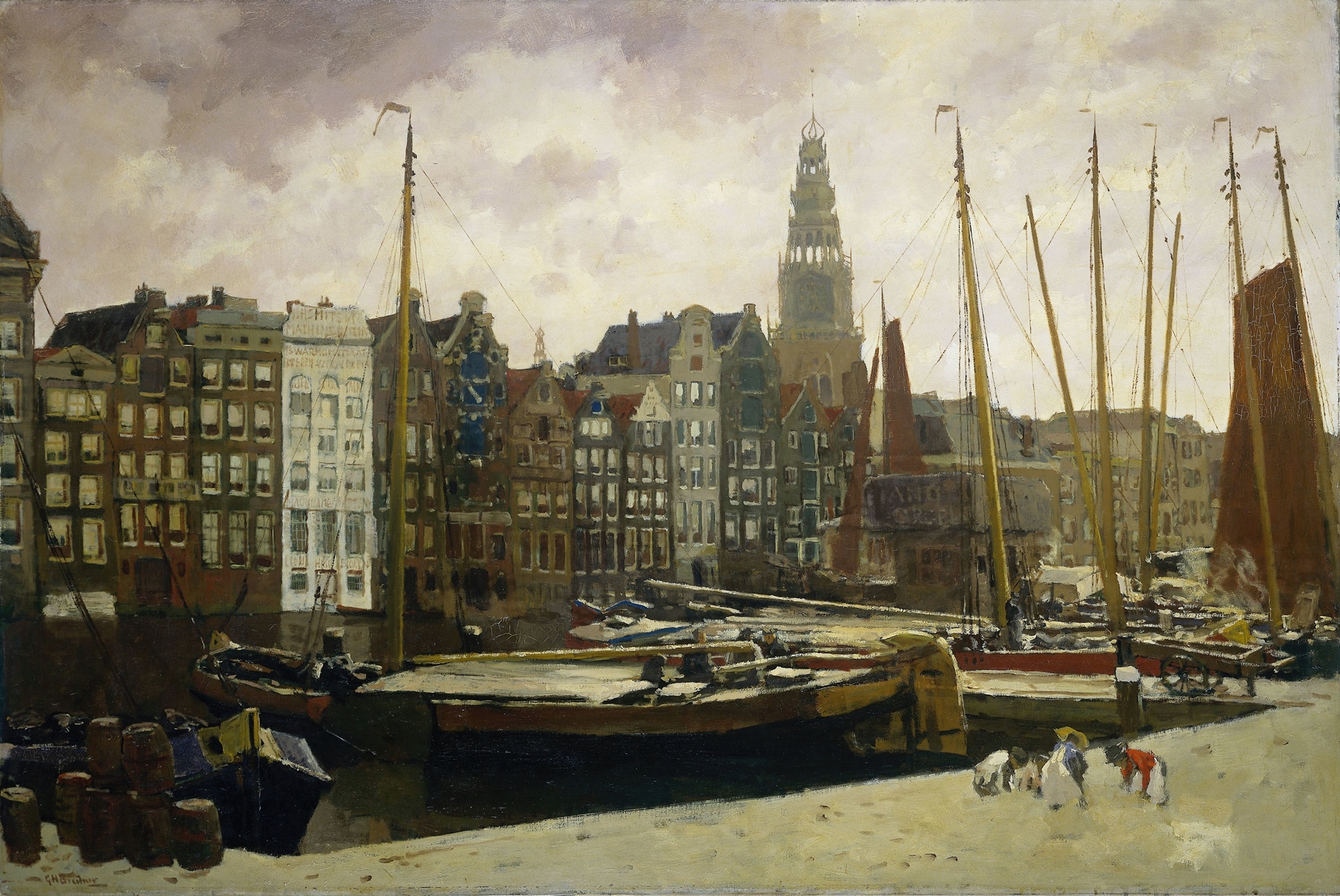
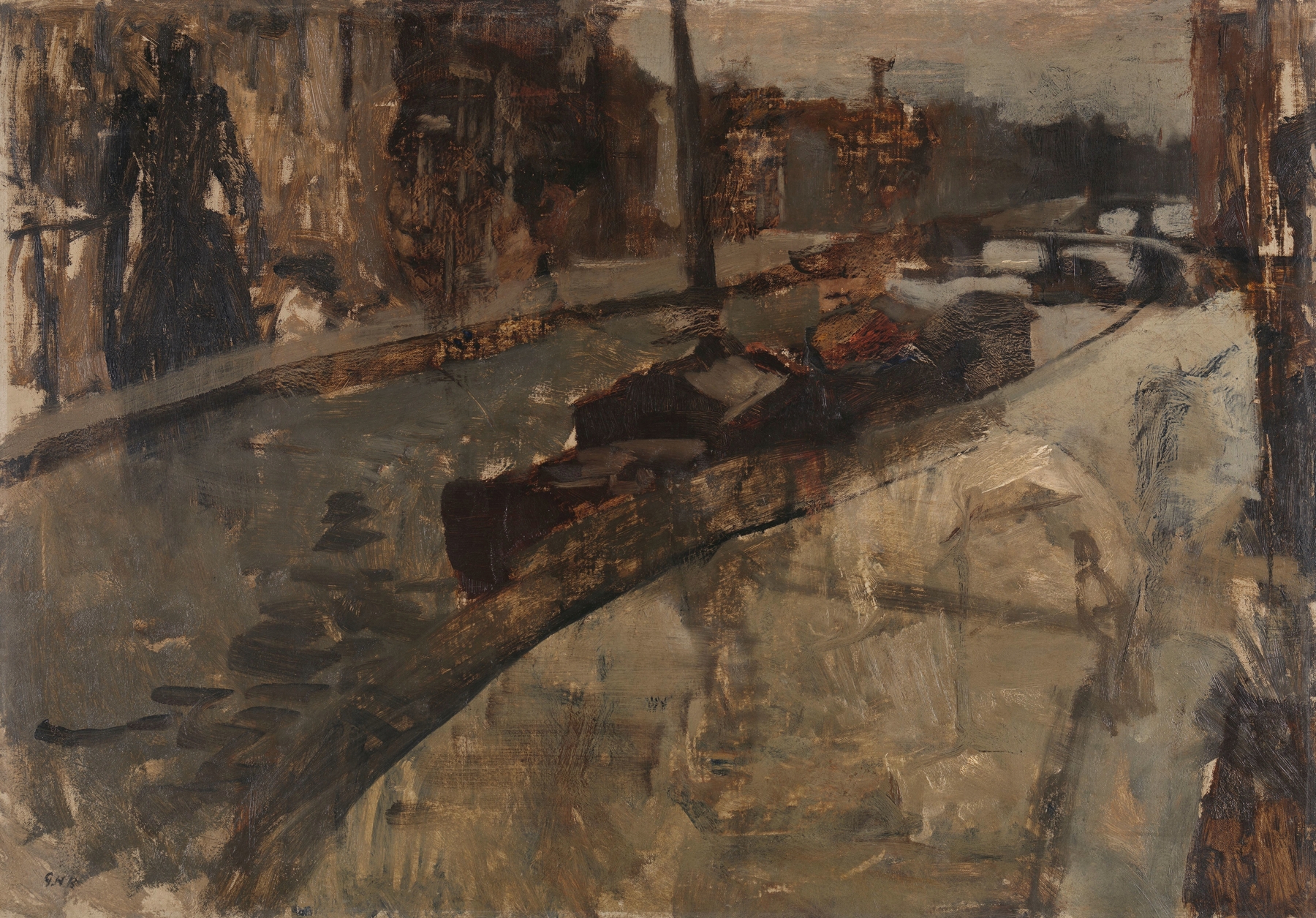
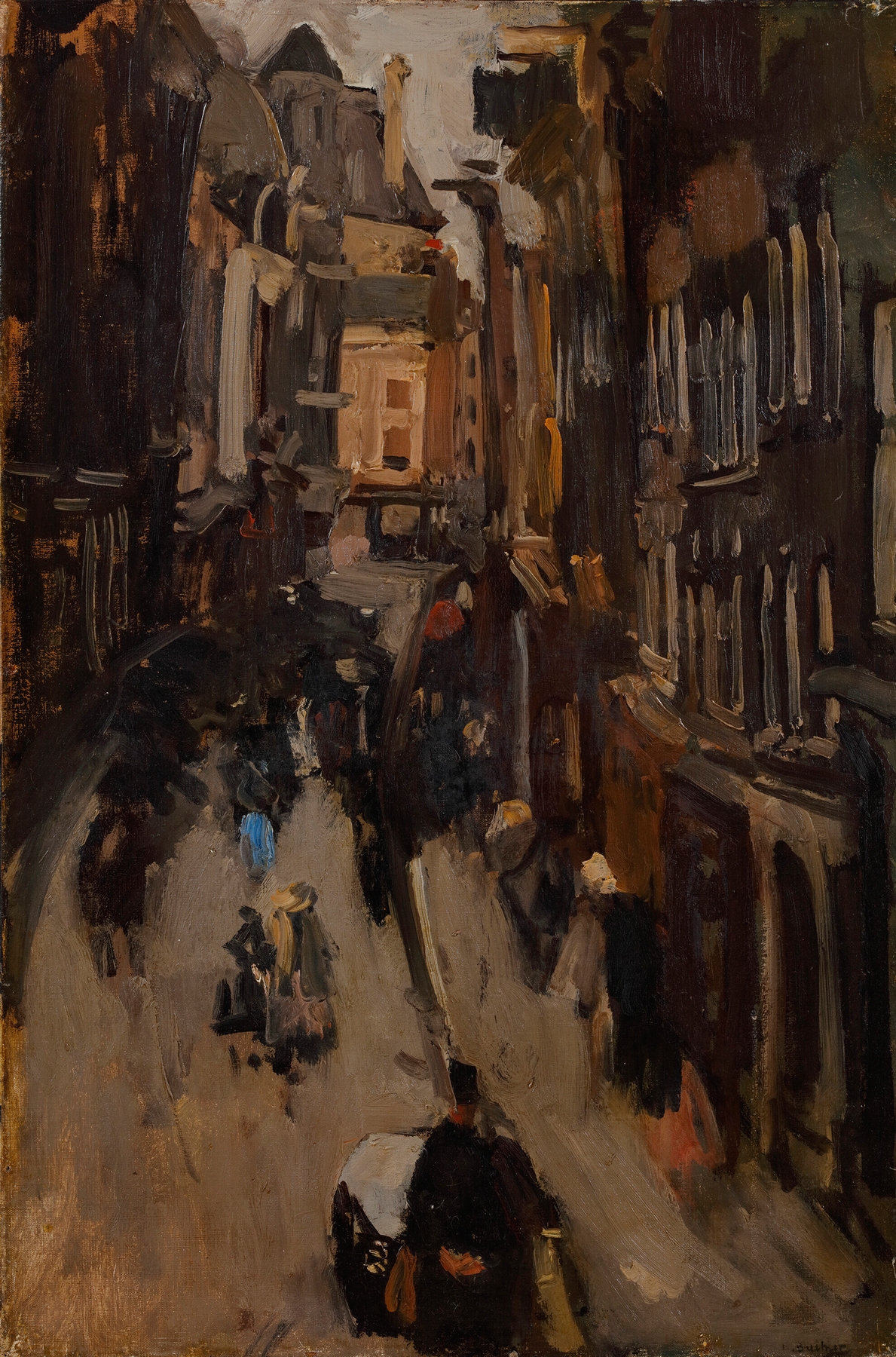
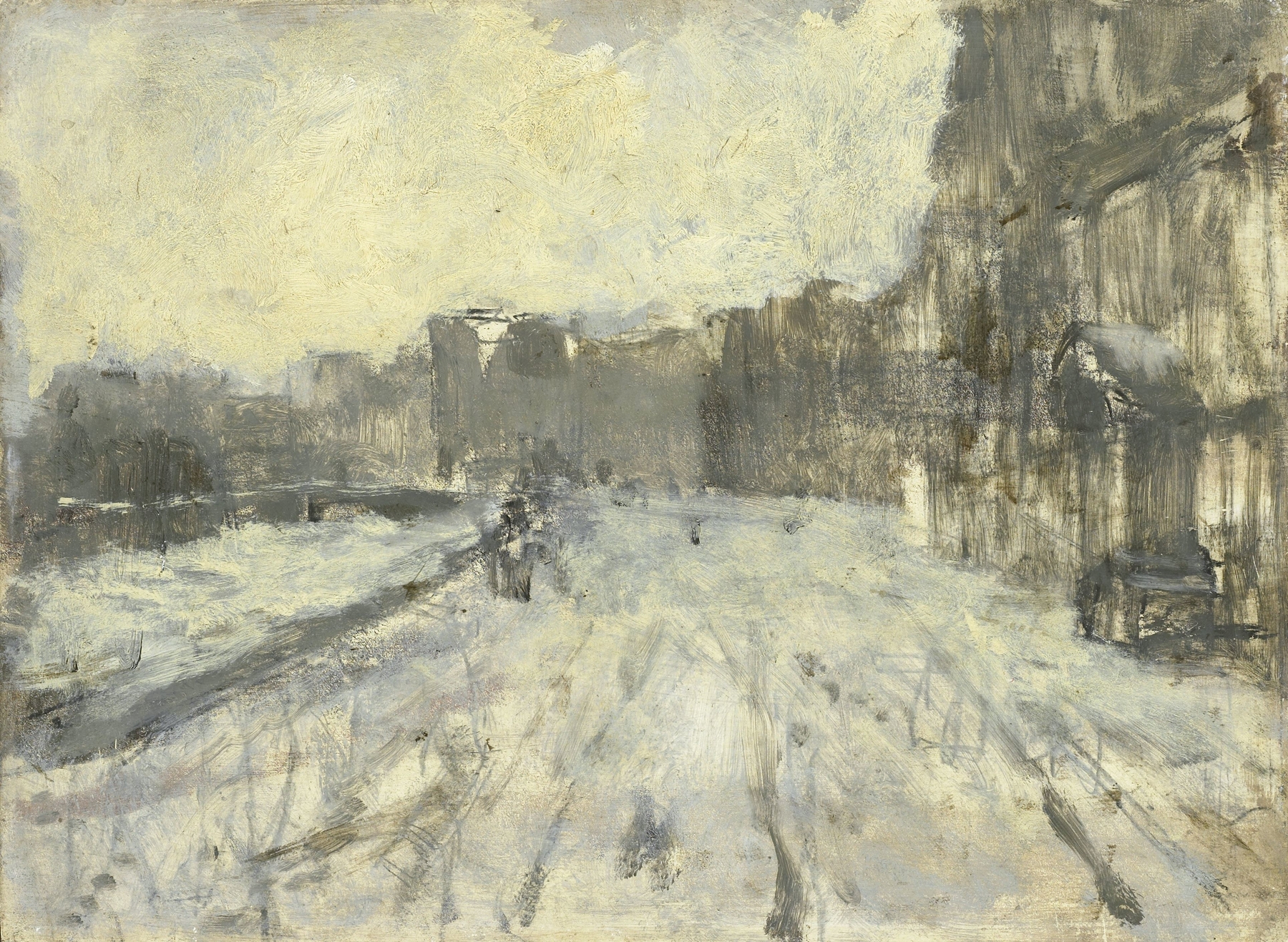
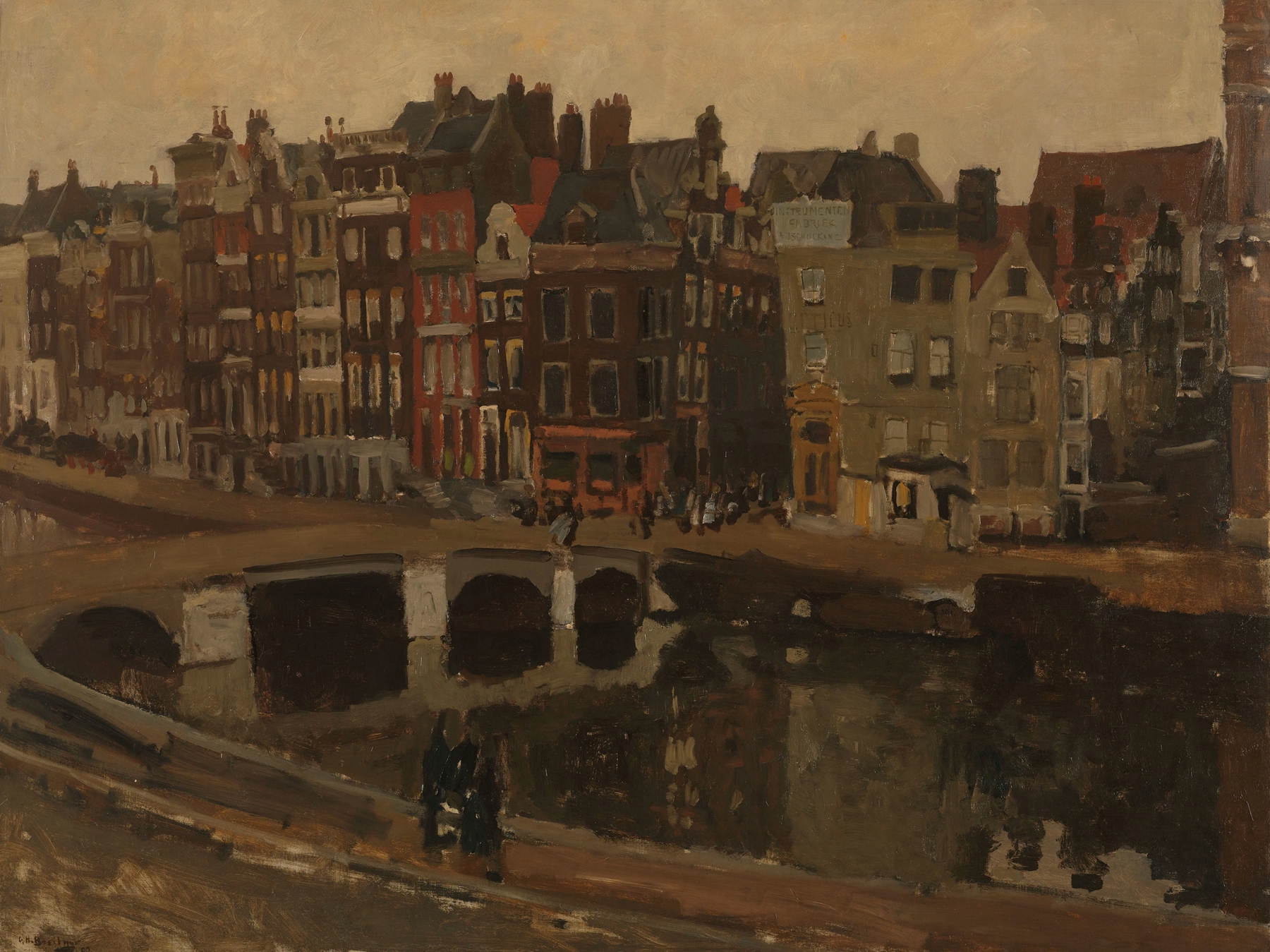
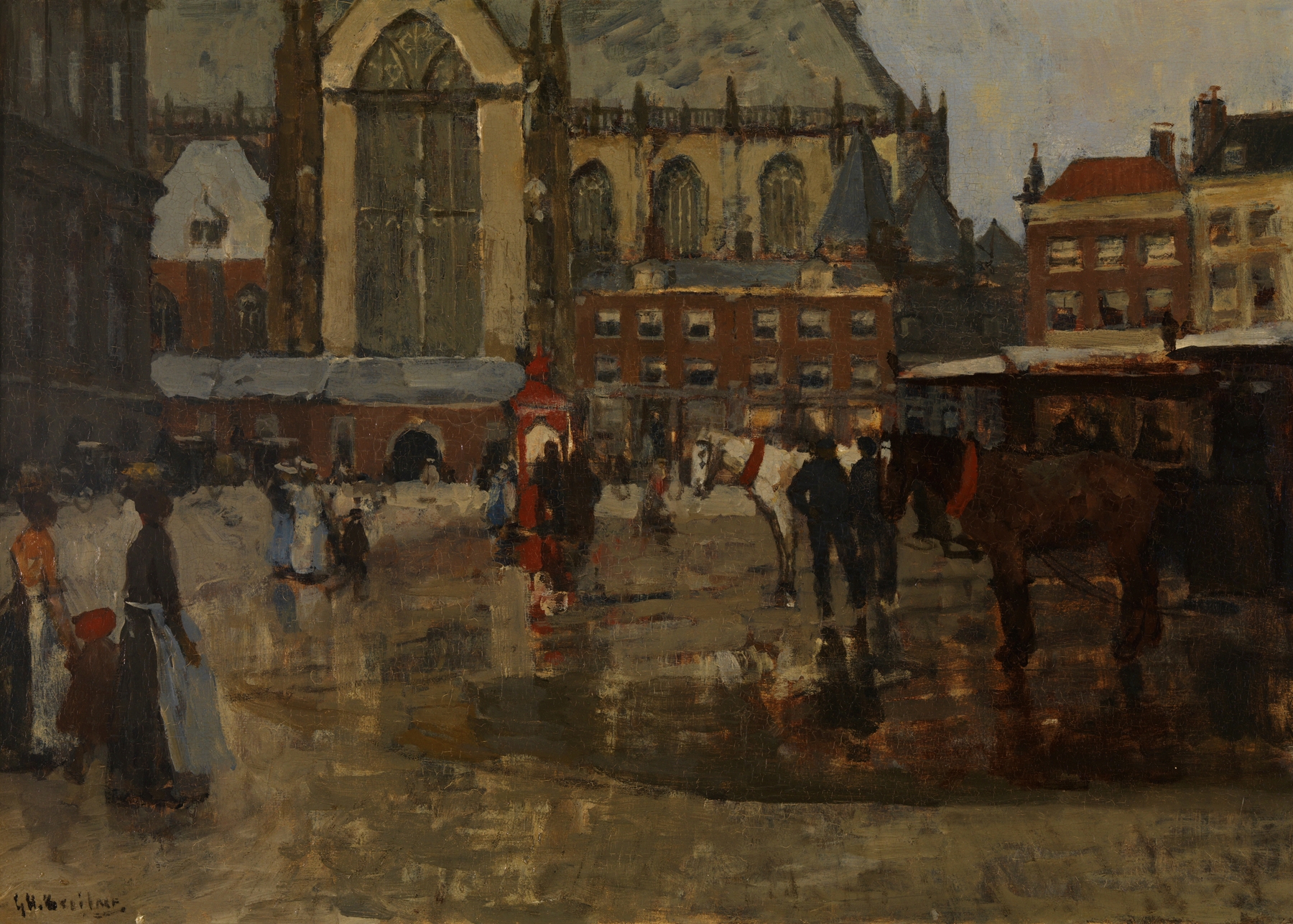
“Art reveals the soul when the world turns away.” In the heart of change, where bricks tumble and dust clouds rise, a profound transformation unfolds, echoing the quiet battles of progress and nostalgia. Look to the center of the canvas, where the sheen of freshly broken stone glistens beneath the careful strokes of oil. Observe how the artist captures the dynamic interplay of light and shadow, illuminating the chaos while echoing the decay of a once-thriving market. The figures, mere silhouettes against the backdrop of destruction, become ghostly reminders of a past life, their gestures frozen in time — some displaced in thought, others caught in the act of witnessing the end.
In this work, contrasts abound: the vibrant hues of the market's former glory clash with the muted tones of desolation. The deliberate arrangement of elements emphasizes the tension between the old and the new, inviting contemplation on the cost of modernization. The reflections of light suggest fleeting hope amidst ruin, urging viewers to grapple with the emotional weight of progress — a bittersweet reminder that every end is but a prelude to something new.
Created between 1893 and 1897, this piece reflects George Hendrik Breitner's fascination with the urban experience of Amsterdam during a period of rapid industrialization. As he painted, the city transformed around him, and this particular moment of demolition symbolized broader societal shifts. The artist's keen eye for detail and empathy for the human condition resonate through his work, capturing the essence of a world caught between memory and the relentless march of time.