The Etretat Cliffs after the Storm — History & Analysis
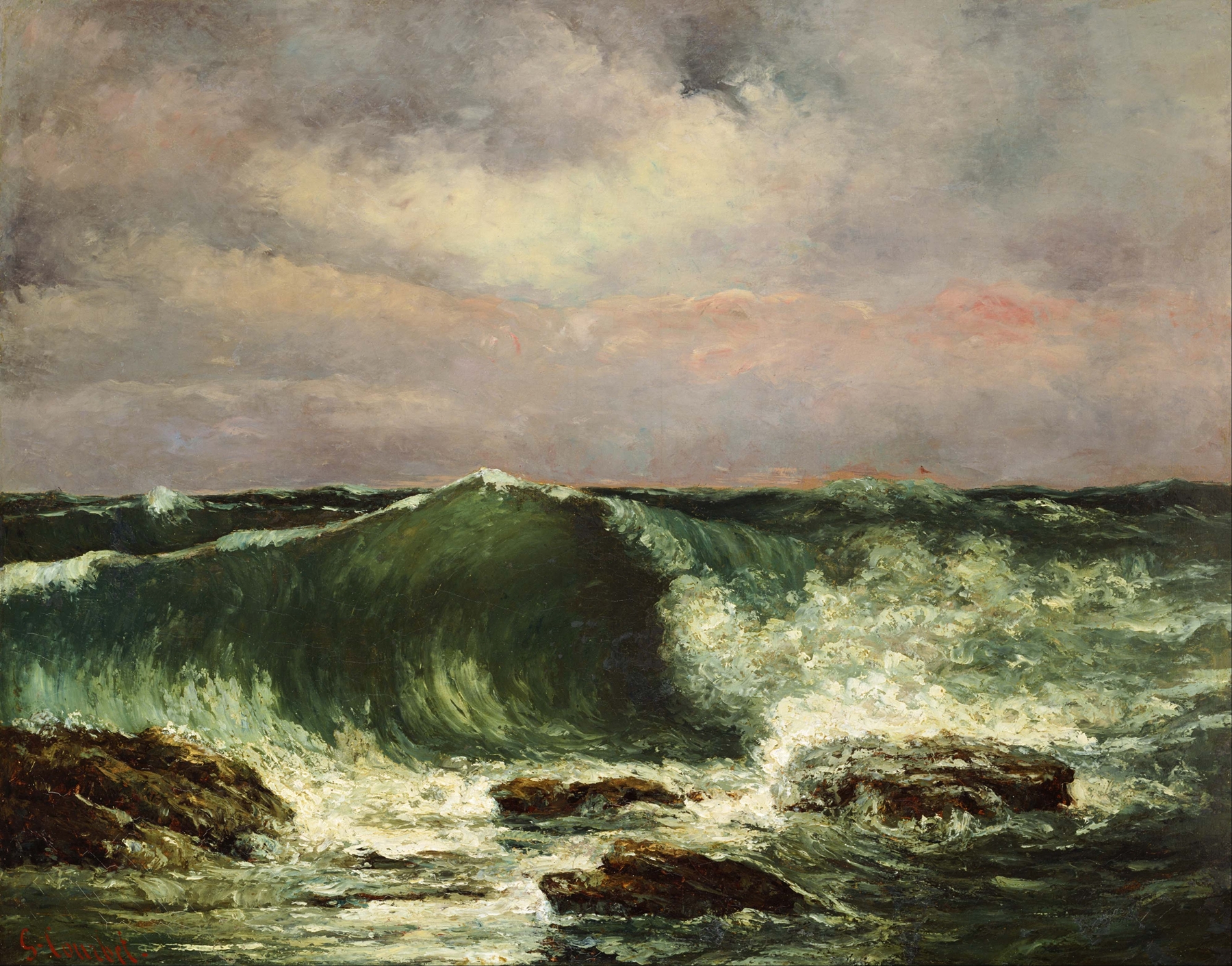
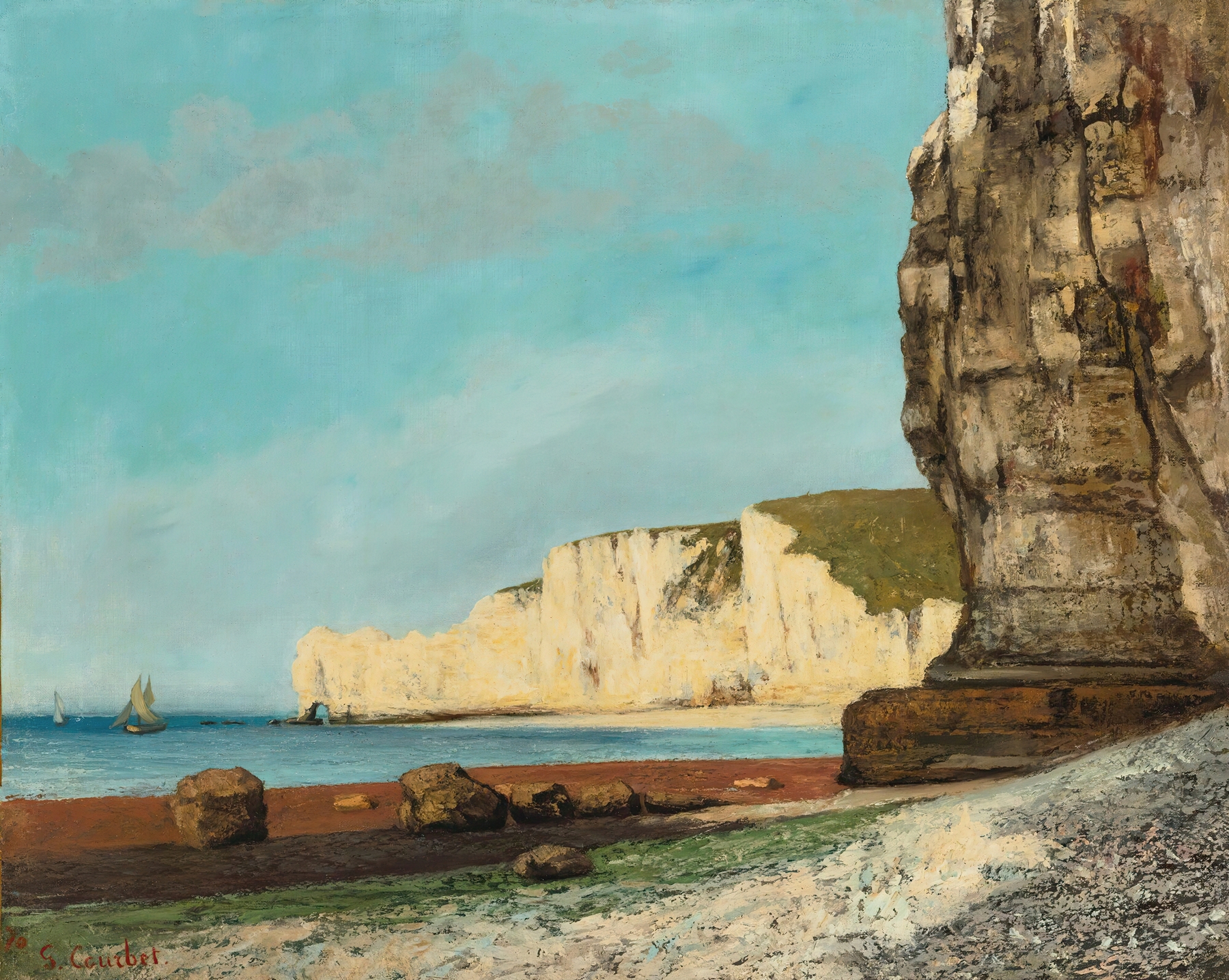
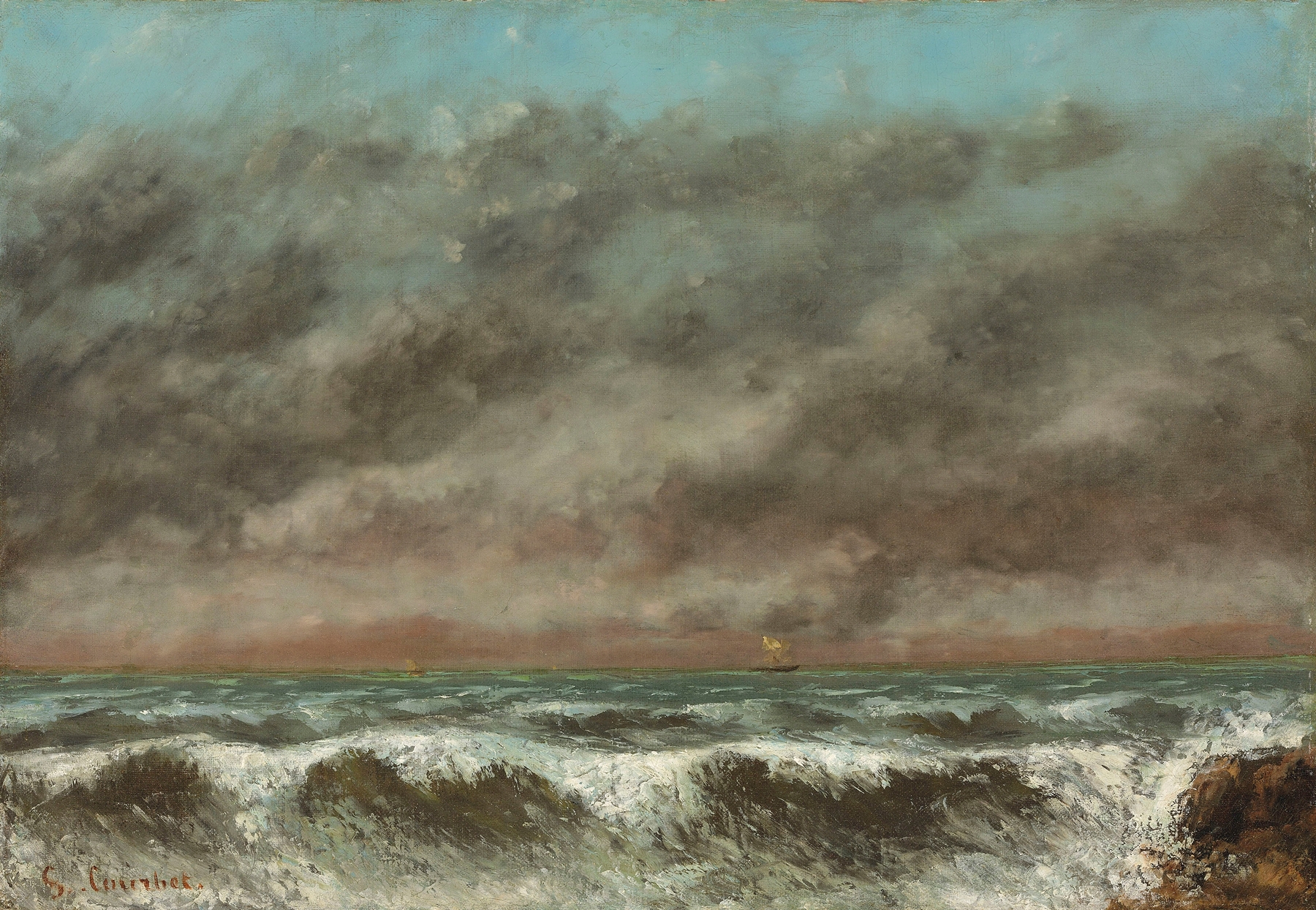
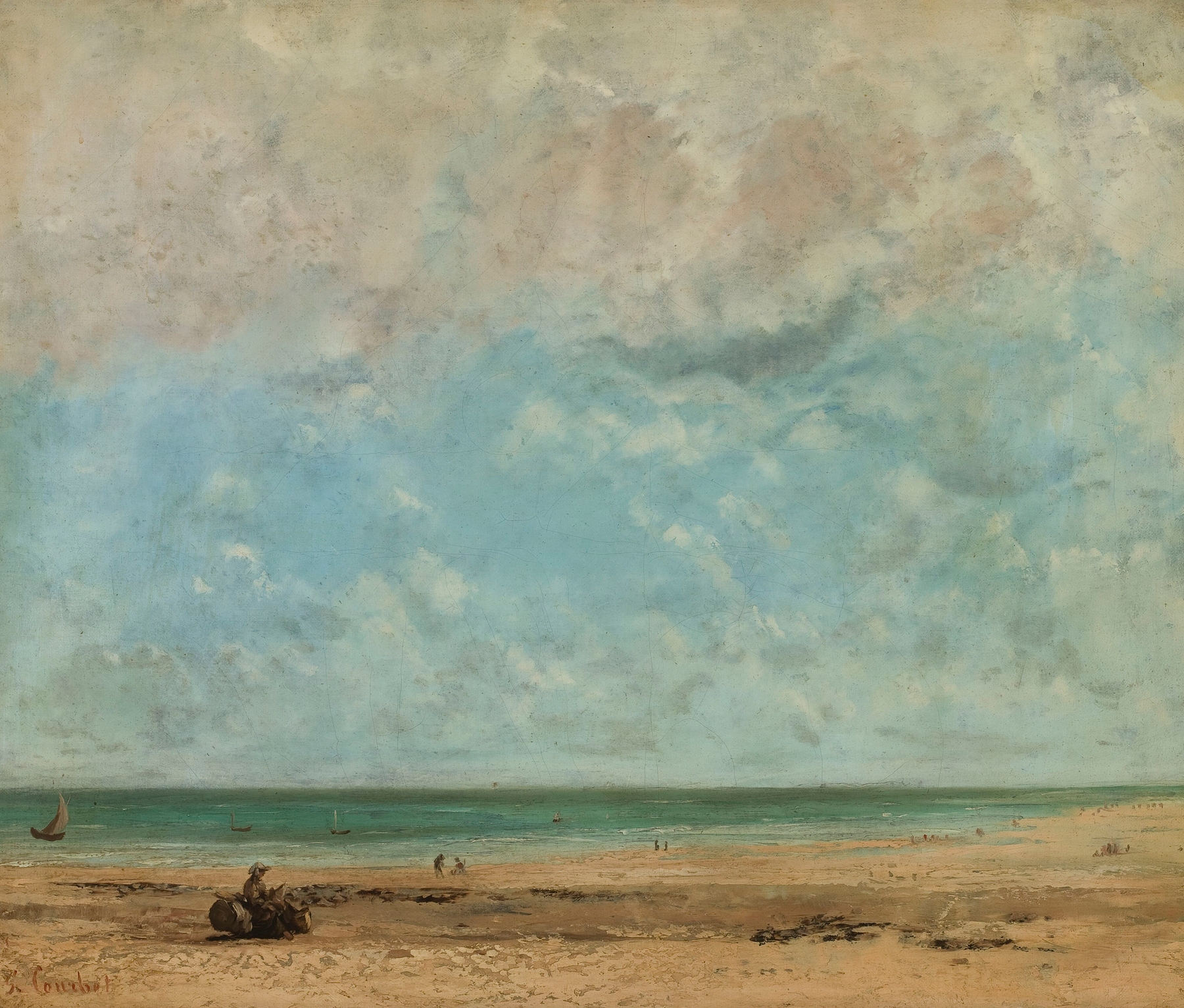
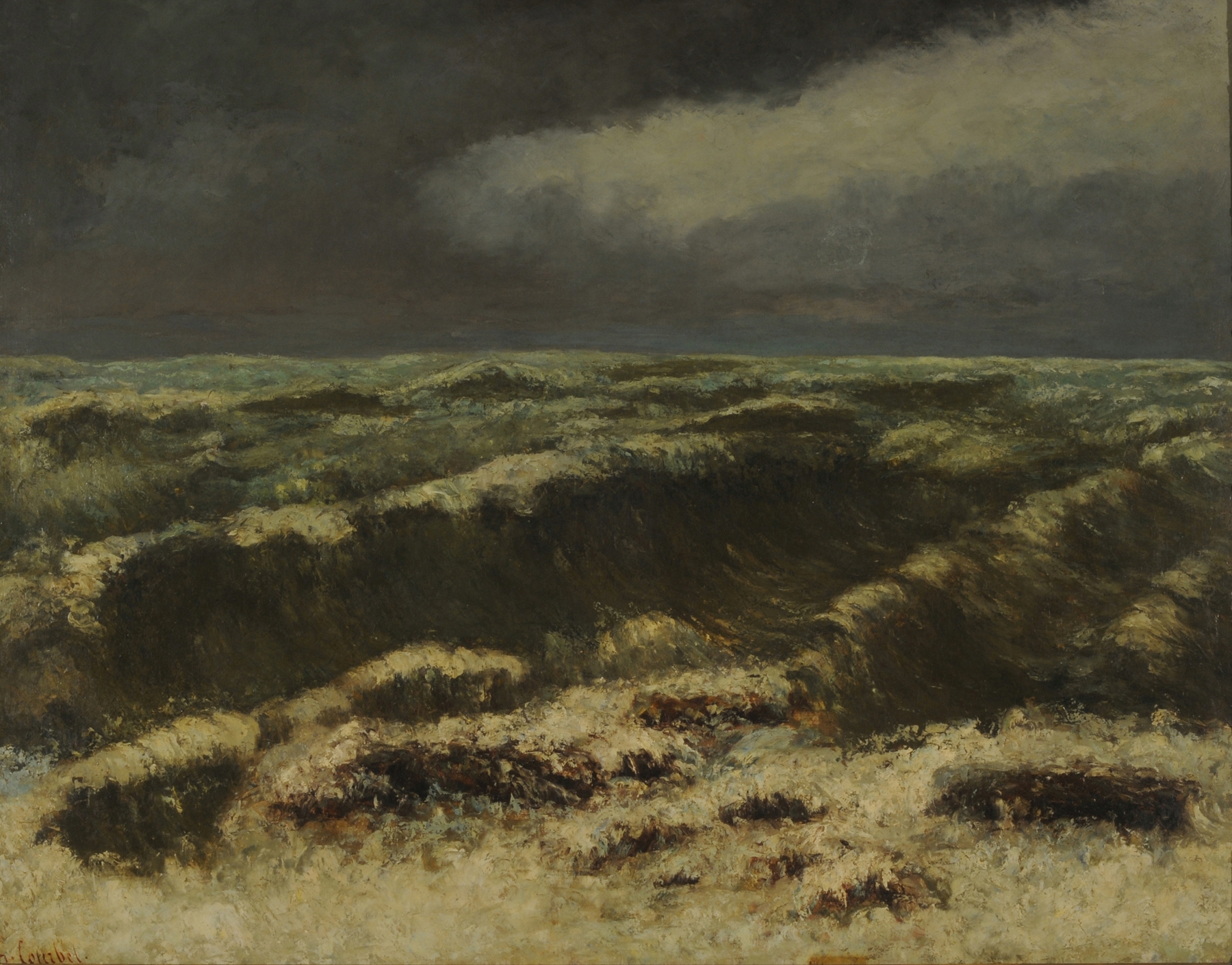
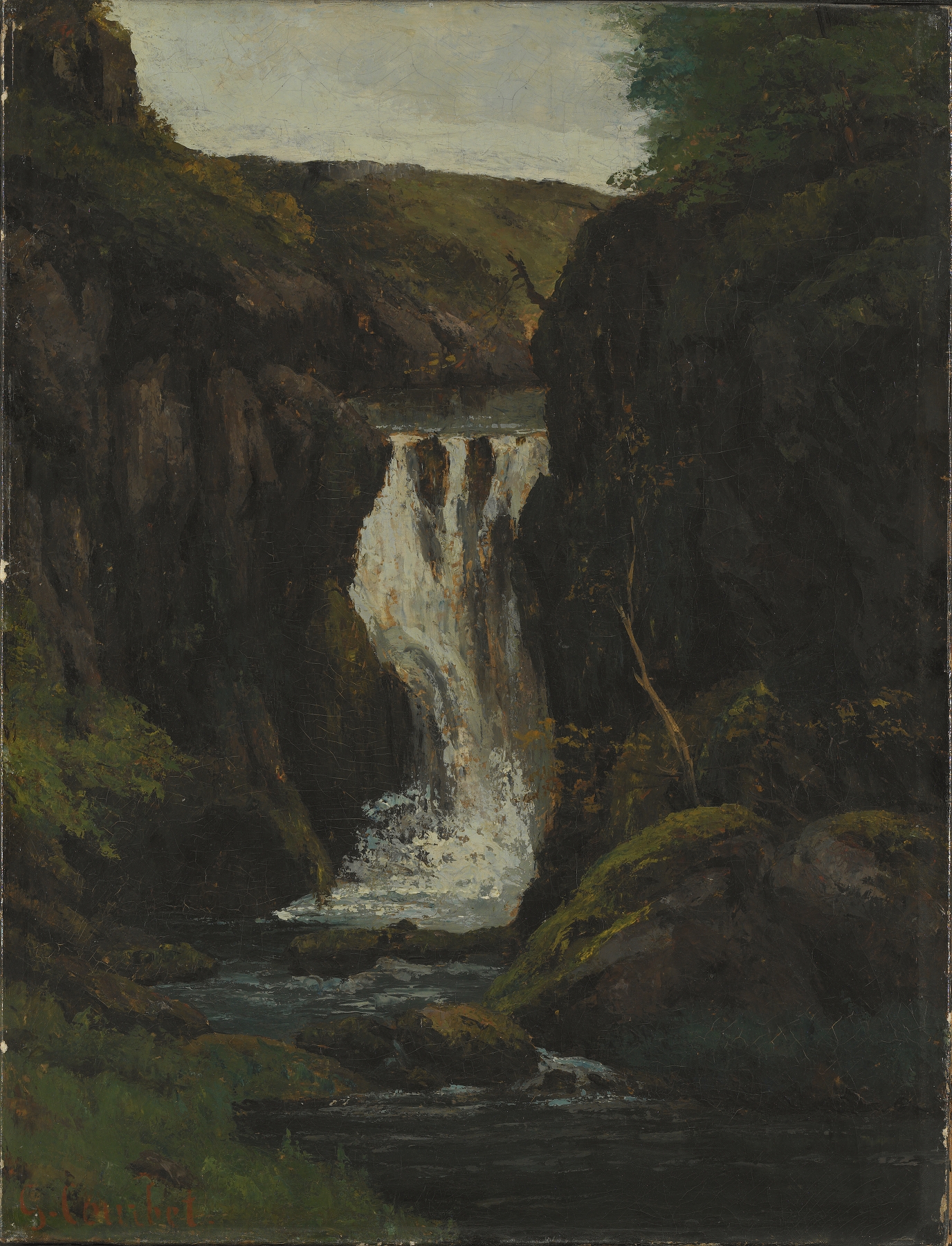
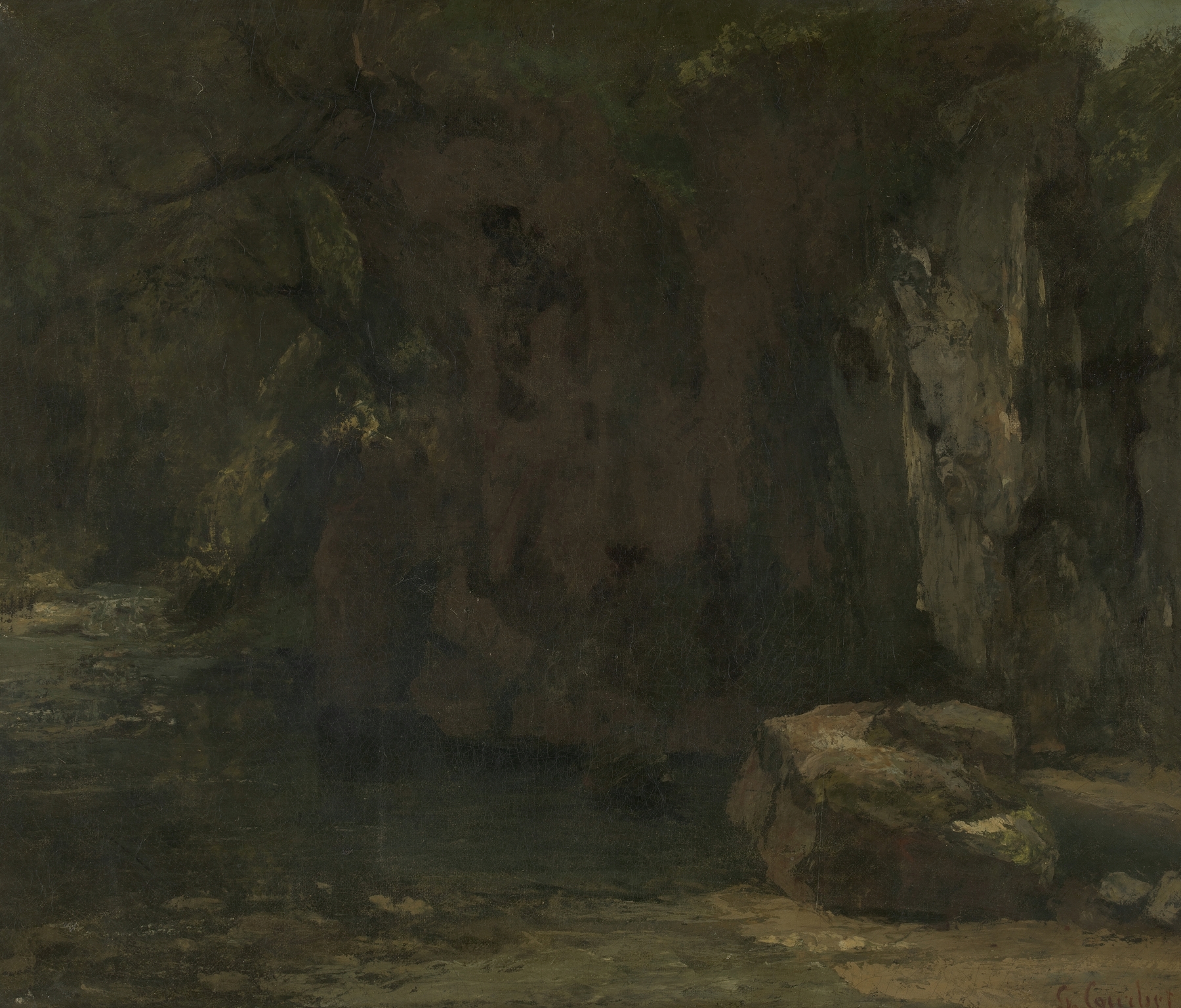
“Every silence here is a confession.” In the aftermath of turmoil, the unyielding cliffs stand as guardians of forgotten innocence, their solemn presence inviting introspection. This painting captures a fleeting moment where nature's resilience reveals the fragility of existence and the quiet truths that linger in the air. Look to the left at the jagged edge of the cliffs, where tumultuous waves embrace the rocky shore. Notice how the artist employs a palette of muted greys and soft blues to evoke both the storm's aftermath and a serene calm. The textured brushstrokes simulate the roughness of the cliffs and the rolling sea, creating a dynamic contrast between stability and chaos.
The interplay of light and shadow plays across the landscape, guiding your gaze across the canvas, while the horizon suggests a vast, uncharted world beyond. As you delve deeper, observe the delicate tension between the raw power of nature and the stillness of the scene. The shoreline, washed clean by the storm, symbolizes renewal and the promise of innocence regained. In the distance, the light breaks through the clouds, hinting at hope amidst despair—a reflection of the duality of life itself.
Each stroke carries an emotional weight, inviting viewers to ponder their own experiences of loss and redemption. Created in 1870, this work reflects Courbet's commitment to realism during a time of political upheaval in France. He painted it while residing in the region, capturing the cliffs that inspired him. This moment in art history was marked by a shift towards portraying the raw and unembellished truths of nature and human experience, making it a pivotal piece in the evolution of landscape painting.