The falls of Tivoli with the Temple of the Sibyl and figures resting in the foreground — History & Analysis
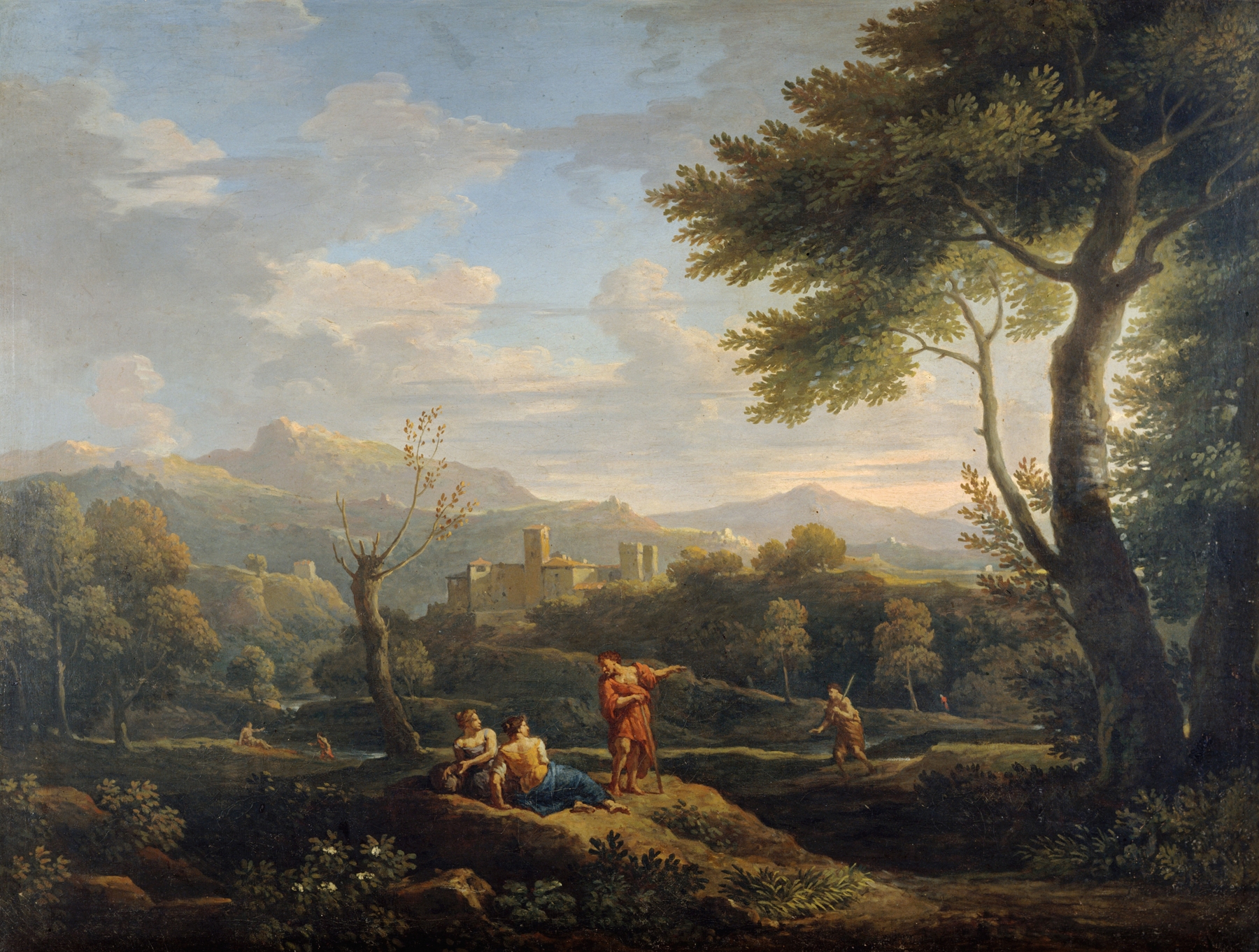
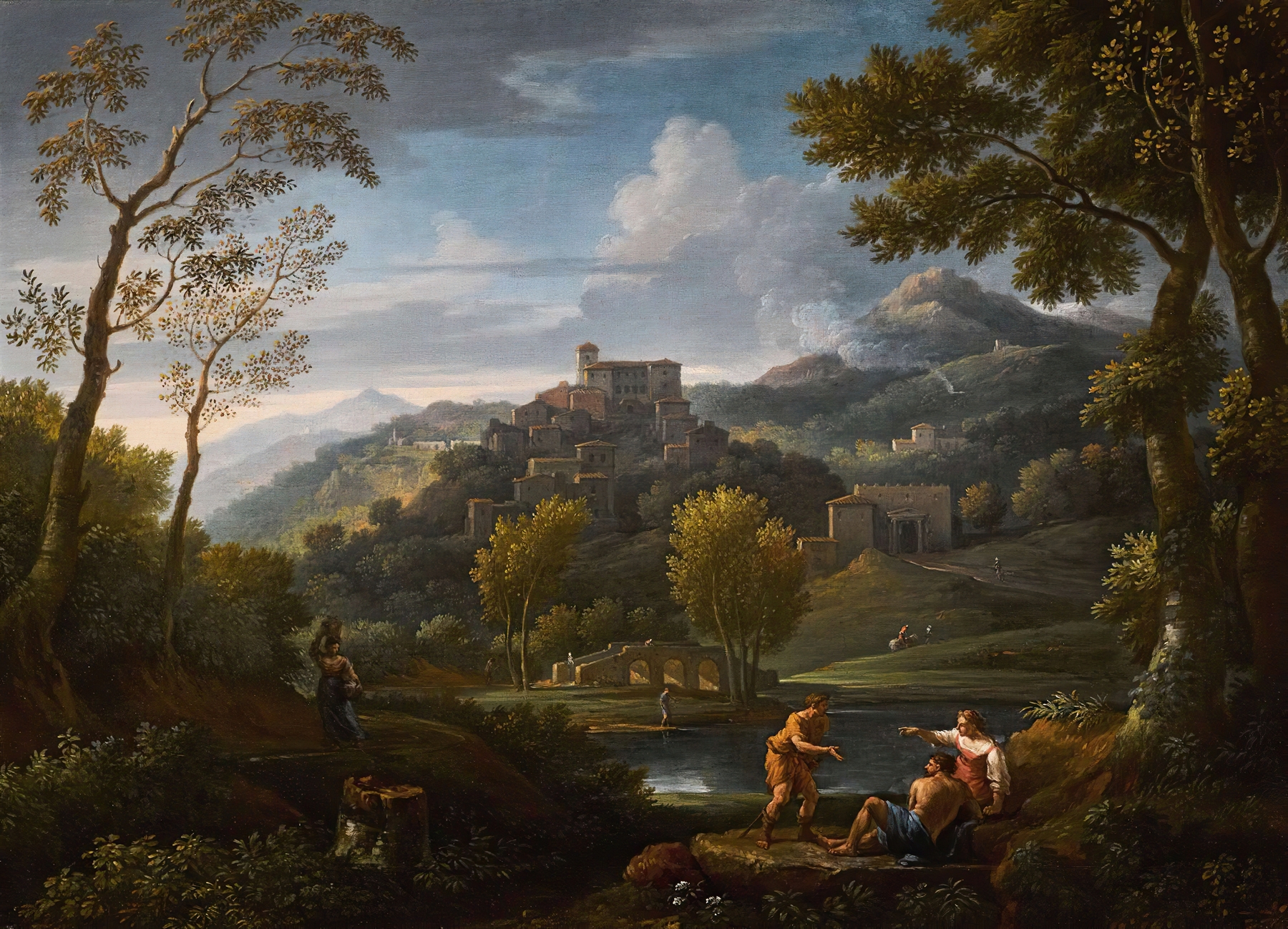
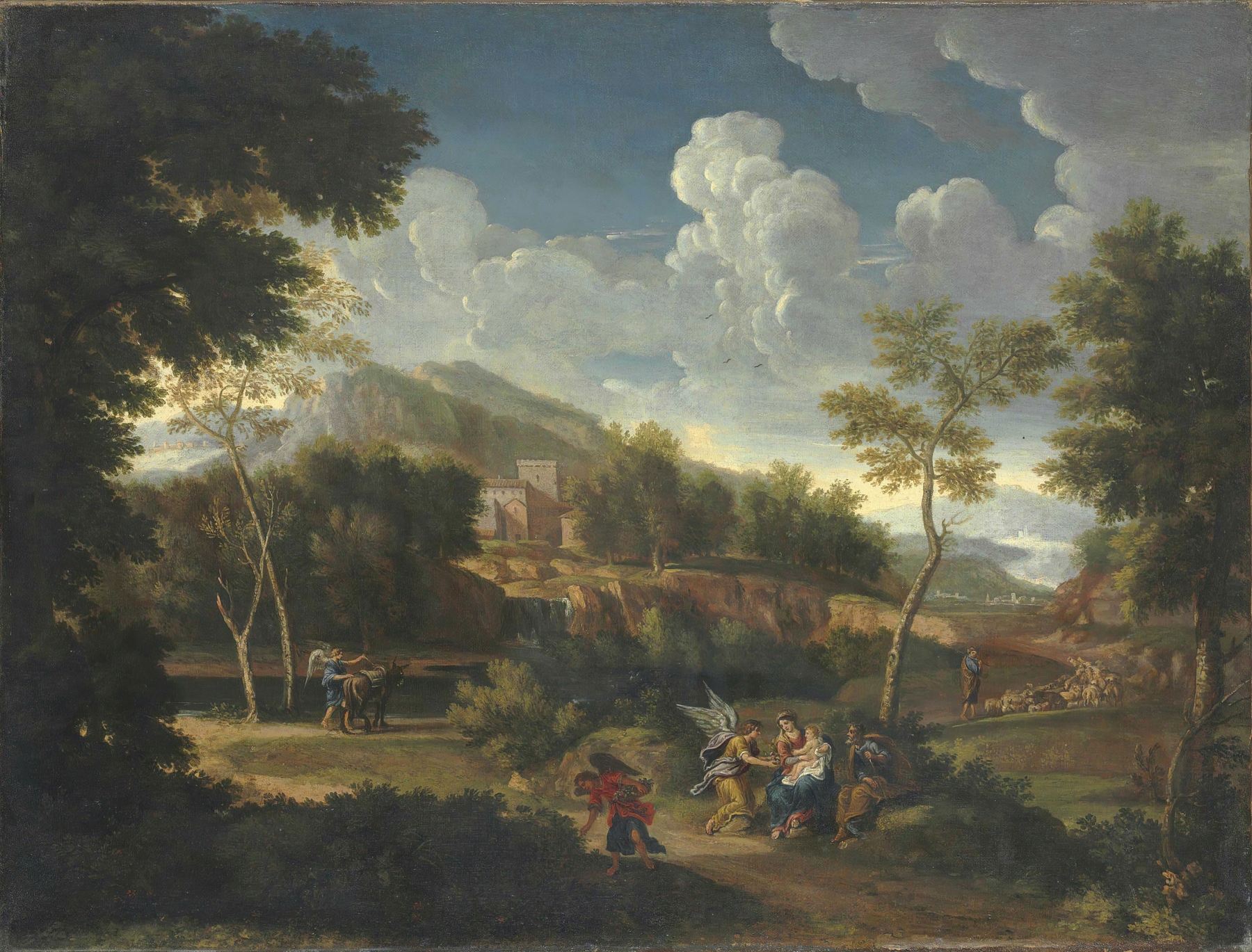
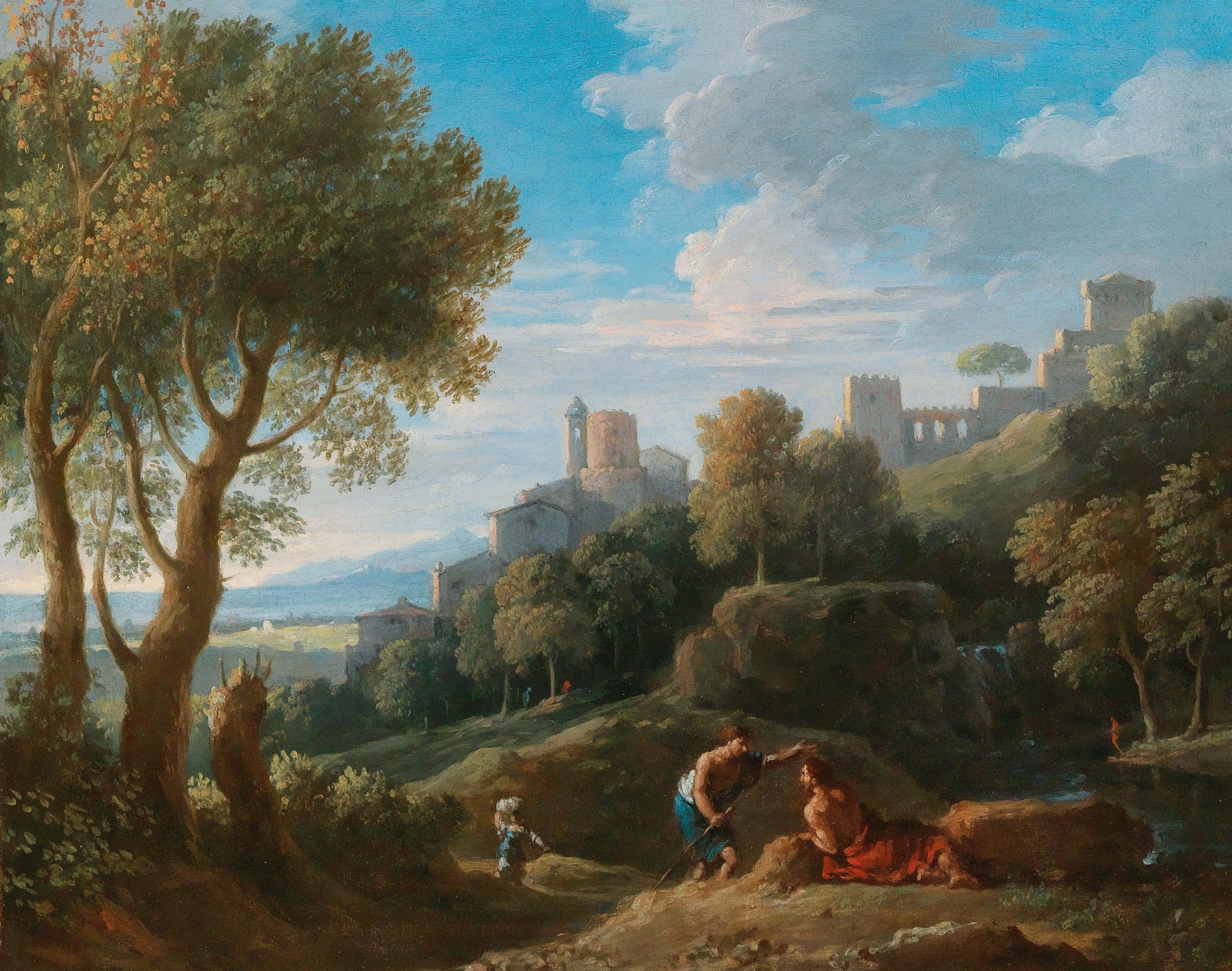
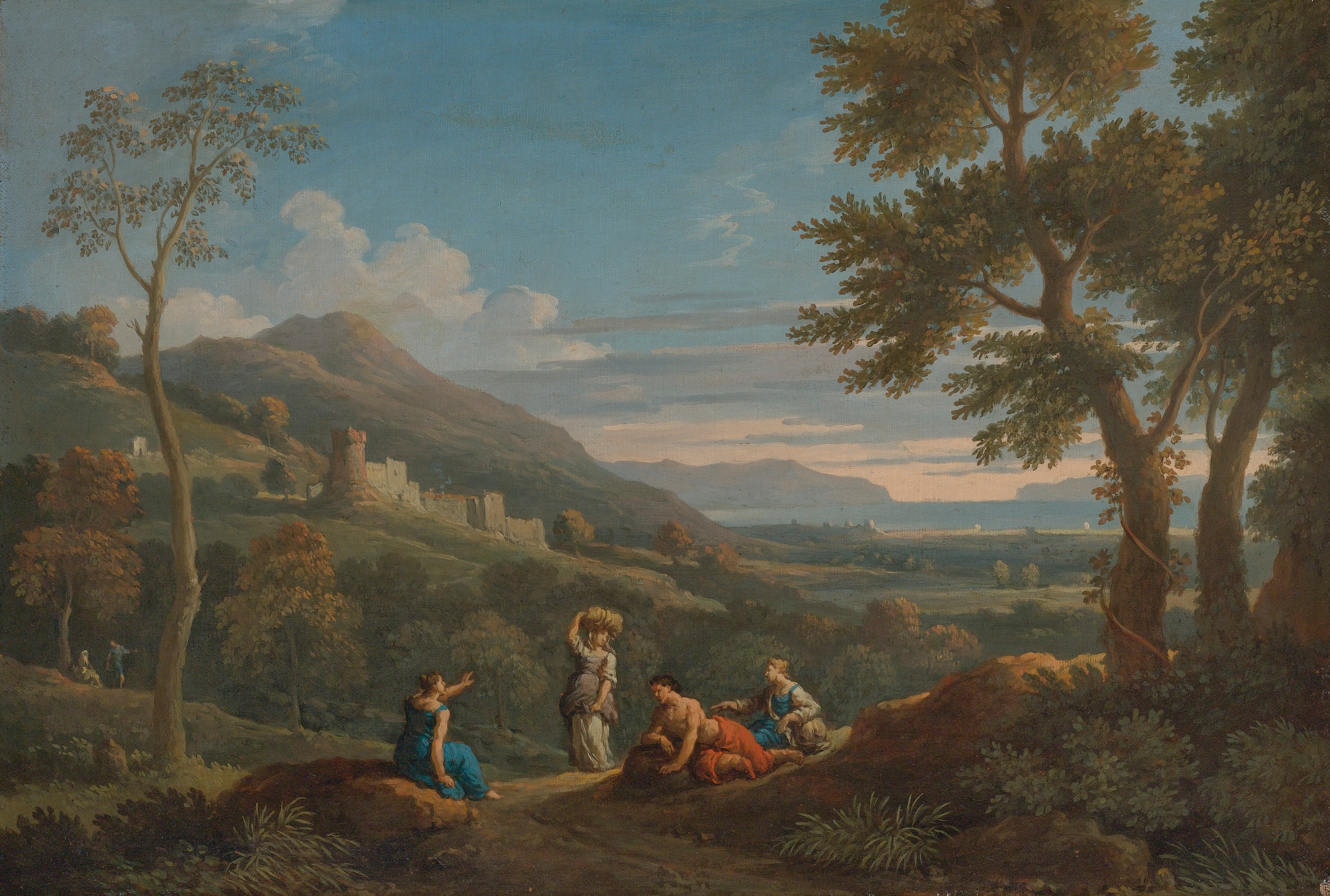
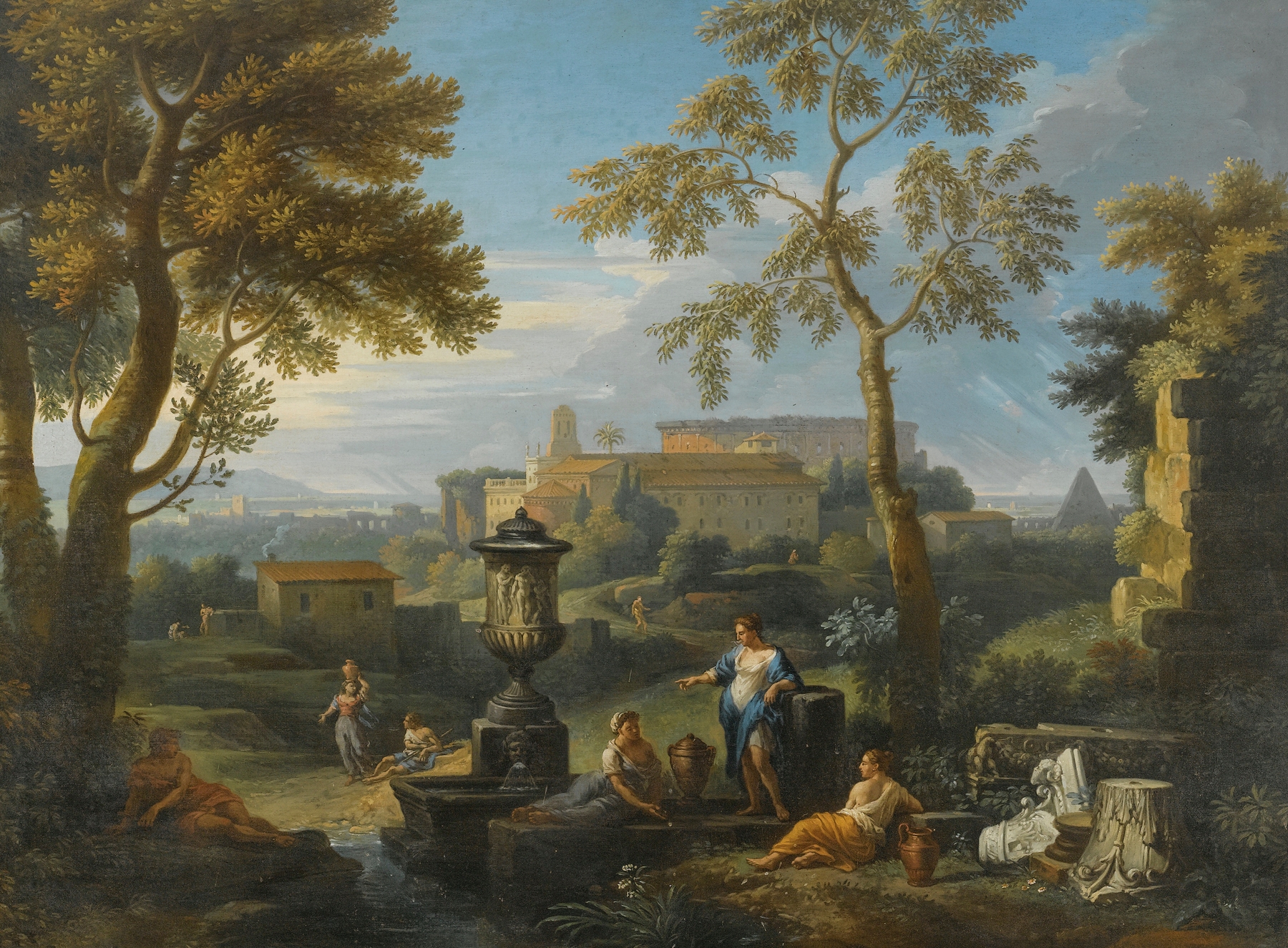
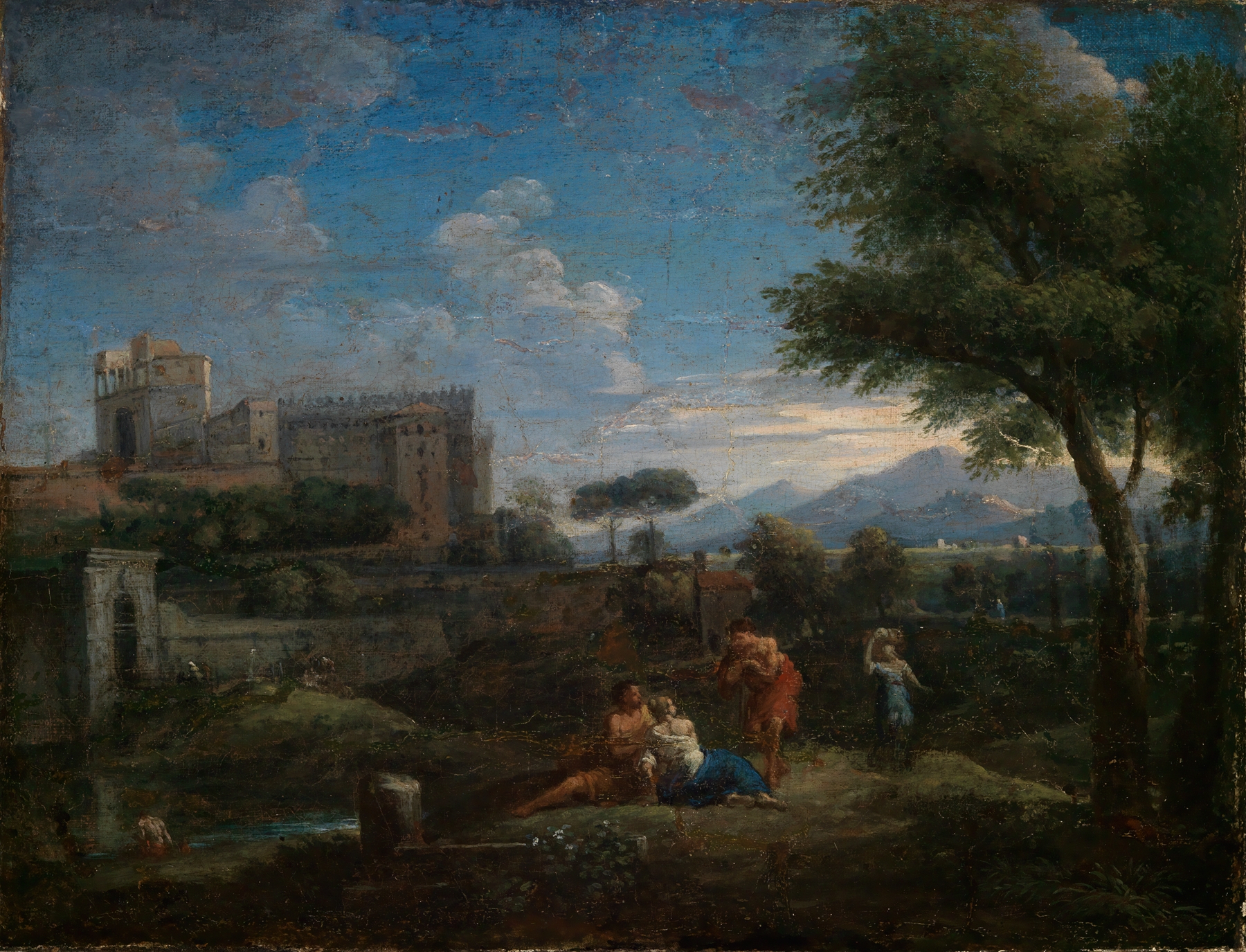
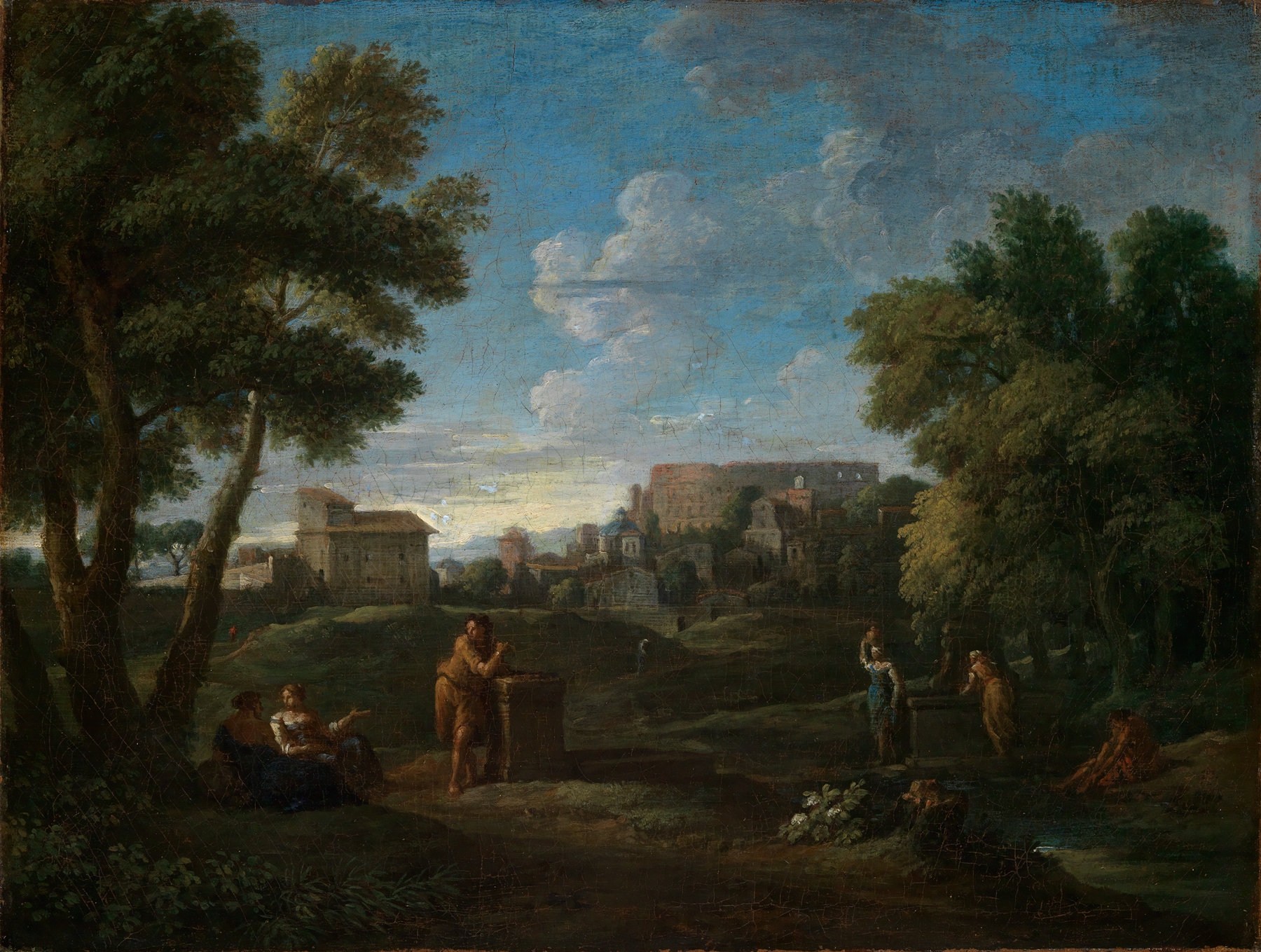
What secret hides in the quiet of the canvas? In the serene yet haunting depiction of nature’s majesty, the essence of decay lingers beneath the surface, waiting to be unveiled. Look to the left, where cascading water flows majestically down rocky cliffs, glimmering under a fragile light. The artist’s deft brushstrokes create a dynamic movement in the waterfalls, contrasting the stillness of the figures seated in the foreground. Notice how the muted earth tones of the landscape harmonize with the gentle hues of the sky, evoking a sense of nostalgia.
This careful interplay of color and form draws the eye across the composition, inviting contemplation of both beauty and transience. Deeper within the scene, the figures appear almost ghostly, their forms blending into the landscape, suggesting a unity with nature that hints at impermanence. The temple, a regal remnant of history, stands as a testament to time’s passage, crumbling yet dignified. Here, decay is not merely a loss; it becomes a poignant reminder of life’s cycle, as the vibrant foliage envelops the structure, reclaiming it for nature.
This delicate balance between beauty and deterioration invites viewers to reflect on the inevitable fade of existence. Created during a time when the romanticism of nature was beginning to flourish in art, the artist worked on this piece while navigating the shifting tides of 18th-century European aesthetics. In this milieu, the blending of the sublime with the everyday became a hallmark of landscape painting. The artist’s exploration of tranquility in decay reflects both a personal philosophy and a broader cultural yearning for connection with nature, as the world outside saw rapid industrialization and change.