The Garden at Meadle — History & Analysis
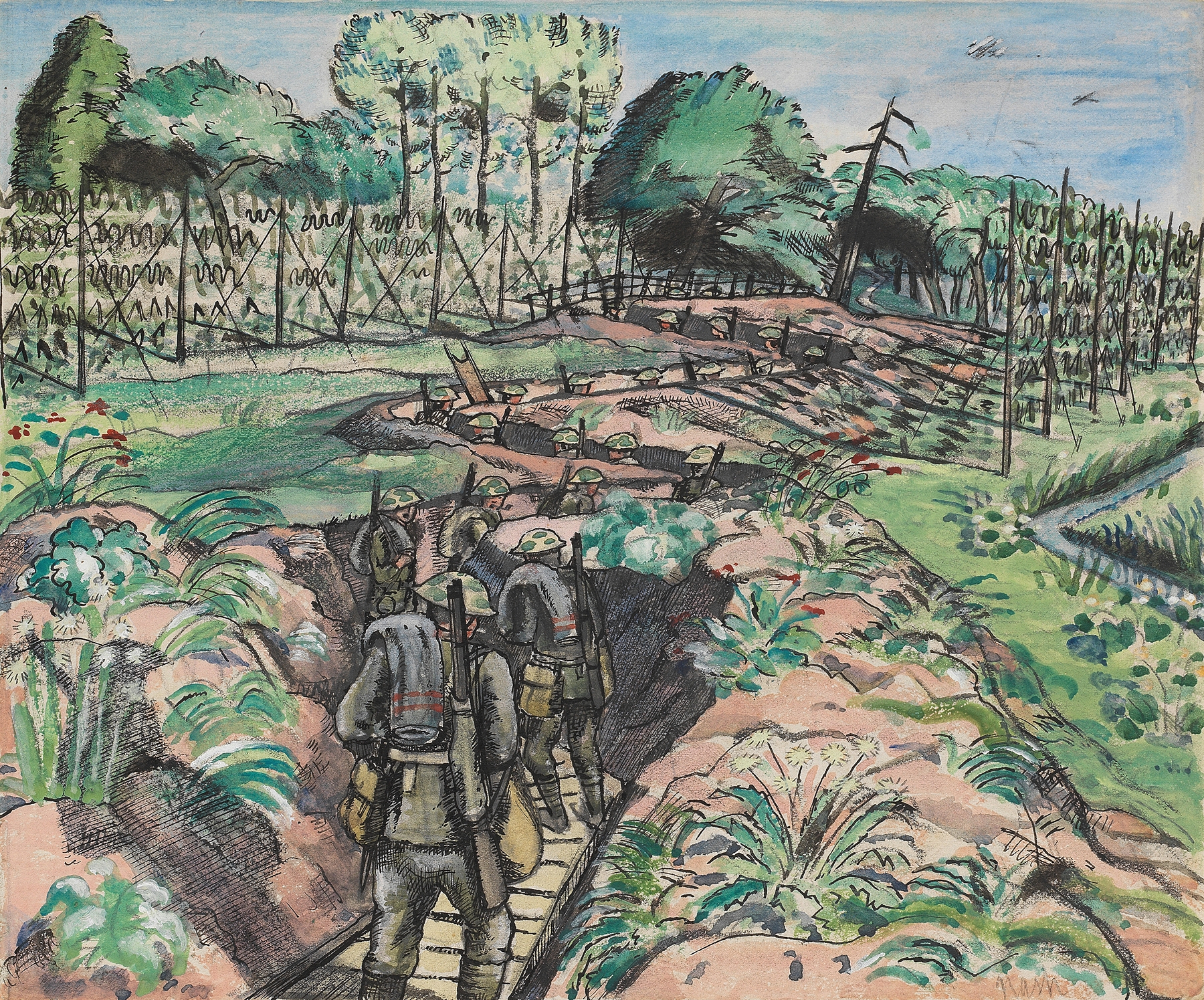
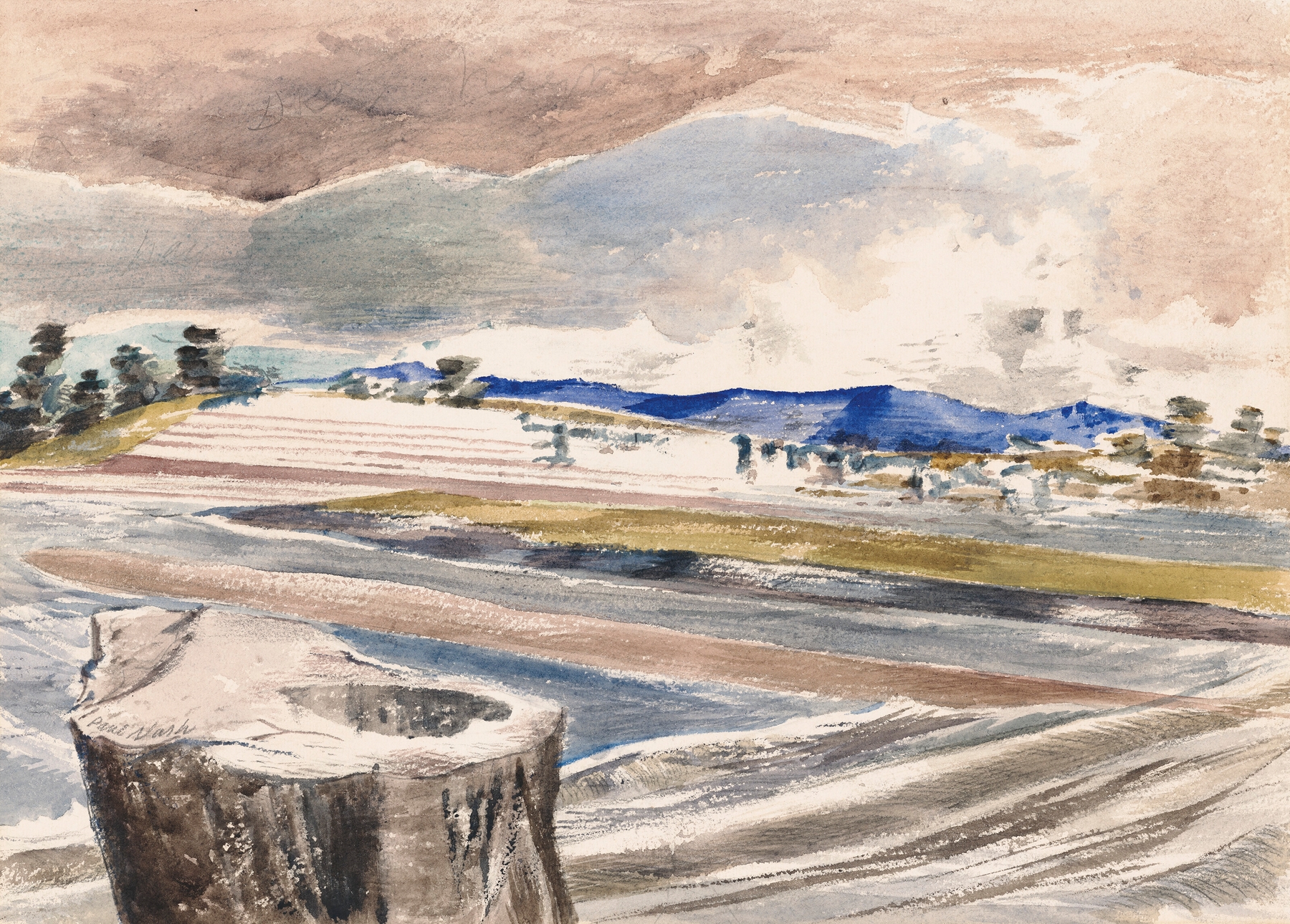
In the twilight of a summer evening, a garden unfolds its secrets, each flower and shadow alive with whispers. The air hangs thick with the scent of blossoms, while a solitary figure roams, captivated by nature's allure. Silhouettes stretch and bend beneath the fading light, as if the garden itself holds its breath, caught in a moment of reverie and obsession. Look to the left at the vibrant patches of color that burst forth amidst the verdant greens. Notice how the brushstrokes intertwine, creating a vivid tapestry of wildflowers, their petals almost tactile in their richness.
The composition is asymmetrical, drawing the eye into a labyrinthine exploration, while deep shadows loom, hinting at hidden depths and uncharted territories. The interplay of light and dark is both inviting and foreboding, capturing the essence of a space that teeters on the edge of reality and fantasy. Yet, amid the lush beauty lies an undercurrent of tension—an obsession with both creation and decay. The meticulously arranged flowers contrast sharply with the wild overgrowth that encroaches upon them, symbolizing a struggle between order and chaos.
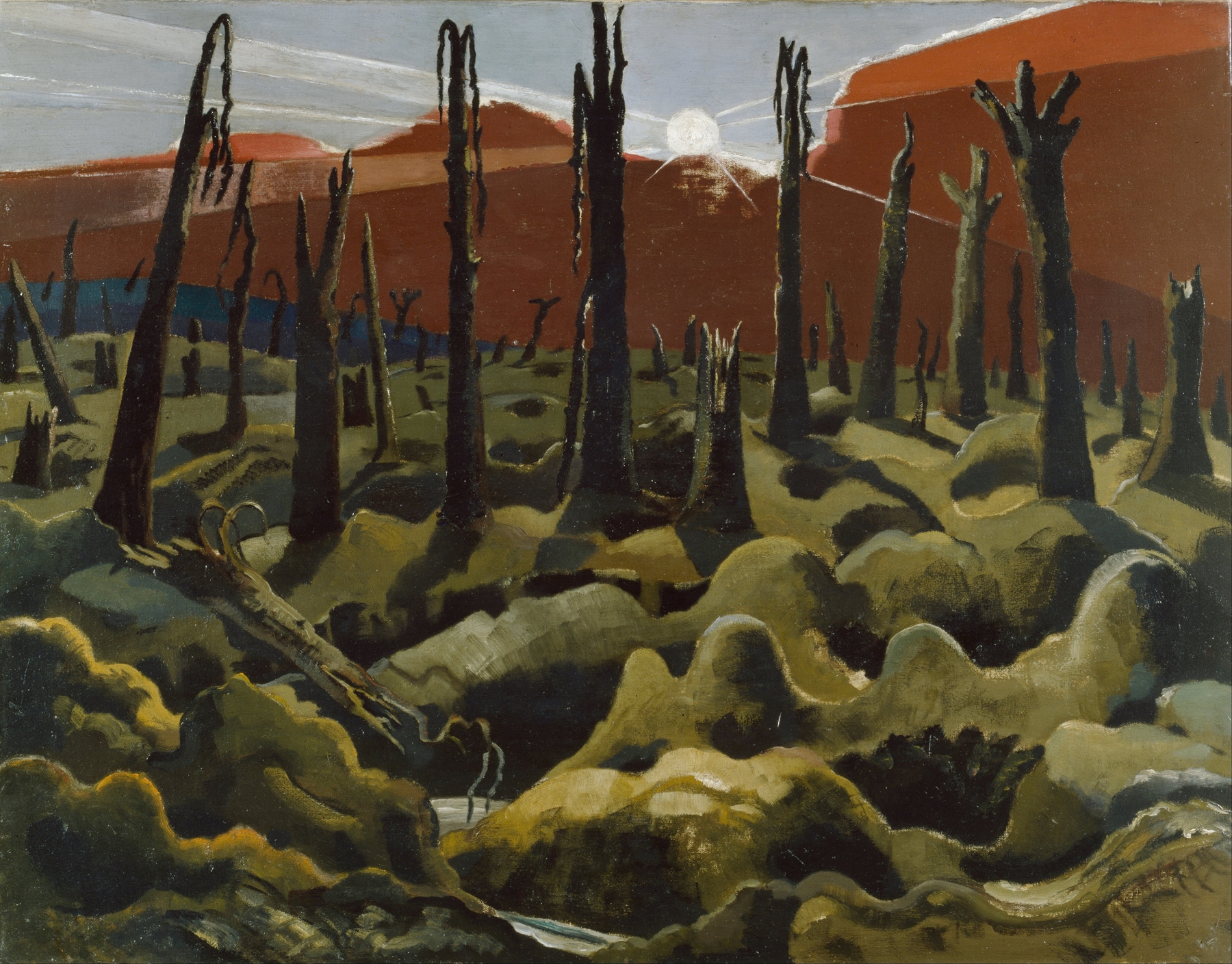
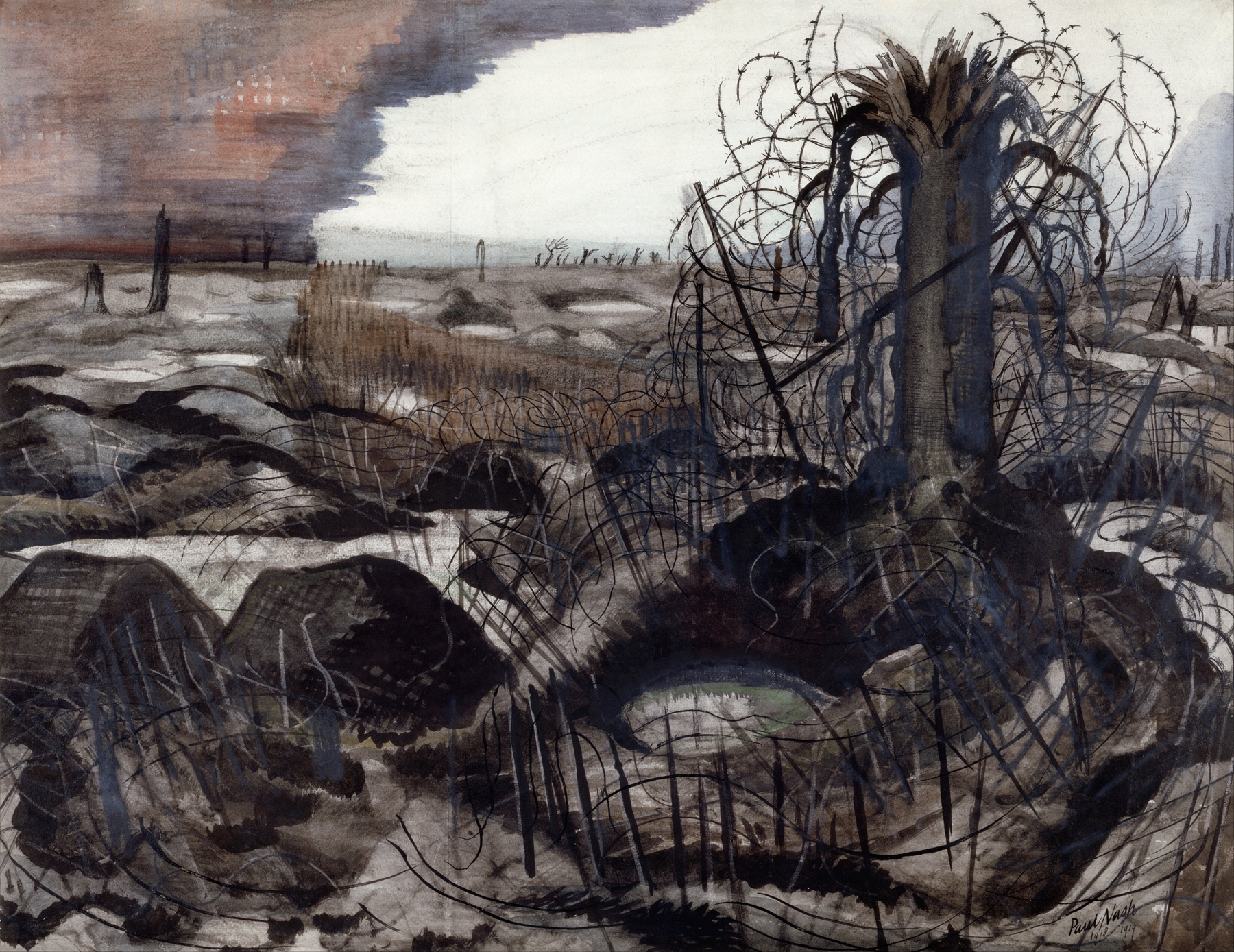
The solitary figure, perhaps a reflection of the artist himself, suggests introspection and longing, as if they seek solace in the garden yet are haunted by its transience. Paul Nash painted The Garden at Meadle in 1926 during a period of personal loss and experimentation in his artistic journey. Living in England, he was grappling with the aftermath of World War I, which had profoundly affected his outlook on nature and existence. The growing interest in surrealism and modernism during this time influenced his approach, allowing him to convey deeper, often conflicted emotions through his landscapes, revealing the complex relationship between humanity and the natural world.