The Grand Canyon of the Yellowstone — History & Analysis
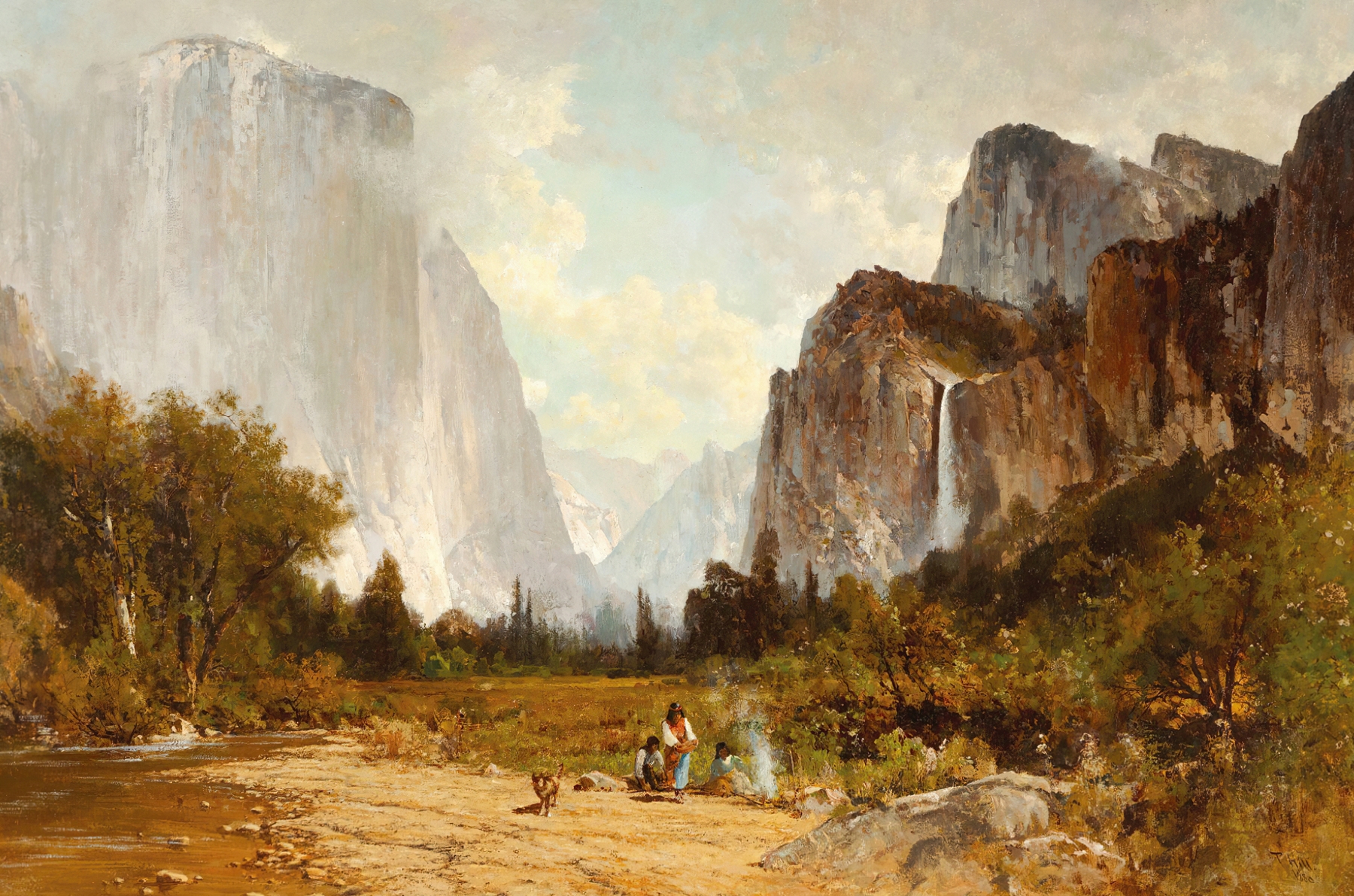
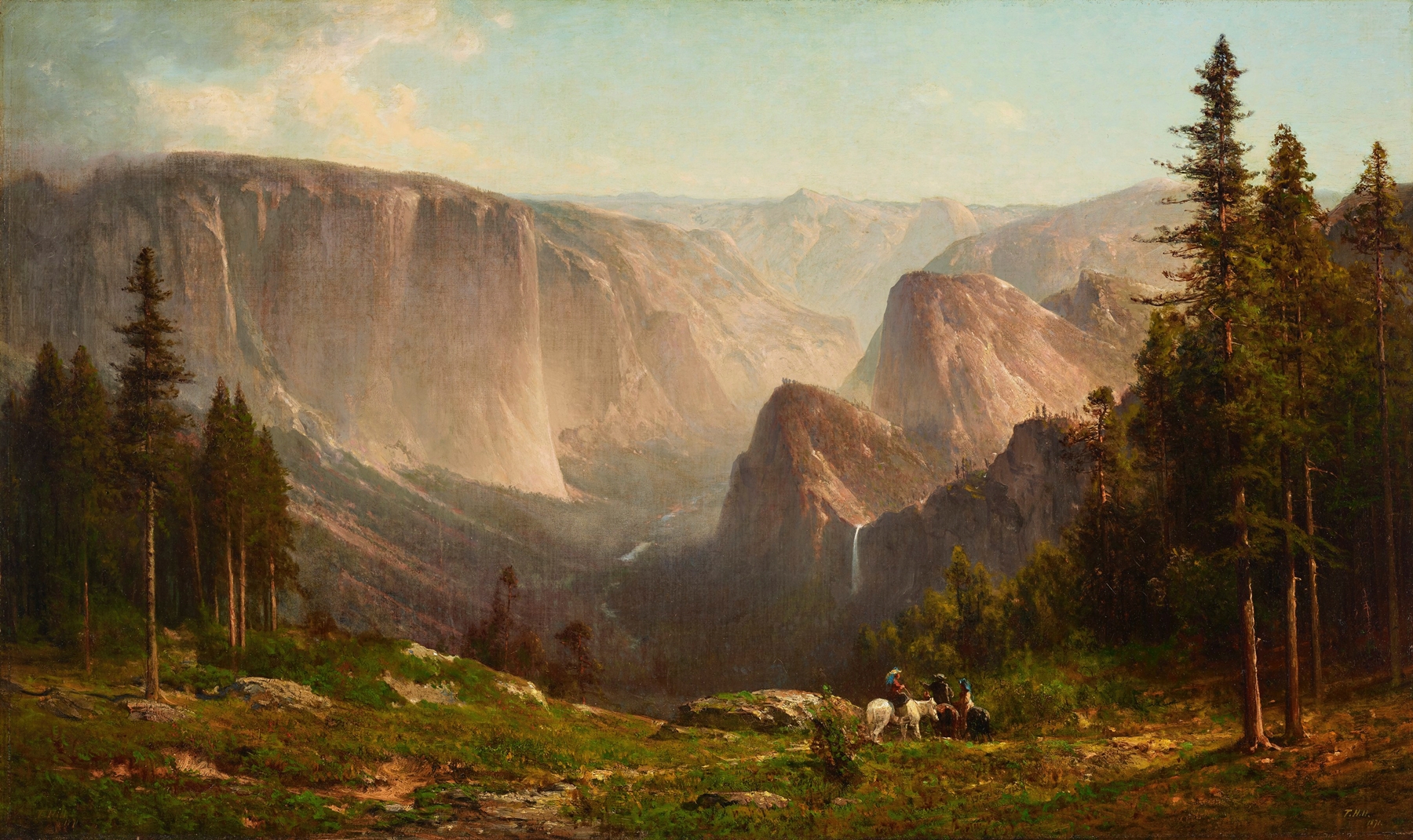
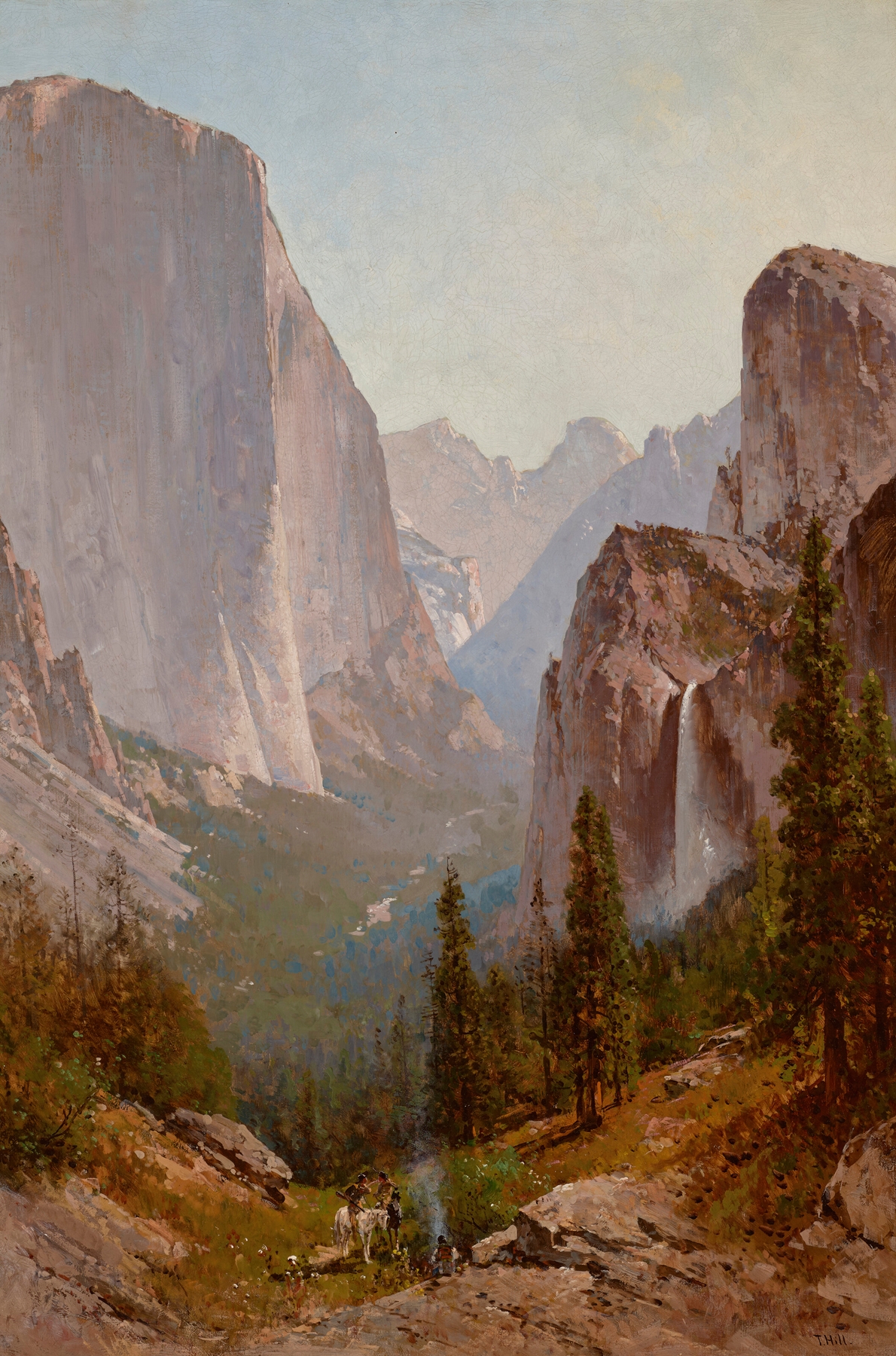
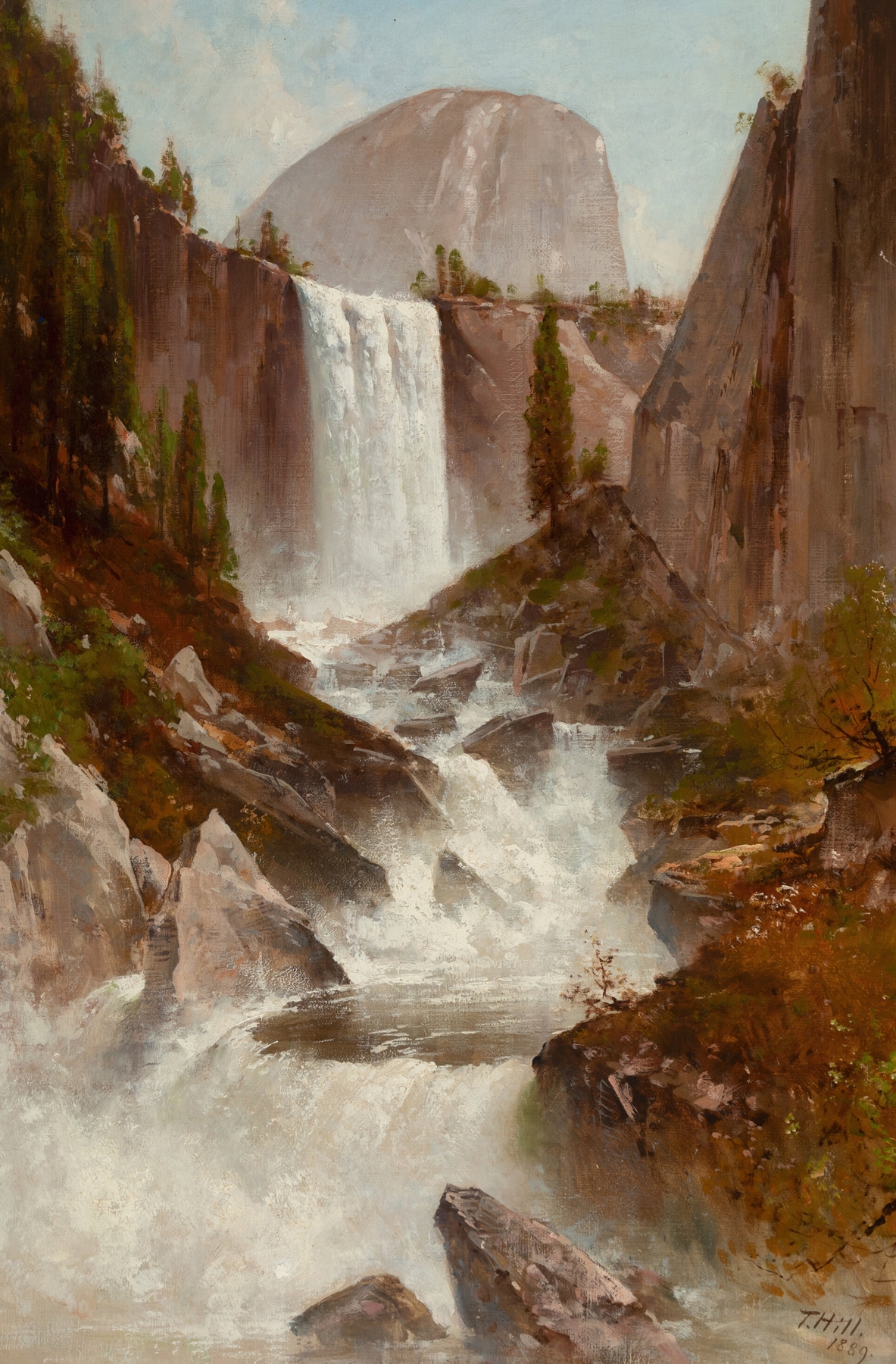
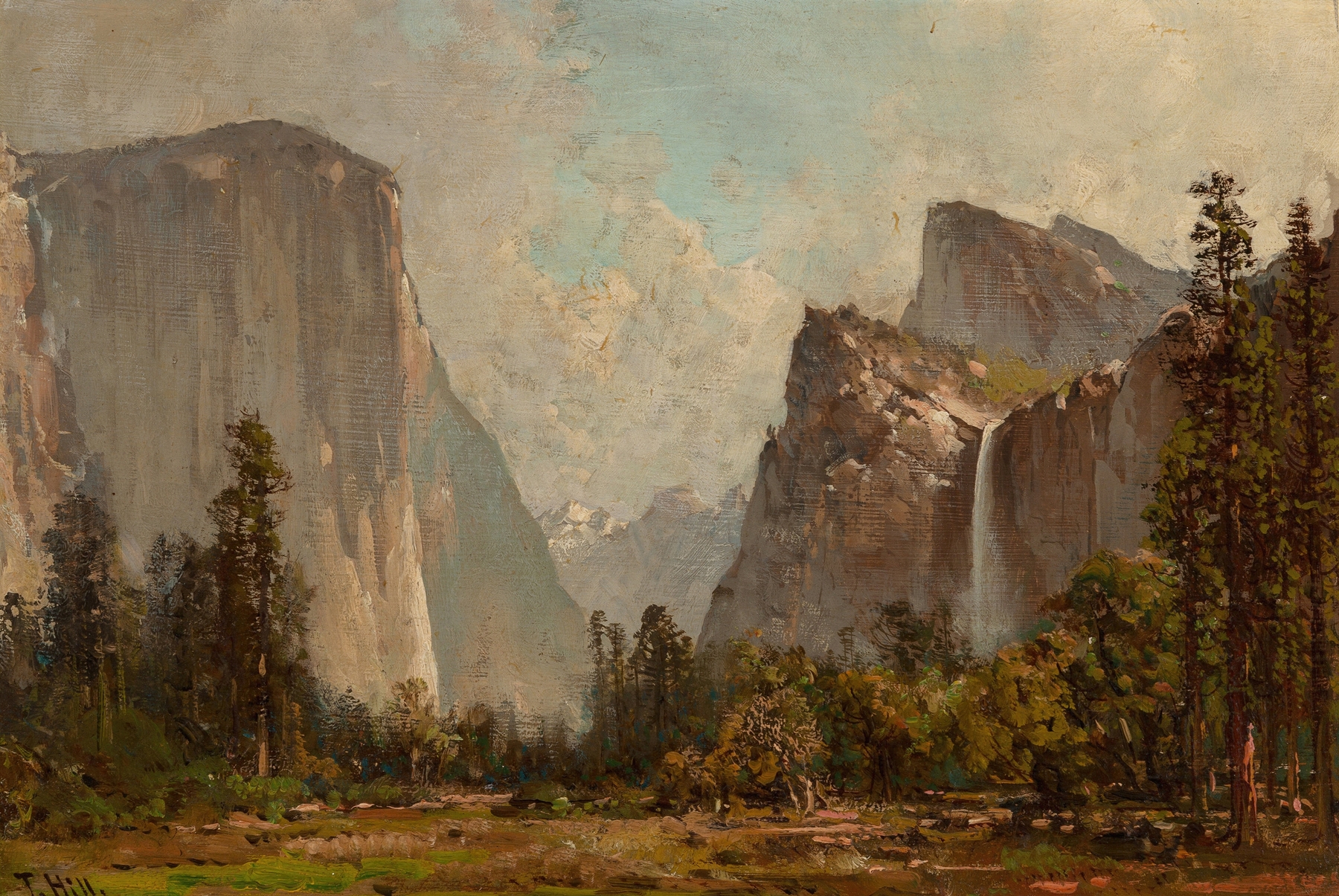
“Sometimes beauty is just pain, disguised in gold.” This notion resonates deeply within the expansive strokes and vibrant hues captured on canvas, unveiling the complex relationship between beauty and nature's ferocity. Look to the left at the majestic array of yellows and golds that dance among the craggy cliffs, as if the earth itself is aflame. The striking contrast between the vivid colors and the shadowed depths creates a palpable tension, inviting you to peer further into the gorge below. The painter’s adept use of light accentuates the cascading water, where sunlight catches the jagged edges, illuminating the scene with a sense of both grandeur and foreboding.
Hidden within this tableau are the whispers of nature's fragility. The wild, untamed beauty symbolizes the duality of life — serene yet tumultuous, inviting yet intimidating. The interplay of light and shadow evokes a sense of ephemeral beauty, reminding us that even in nature’s most stunning moments, there lies an undercurrent of danger and unpredictability, echoing the challenges of the human experience.
Created in 1884, this work emerged during a period of transformation for American art, as artists began to embrace the grandeur of the natural landscape. Thomas Hill, inspired by the growing admiration for the American West, sought to capture its majesty amid the tumultuous changes of the nation. His brushstrokes reflect not only the wonder of the scenery but also the cultural shifts of the time, where the exploration of nature became a vital chapter in the American narrative.