The Great St Bernard Inn, In The Alps — History & Analysis
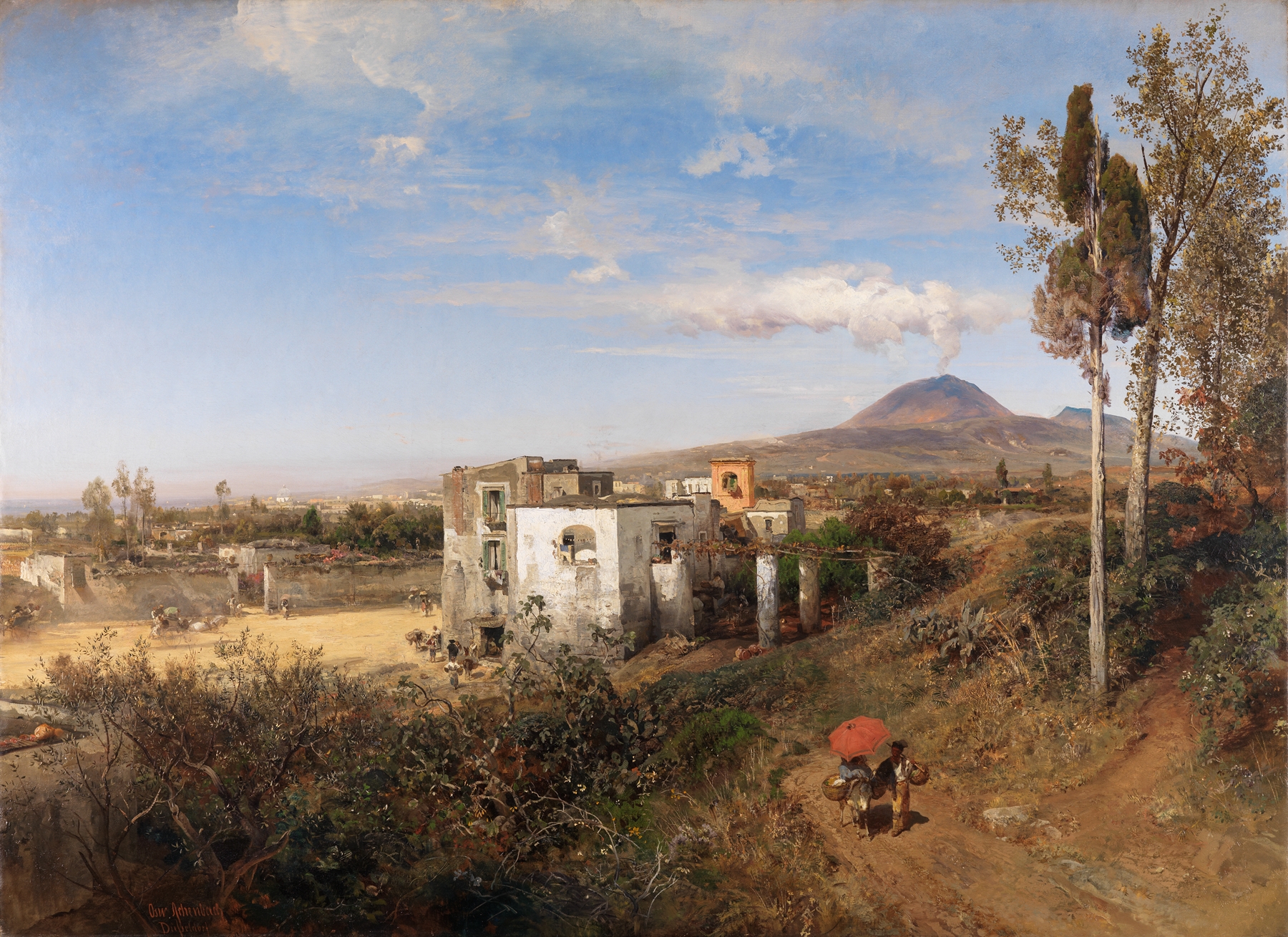
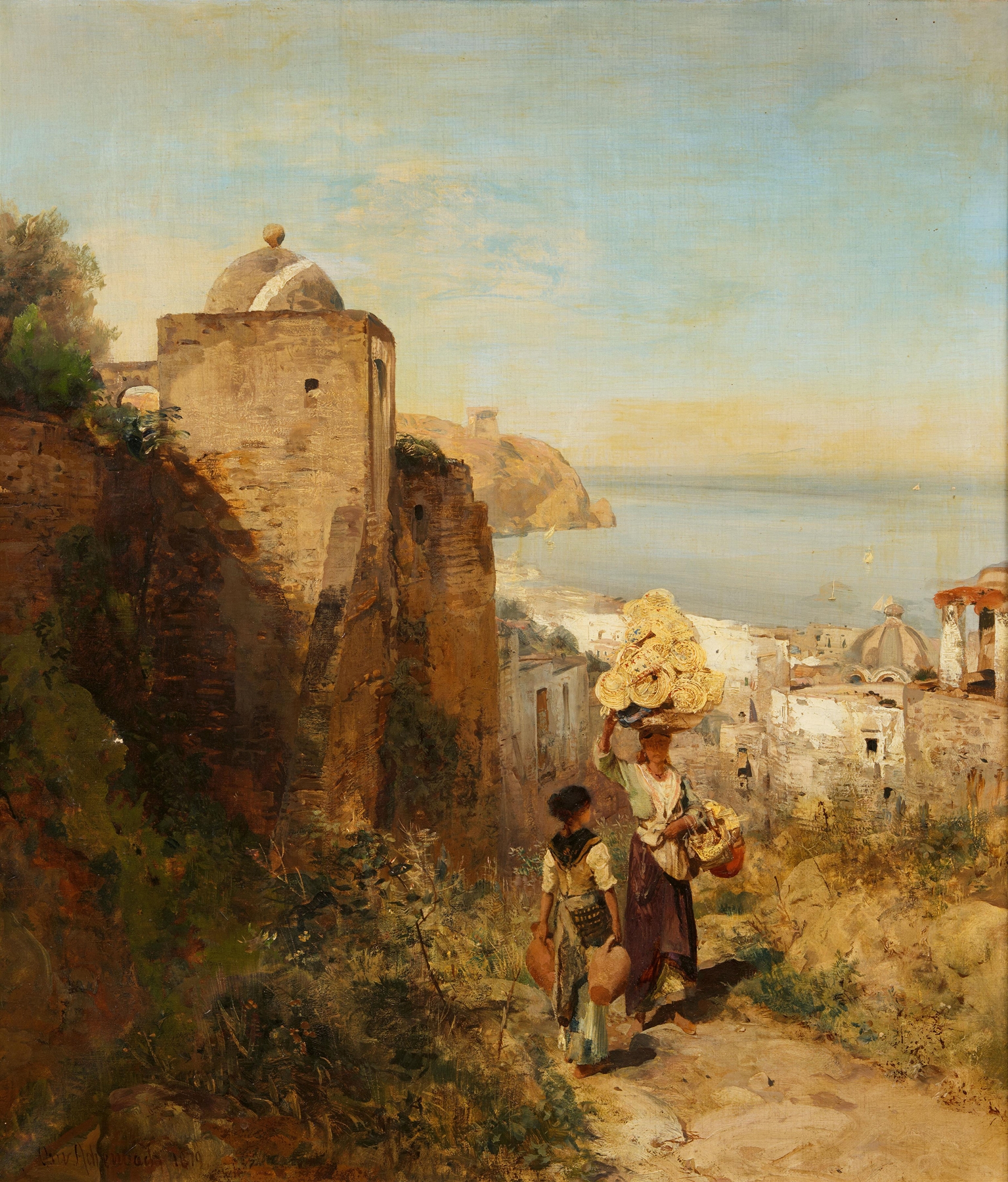
“The canvas doesn’t lie — it simply waits.” In the stillness of Oswald Achenbach’s depiction, a world unfolds, hinting at the unspoken tensions of human connection and the betrayals lurking beneath the surface of picturesque landscapes. Look to the foreground, where the rustic architecture of the inn stands proudly against the towering peaks. The light cascades over the slate roof, illuminating the warm wooden hues that evoke a sense of comfort and safety. As your gaze travels upward, the imposing mountains, cloaked in mist, loom ominously, contrasting the serenity of the inn.
The careful brushwork captures the soft play of light and shadow, revealing the artist’s mastery in rendering textures that invite the viewer to step into this alpine refuge. Yet, beneath this idyllic surface lies a narrative of contrast. The inviting glow of the inn suggests warmth and camaraderie, while the distant mountains symbolize isolation and betrayal, questioning the very notion of sanctuary. The subtle interplay of bright and dark regions within the canvas evokes an emotional tension, suggesting that not everything is as it appears.
The scene embodies a dichotomy between safety and danger, intimacy and solitude, compelling the viewer to reflect on their own experiences of trust. Achenbach painted this work during a time when the 19th-century art world was undergoing significant shifts, with Romanticism still resonating through landscapes that captured both nature's beauty and its sublime terror. While specifics about the completion date of this piece remain unclear, the artist was deeply engaged in exploring the emotional landscape of the Alps, mirroring personal and societal struggles of his era.