The Harvest Moon — History & Analysis
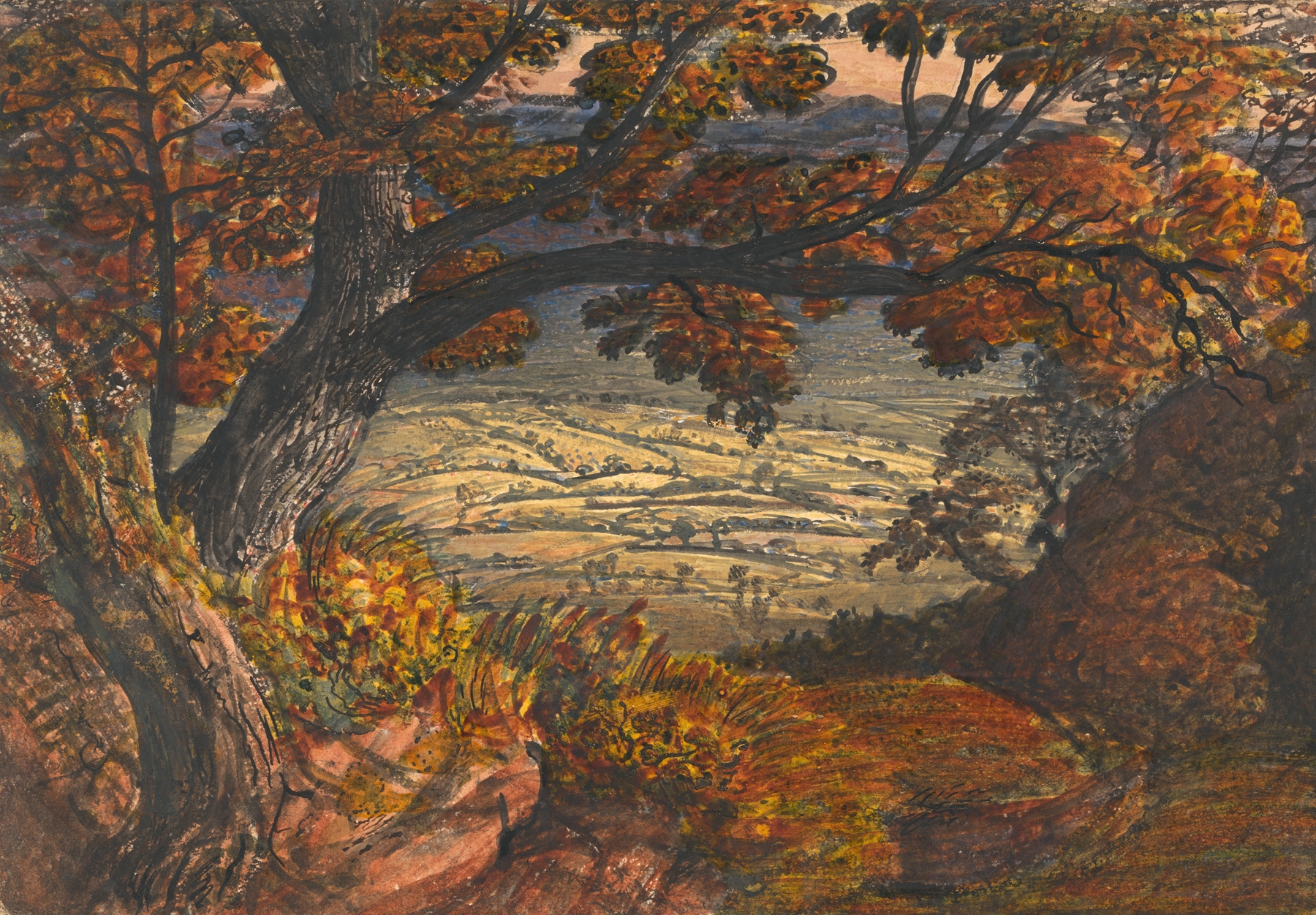
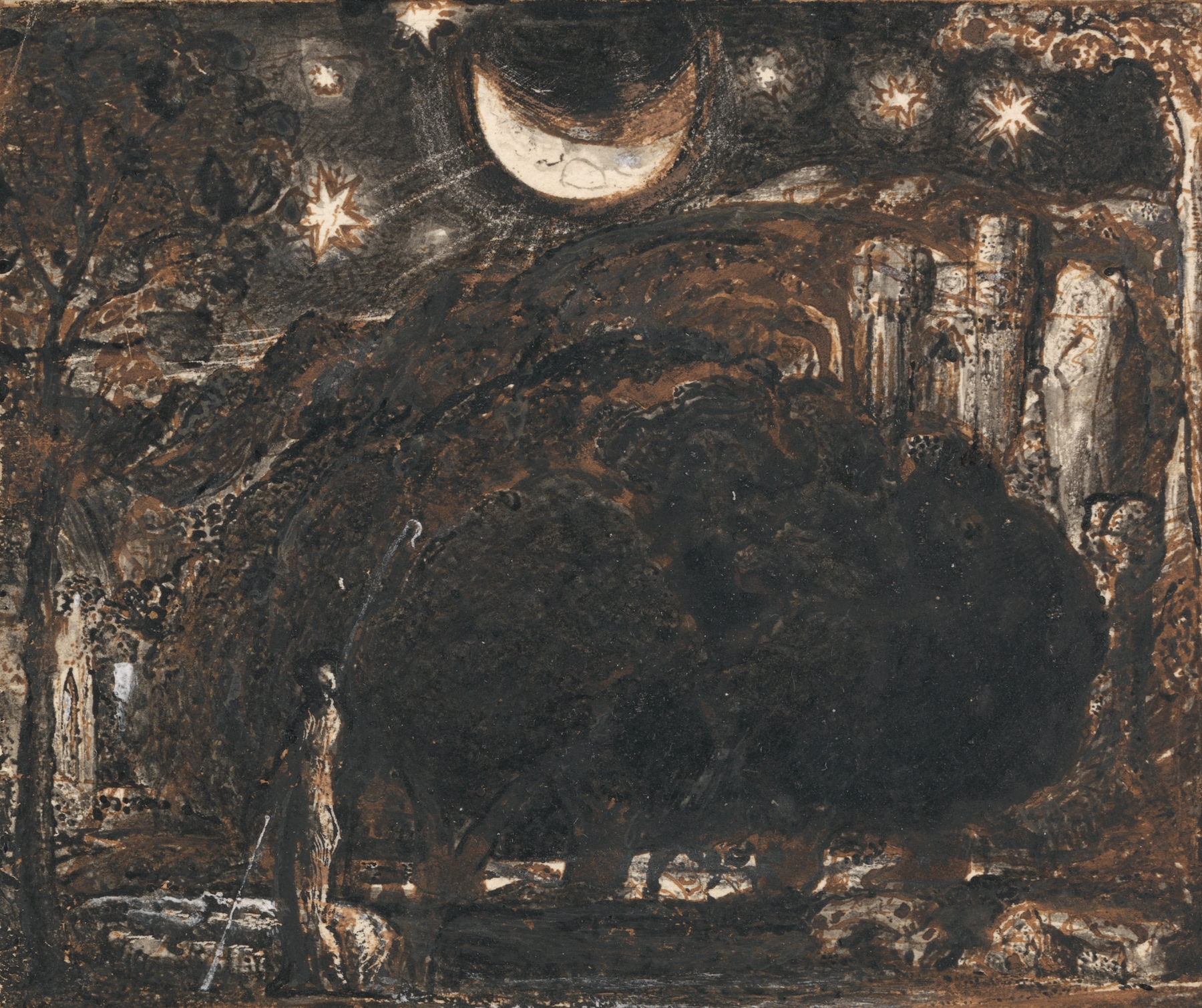
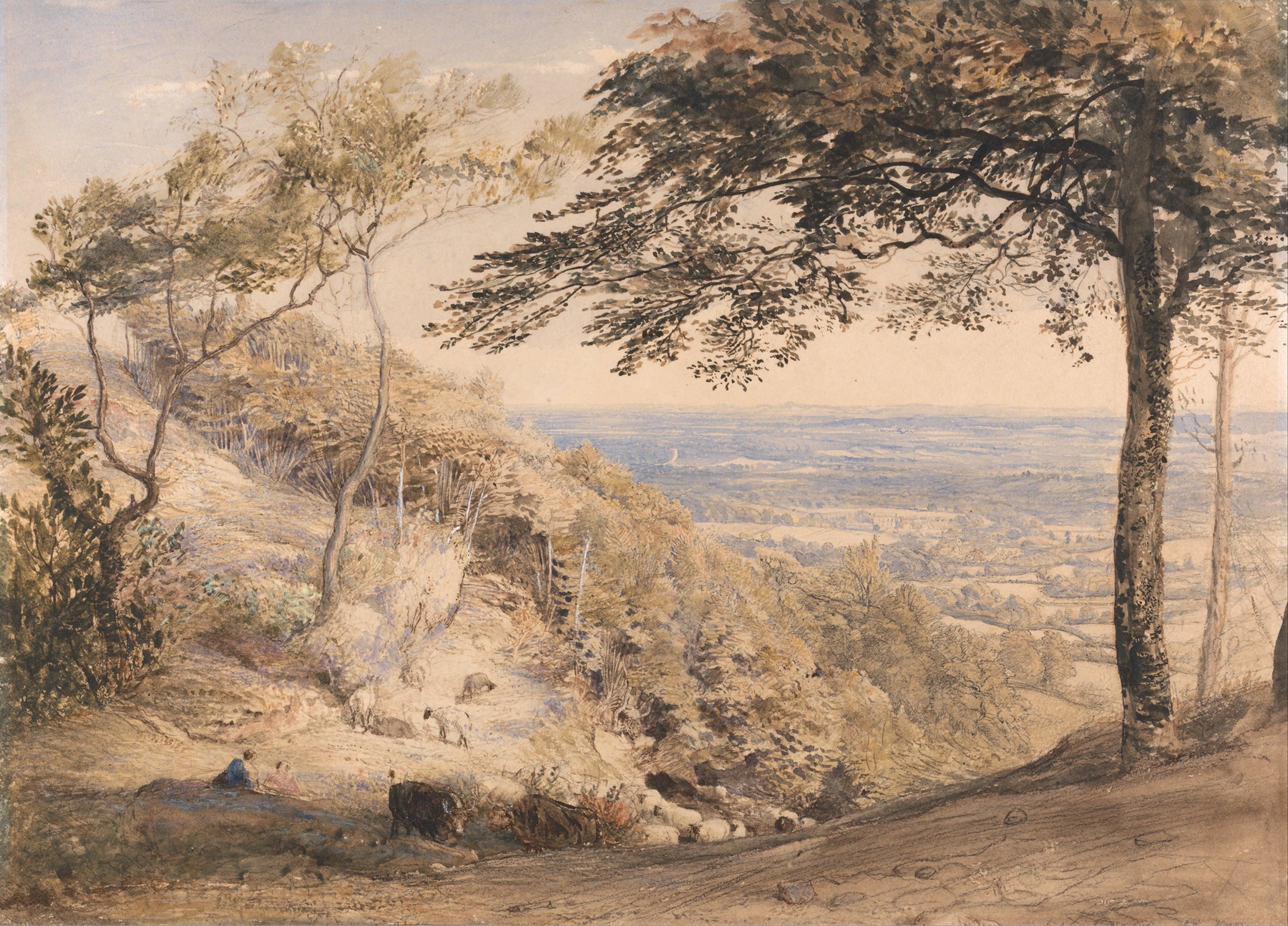
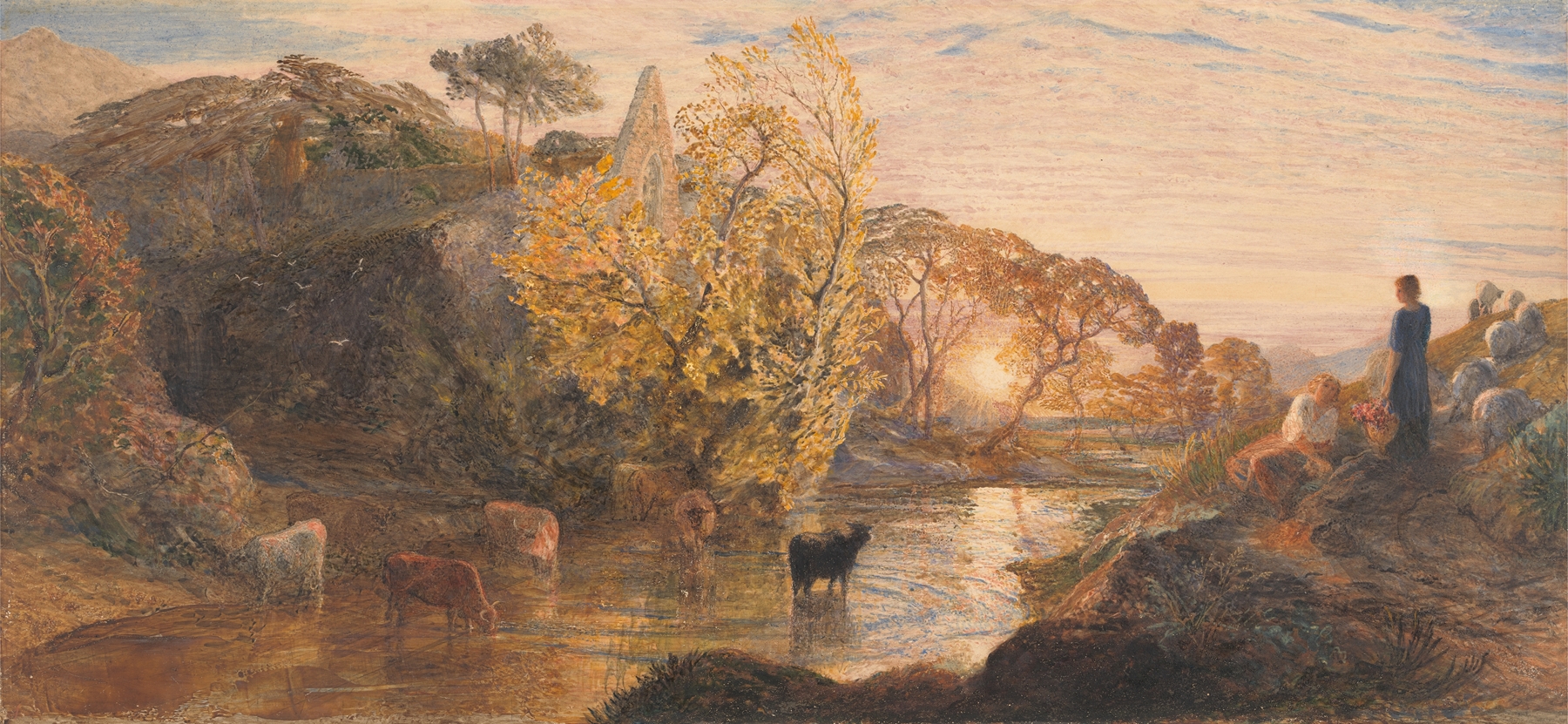
Where does light end, and longing begin? In the serene embrace of twilight, a world unfurls in dreams and quiet yearnings, echoing the eternal dance of nature and spirit. Look to the left where the moon looms large, a luminous orb that bathes the landscape in a soft, ethereal glow. The gentle gradient of blues and golds in the sky merges seamlessly with the earth, creating an otherworldly atmosphere.
Notice how the warm light spills over the fields, illuminating the delicate strokes that bring life to the trees and distant hills, each detail meticulously rendered to evoke a sense of harmony and tranquility. Beyond the surface beauty, layers of meaning emerge. The harvest, symbolized by the ripe fields, captures the essence of abundance and the cyclical nature of life, reflecting a deep-rooted connection between humanity and the land. Yet, the dominating moon suggests an ever-present longing, a reminder of dreams and aspirations that stretch beyond the visible world.
This contrast between earthly bounty and celestial mystery invites contemplation on our own desires and the unseen forces that shape our destinies. Samuel Palmer painted this piece during a period marked by intense personal explorations of spirituality and nature. Working in the early 19th century, he was influenced by the Romantic movement, which sought to express emotional depth and a connection to the sublime. In this time, Palmer was navigating a growing fascination with rural life and the profound beauty found within it, aiming to capture moments of transcendent peace amid a rapidly changing world.