Spring Sun At Konginkangas — History & Analysis
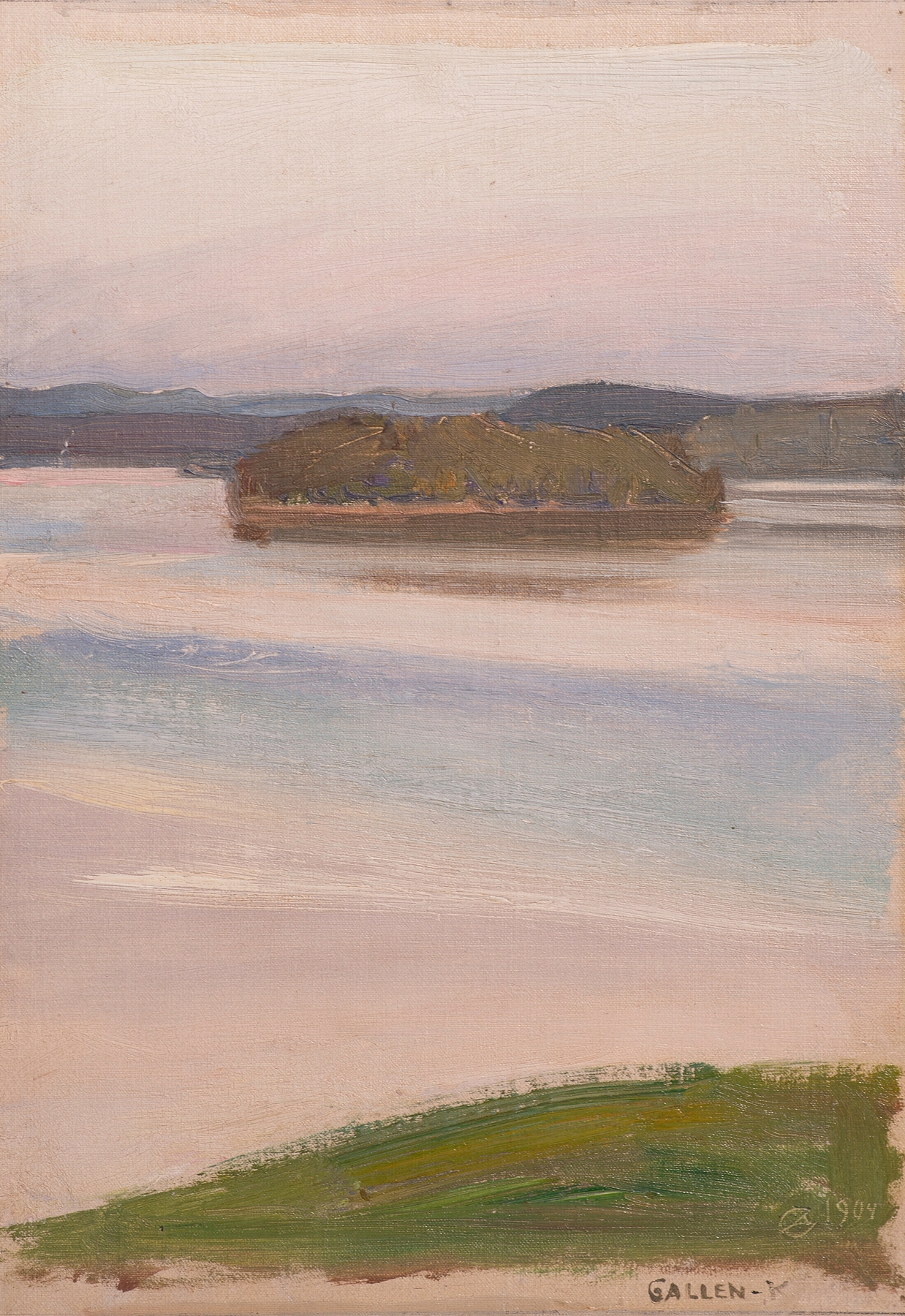
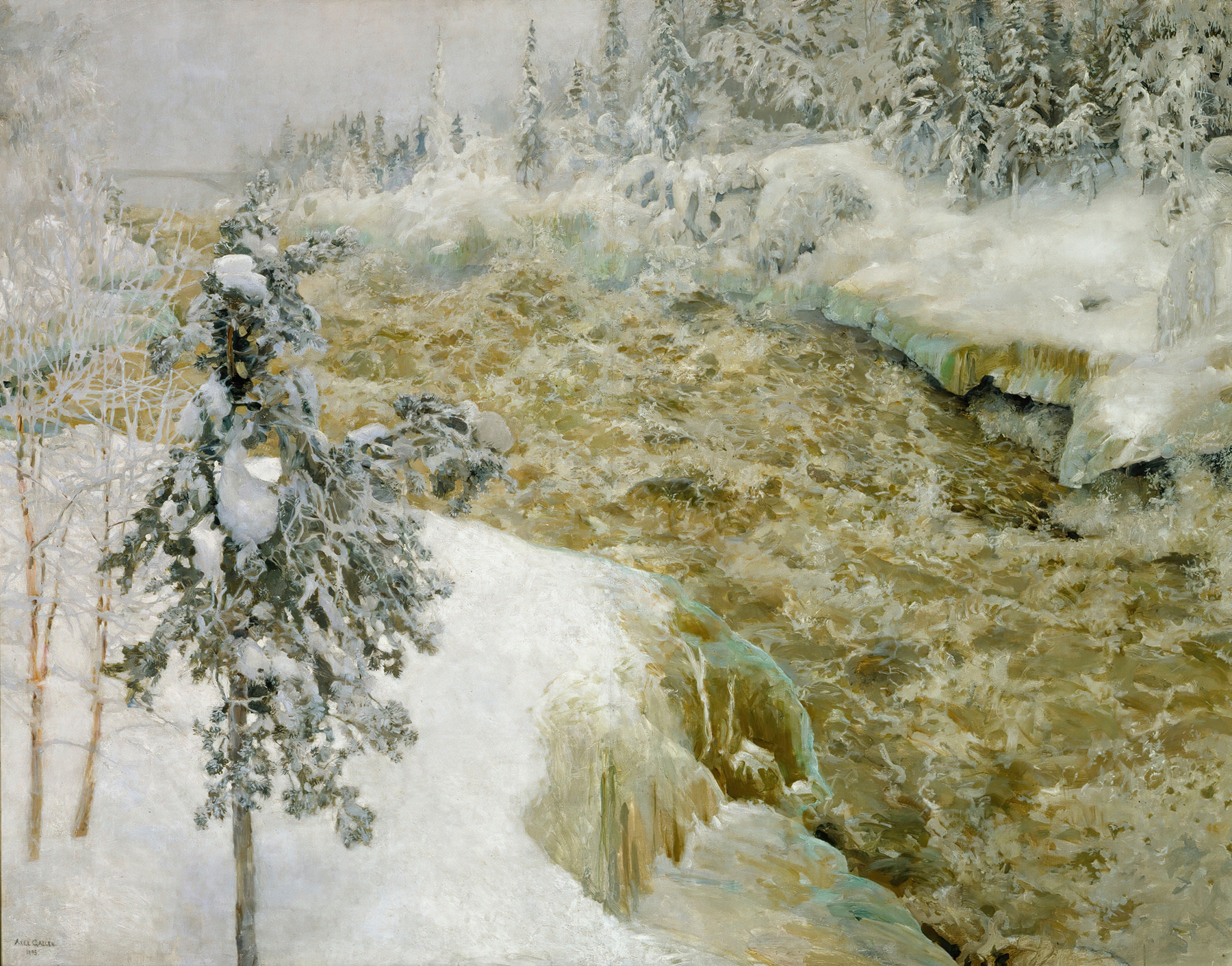
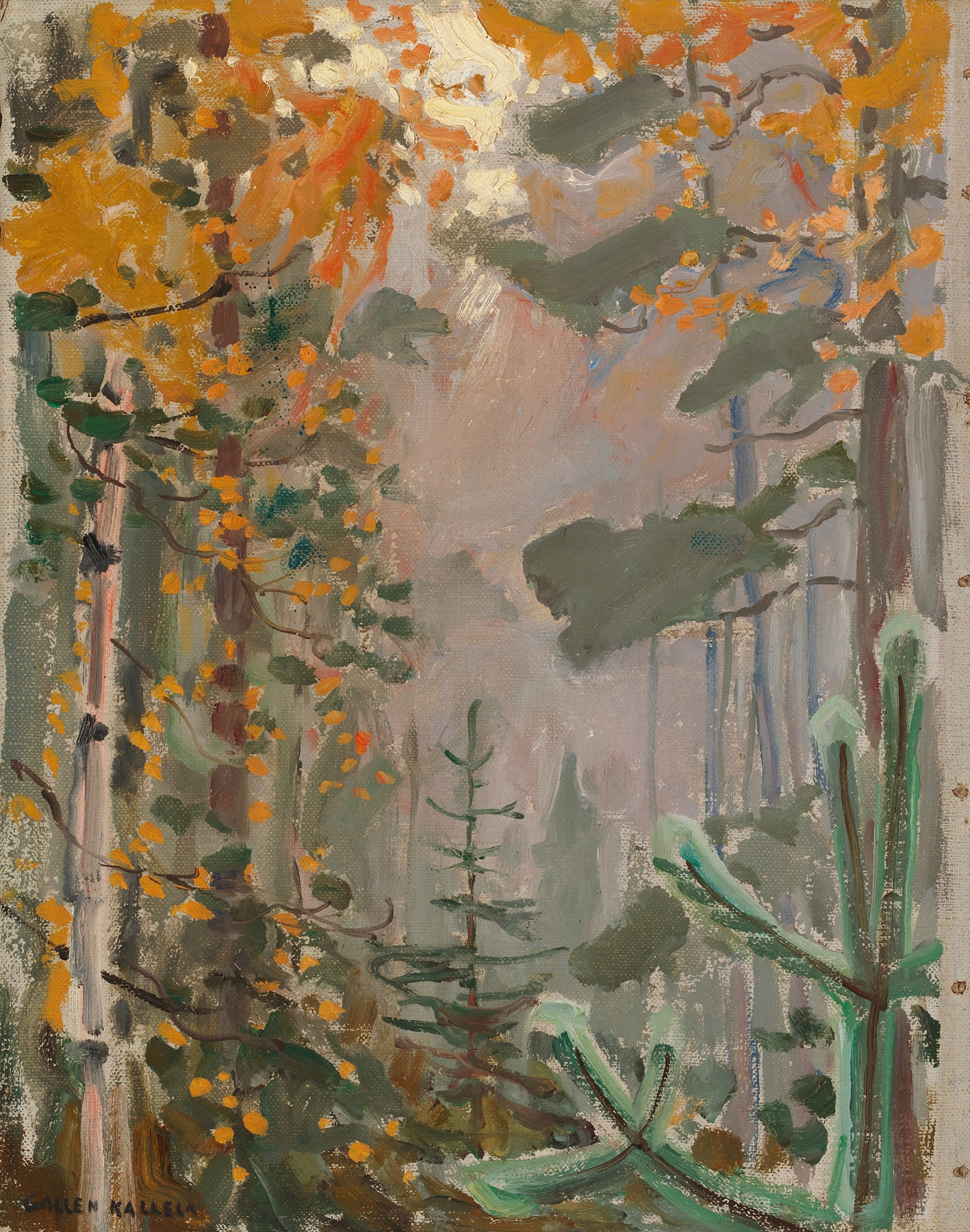
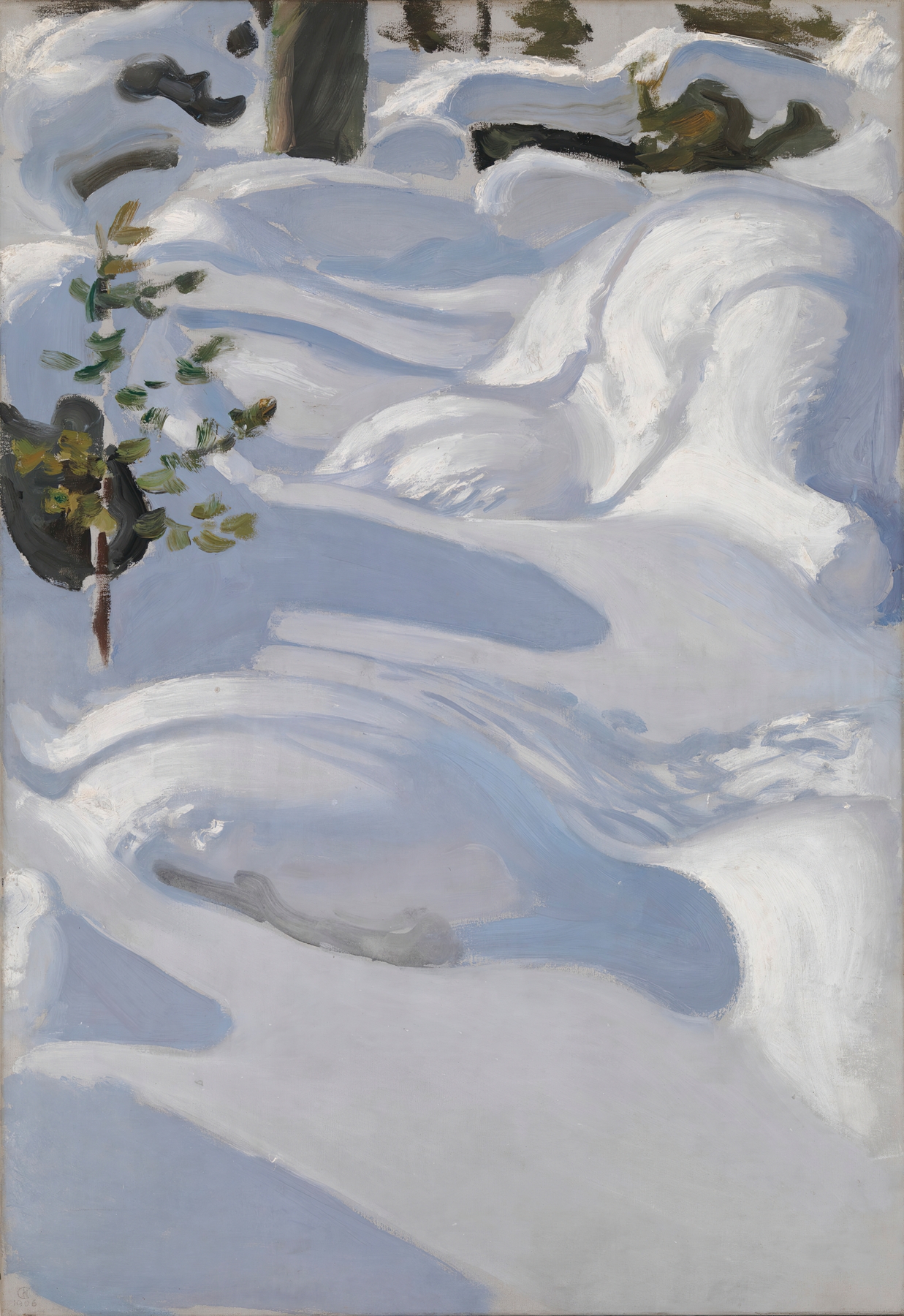
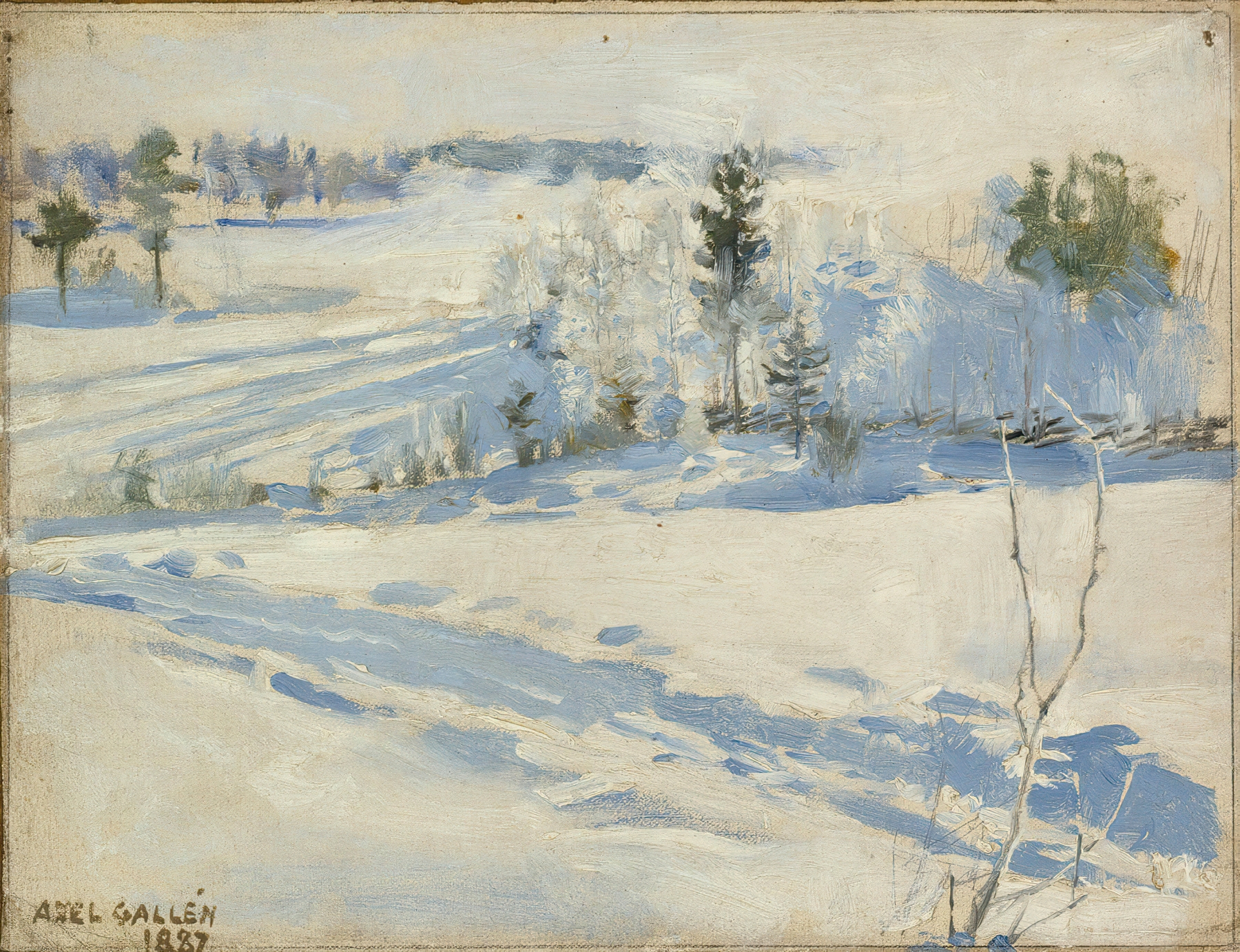
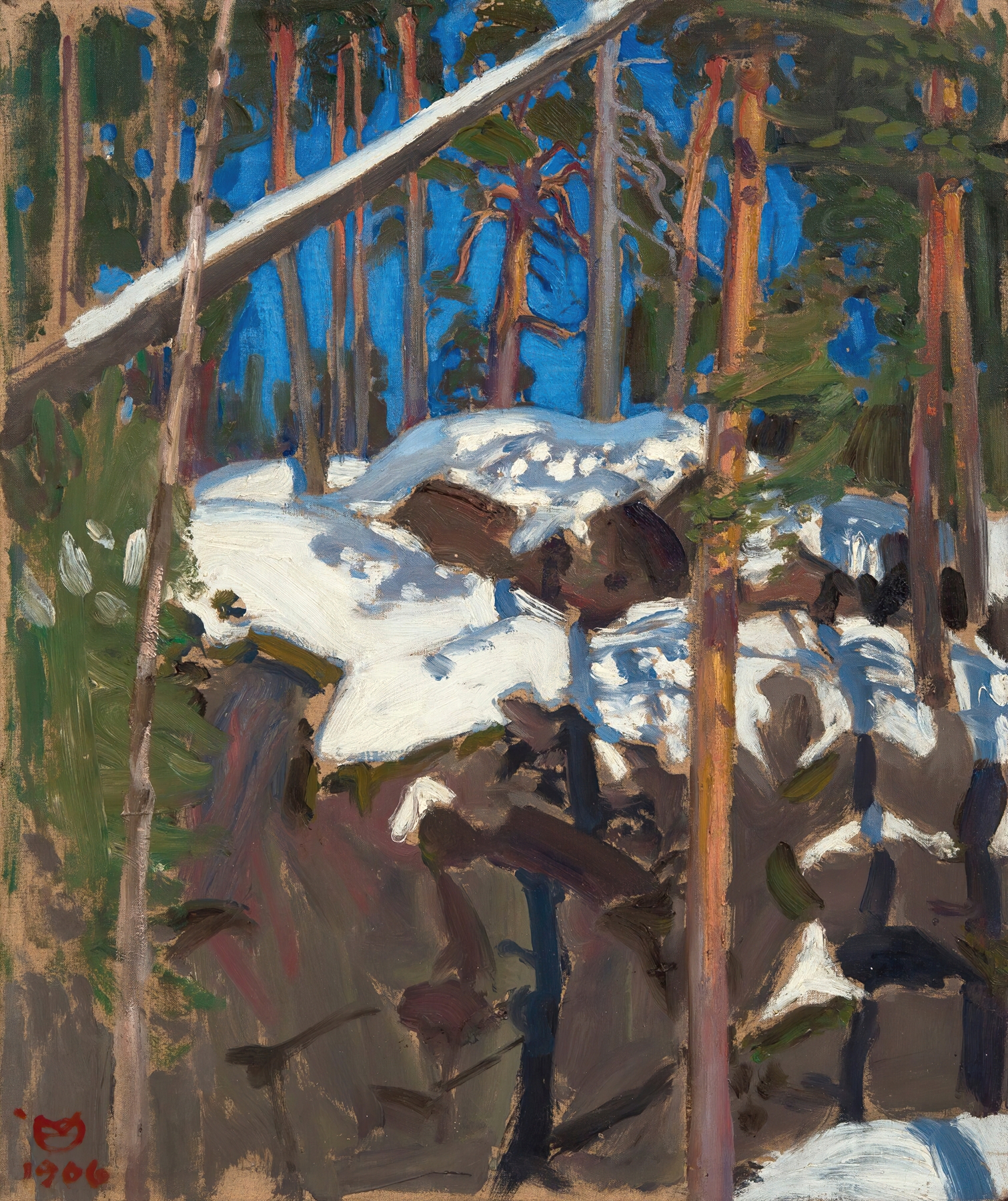
Did the painter know this moment would outlive them? Captured between the lingering chill of winter and the awakening warmth of spring, this scene embodies a silent longing that resonates through the ages. The desire for renewal pulses with life, drawing the viewer into a realm where nature and emotion intertwine seamlessly. Look to the foreground, where vibrant streaks of green and yellow burst forth, marking the thawing earth. The bold brushstrokes create a tactile sense of movement, as if the grass itself is breathing.
Notice how the light dances across the canvas, illuminating the textures of the landscape, from the rugged rocks catching the sun to the delicate shadows that hint at the coolness still lingering in the air. The composition draws your gaze towards the horizon, beckoning you to explore the expanse of nature’s rebirth. Delve deeper, and you’ll find contrasts that reveal layers of meaning. The bright palette symbolizes hope, while the remnants of snow in the corners evoke a bittersweet nostalgia for what is left behind. This dichotomy of warmth and chill reflects a universal human experience: the desire to embrace new beginnings, even as we hold on to the past.
Each element harmonizes, creating a portrait of yearning—both for the beauty of nature and for the ephemeral moments of joy it brings. In 1906, Akseli Gallen-Kallela was immersed in the Finnish national romantic movement, painting in the serene landscape of Konginkangas. At that time, he sought to encapsulate the essence of Finland’s natural beauty, while grappling with personal challenges and the burgeoning identity of his homeland. It was a period of artistic exploration, and this work stands as a testament to his passion for the interplay of light, color, and emotion.