The Little Shed (Le Petit Hangar) — History & Analysis
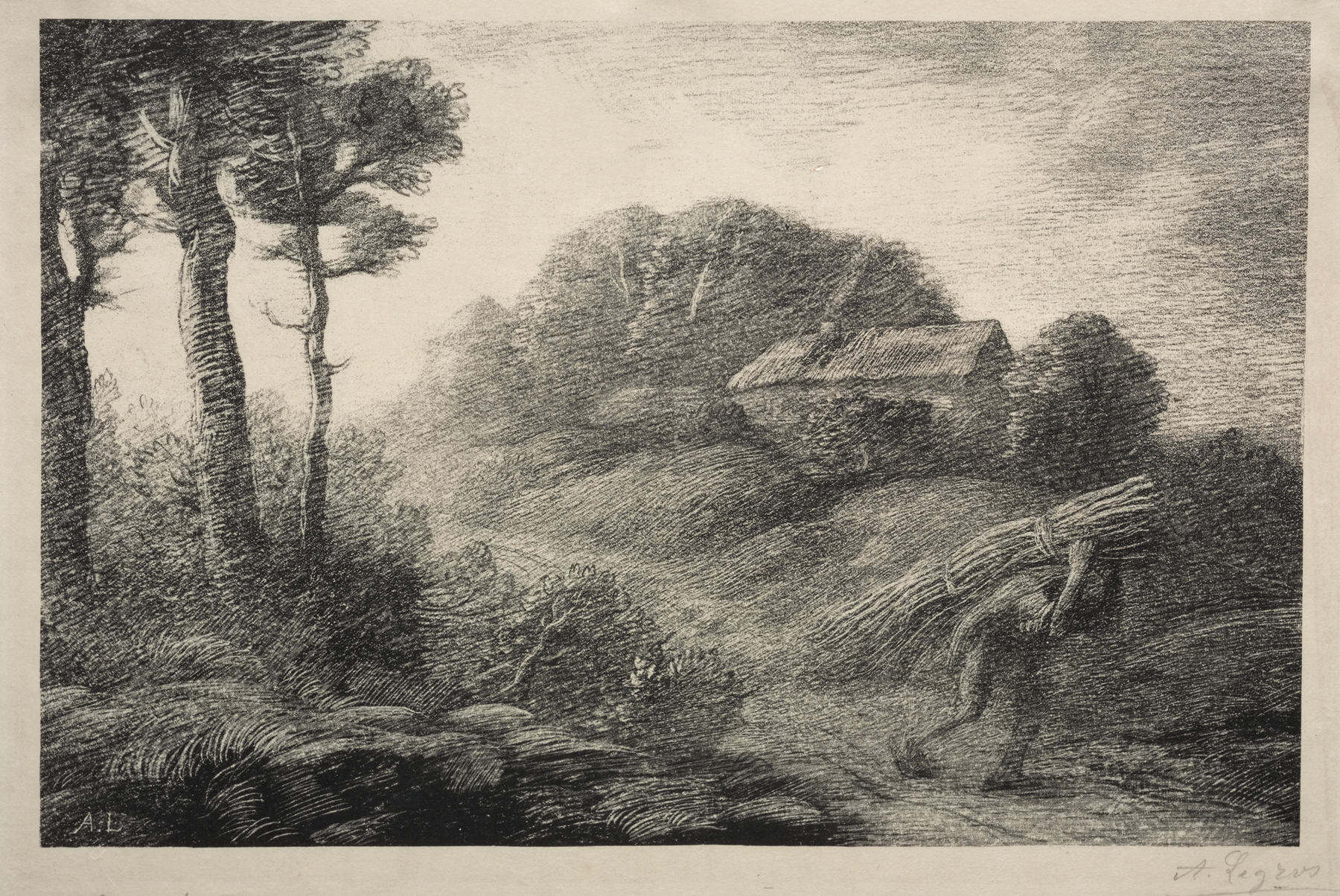
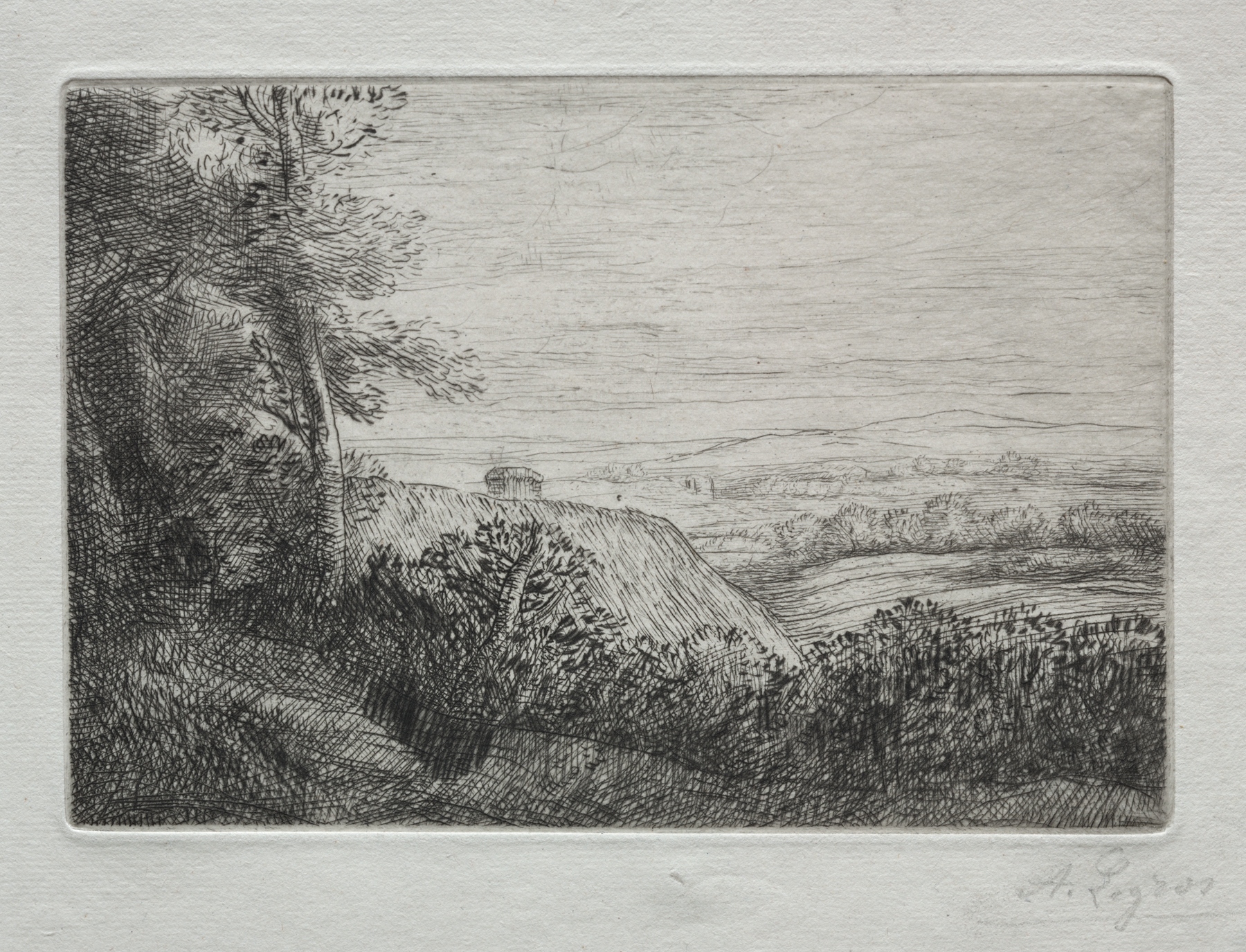
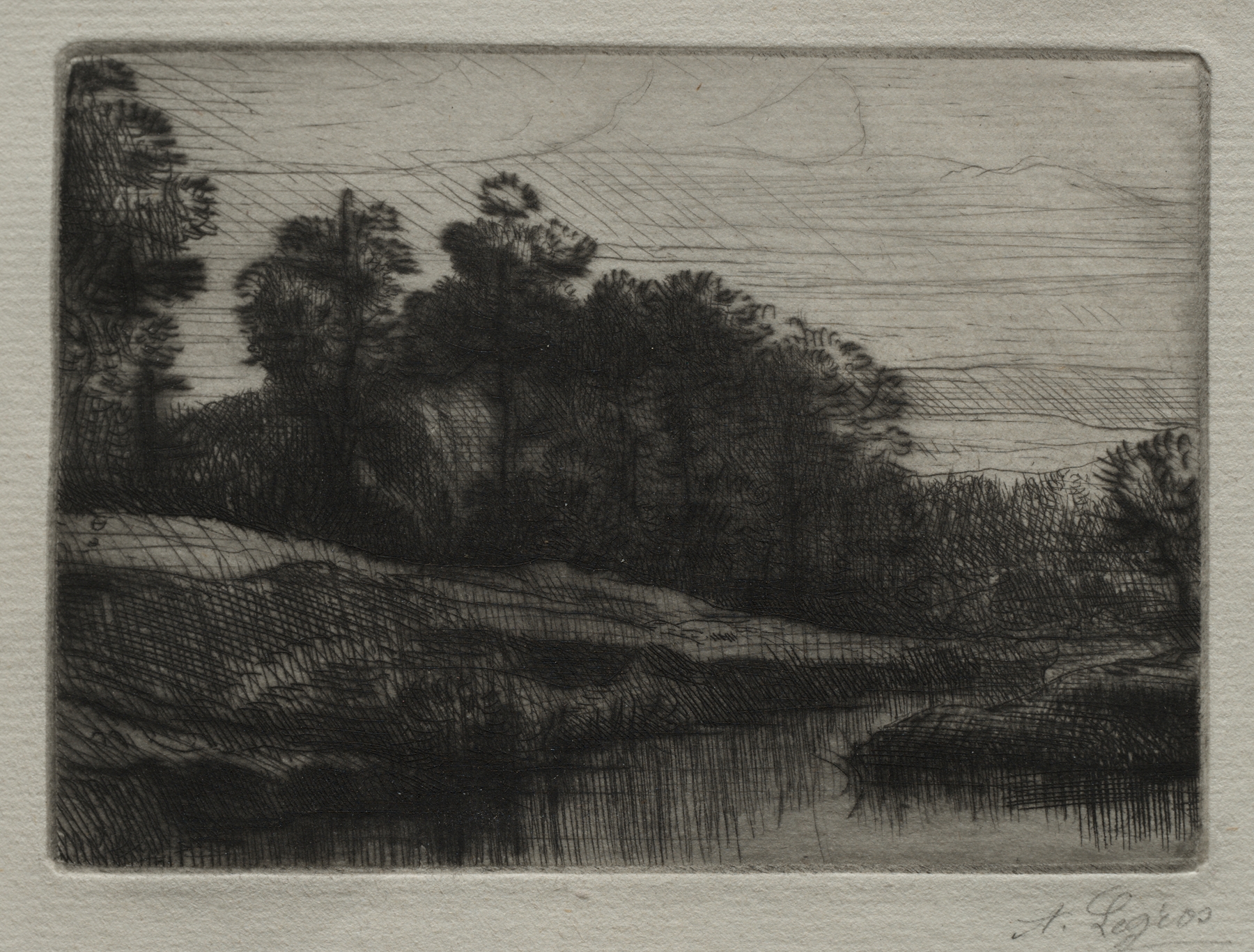
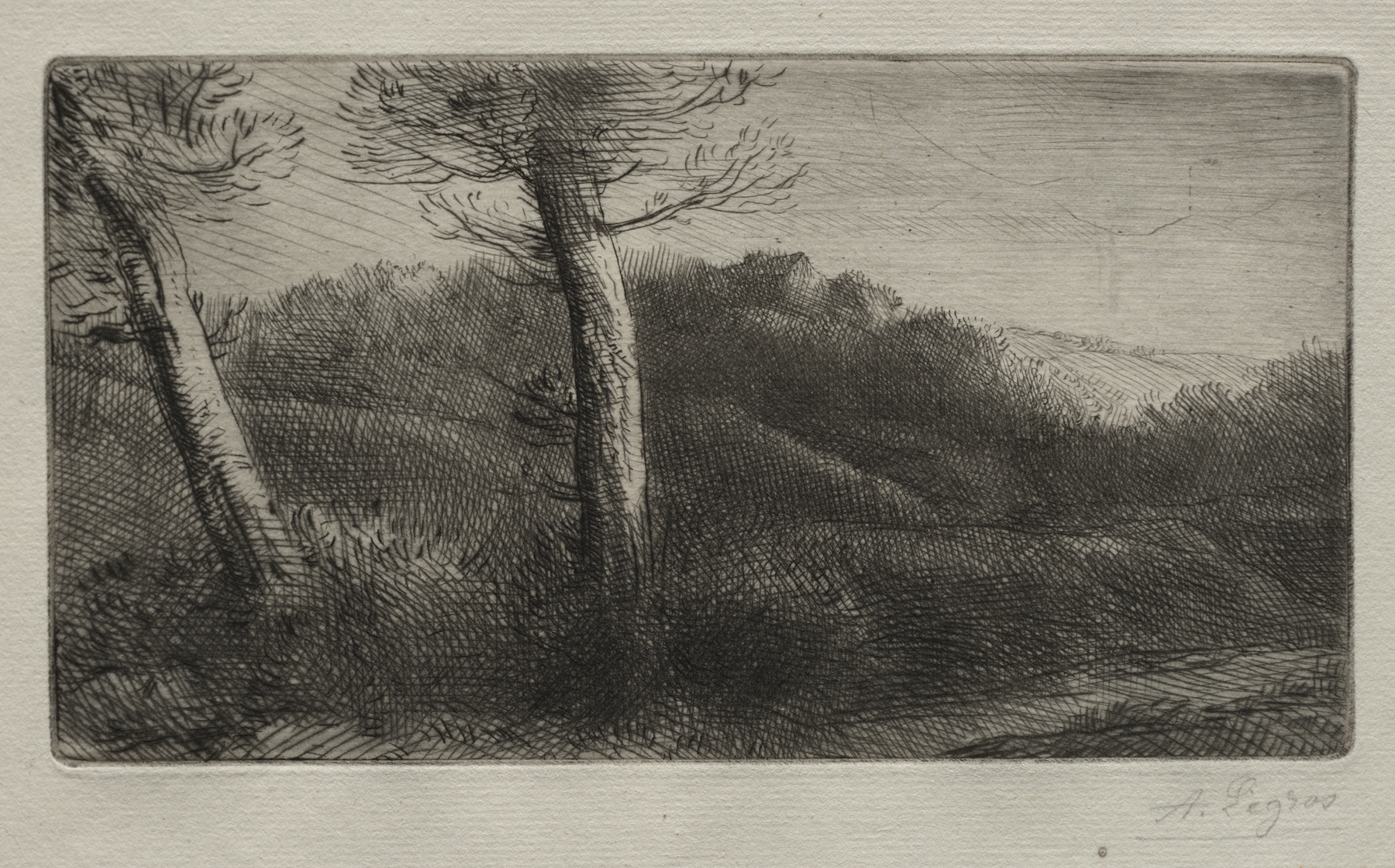
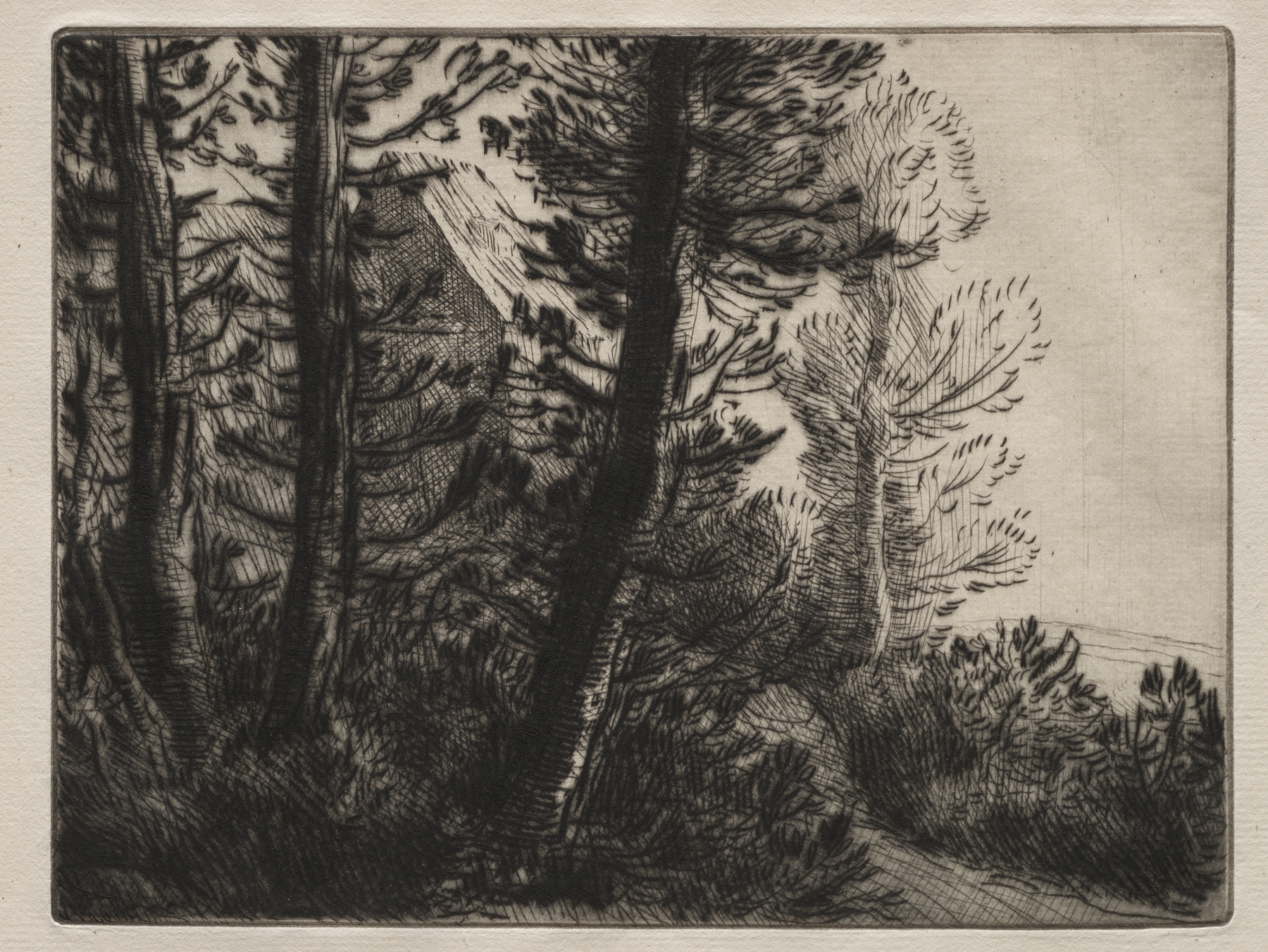
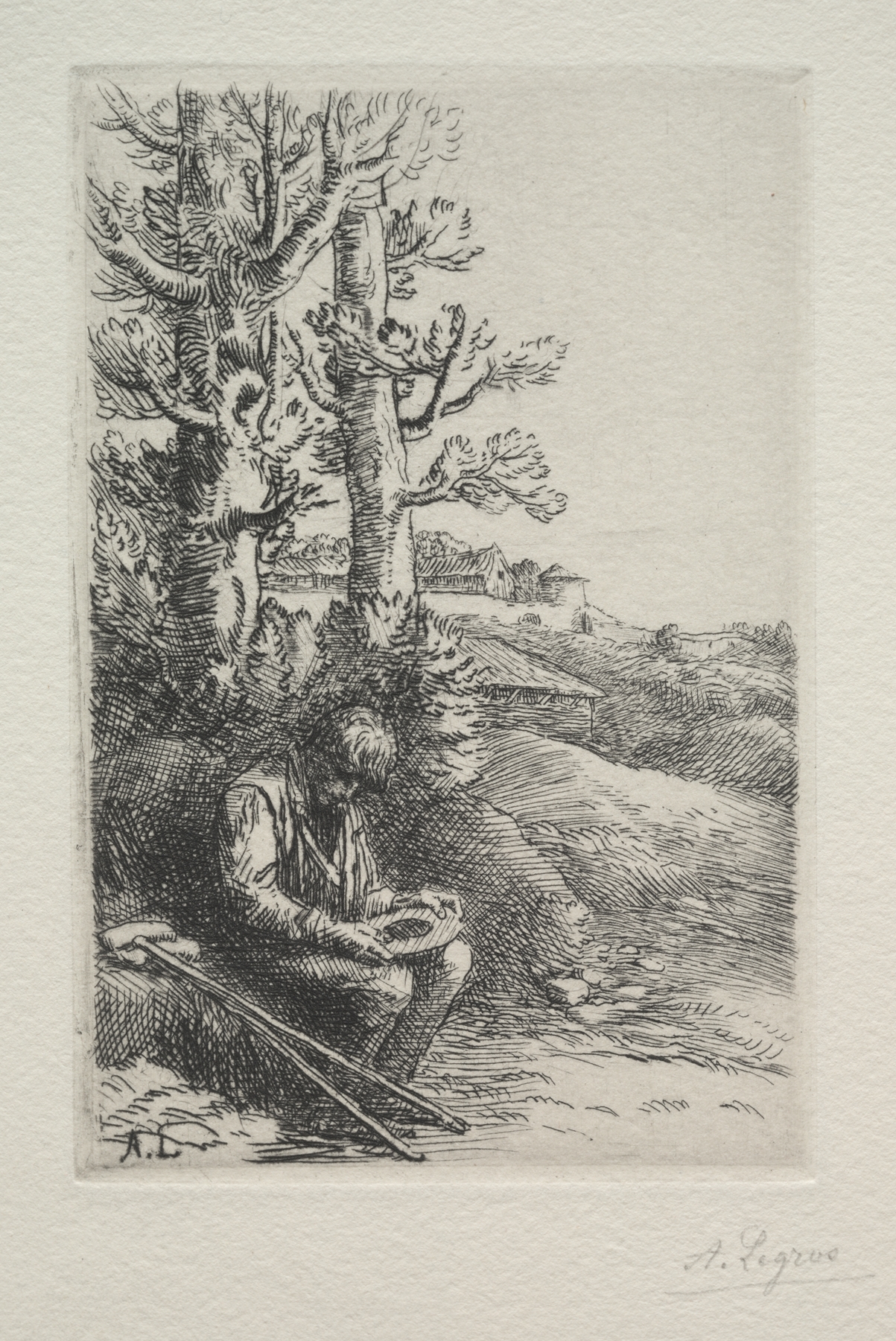
“Under the brush, chaos becomes grace.” Each stroke reveals the unexpected harmony that faith can bring into a desolate landscape. Look to the left at the shed, its weathered wood and muted tones inviting contemplation. The artist’s palette is dominated by earthy browns and soft grays, creating a somber yet serene atmosphere. Observe how the light casts gentle shadows, emphasizing the shed's textures while a distant horizon beckons with a promise of hope.
The simplicity of the structure stands in stark contrast to the vast emptiness surrounding it, suggesting a narrative of resilience and quiet fortitude. Delve into the details—the subtle imbalance between the shed's grounded presence and the expansive, open sky above releases a tension of vulnerability. A lone tree, almost ghostly, emerges on the right, evoking a sense of isolation, yet its existence underscores the tenacity of life. This delicate balance between solitude and survival resonates with the viewer, inviting reflections on faith in unseen possibilities, even amidst desolation.
Alphonse Legros created The Little Shed between 1857 and 1911, a period marked by his exploration of realism and the human condition. Working primarily in France and influenced by the changing artistic landscape of his time, he sought to capture the beauty in ordinary scenes. This work reflects his commitment to finding meaning in the mundane, as well as the broader societal shifts of an era that oscillated between despair and hope.