The Lock at Dolo — History & Analysis
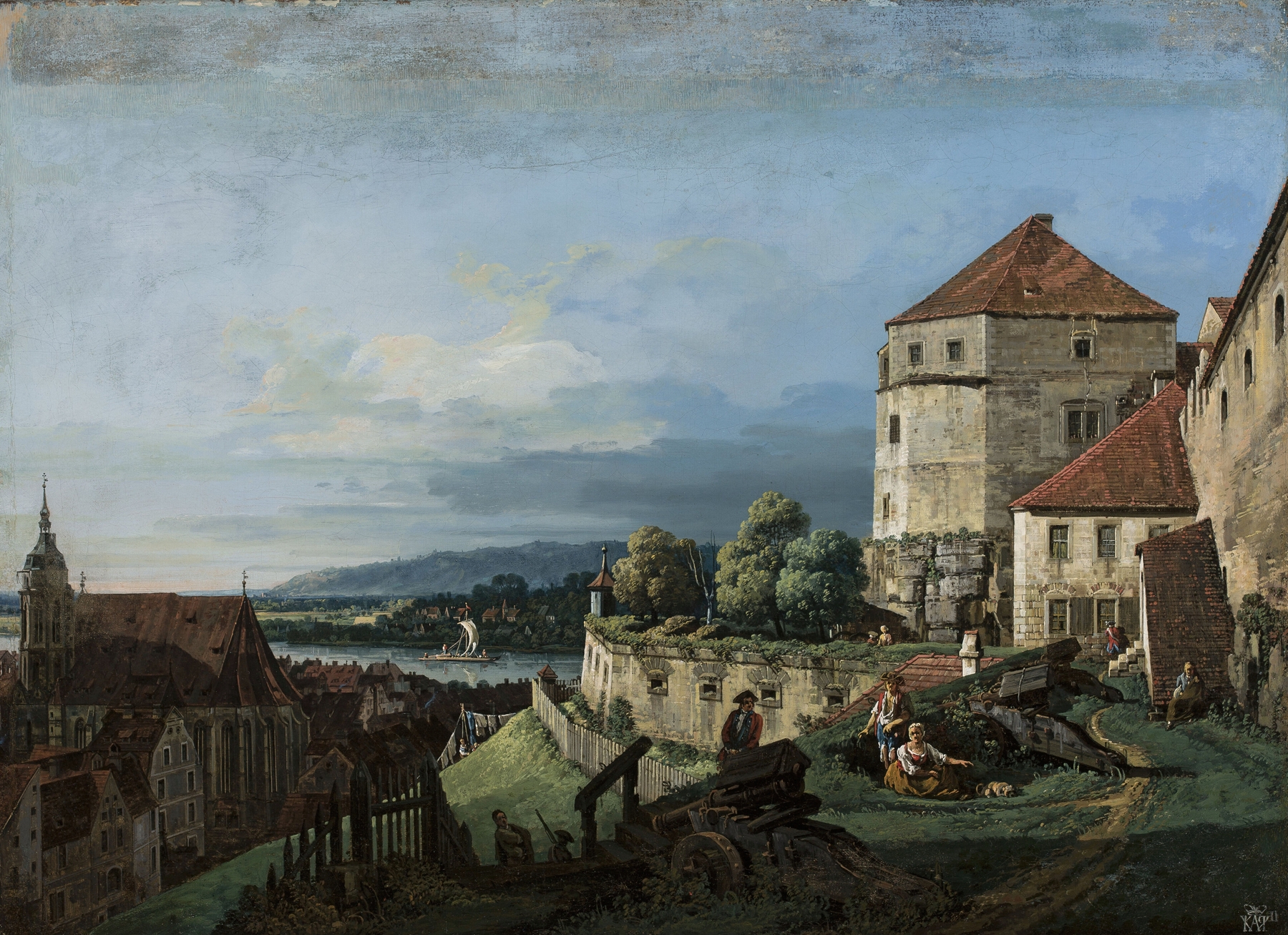
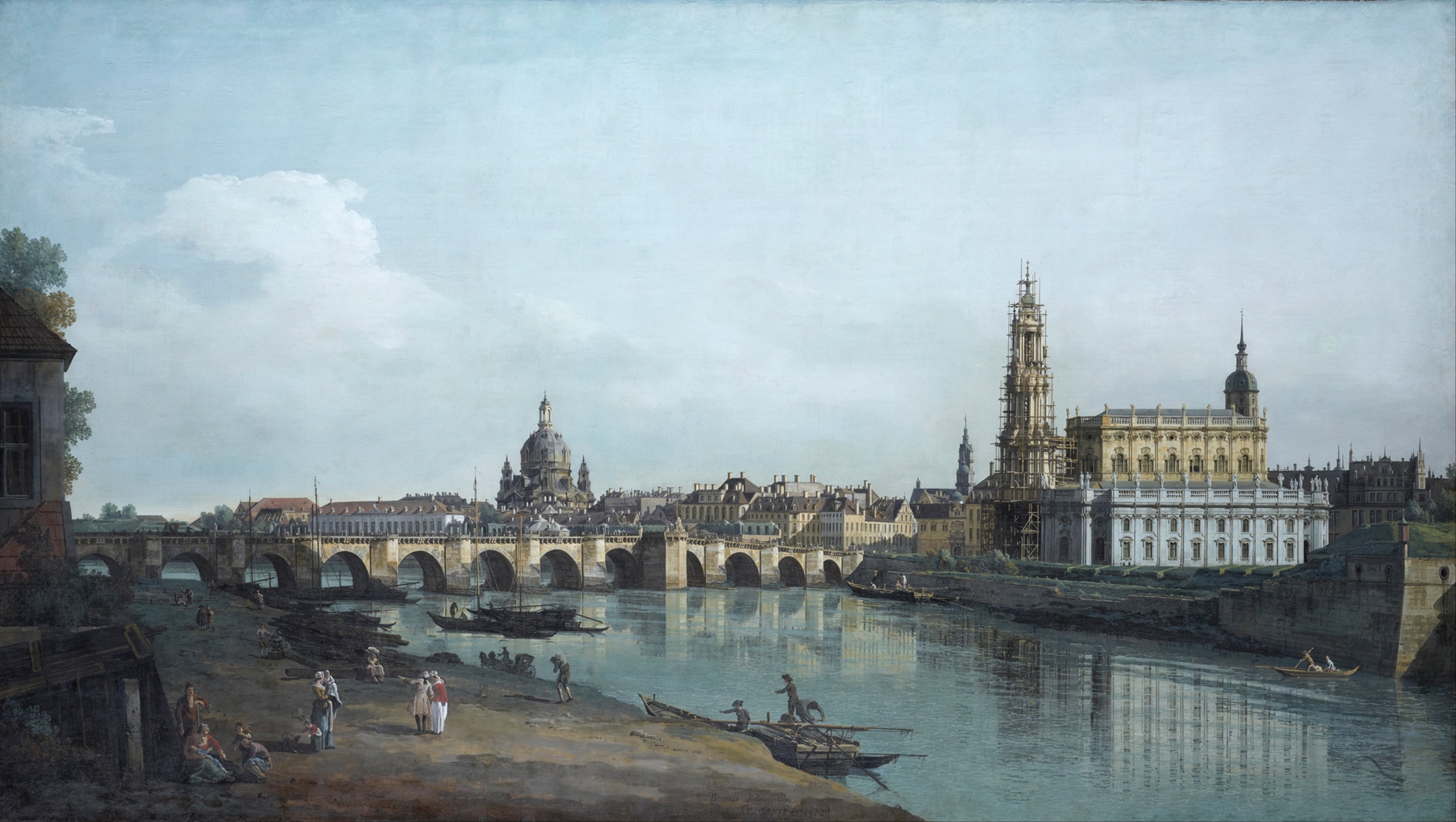
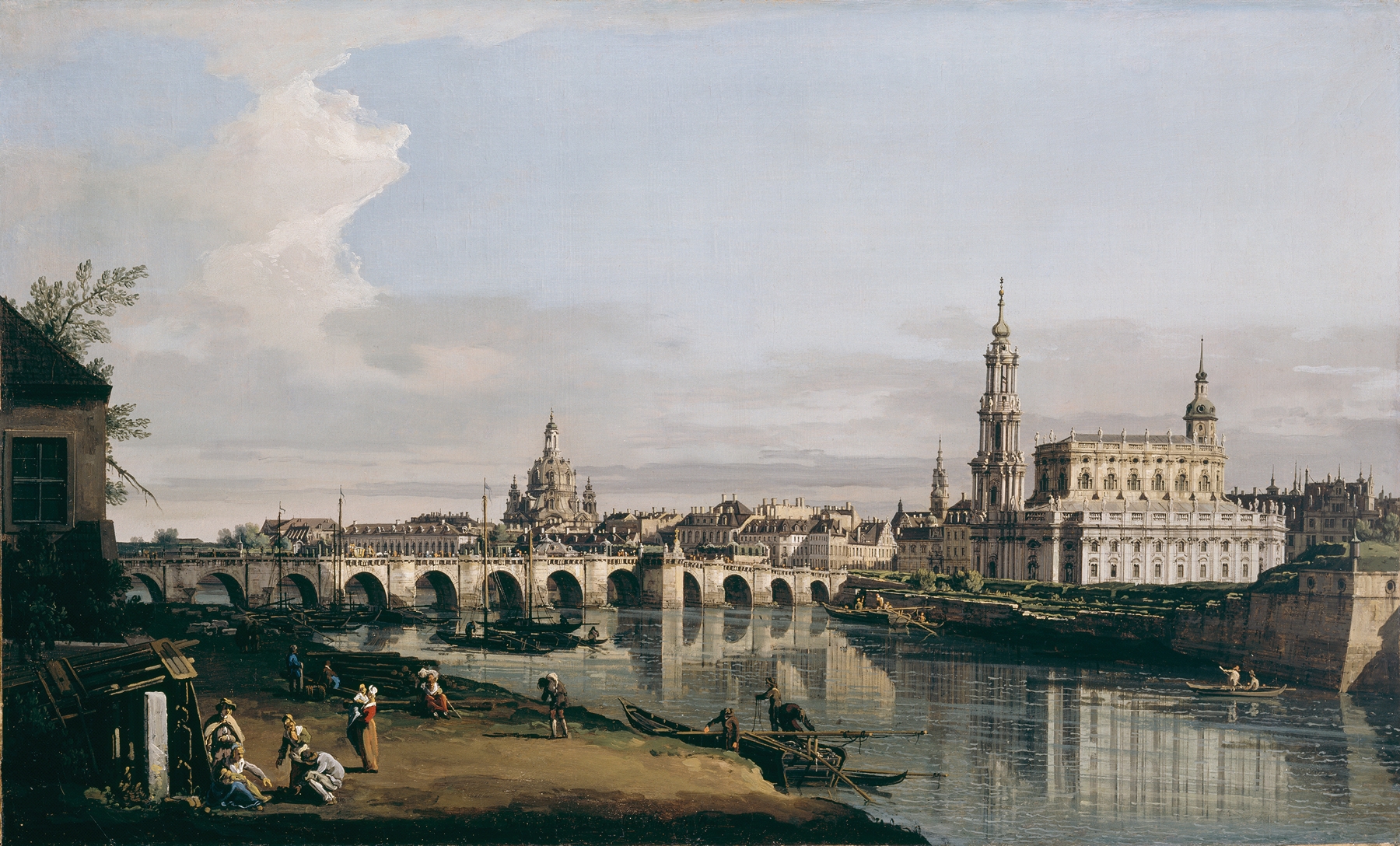
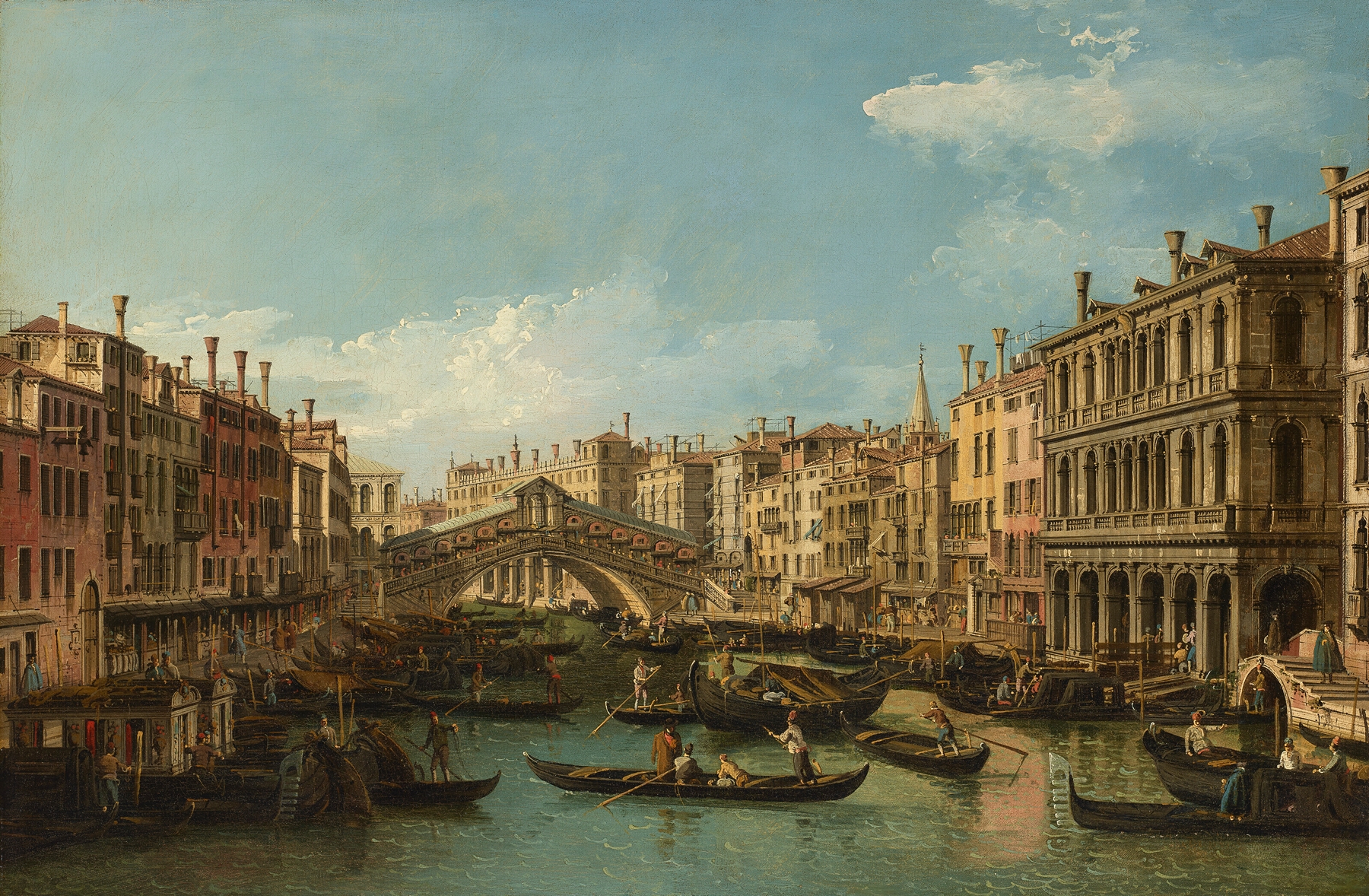
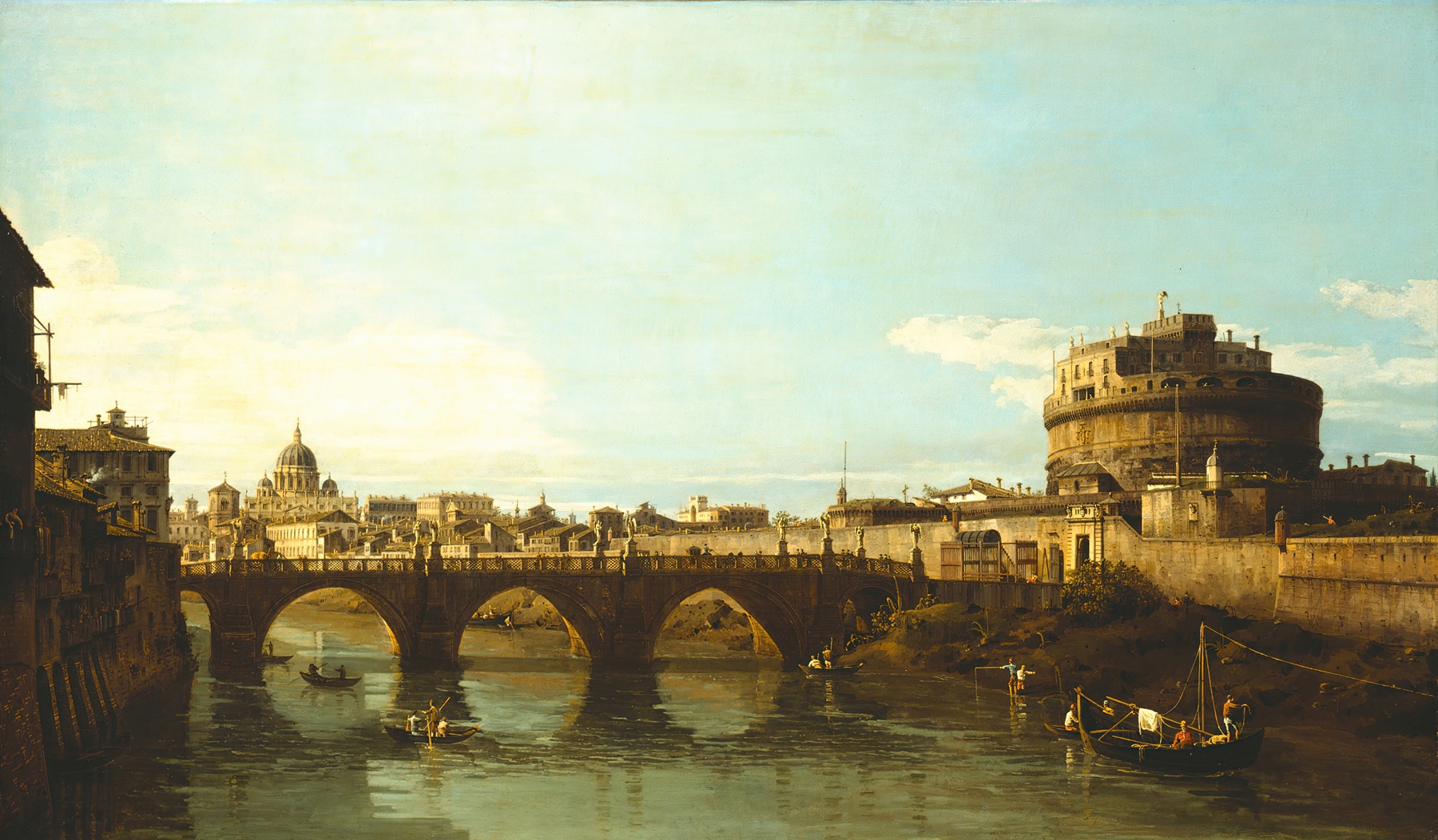
“Every silence here is a confession.” In the stillness of The Lock at Dolo, a profound void emerges, whispering secrets held within. The untouched landscape unfolds a narrative not of sound but of quiet contemplation, leading us into a world suspended between reality and reflection. Look to the left, where the tranquil waterway glistens under the soft, ambient light. The meticulously painted trees frame the scene, their vibrant greens contrasting elegantly with the muted blues of the sky. The architectural details of the lock, rendered with precision, draw the eye to the central structure, a symbol of human ingenuity juxtaposed against nature’s serene backdrop.
Notice how the light dances on the water’s surface, capturing fleeting moments and inviting viewers into a meditative space. Delve deeper, and you’ll find an interplay of emotions; the rush of progress versus the calm of the natural world. The figures by the lock appear almost insignificant, hinting at the vastness of the landscape surrounding them. This tension reveals a broader commentary on human existence—our ceaseless endeavors within the enveloping embrace of nature's stillness.
The painting’s hues evoke a sense of melancholy, as if revealing the void we often overlook in our busy lives. Created in 1745, this work emerged during a period of artistic maturity for Bernardo Bellotto, who was establishing his reputation in Venice. At that time, Europe was undergoing profound changes, both politically and culturally. The fusion of topographical precision and poetic narrative style in his paintings reflected a shift towards a more romantic and emotional interpretation of landscape, setting the stage for future artistic movements.