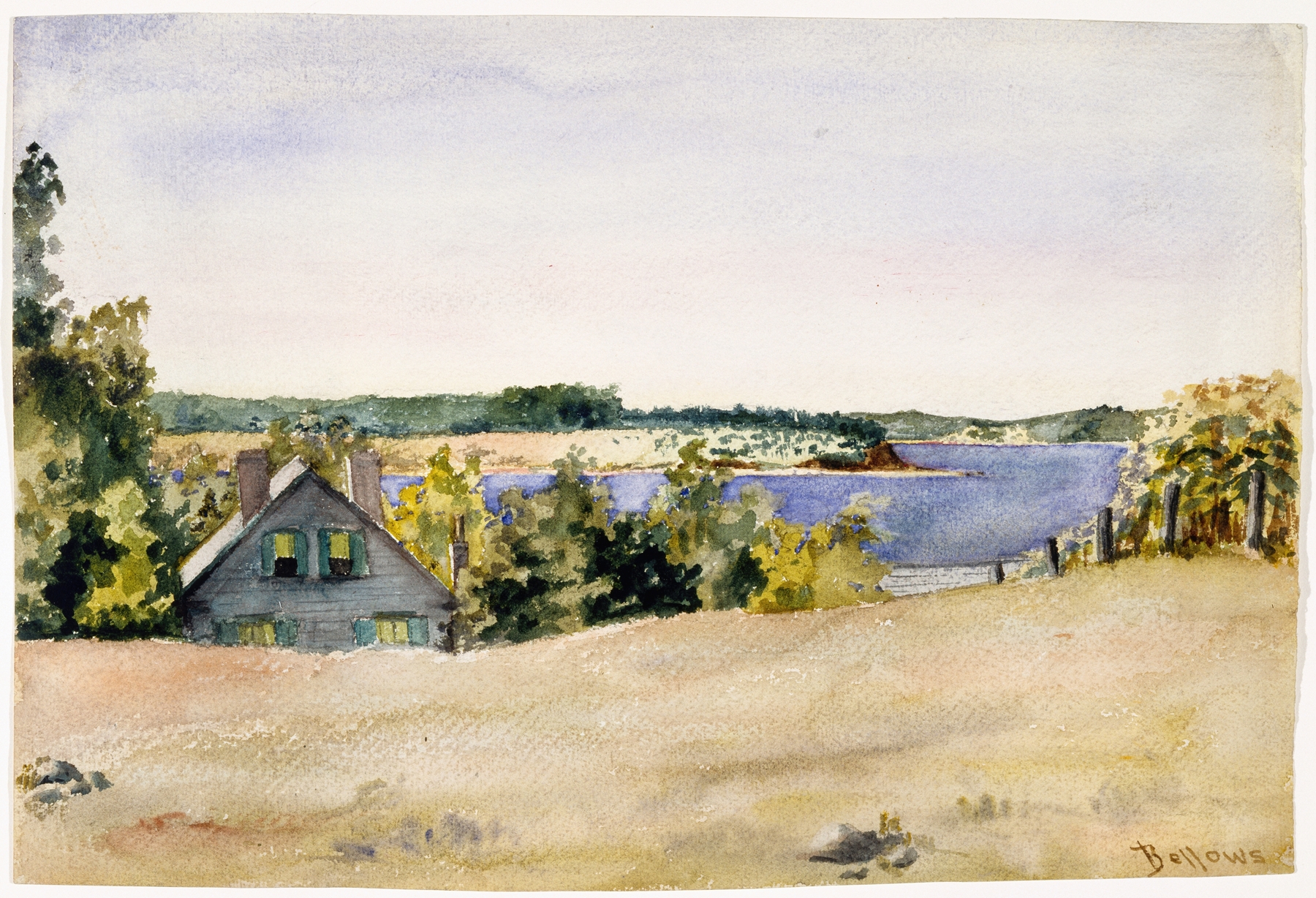
The Lone Tenement — History & Analysis
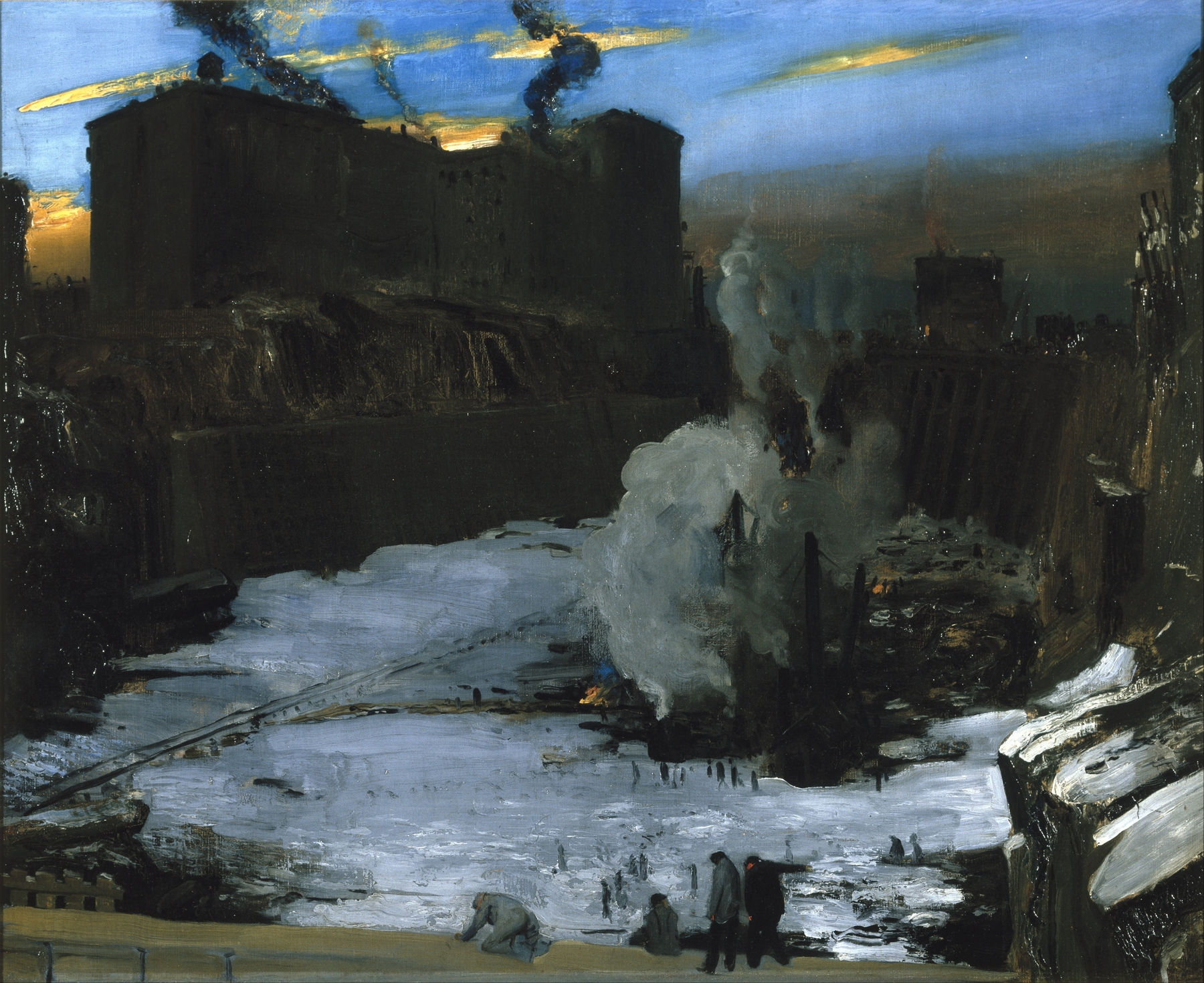
When did color learn to lie? The answer may lie hidden within the somber walls of a tenement, a dreamscape tinged with haunting hues and stark reality. Focus on the foreground, where rough brushstrokes outline the dilapidated structure, inviting your gaze into its wounded form. Notice how the muted tones of brown and gray dominate the canvas, yet splashes of vibrant ochre and deep blues emerge, suggesting life buried beneath layers of hardship.
The artist employs dynamic contrasts, with shadows clinging to the edges, creating tension that echoes the struggles of those who dwell within. The central theme of isolation radiates through the desolation of the building, symbolizing the forgotten souls trapped within. Yet, among the gloom, there’s a whisper of hope — the sunlight breaking through the drab façade hints at resilience. Fractured dreams linger in every brushstroke, as the architectural lines suggest a community longing for connection, while the absence of figures speaks volumes about their absence and the weight of their stories.
In 1909, George Wesley Bellows painted this work during a period of intense social change in America. Living in New York City, he was deeply influenced by the urban environment and its socio-economic disparities. The Ashcan School was flourishing, and artists like him sought to portray the gritty realities of life, challenging the romanticized depictions of the time. This piece reflects his commitment to capturing the struggles of everyday people while pushing the boundaries of artistic expression.