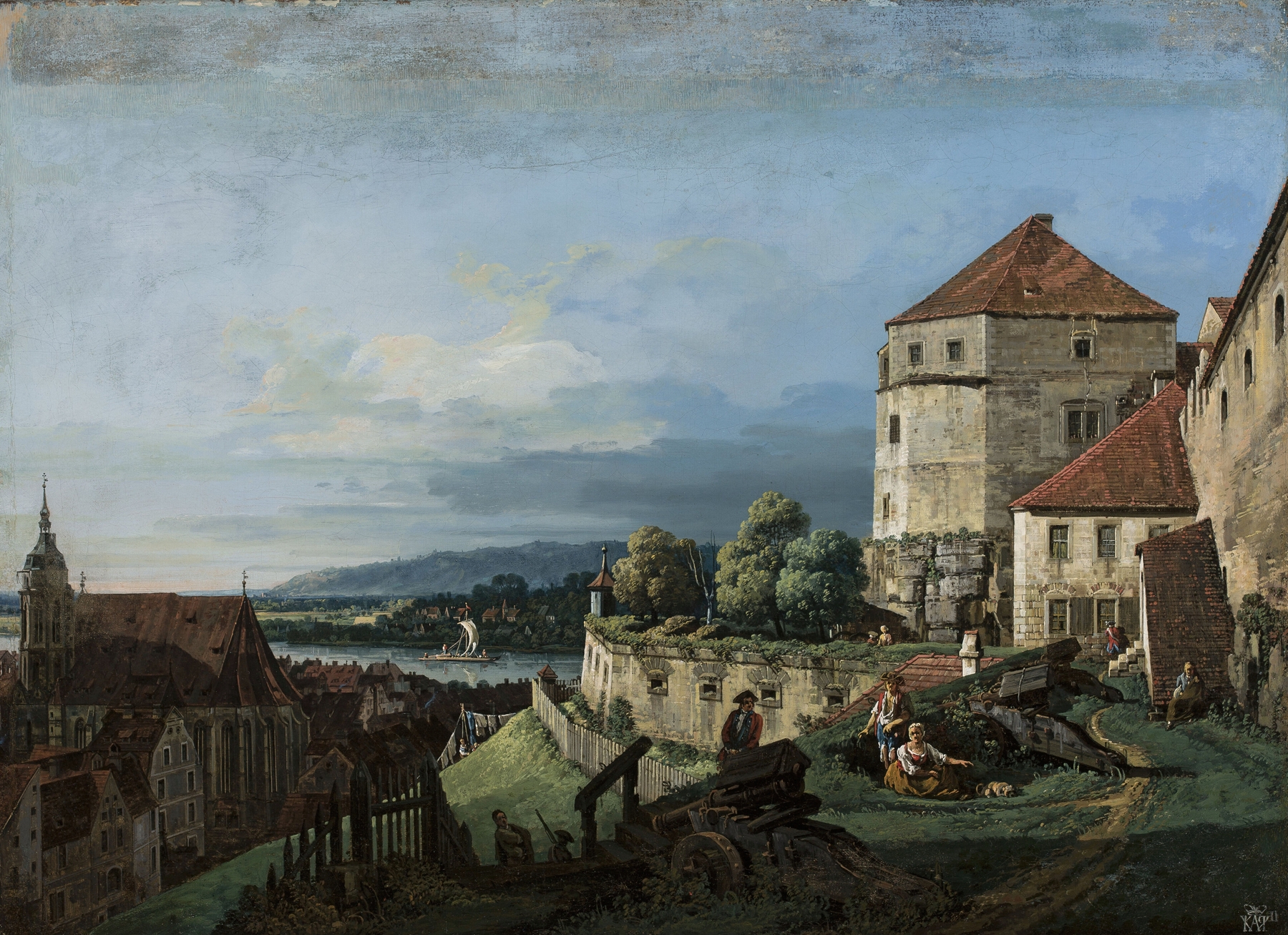
The Marketplace at Pirna — History & Analysis
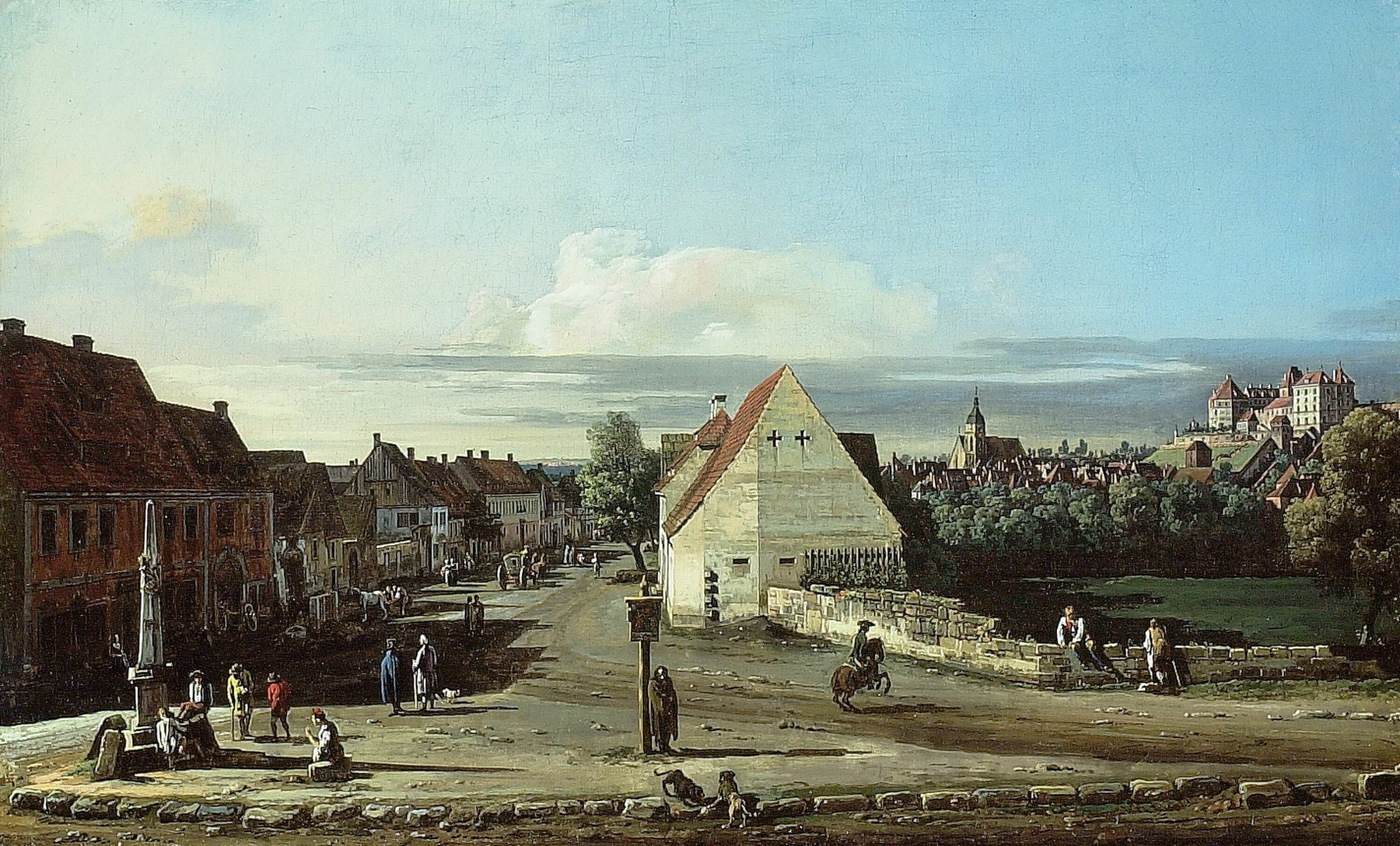
Is this a mirror — or a memory? The vibrant marketplace, alive with activity yet shadowed by an underlying tension, invites contemplation on the fragility of peace in bustling life. Look to the left at the figures engaged in animated bargaining, their postures both animated and expressive. The rich colors of their attire contrast sharply with the muted backdrop of the architecture, evoking a sense of place and time. Notice how the sunlight bathes the scene, casting both warmth and shadow, illuminating the joy of commerce while hinting at the darker undertones of human interaction.
The composition draws the eye through the crowd, guiding the viewer into this lively space where laughter and urgency prevail. Yet, amid the vibrant chaos, subtle details hint at unease. Observe the expressions on the faces — a woman glances nervously over her shoulder, while a nearby man’s posture seems too rigid, as if poised for conflict. These contrasts between the joyous market activity and the undercurrents of violence reflect the tension of the era, where commerce thrived alongside the threat of unrest.
The painting captures a moment that is both a celebration and a reminder of the precariousness of daily life. In the 1760s, while creating this work, the artist found himself amidst a Europe grappling with political upheaval and shifting power dynamics. Bellotto, an esteemed landscape painter and a pupil of Canaletto, was exploring the vibrant streets of Pirna, capturing not just the architecture but the essence of communal life. His focus on the details of the market reflects a period when art began to mirror the complexities of human experience, capturing the beauty and tension of the world around him.