The North City Gate, Great Yarmouth, Norfolk — History & Analysis
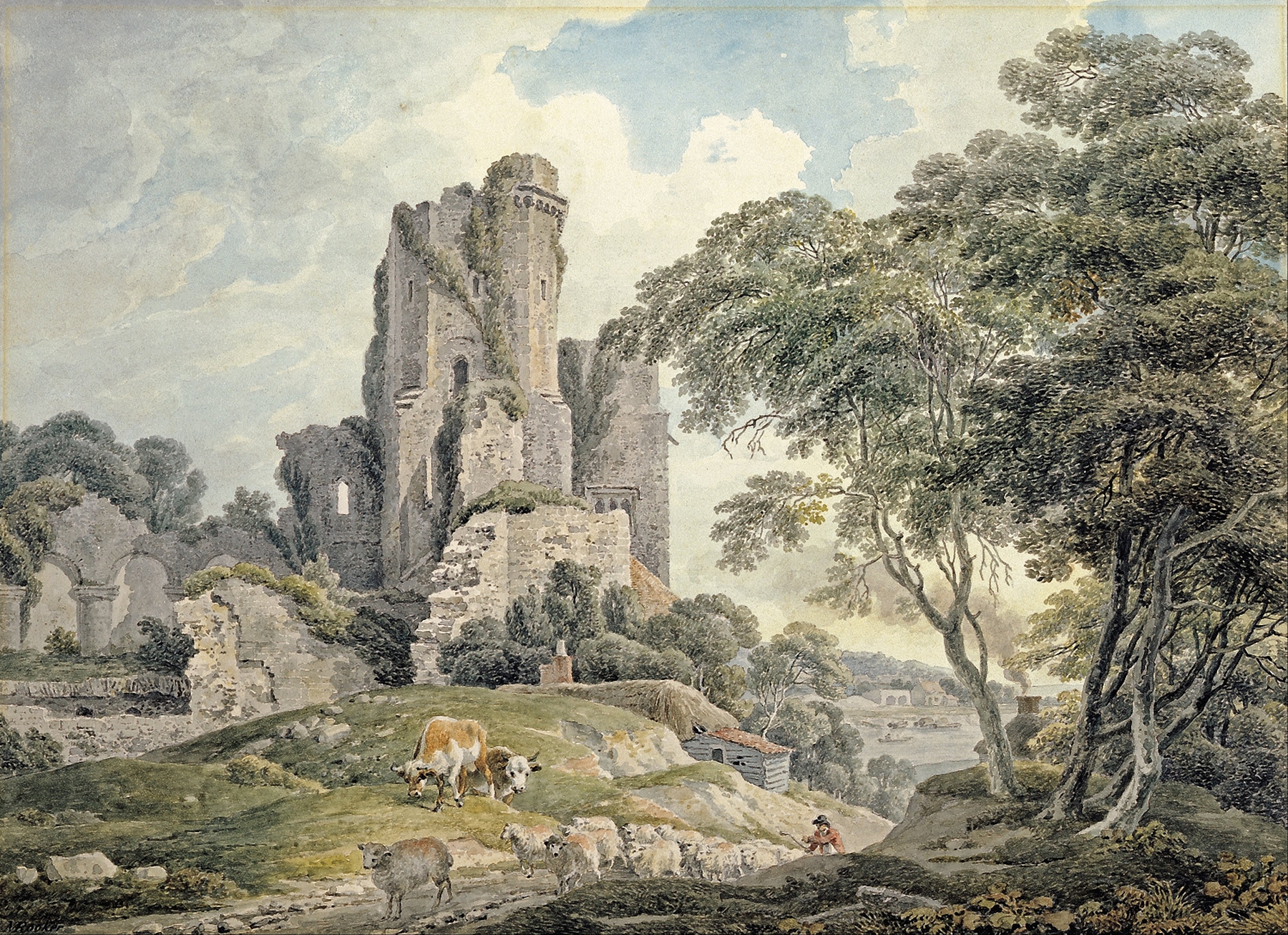
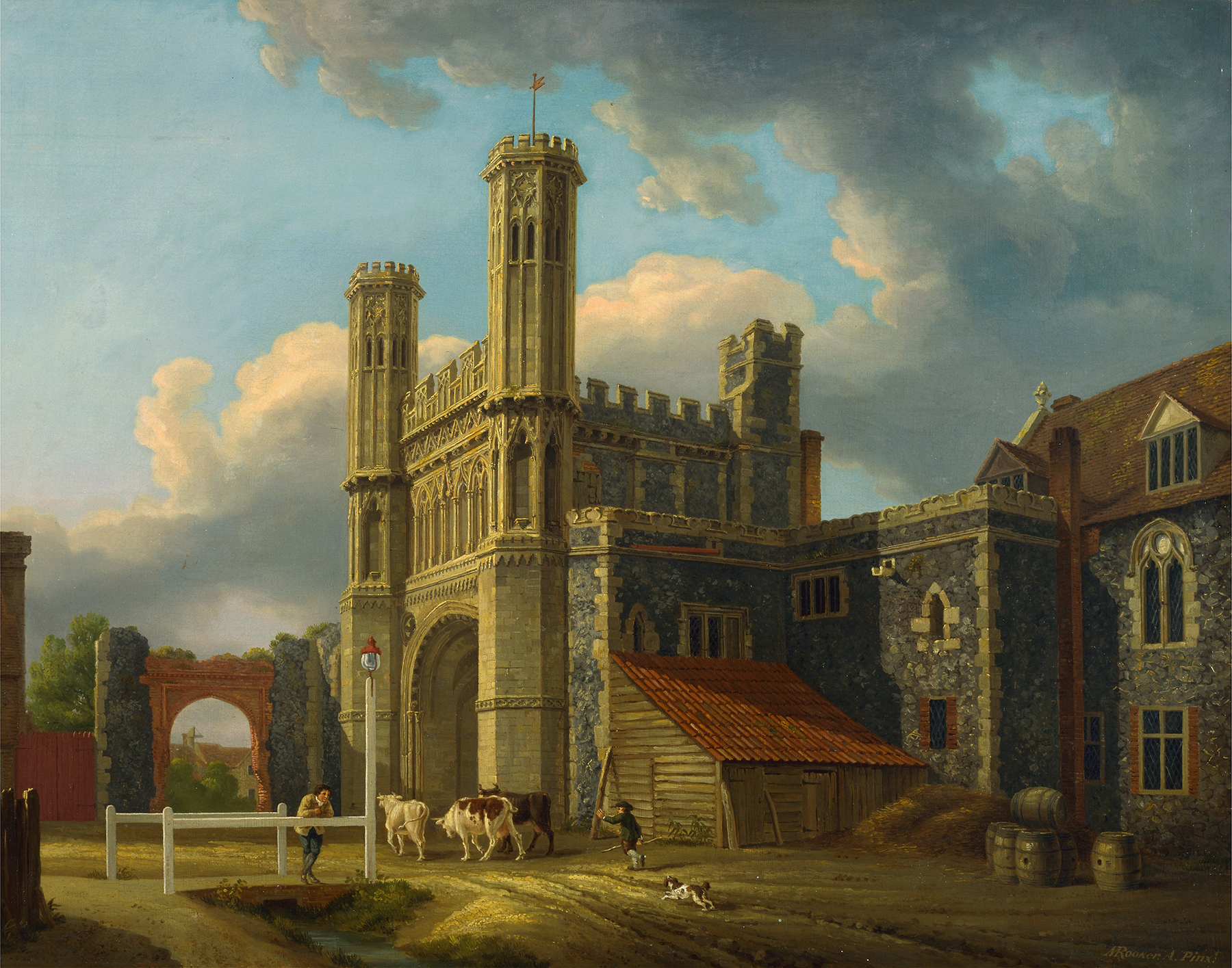
Where does light end, and longing begin? In a world defined by memories and shadows, the interplay of light reveals the heartache of what once was. Focus on the archway at the center of the composition, a silent witness to time's passage. Notice how it frames the distant horizon, with soft hues of twilight bleeding into the sky. The meticulous detailing of the bricks, worn and weathered, tells a tale of endurance, while the gentle gradients of light suggest a fading warmth, as if the sun itself mourns the day’s end.
Rooker’s careful brushwork contrasts the solidity of the gate with the ephemeral qualities of twilight, creating a palpable tension that invites viewers to linger. In this artwork, the gate symbolizes a threshold—between the known and the unknown, between presence and absence. The muted color palette evokes a sense of nostalgia, while the absence of figures emphasizes isolation and loss. Each shadow seems to whisper stories of those who passed through, their echoes reverberating through the arch.
It asks us to reflect on the passage of time and the inevitable changes it brings, capturing both the beauty and the melancholy of existence. Michael Angelo Rooker created this piece during an era when romantic landscapes were gaining popularity, likely in the late 18th century, reflecting a growing interest in capturing the sublime in nature. Living in England, Rooker was influenced by the picturesque movement, which sought to elevate ordinary scenes into realms of beauty. As he meticulously painted Great Yarmouth's North City Gate, he was not only documenting a locale but also engaging with the emotional landscape of memory and loss that permeated his time.