The Palisades — History & Analysis
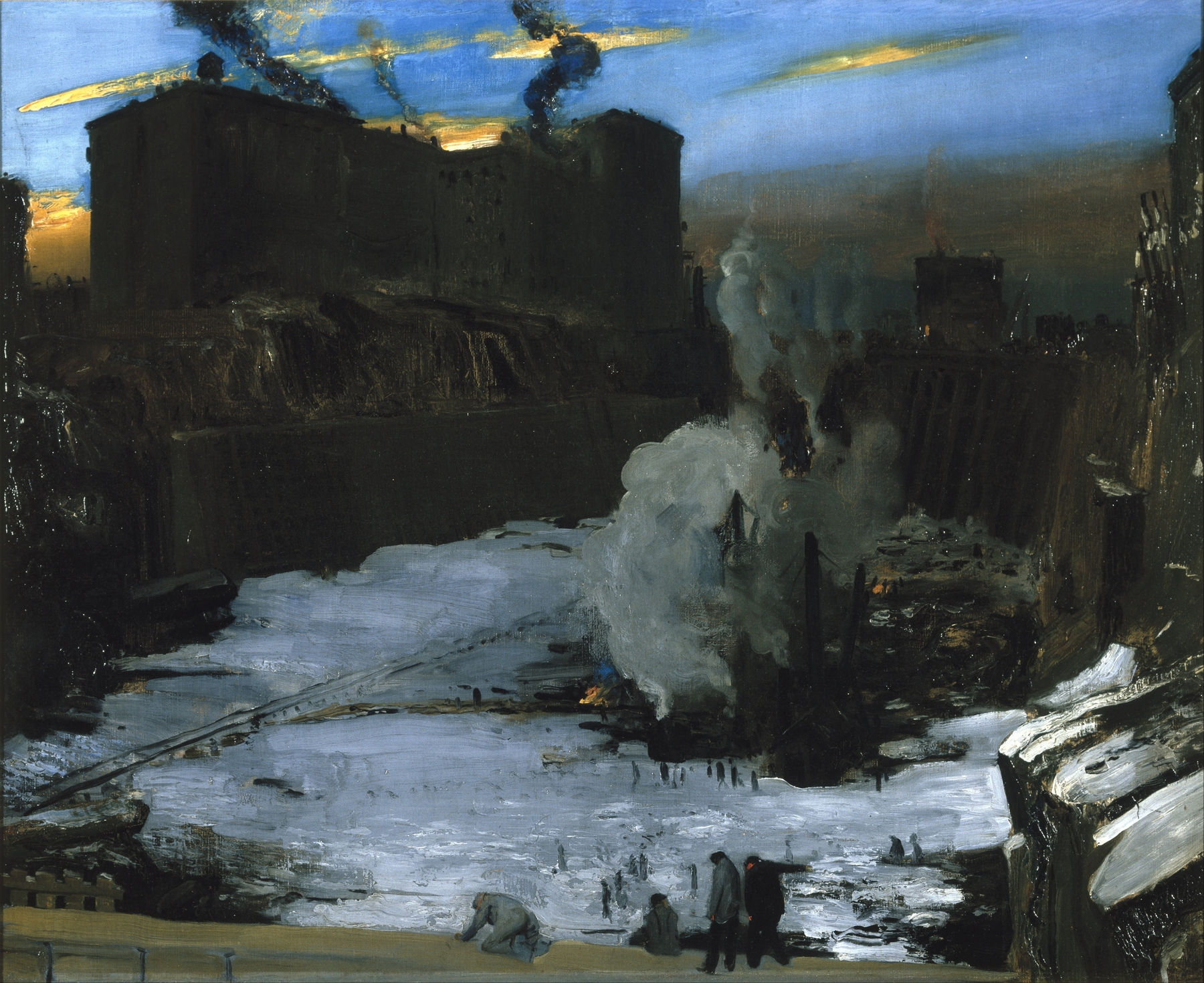
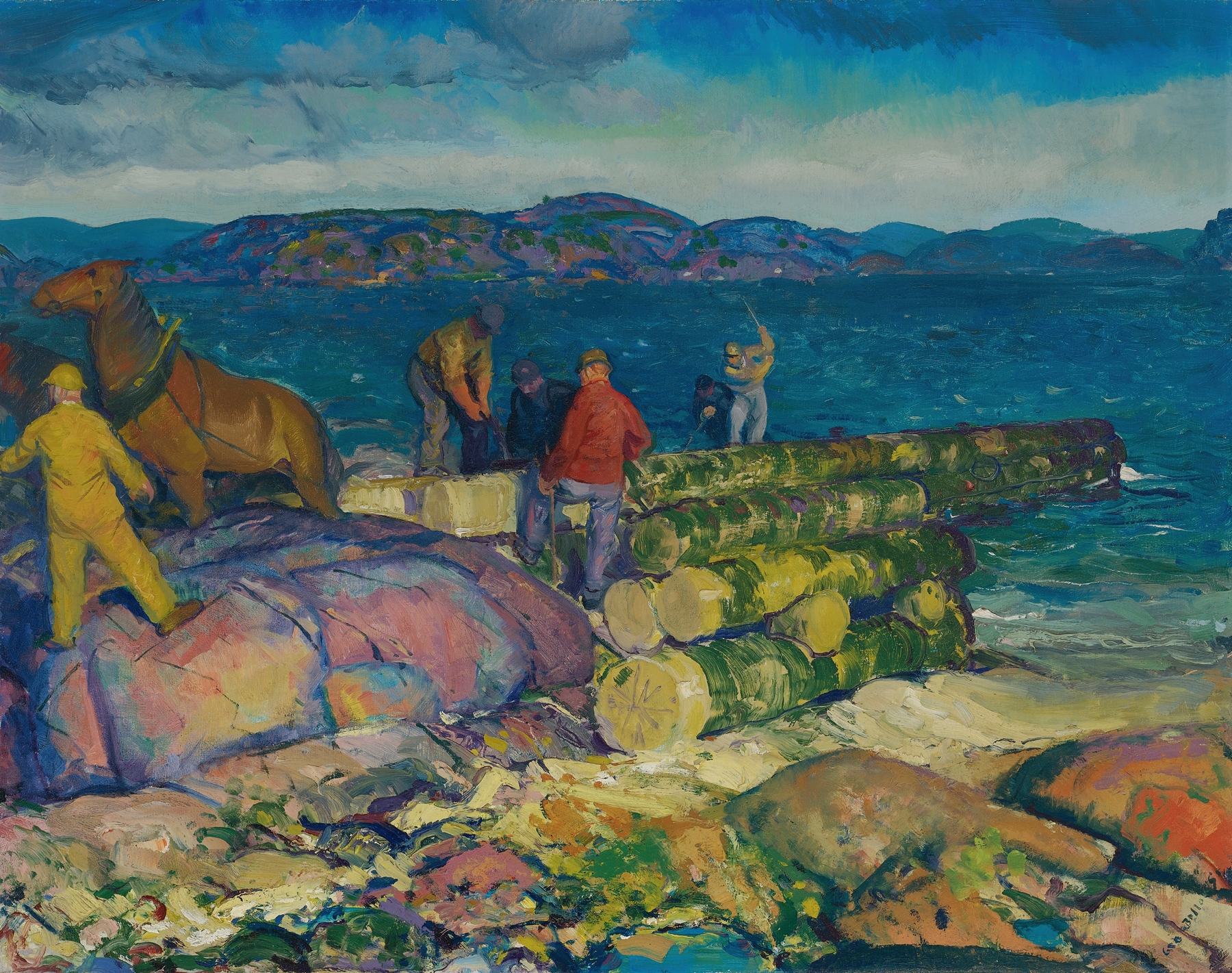
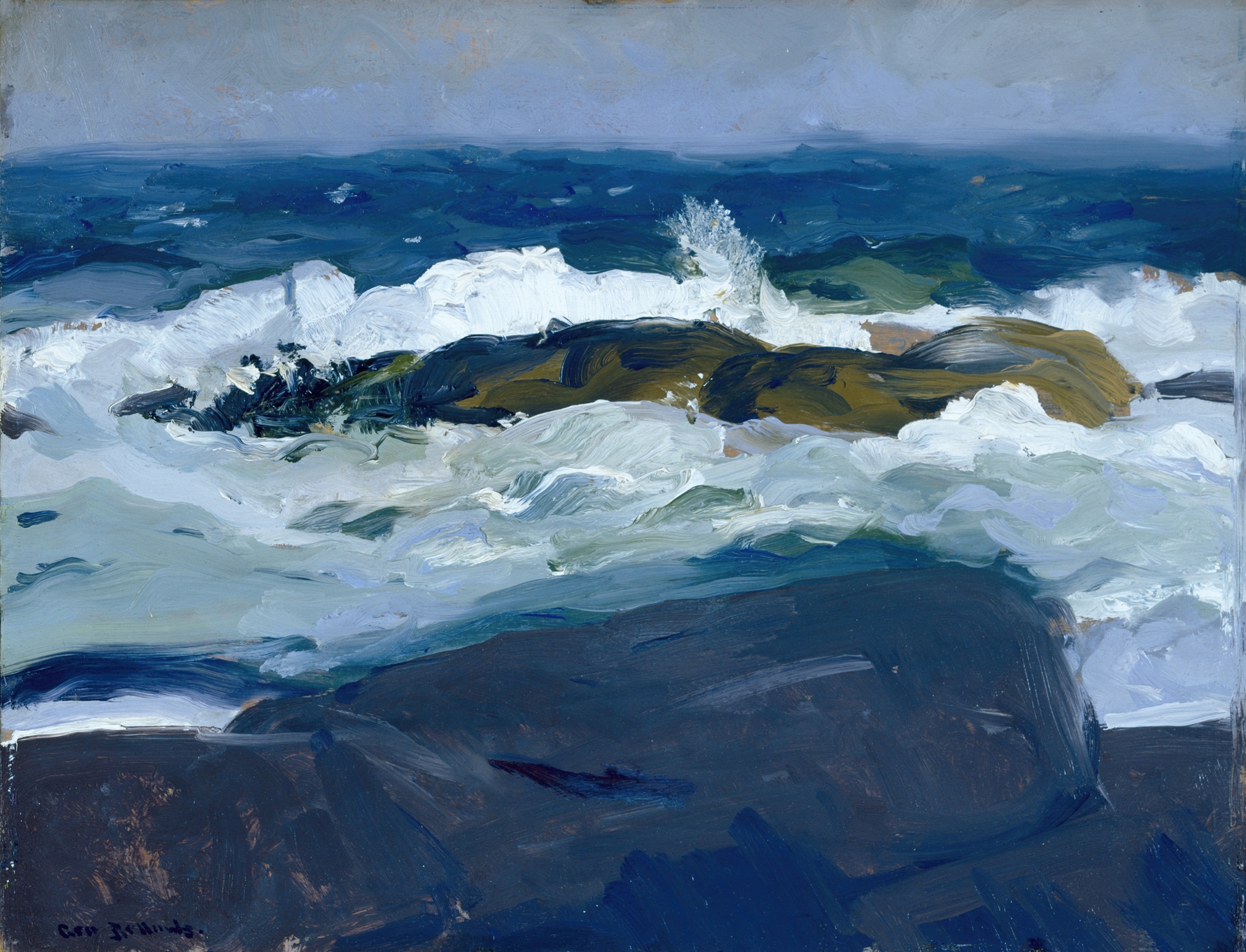
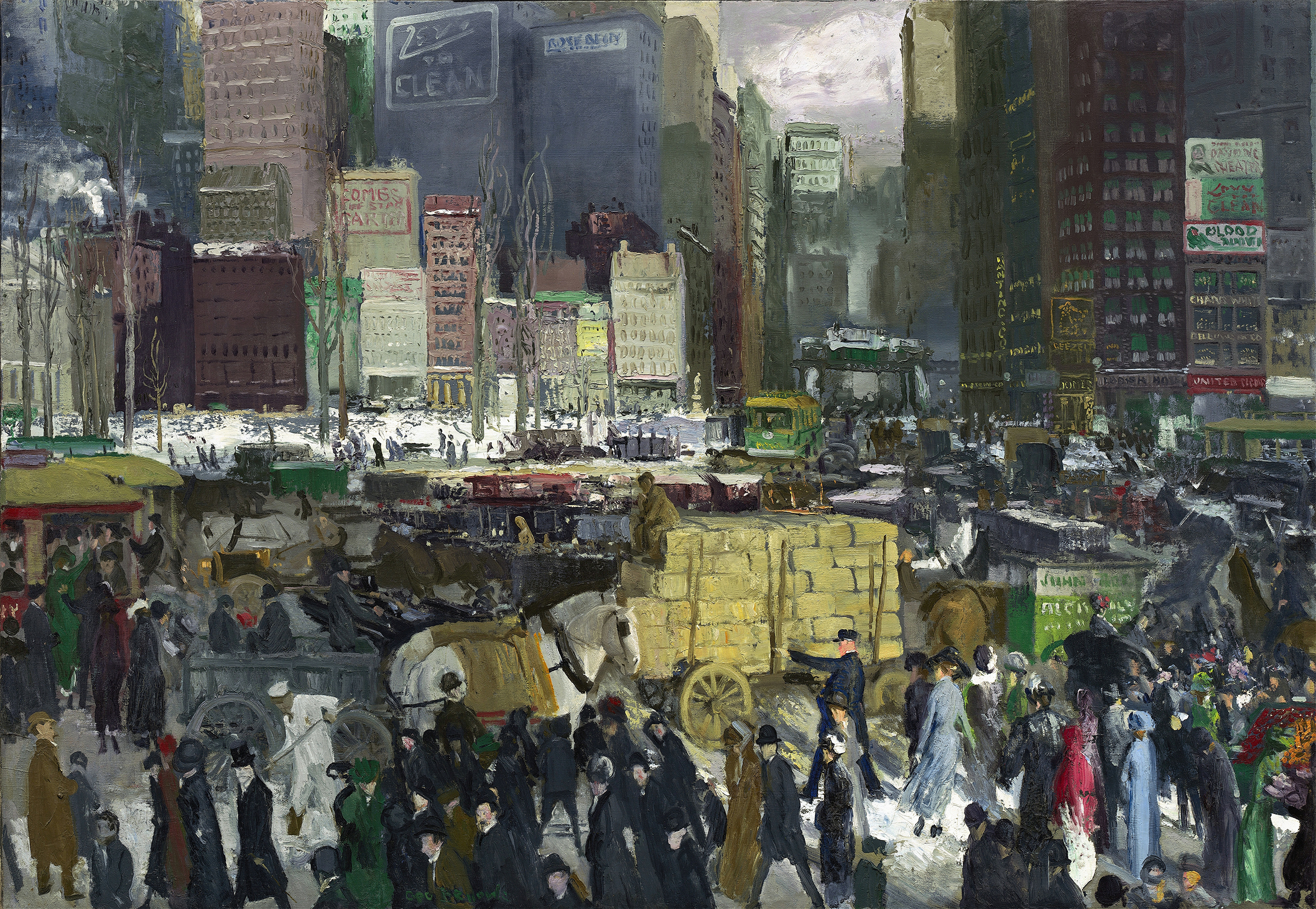
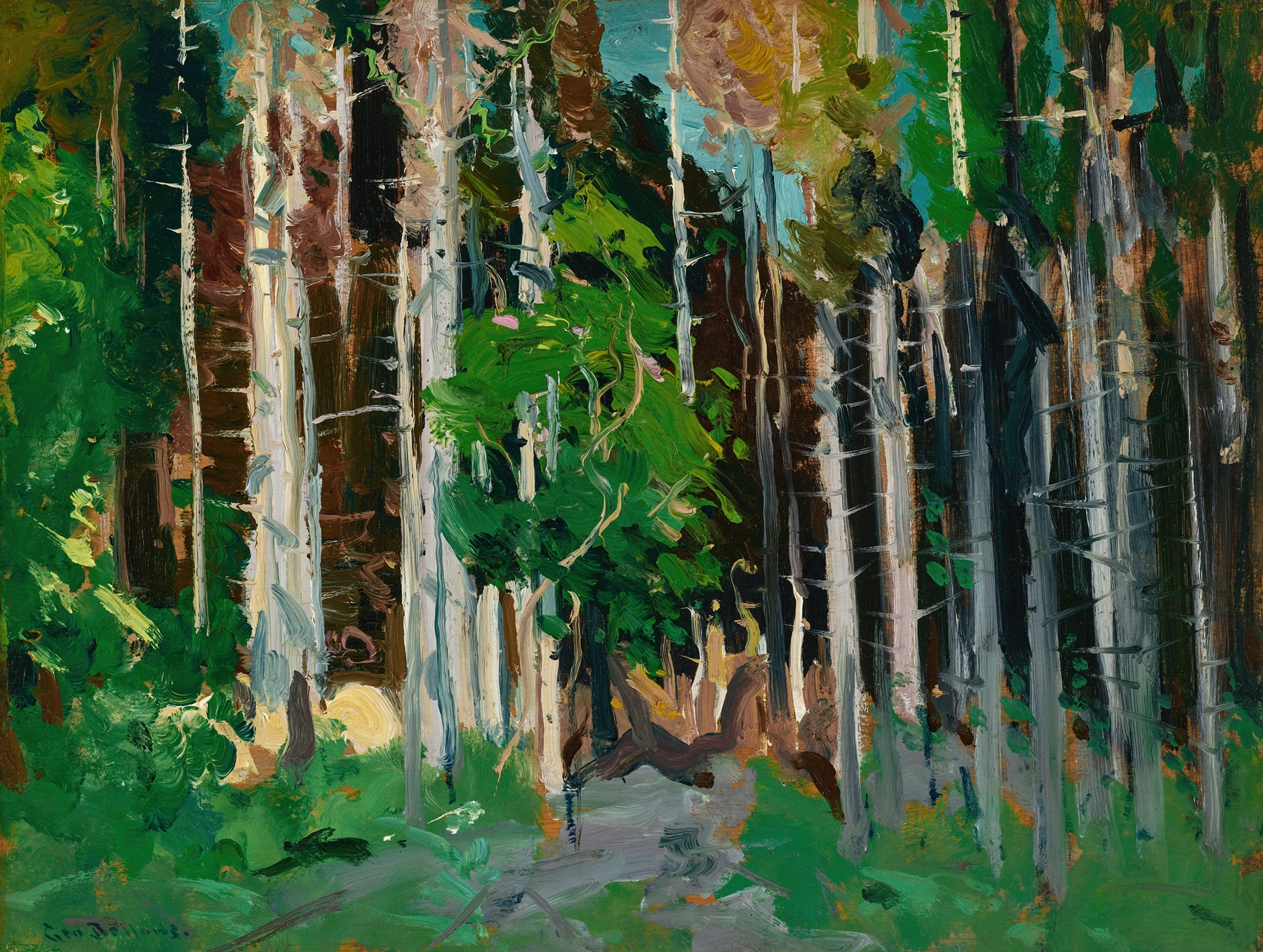
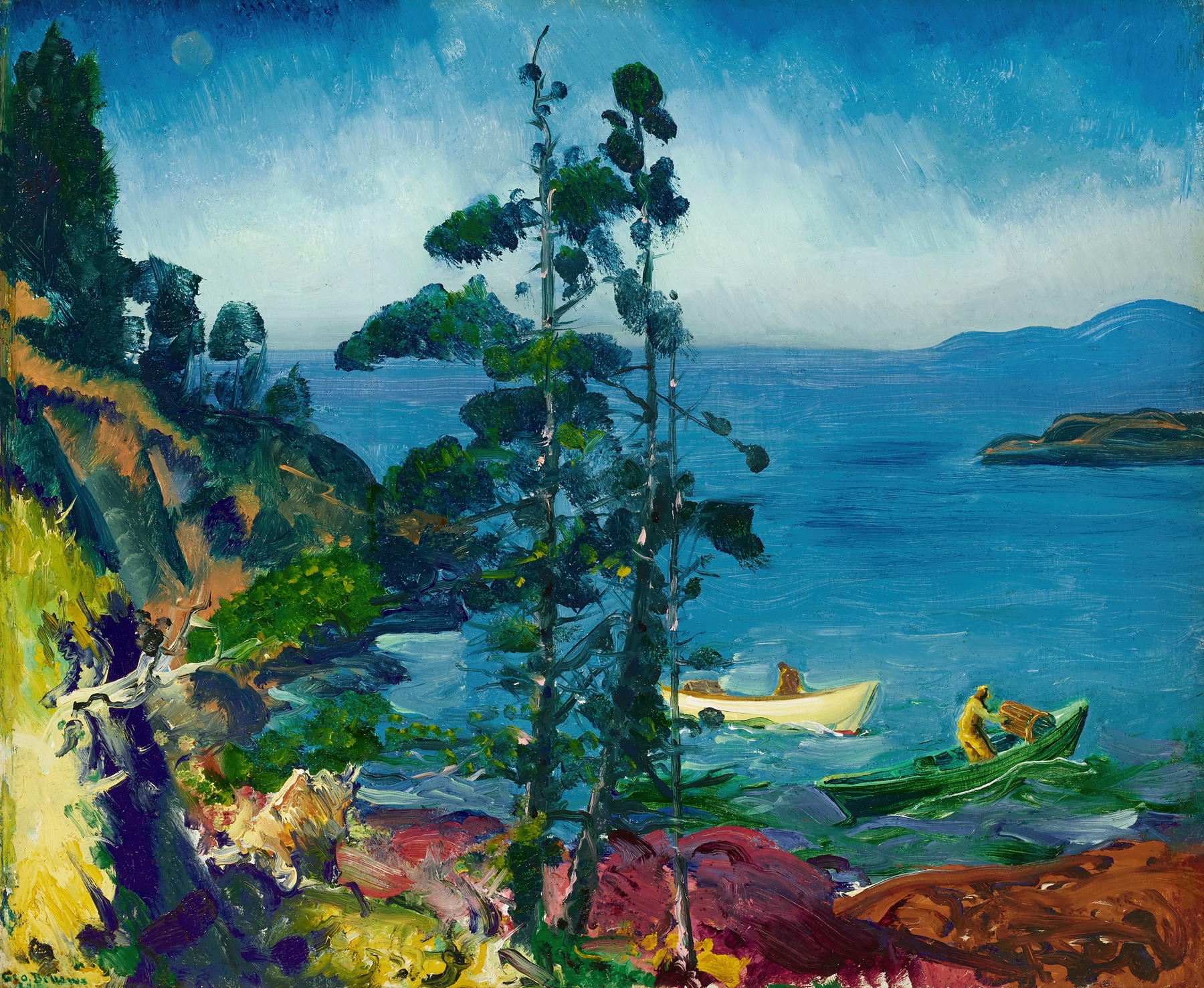
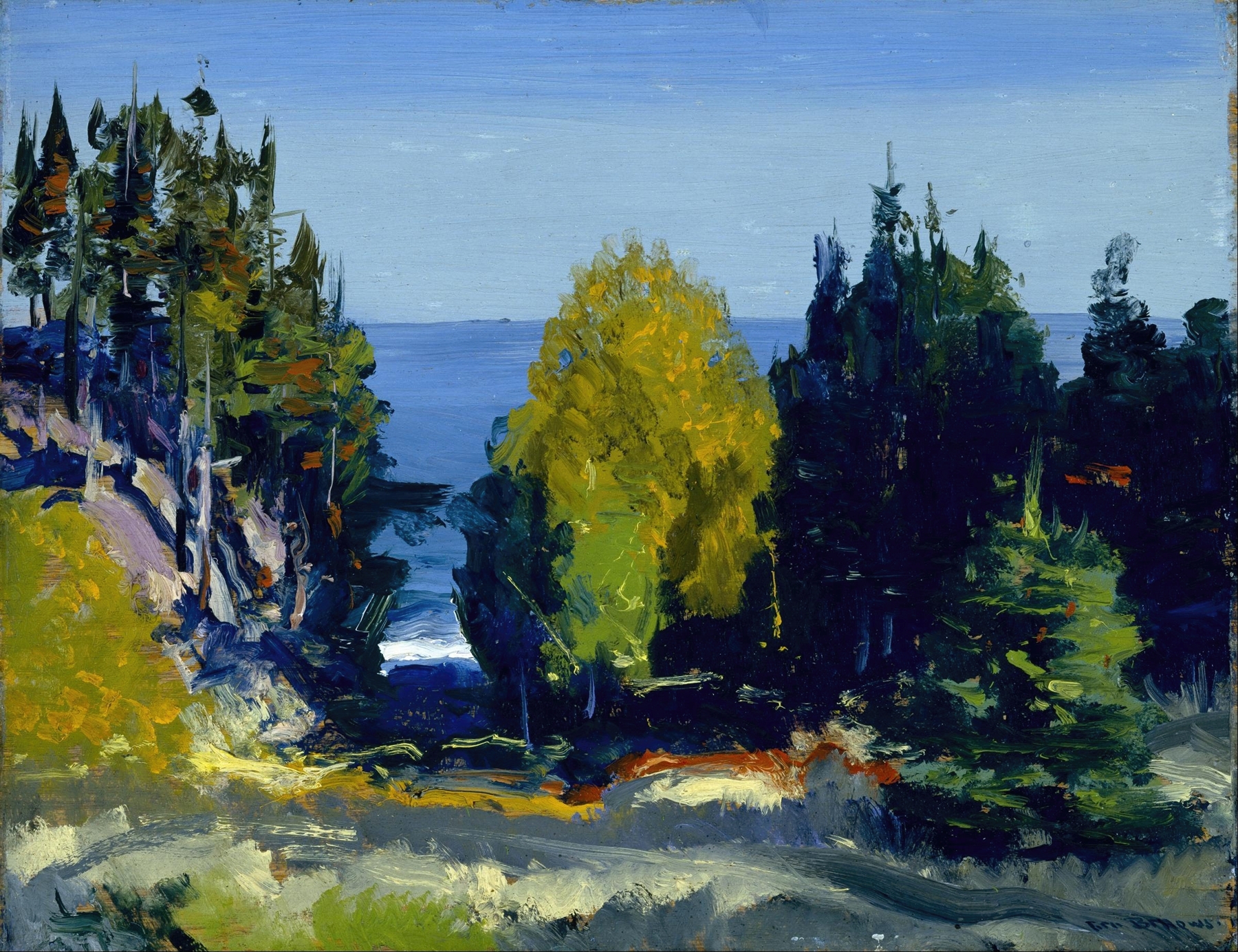
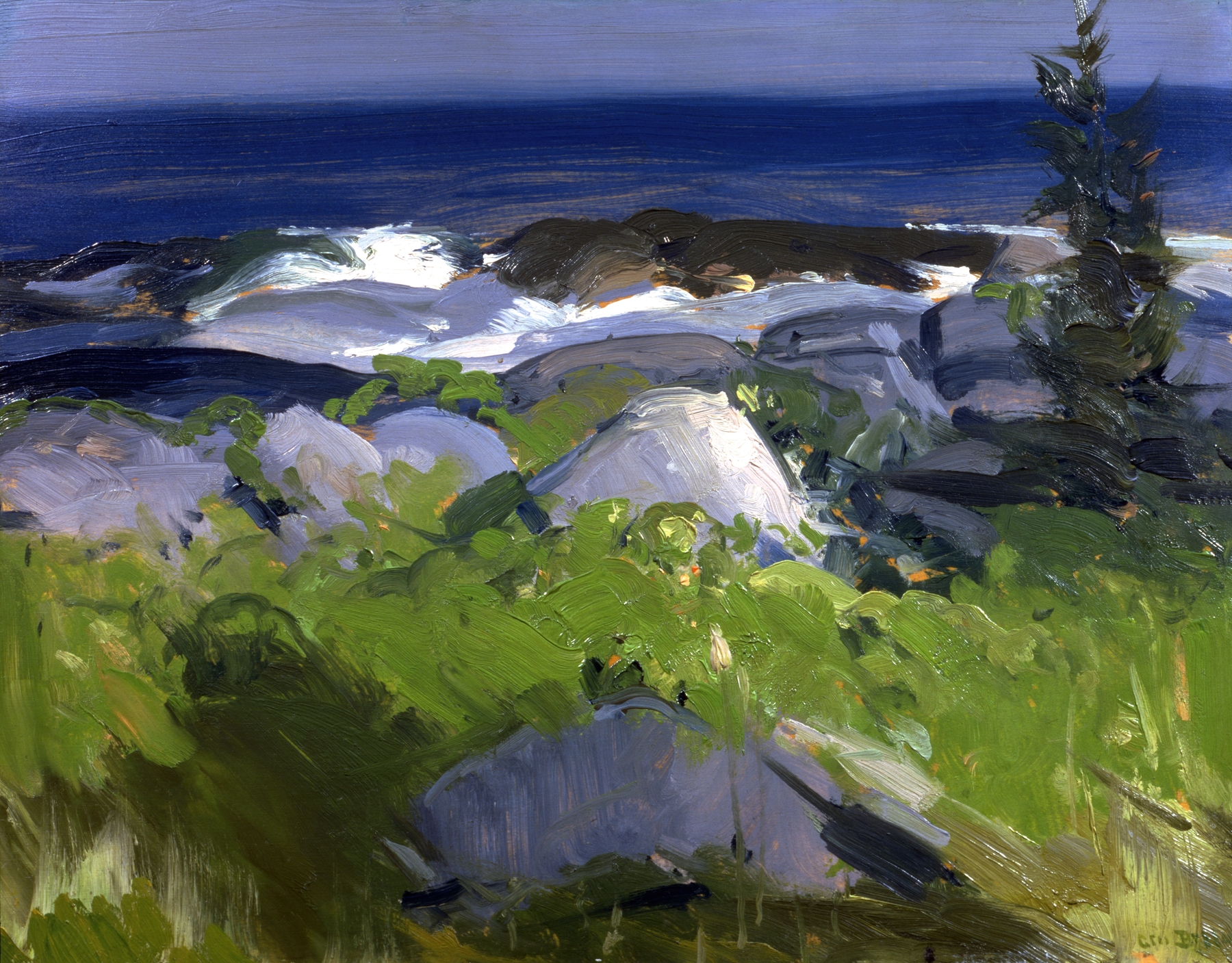
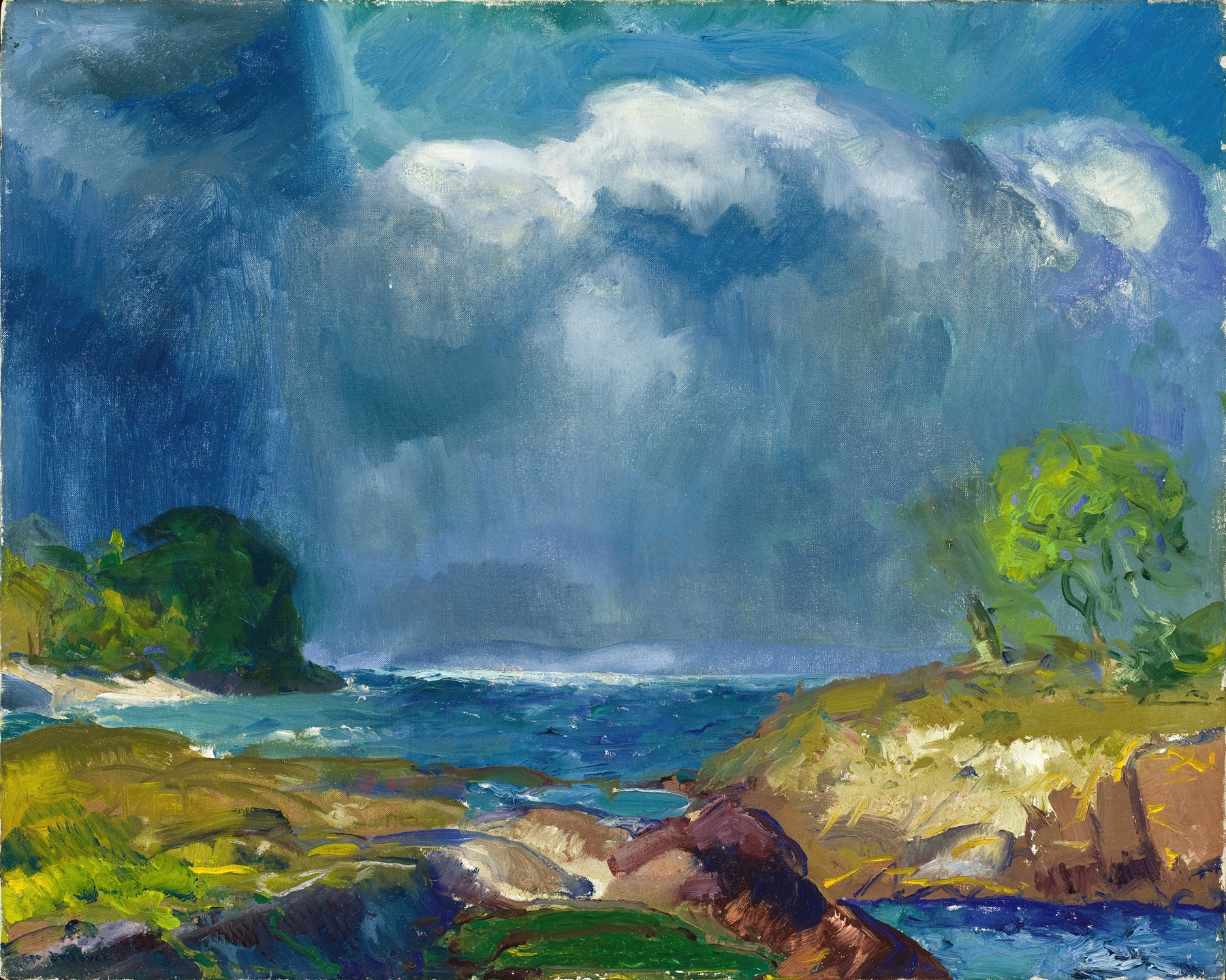
“Between color and silence, truth hides.” In the midst of chaos, a fine line separates the madness of existence from the clarity we seek. Focus first on the vibrant swath of blues and greens that dominate the canvas, drawing you into a world that feels alive and turbulent. Notice how the brushstrokes pulse with energy, almost as if the landscape itself is breathing. The dynamic play of light against the jagged rocks creates a vivid contrast, leading your eye to the tumultuous river that carves through the scene, embodying both danger and beauty.
The artist’s bold technique evokes a sense of urgency, as if the moment is fleeting and demands your attention. Amidst the frenzy of color, there lies an emotional dichotomy — the tranquility of nature juxtaposed with the frenetic energy of human life. The angular shapes of the cliffs rise majestically, representing strength, while the swirling water below hints at an underlying madness, echoing the tumult of Bellows' own time. The painting captures the struggle for balance between serenity and chaos, inviting viewers to confront their own tumultuous feelings amid a deceivingly peaceful landscape.
In 1909, The Palisades emerged as a reflection of George Wesley Bellows' exploration of urban life and nature's raw power. Painted during a time when America was grappling with rapid industrialization and societal changes, Bellows found solace in the wild beauty along the Hudson River. This period marked a pivotal moment in his career, as he sought to express the complexity of human emotion through his vibrant and evocative landscapes.