The Poet’s Garden — History & Analysis
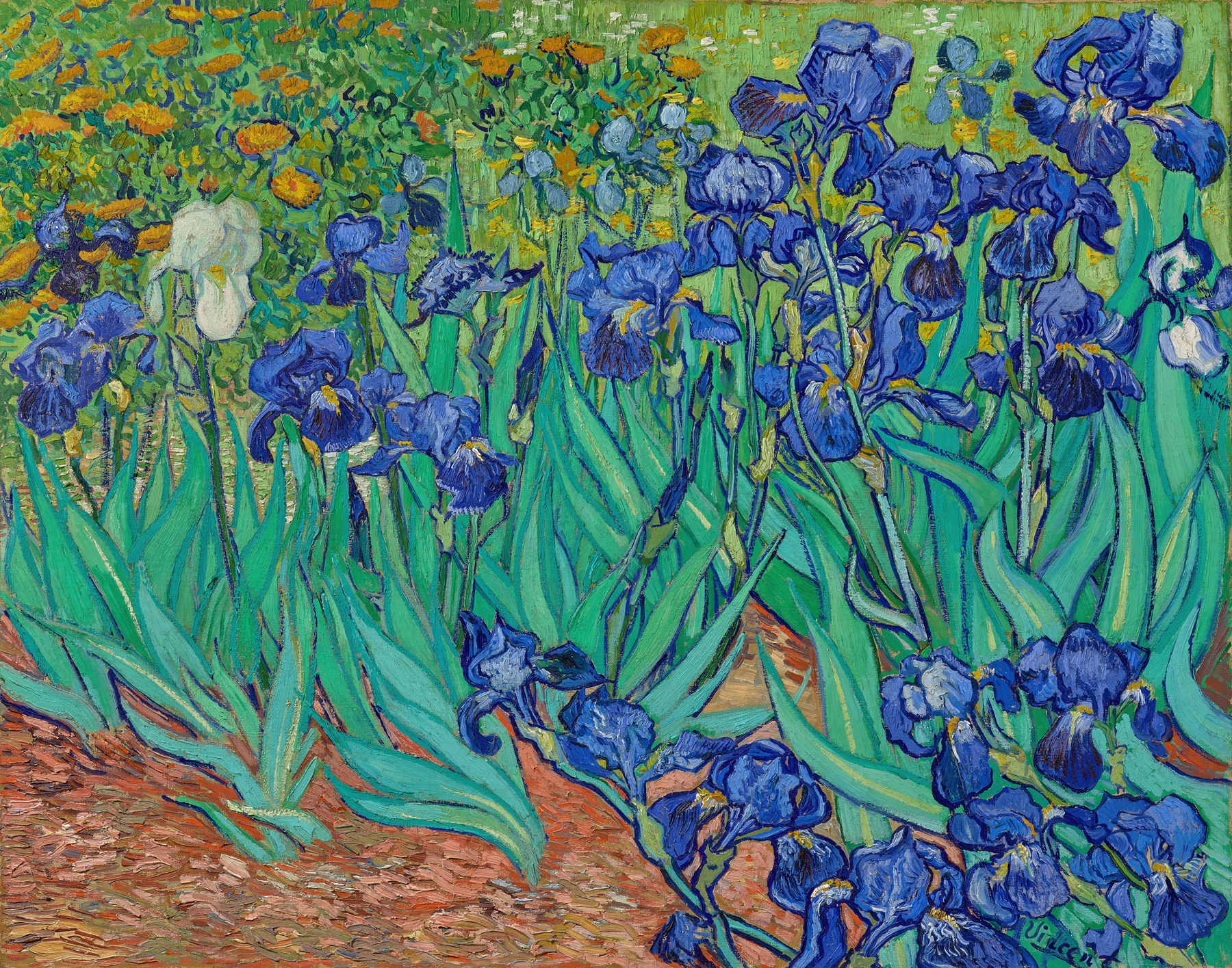
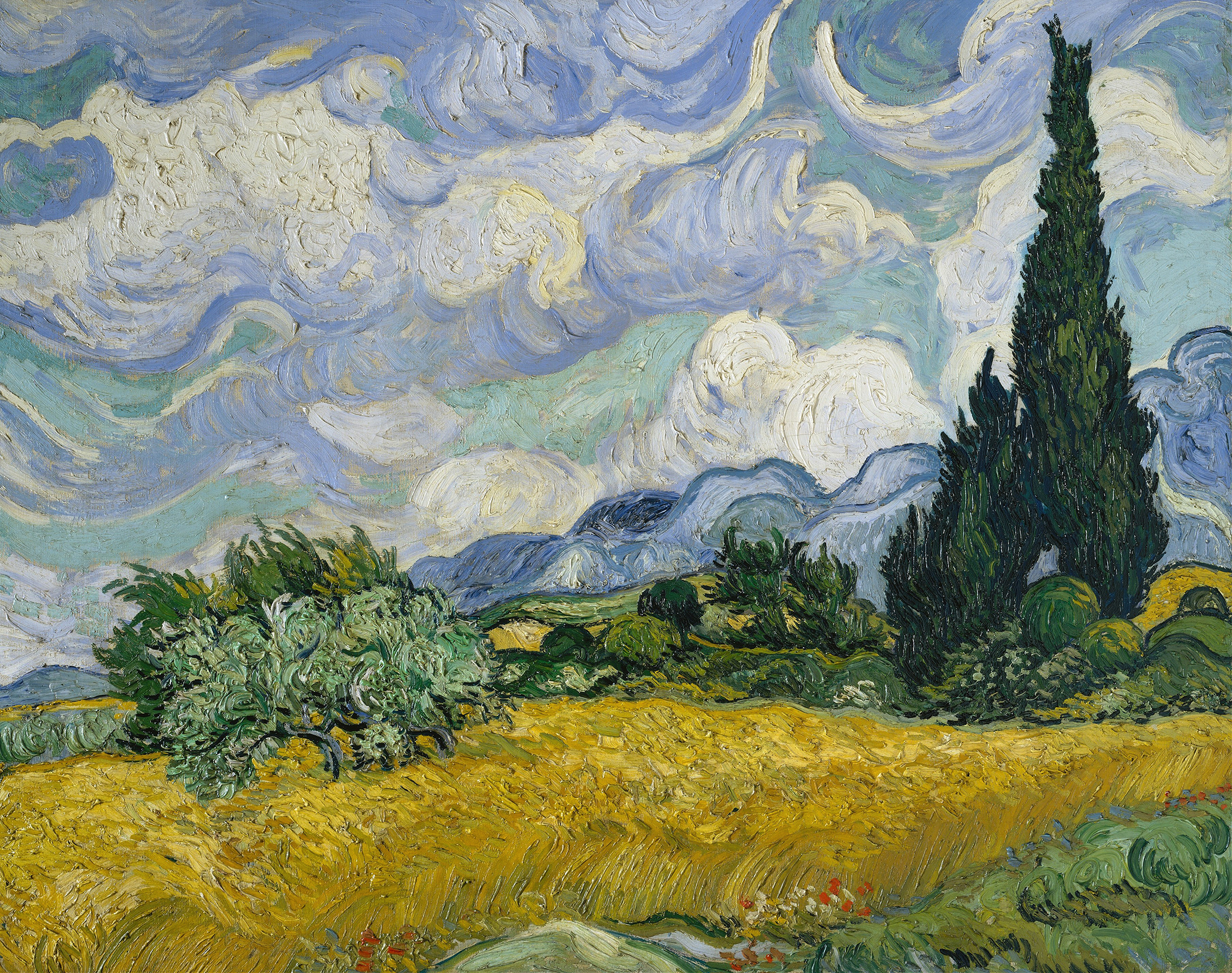
Amidst a riot of colors, a solitary figure stands, poised with pen in hand. The poet gazes contemplatively at the vibrant blooms, their petals trembling softly in the warm breeze, life intertwined with the shadow of impending decay. Sunlight spills over the garden, illuminating both the beauty and the fleeting nature of existence, creating an urgent tension in the air. Look to the left, where vivid strokes of yellow and orange dance across the canvas, capturing the essence of the flowers. Notice how the artist employs lively brushwork to evoke movement, each stroke pulsating with energy.
The thick application of paint creates texture, allowing the richness of the garden to leap forward, while the cool blues of the background anchor the scene. This striking contrast invites the viewer to both lose themselves in the beauty and acknowledge the inevitable decline that shadows it. Within this lush garden, themes of transience and introspection unfold. The vibrant blooms symbolize creativity and inspiration, yet their proximity to decay speaks to the fleeting nature of beauty itself. The poet, enveloped by life and death, exists in a delicate balance, reflecting the struggle between artistic ambition and the inevitable end.
Each flower captures a moment of brilliance, yet hints at the decay that follows, amplifying the tension between euphoria and melancholy. In 1888, during his time in Arles, the artist explored themes of nature and human emotion with fervent intensity. It was a period marked by his search for connection and clarity amid personal turmoil. The local landscape inspired him significantly, yet it mirrored his internal struggles, revealing a profound understanding of life’s dualities, beautifully encapsulated in this vibrant yet contemplative garden scene.