The Rainbow Landscape — History & Analysis
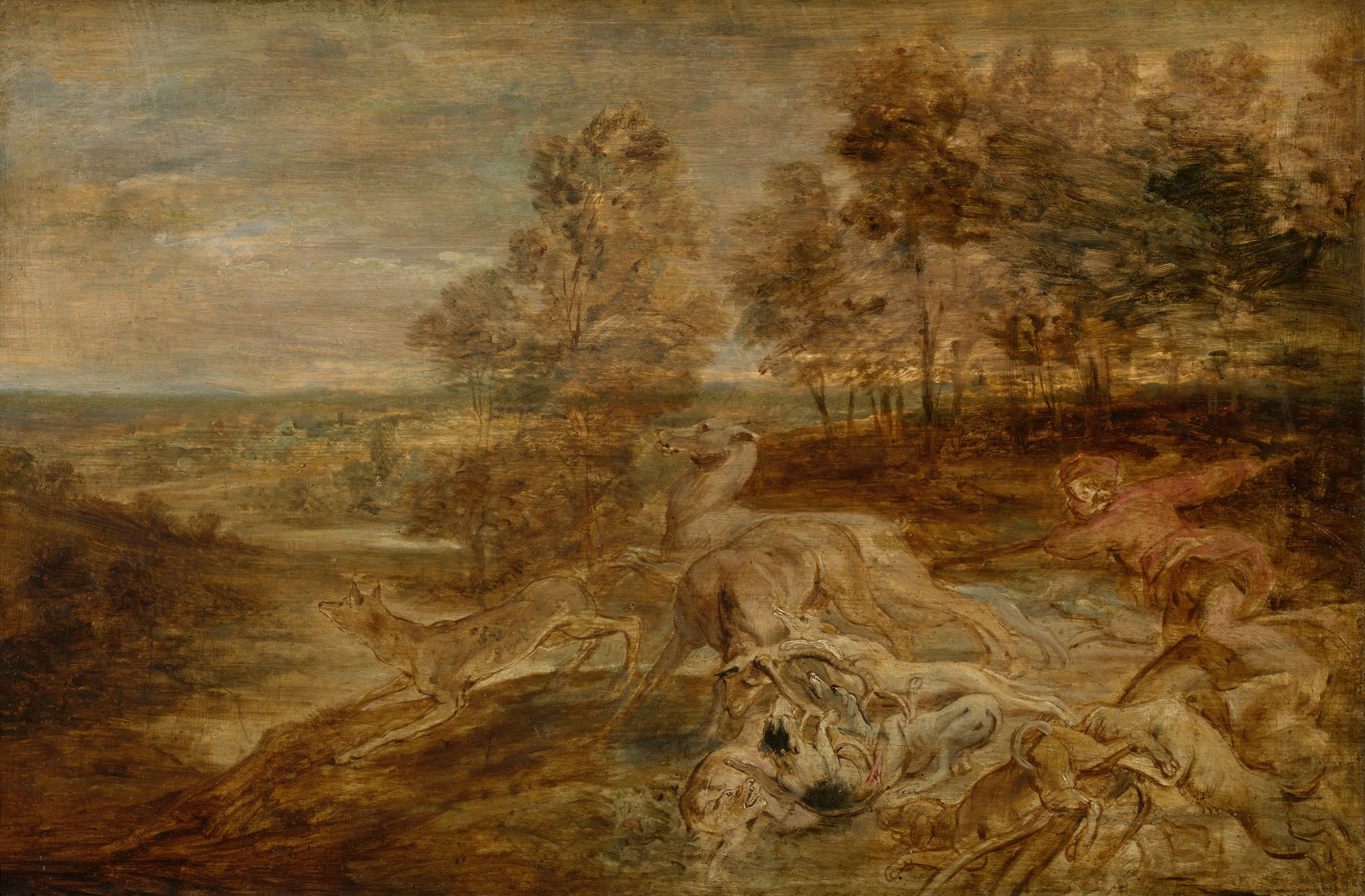
“The canvas doesn’t lie — it simply waits.” In its vibrant hues and intricate details, The Rainbow Landscape invites us into a realm of dreams, where reality dances with imagination and the mundane transforms into the extraordinary. Look to the center of the painting, where an arching rainbow gracefully spans the sky, its colors harmonizing with the lush greens and gentle blues of the surrounding landscape. The light appears to shimmer, illuminating the figures below, each rendered with a careful hand that captures both movement and stillness. The composition is masterful; the trees frame the scene like guardians, leading the eye toward the horizon where the earth meets the celestial arc.
Beneath the surface, the painting harbors a tension between chaos and tranquility. The swirling clouds above hint at possible storms, contrasting with the serene peace of the idyllic pastoral scene below. Each figure in the foreground reflects a different aspect of human experience—joy, contemplation, and longing—suggesting that dreams are as multifaceted as the colors of the rainbow itself, a bridge between the earthly and the divine.
Created around 1636 during his time in Antwerp, the artist was deeply engaged with themes of nature and humanity. At this point in his career, Rubens was synthesizing influences from the Italian Renaissance while embracing the burgeoning Baroque style. His work flourished amid a landscape of political upheaval and cultural transformation, where art began to rival the power of the throne, allowing him to explore the complexities of the human condition through vivid imagery.