The Road to Pompeii — History & Analysis
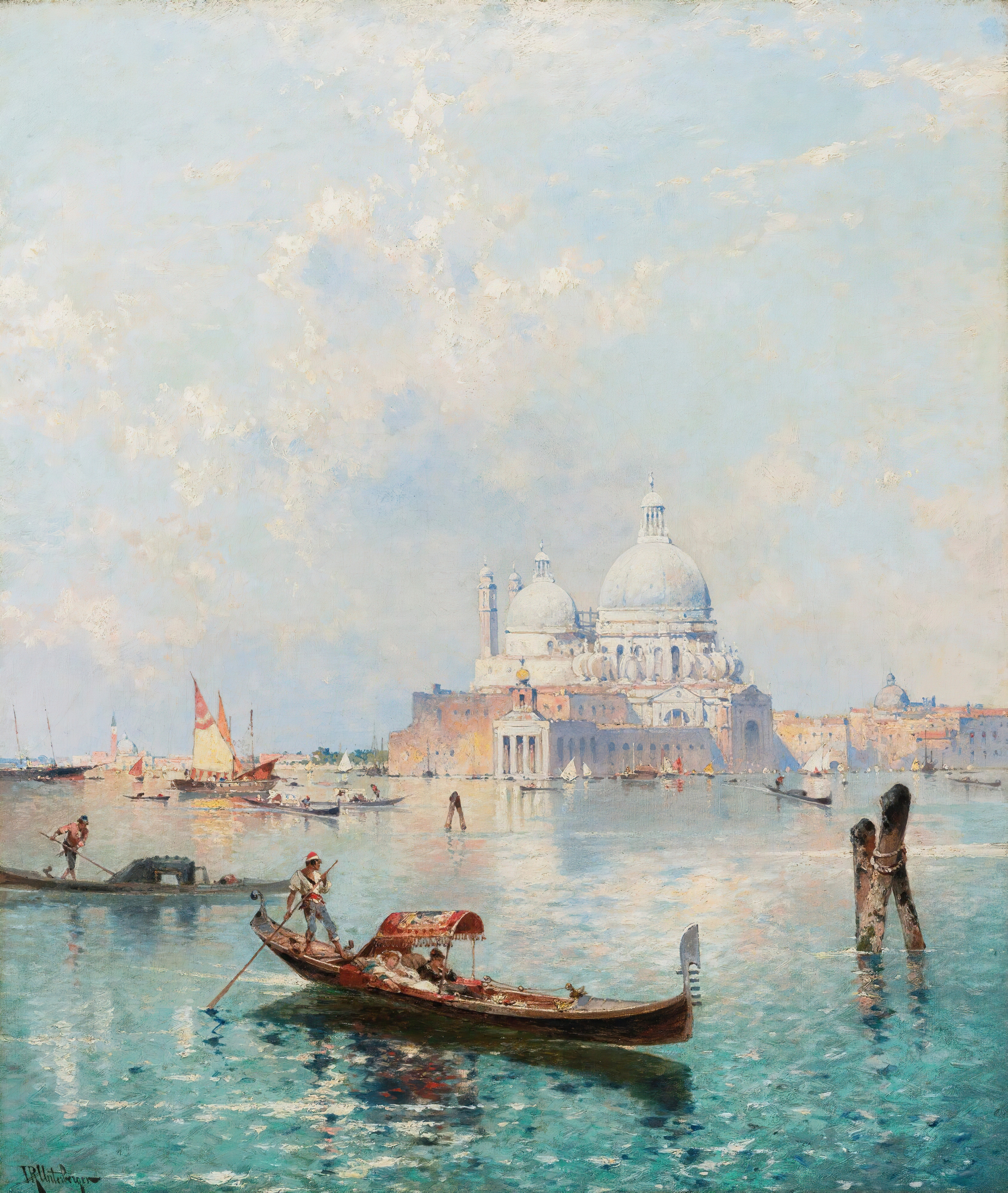
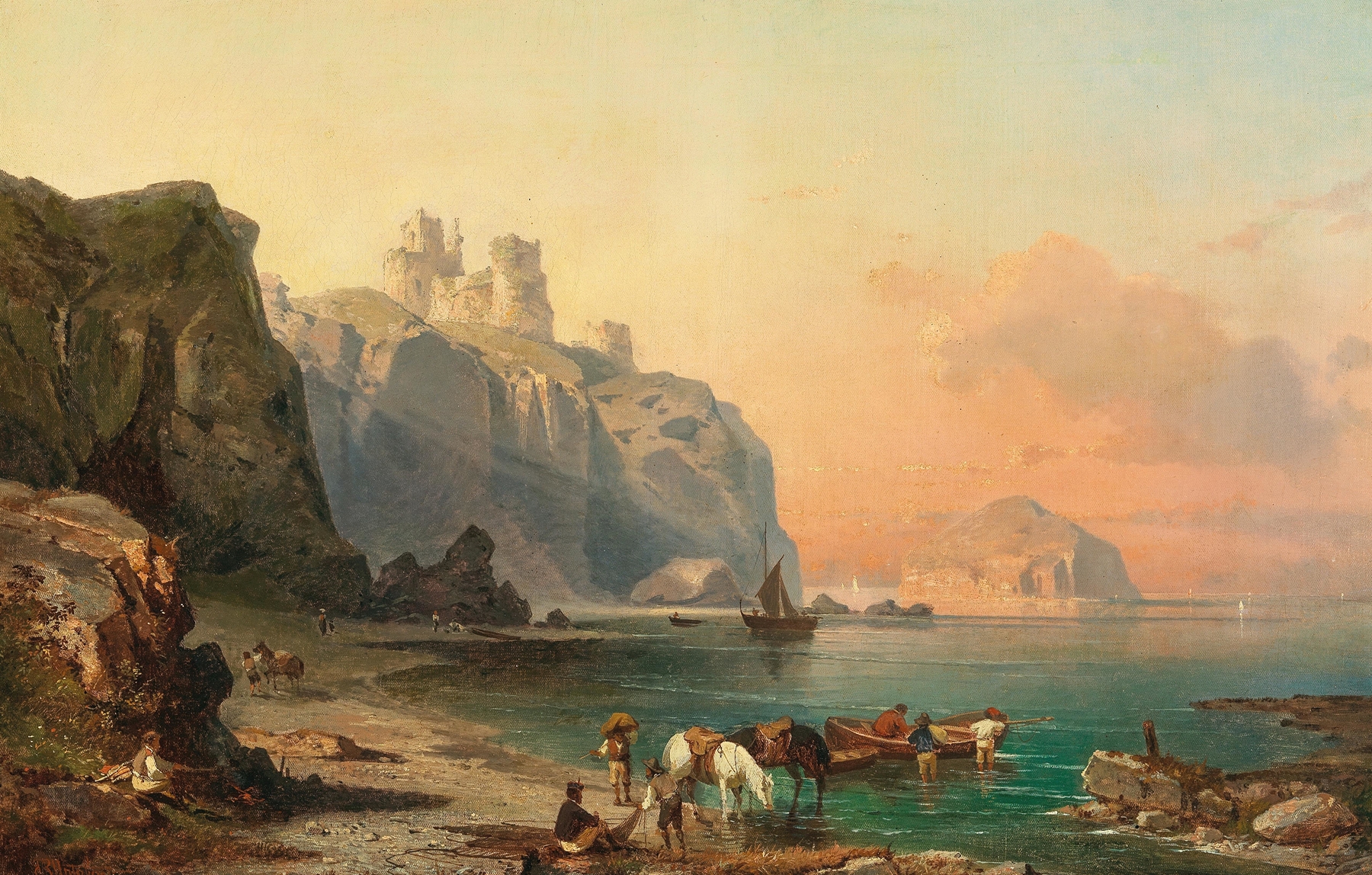
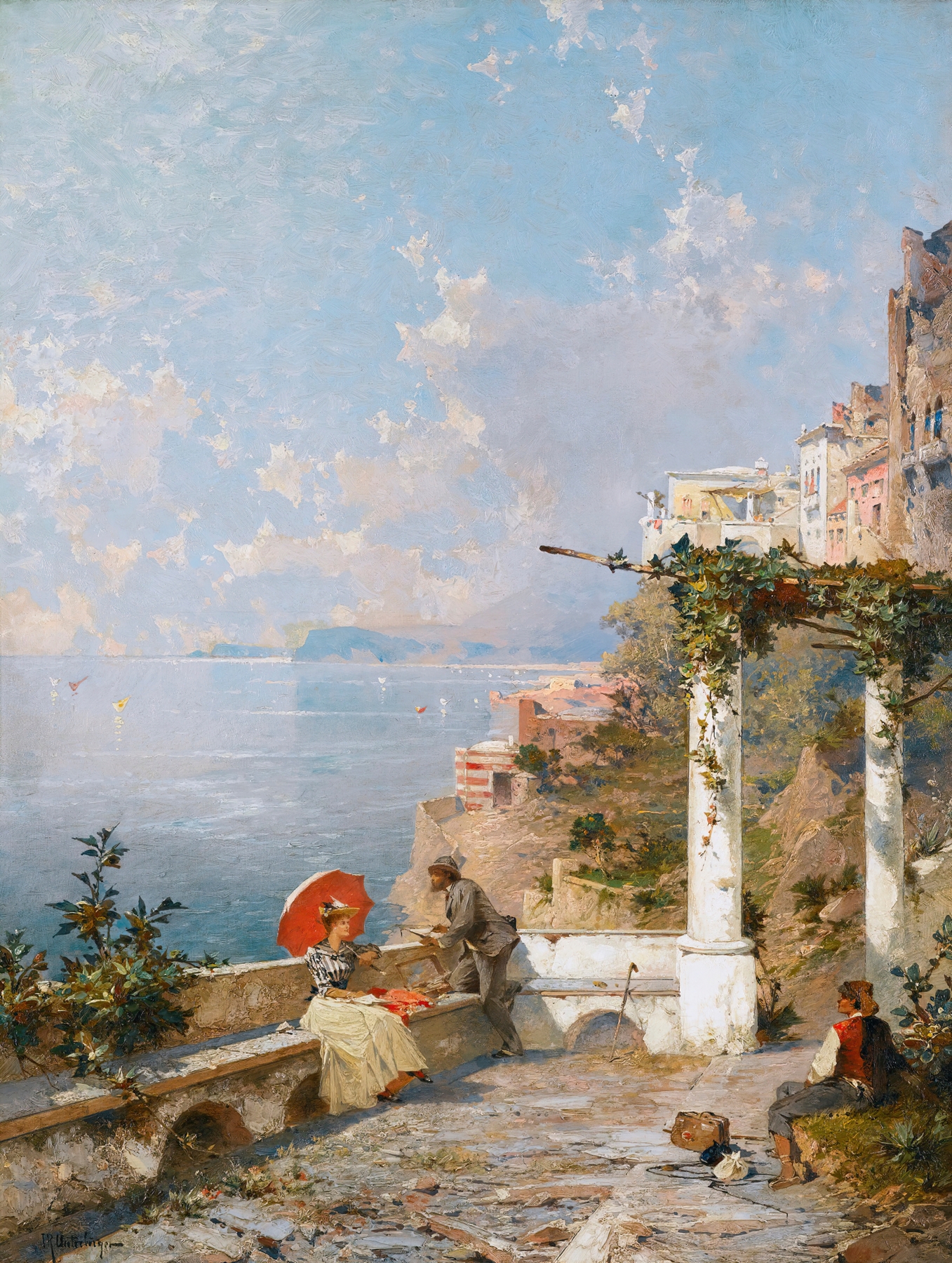
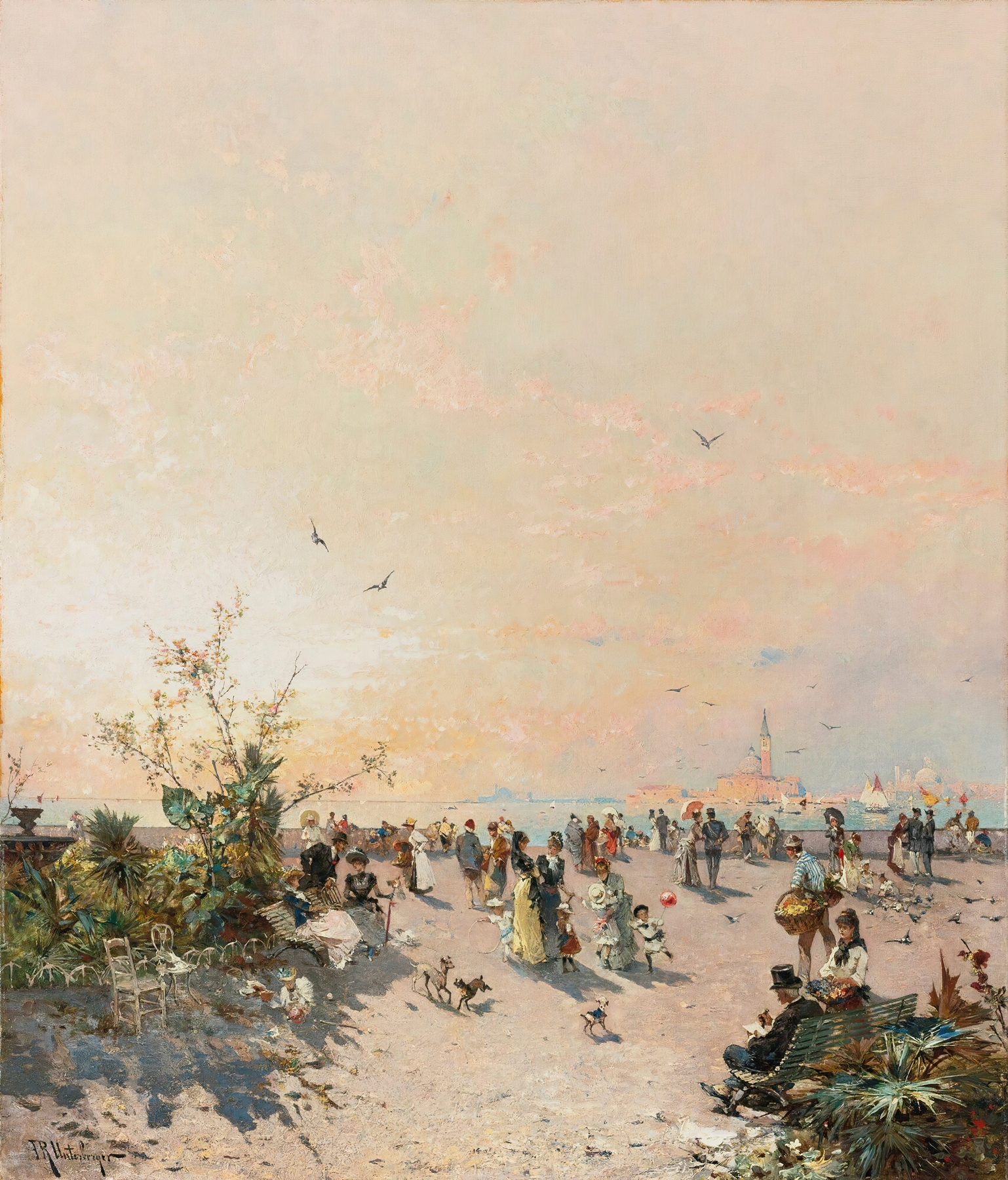
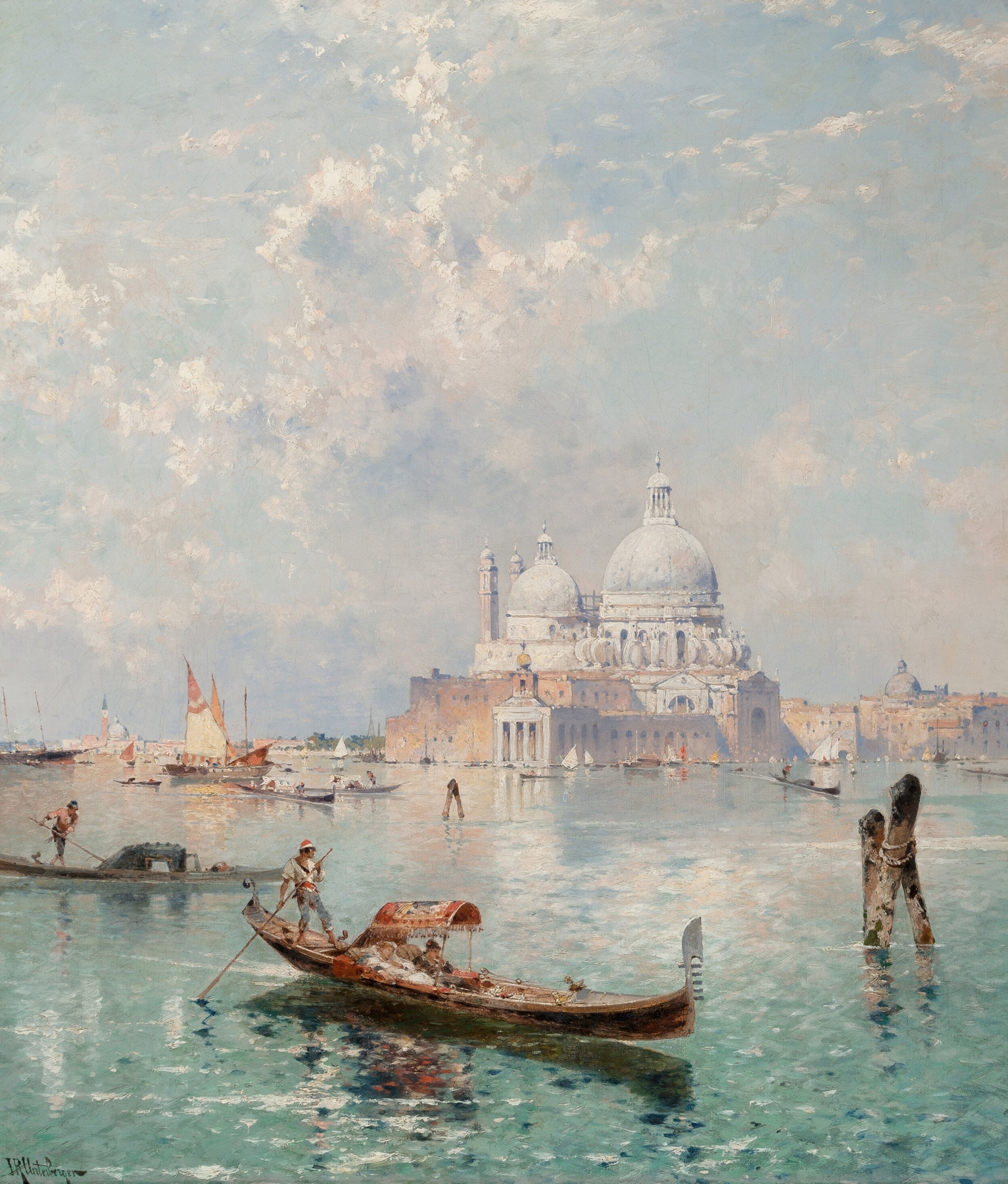
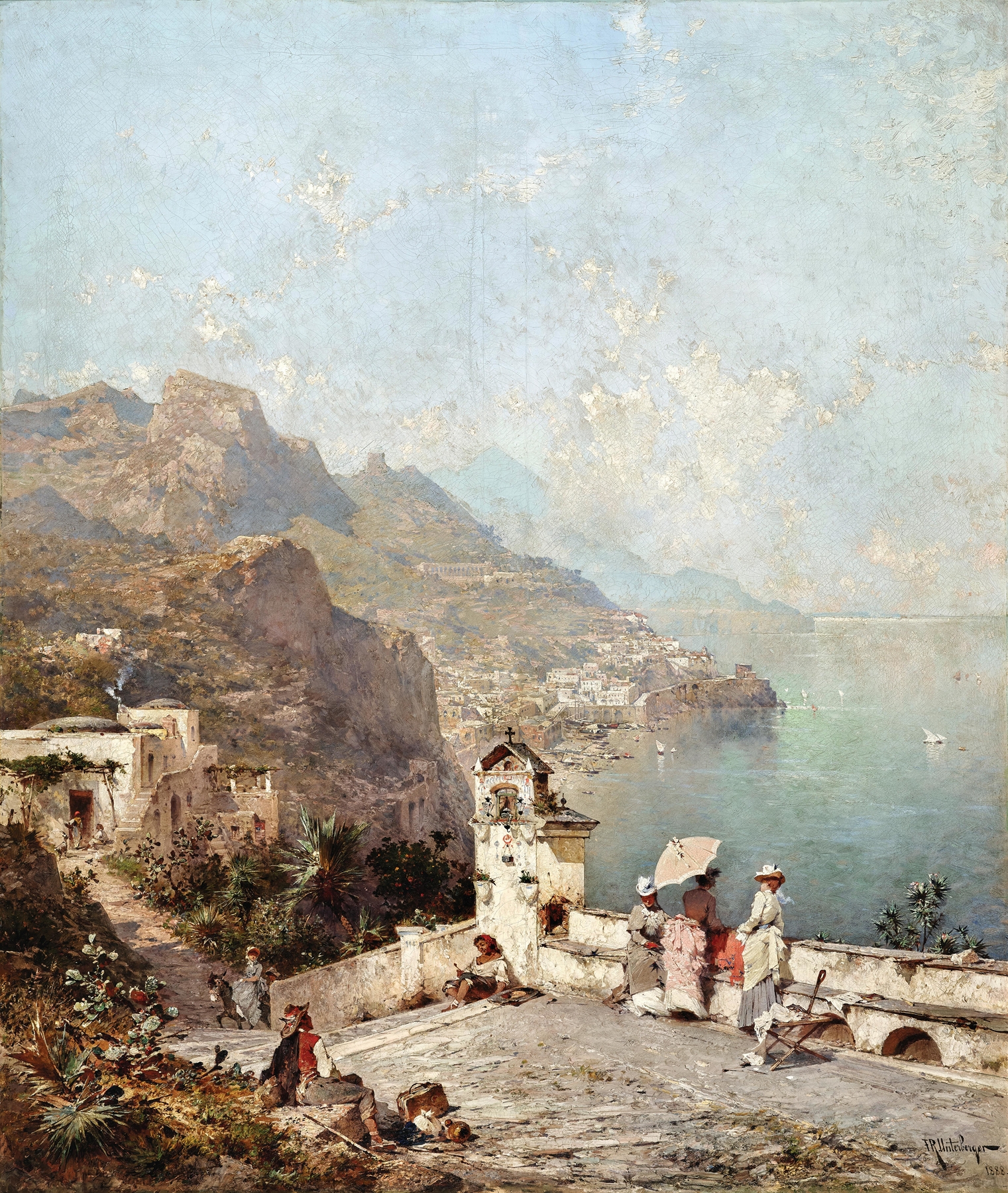
Could a single brushstroke hold eternity? In The Road to Pompeii, the fleeting beauty of a bygone world beckons with an aching desire to remember and to yearn for what once was. Look to the right at the winding path that leads travelers toward the ruins, illuminated by the warm glow of the late afternoon sun. The play of light casts long shadows over the cobblestones, the rich hues of ochre and sienna pulling you into the heart of the scene.
The artist’s meticulous brushwork captures the textures of ancient architecture, enhancing the sense of history wrapped in nature, while vibrant greens and blues breathe life into the landscape, inviting contemplation of the past. As you absorb the composition, a delicate tension emerges between the vibrancy of the landscape and the somber weight of history. The figures walking along the path seem small against the monumental backdrop, suggesting both the insignificance and resilience of humanity. The looming shadows hint at the inevitable, reminding viewers that beauty is often intertwined with tragedy—a poignant reflection on the transience of existence.
Franz Richard Unterberger painted this evocative scene during a time when Romanticism was gaining momentum in the art world, yet specific dates remain elusive. His travels through Italy allowed him to capture the essence of its landscapes, responding to the burgeoning interest in classical antiquities. In this moment, as the world rapidly modernized, he sought to preserve the haunting allure of history, forever etched on canvas.