The Rock Slip near Boscastle — History & Analysis
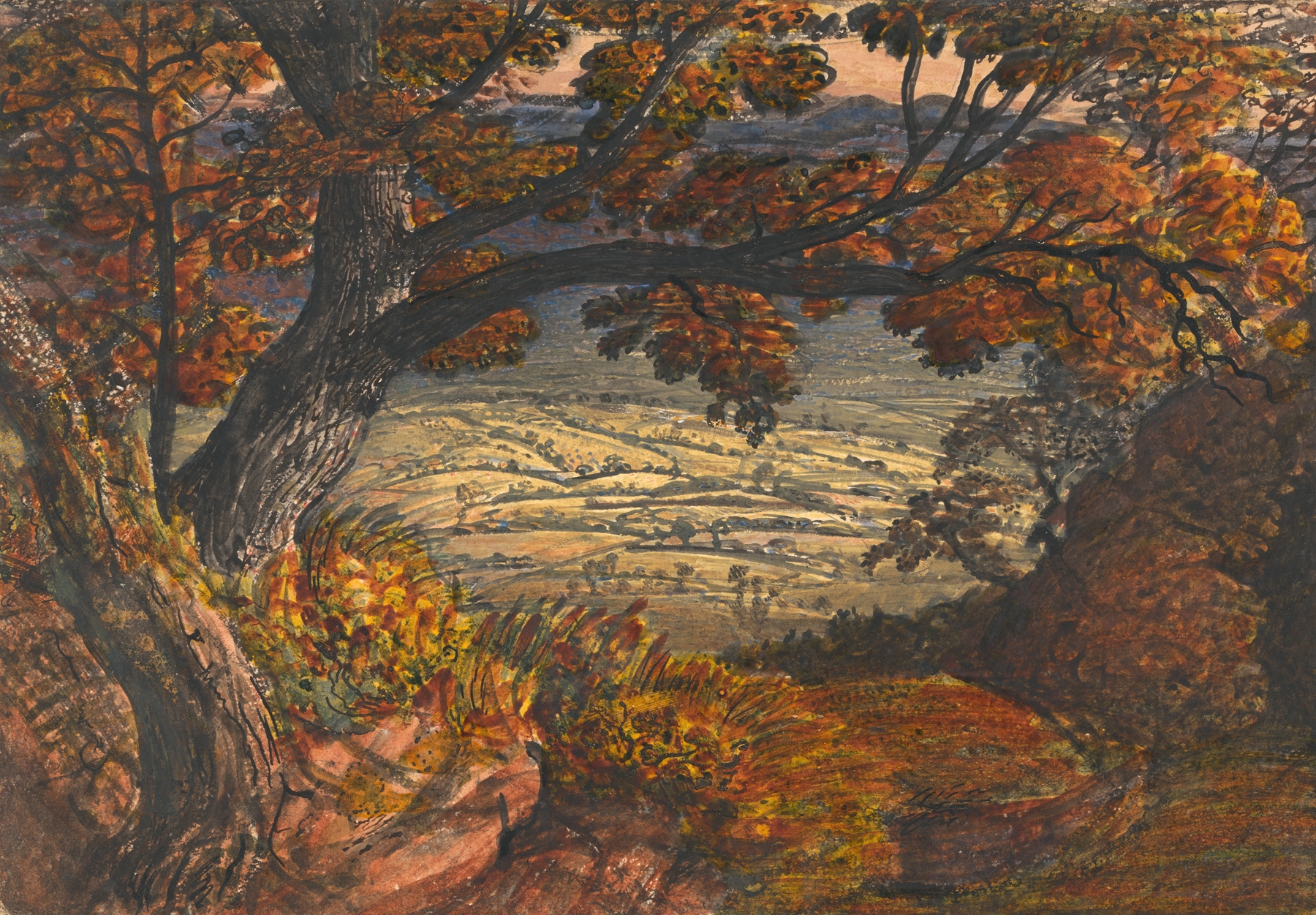
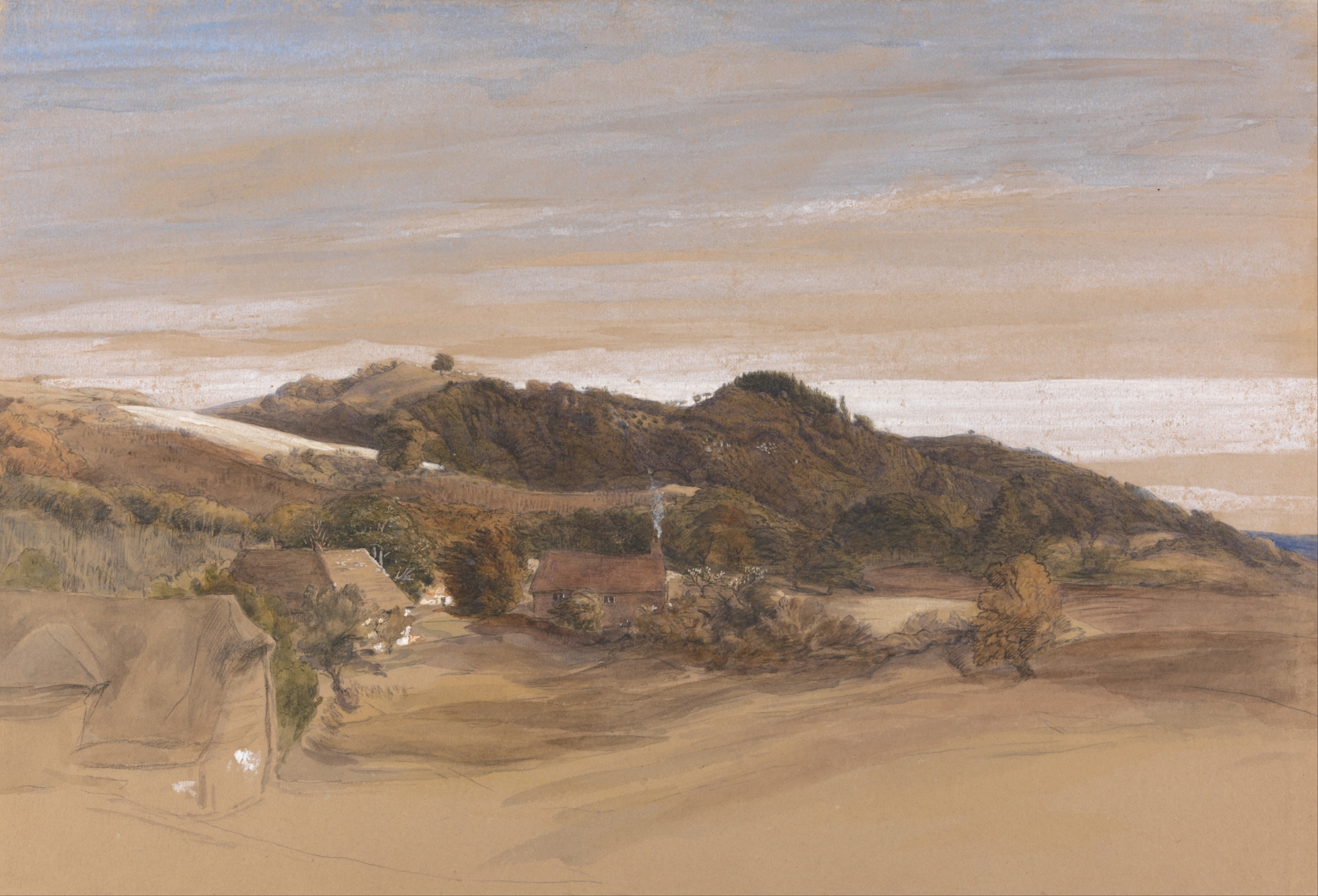
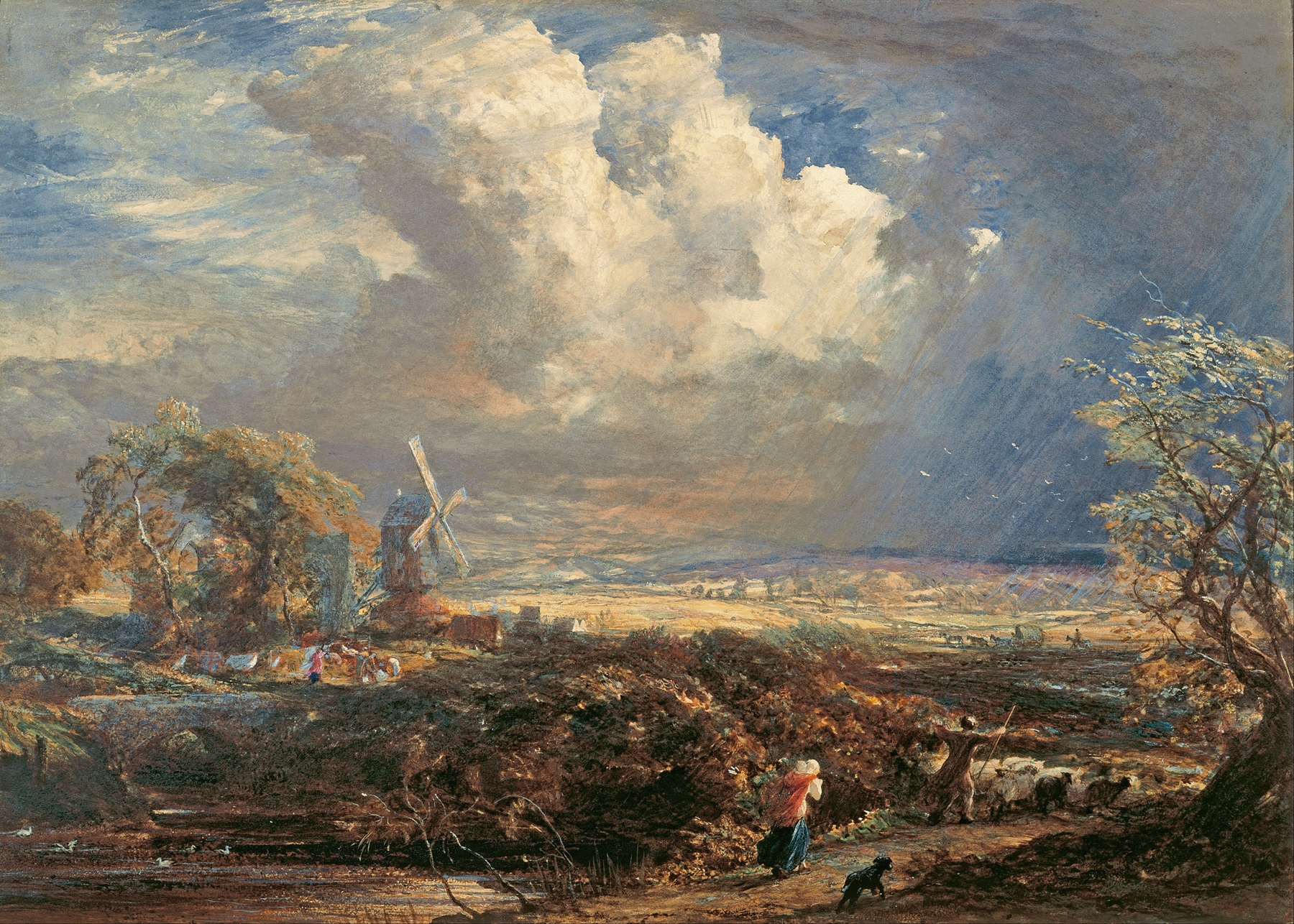
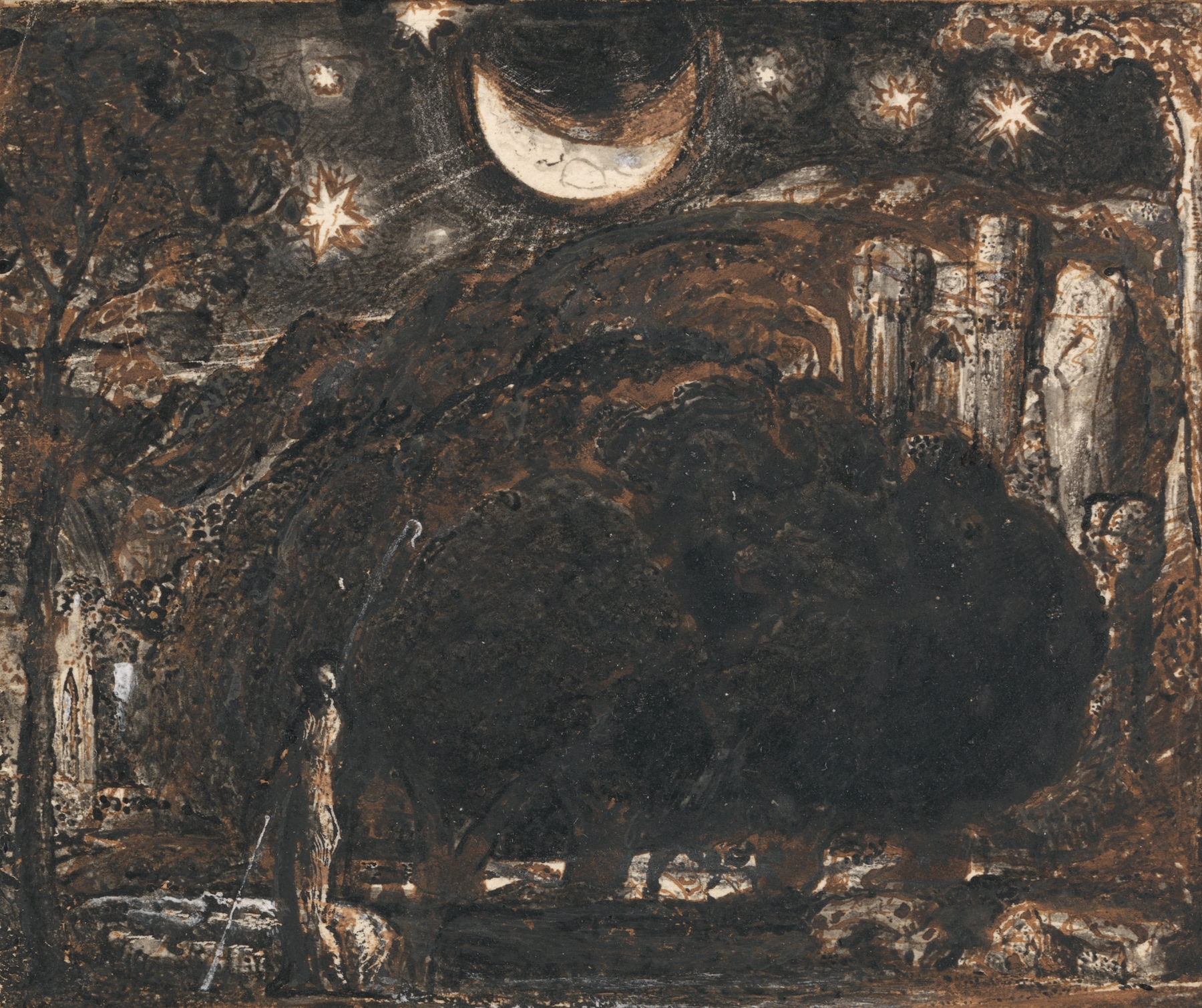
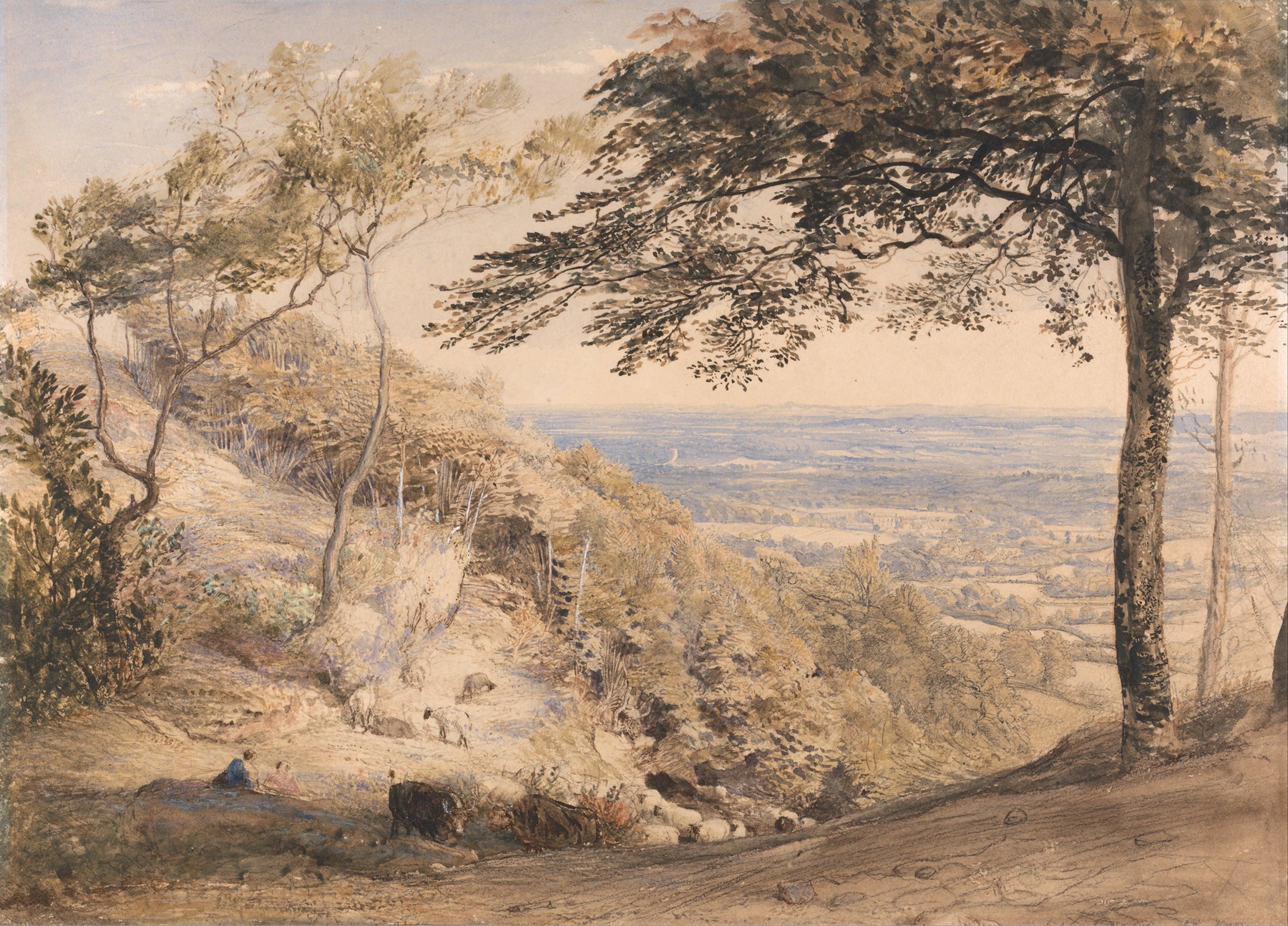
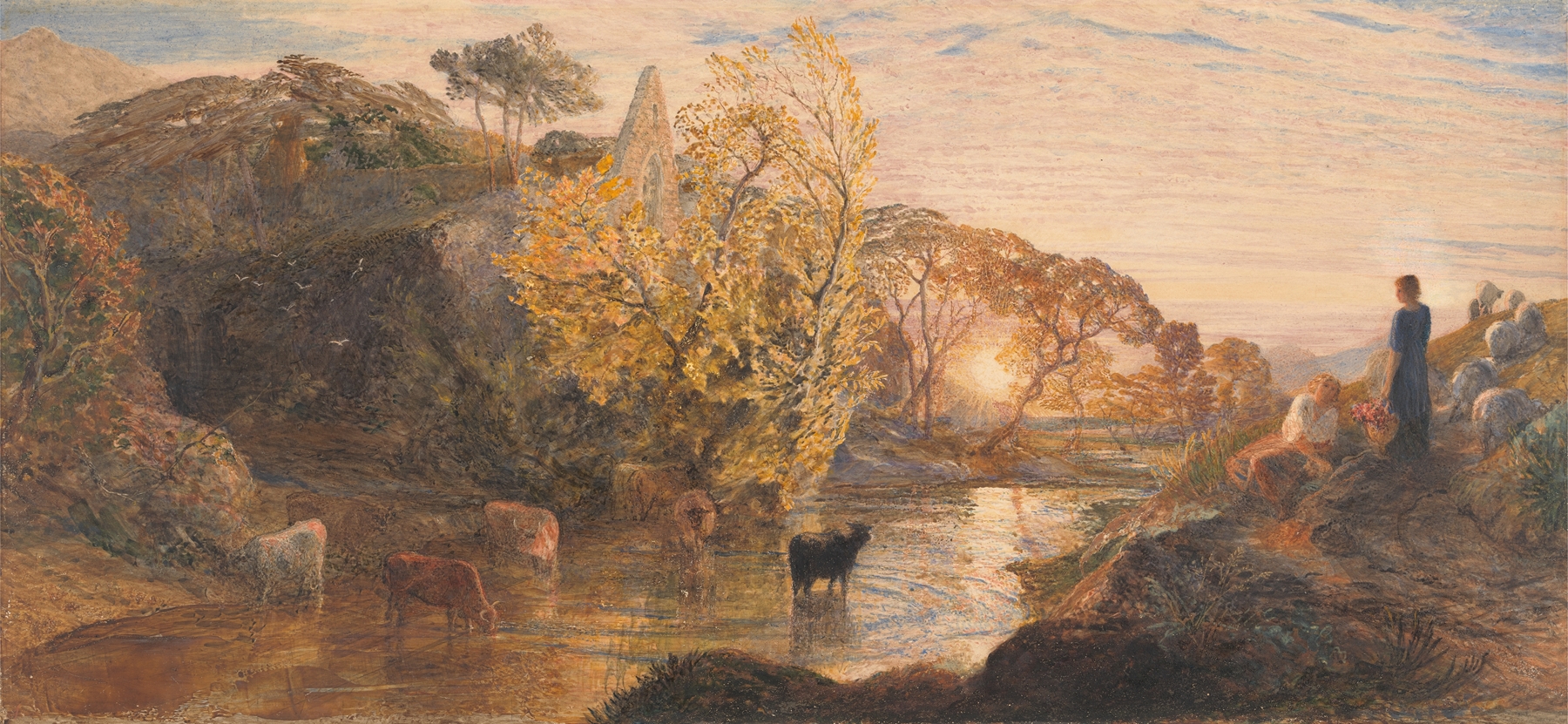
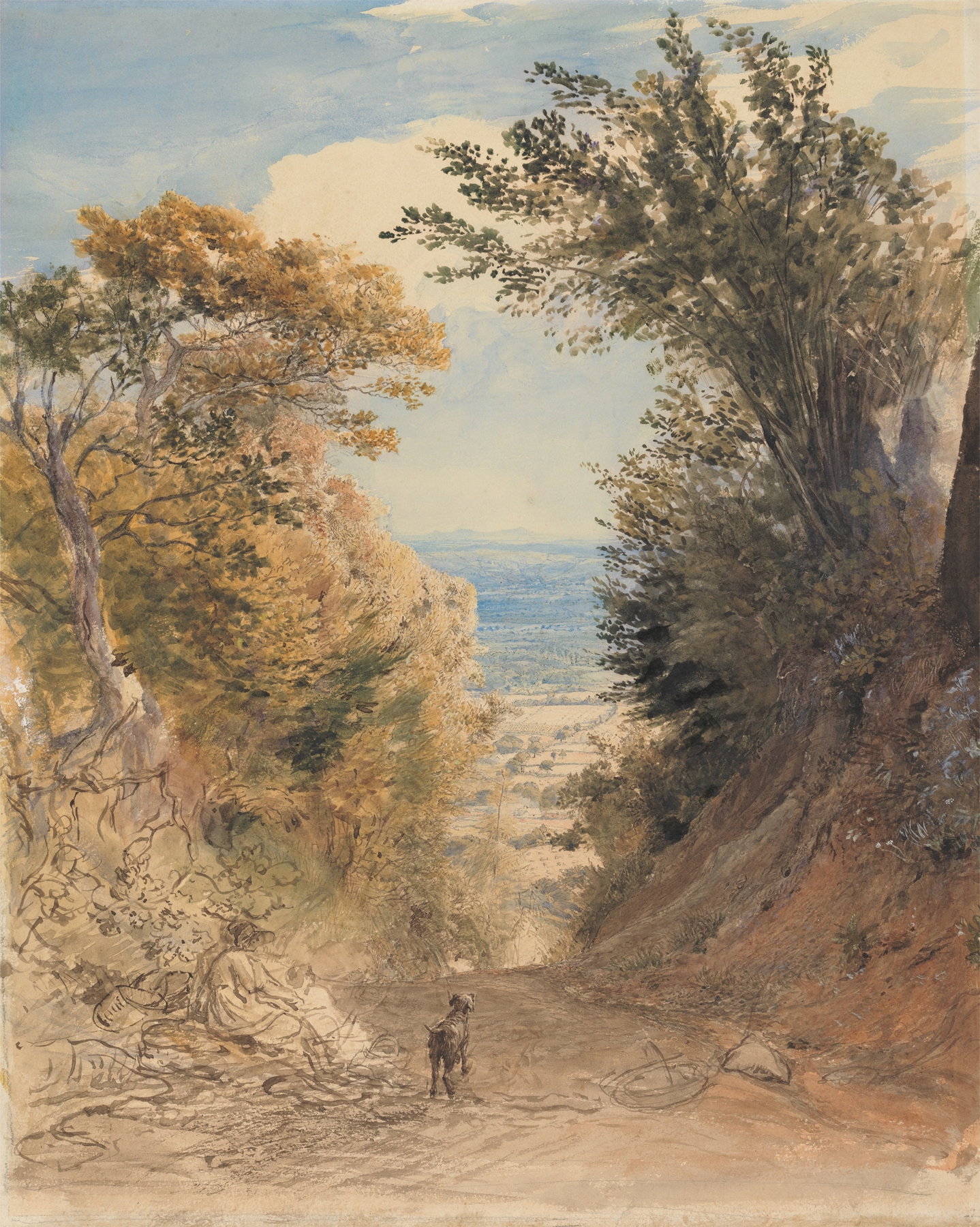
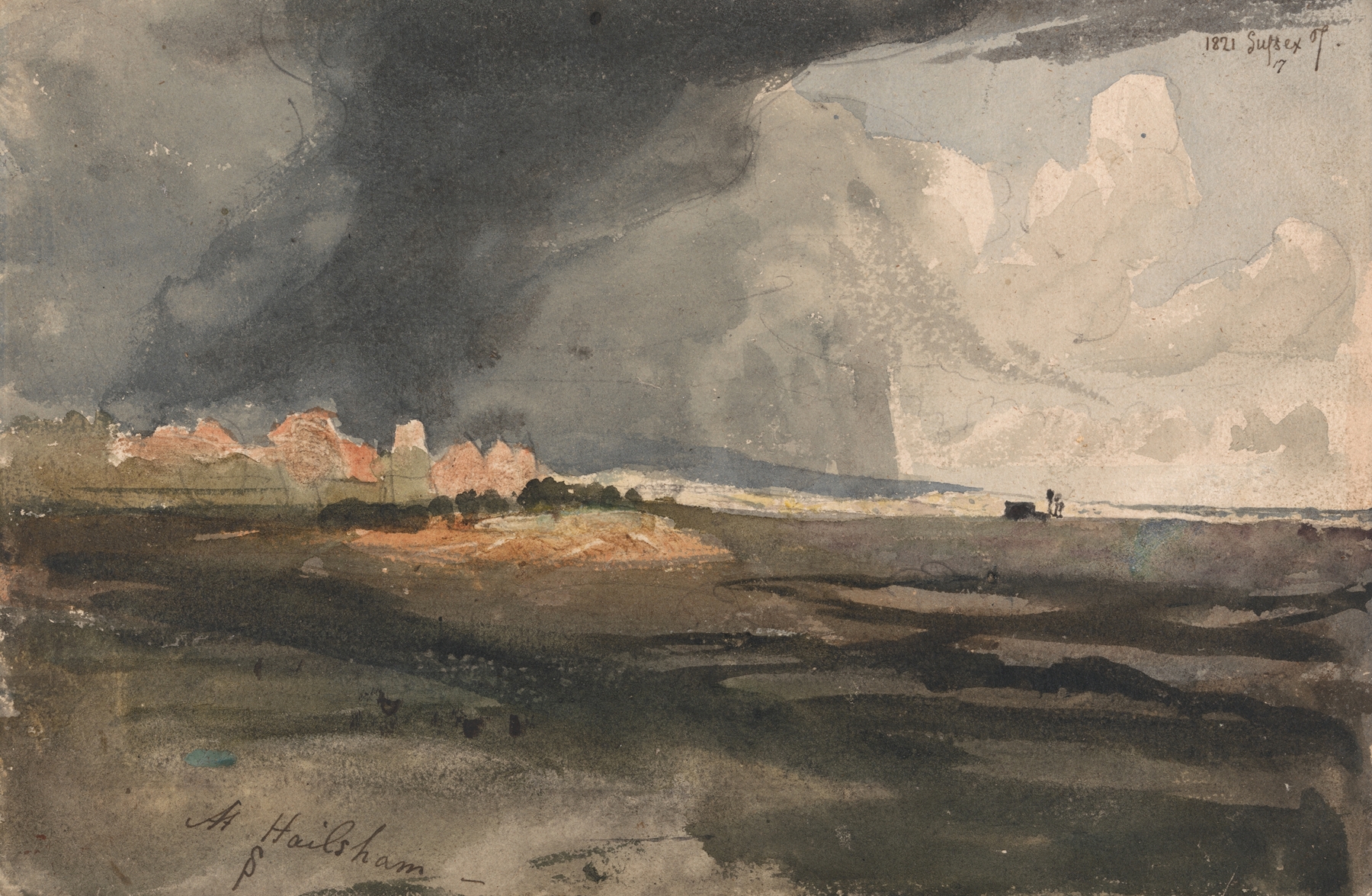
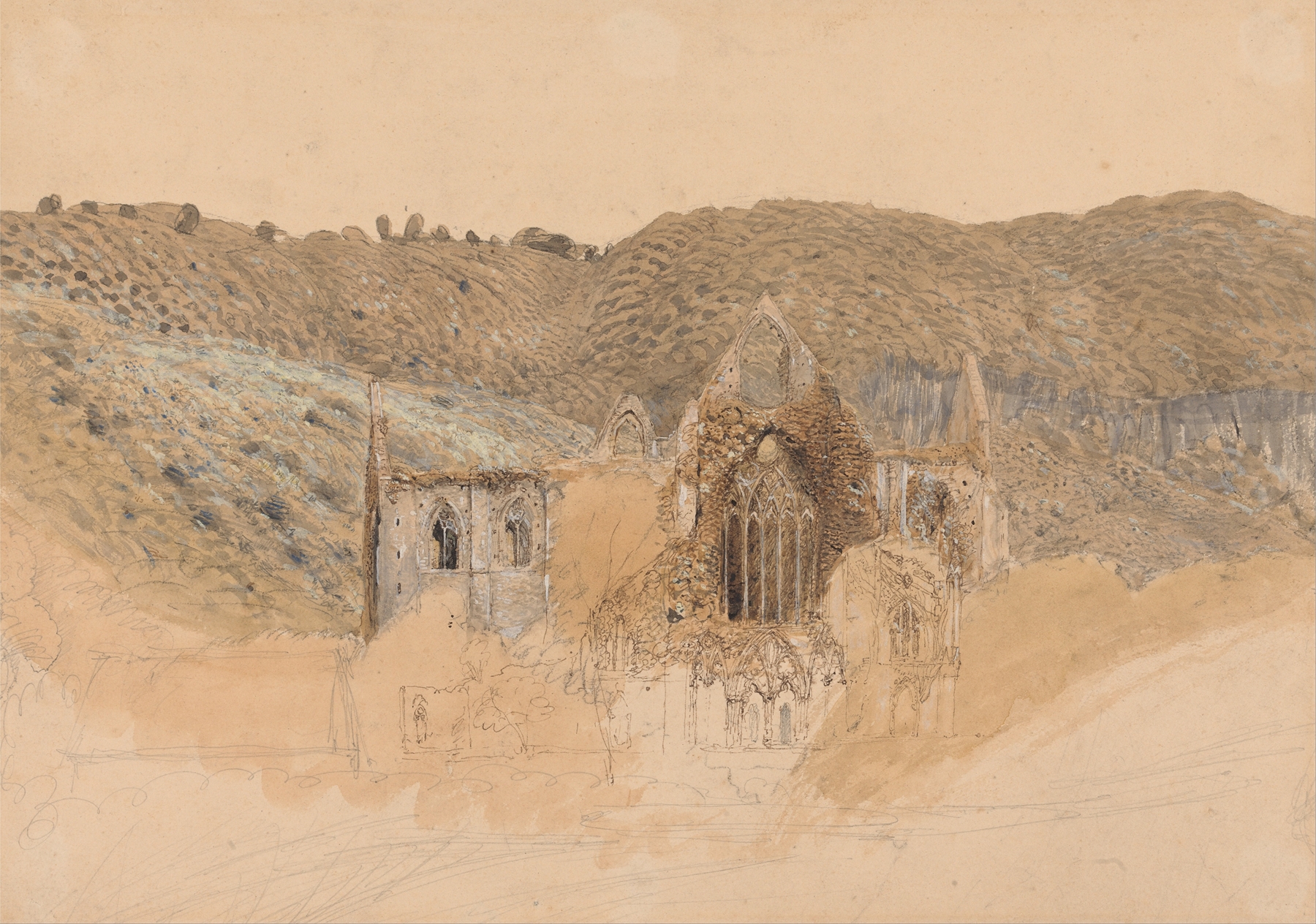
When did color learn to lie? In a world where hues dance between truth and illusion, The Rock Slip near Boscastle captures a moment pregnant with tension and potential. Look to the left at the jagged cliffs, their earthy browns and grays starkly contrasting against the deep, verdant greens of the landscape. The colors are not merely representative; they pulse with life, evoking a sense of unease as if the earth itself is poised for upheaval.
Notice how the light spills gently across the foreground, illuminating the foliage while casting elongated shadows that hint at secrets lurking in the rocky crevices. The composition draws your eye along the undulating terrain, suggesting movement and transformation, a prelude to an unseen event. In this work, the juxtaposition of calmness and chaos communicates a deeper emotional resonance. The stillness of the scene belies the potential energy contained in the shifting earth—a reminder of nature’s unpredictable power.
The way colors blend and clash hints at a revolution not just in the landscape but within the artistic approach of the time, as the artist seeks to transcend mere representation and provoke thought about the natural world. Samuel Palmer created this piece during a period of personal and artistic evolution, likely in the early 19th century while living in England’s rural landscapes. The Romantic movement was blossoming around him, shifting focus from industrial life to the sublime beauty of nature. This painting reflects not only his inner turmoil and exploration of spirituality in art but also the broader cultural shifts that sought to redefine humanity's relationship with the environment.