The Ruins of Persepolis — History & Analysis
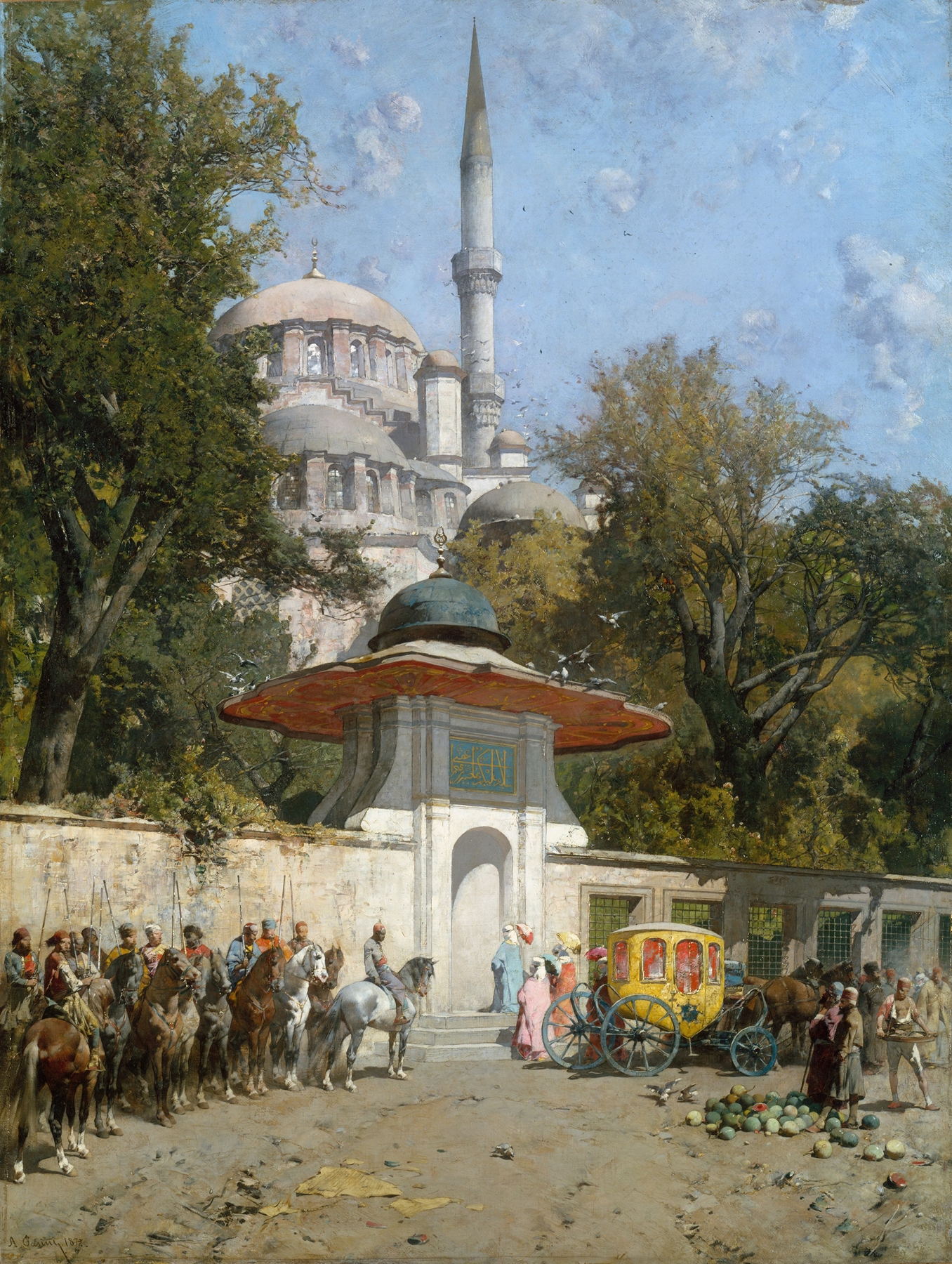
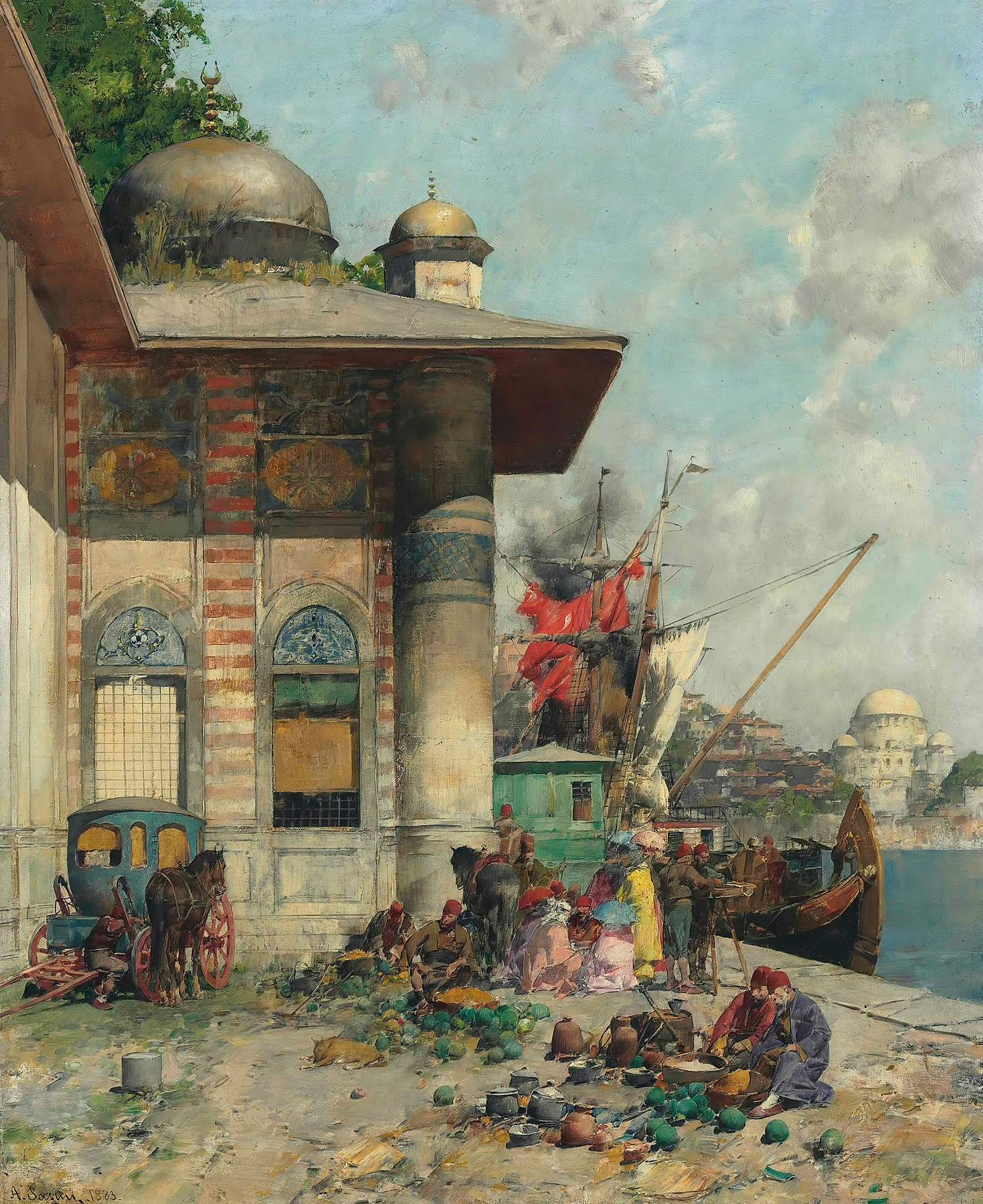
Where does light end, and longing begin? In the delicate interplay of shadow and illumination, fears of the past echo through the ancient ruins, whispering stories of a lost civilization. Begin your journey by focusing on the architectural grandeur that dominates the canvas. The crumbling columns rise majestically, bathed in a warm, golden light that contrasts with the deep shadows lurking in the crevices.
Notice how the artist employs a palette of muted earth tones, evoking a sense of nostalgia and decay, while the intricate details of the stonework draw your eye upward, inviting contemplation of the remnants of glory. Beneath this serene surface lies a palpable tension. The ruins, though beautiful, convey a haunting loneliness, as if they mourn the vibrant life once present. The juxtaposition of light and dark embodies the duality of fear and hope — the fear of erasure and the hope that memory endures.
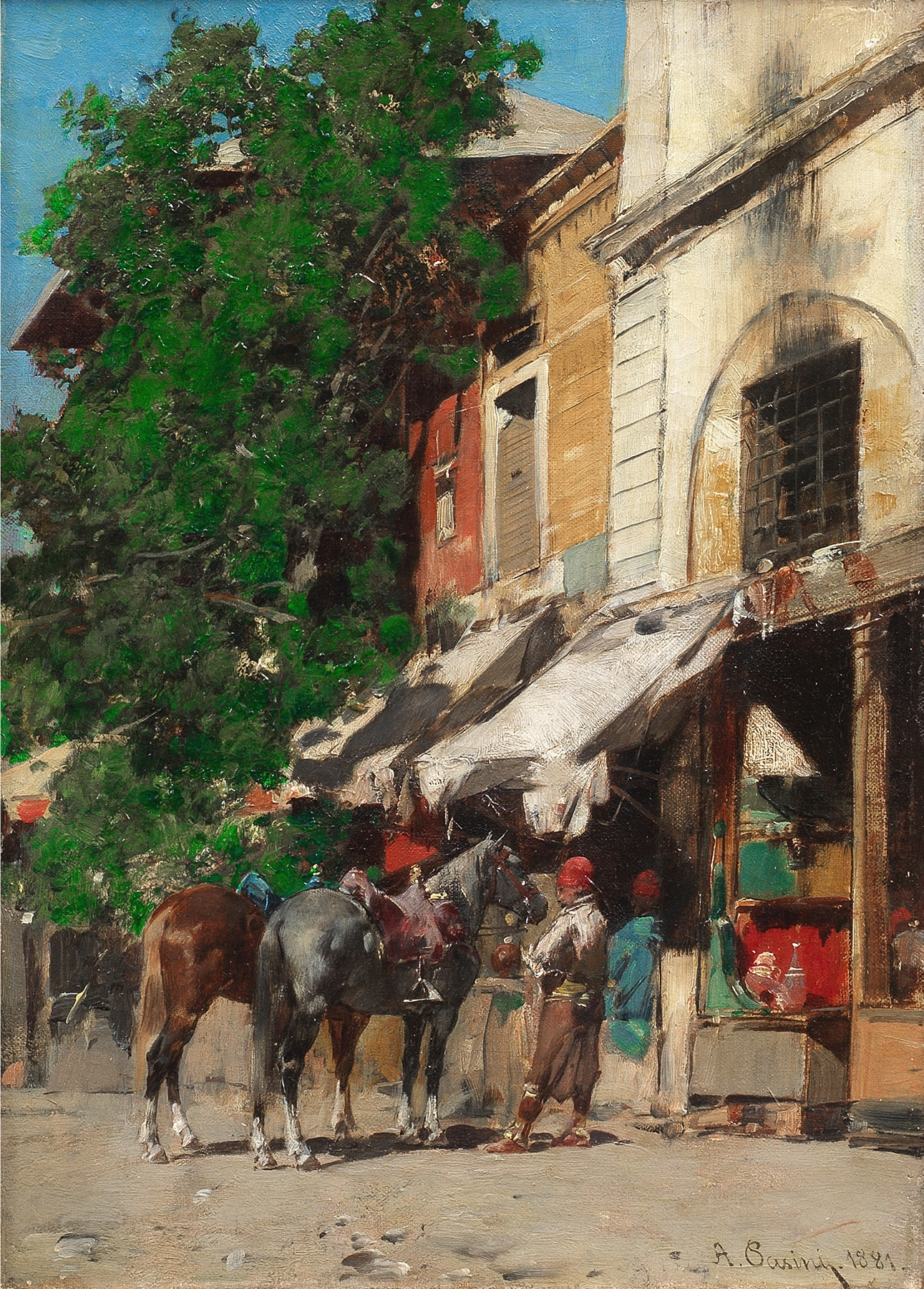
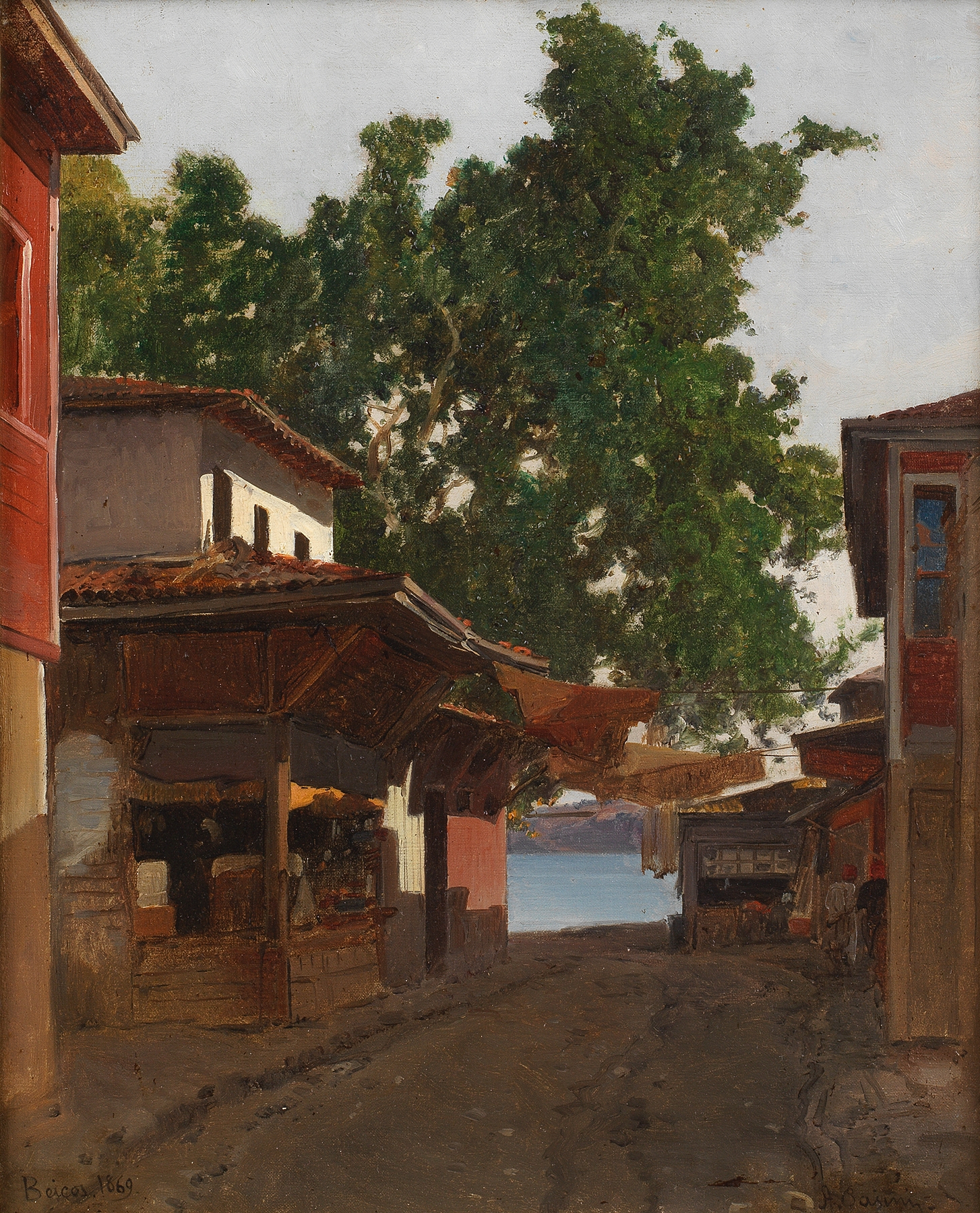
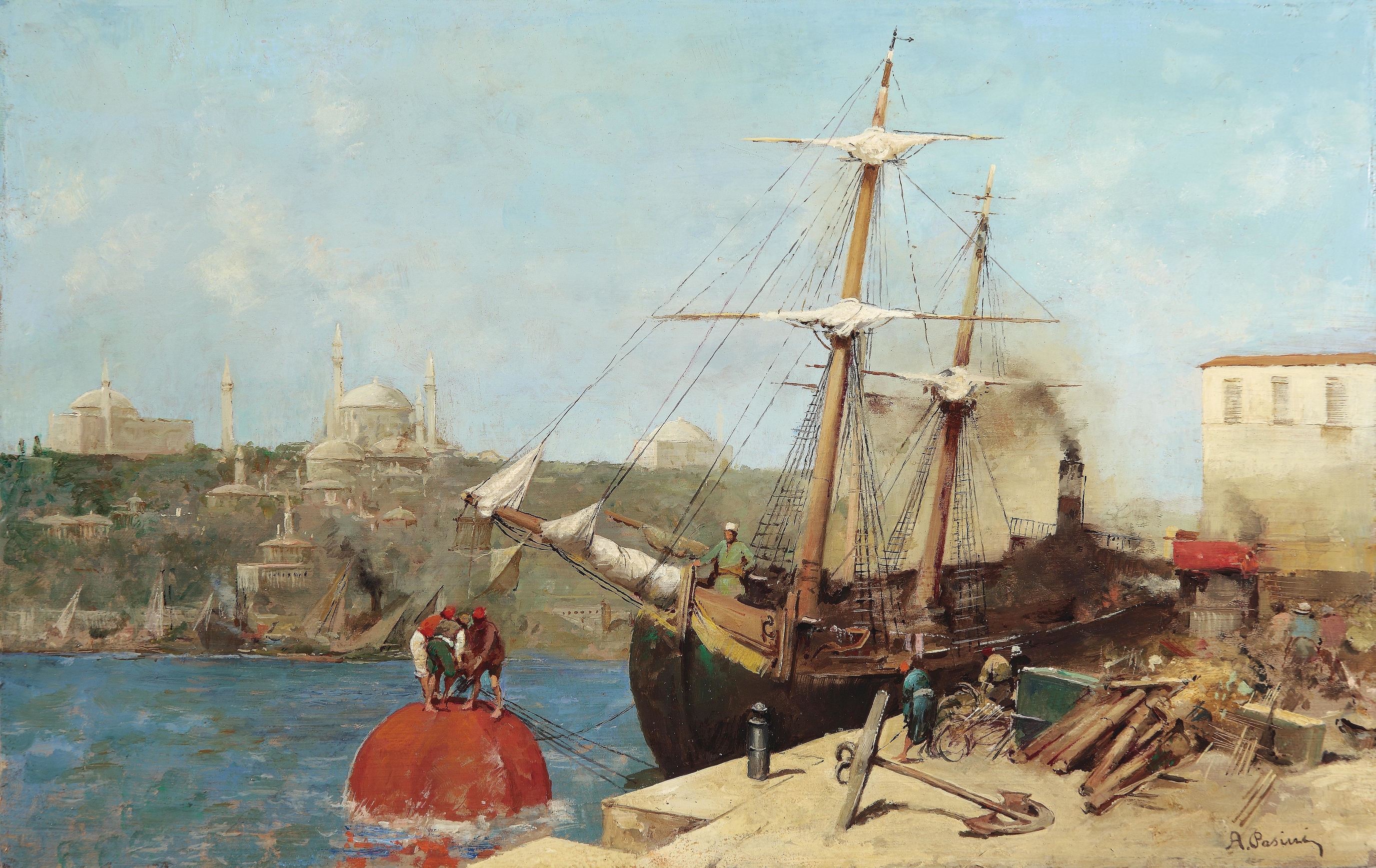
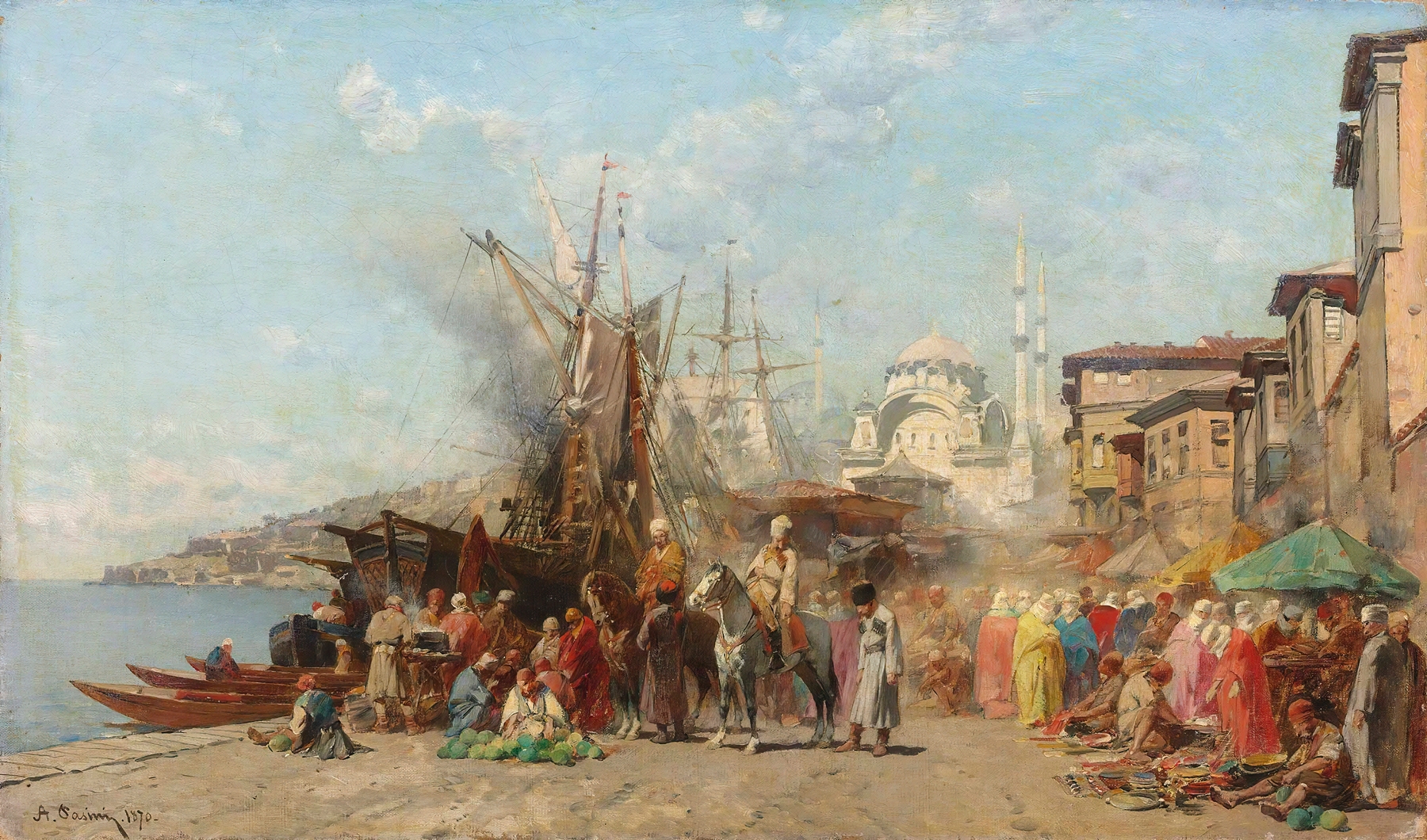
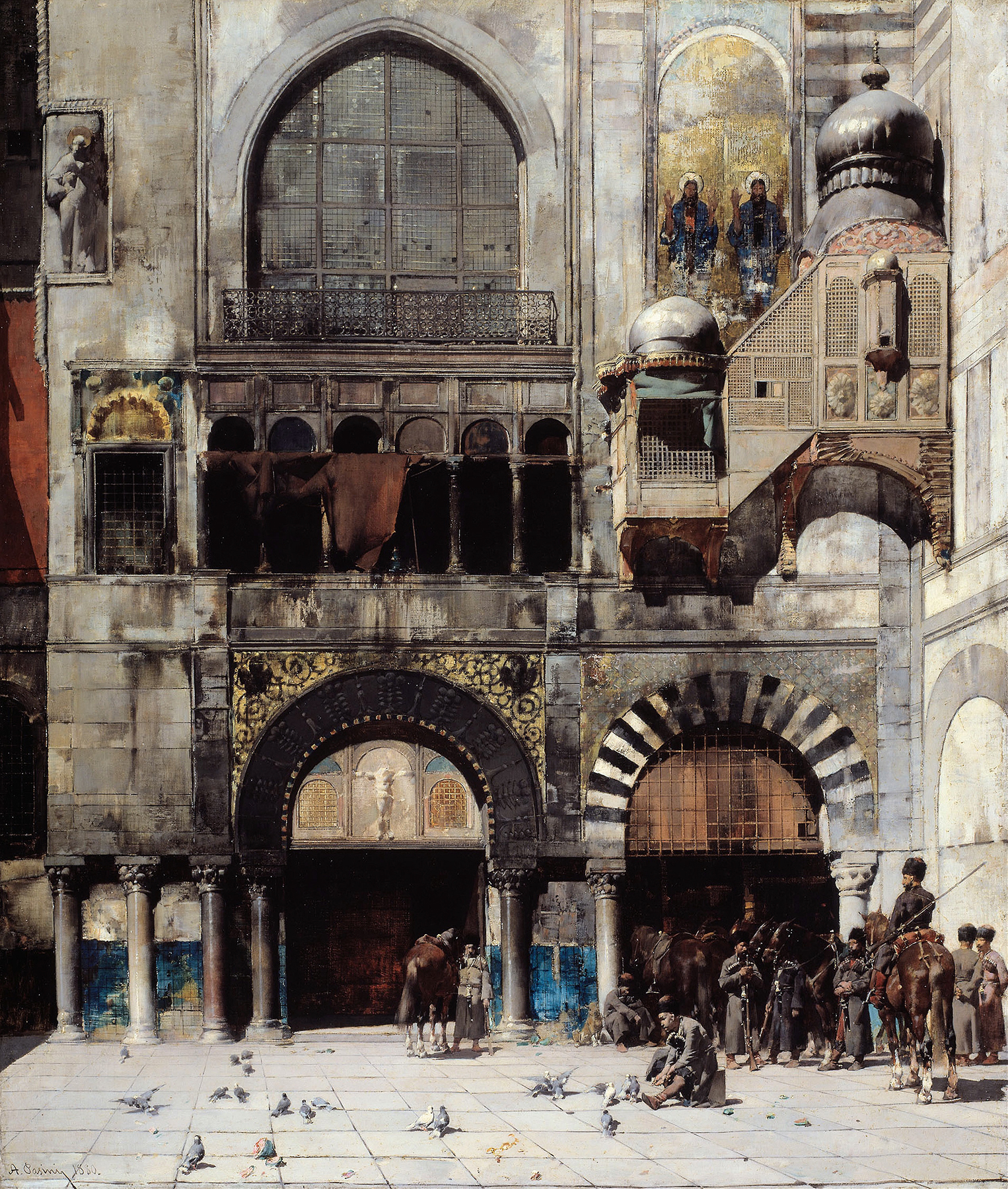
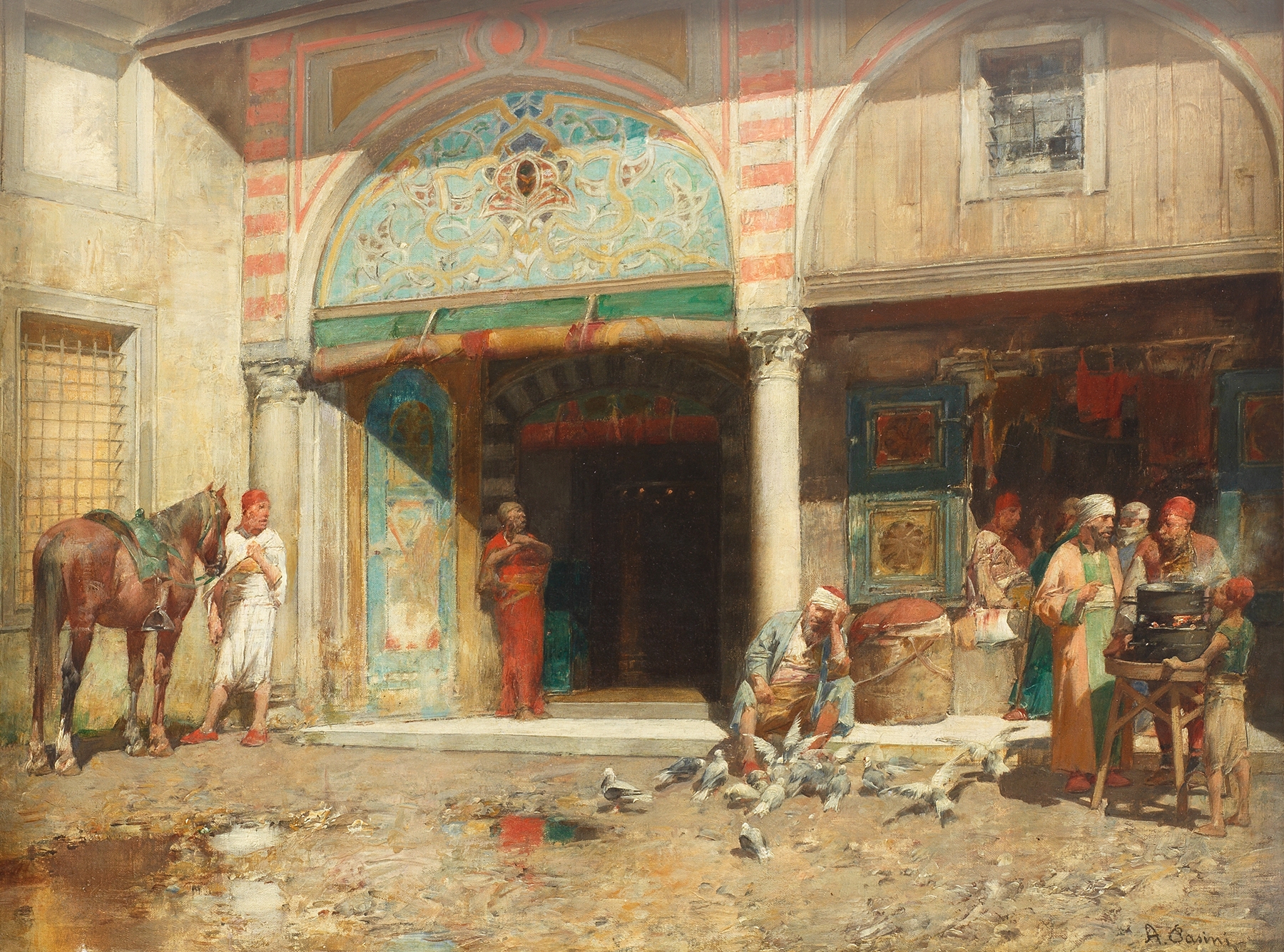
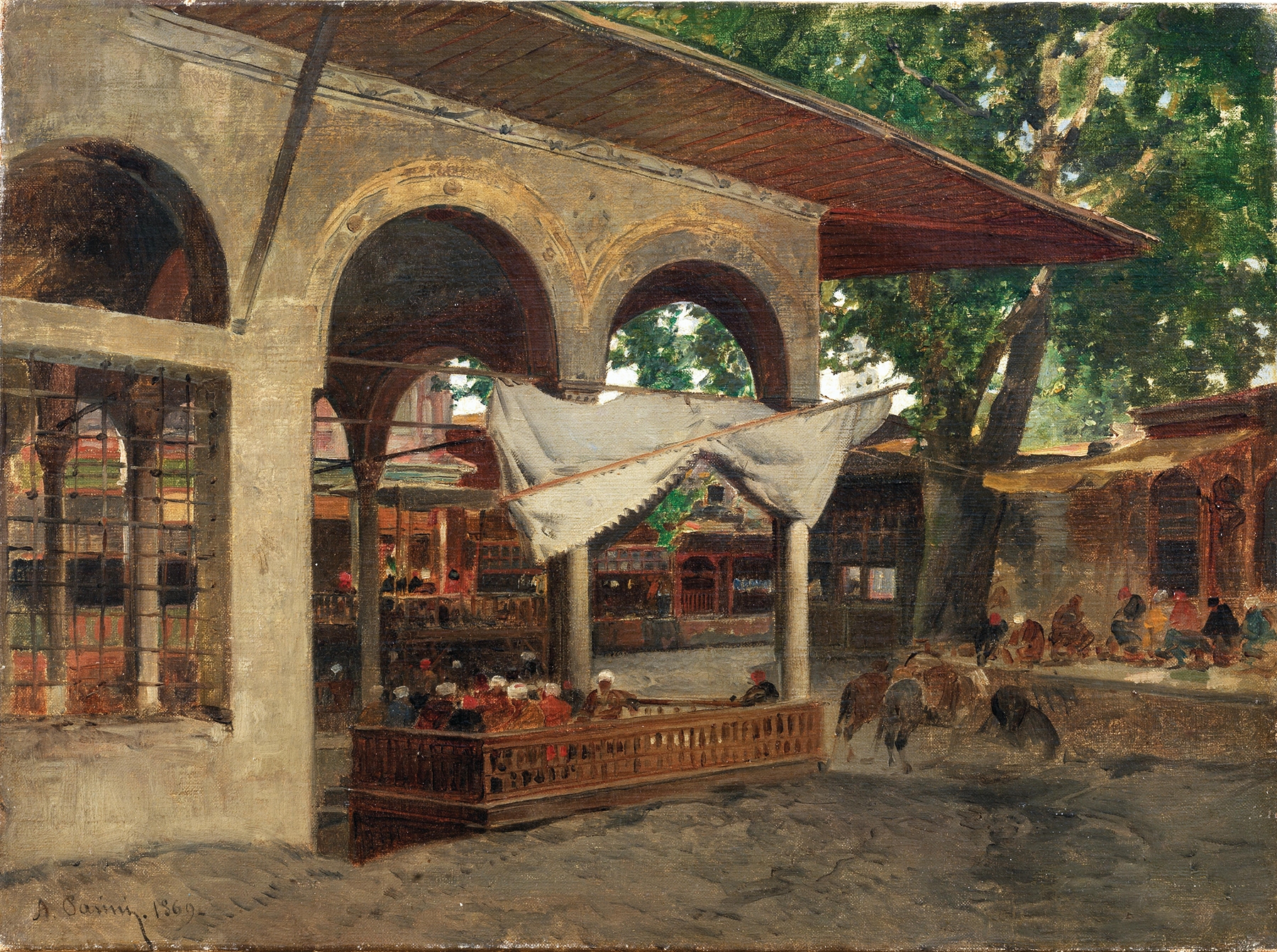
Hidden figures within the landscape seem to hold their breath, caught between admiration and grief, suggesting a collective consciousness aware of the fragility of existence. Painted in 1856, this work emerged from Alberto Pasini’s journey through Persia, a time when European fascination with the East was at its zenith. The artist sought to capture the splendor and melancholy of ancient civilizations, reflecting not only personal experiences but also the broader historical moment of cultural discovery and exploration. This painting stands as a testament to both beauty and inevitable decline, encapsulating the essence of a world in transition.