The Ruins of the old Kreuzkirche, Dresden — History & Analysis
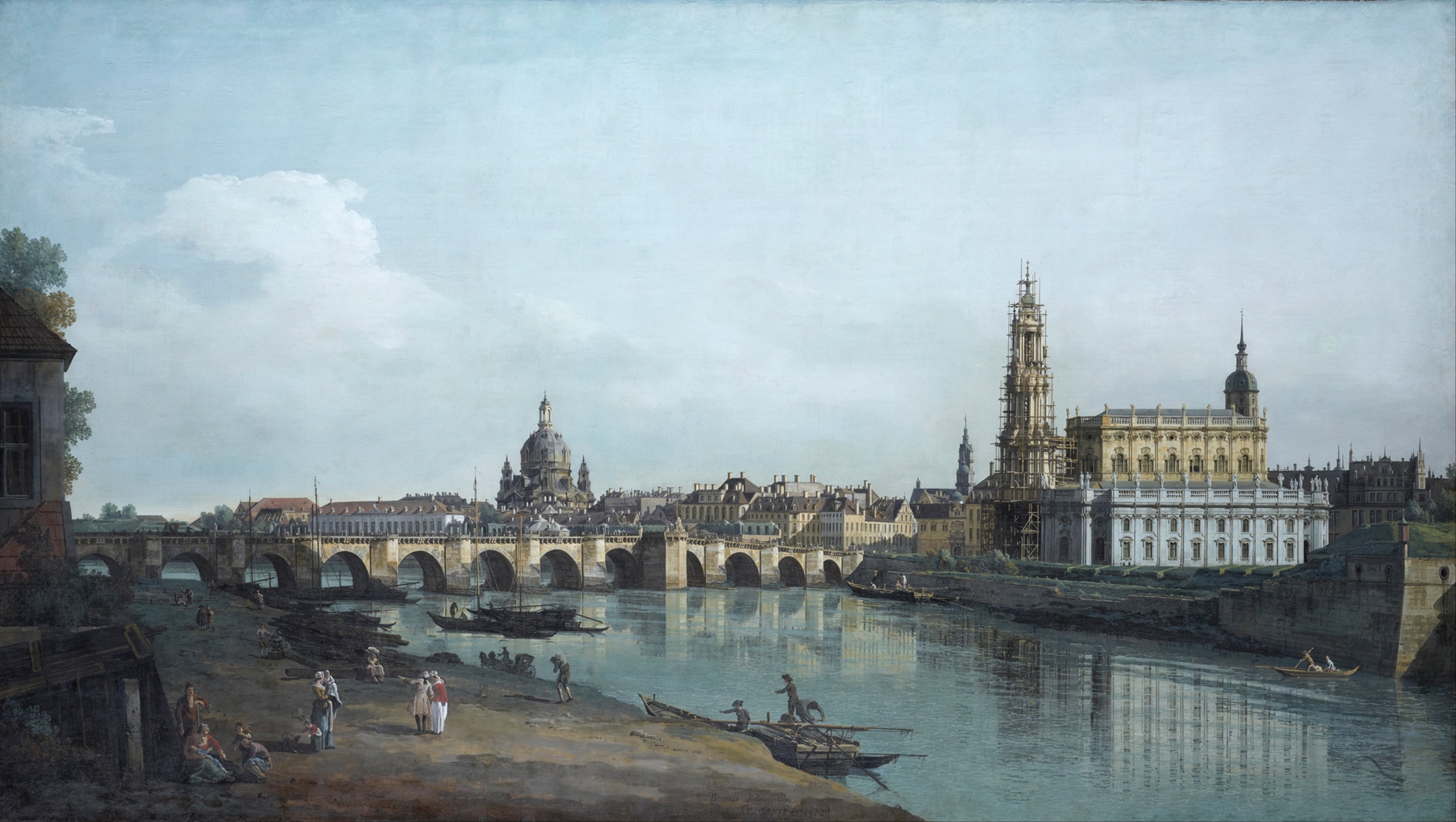
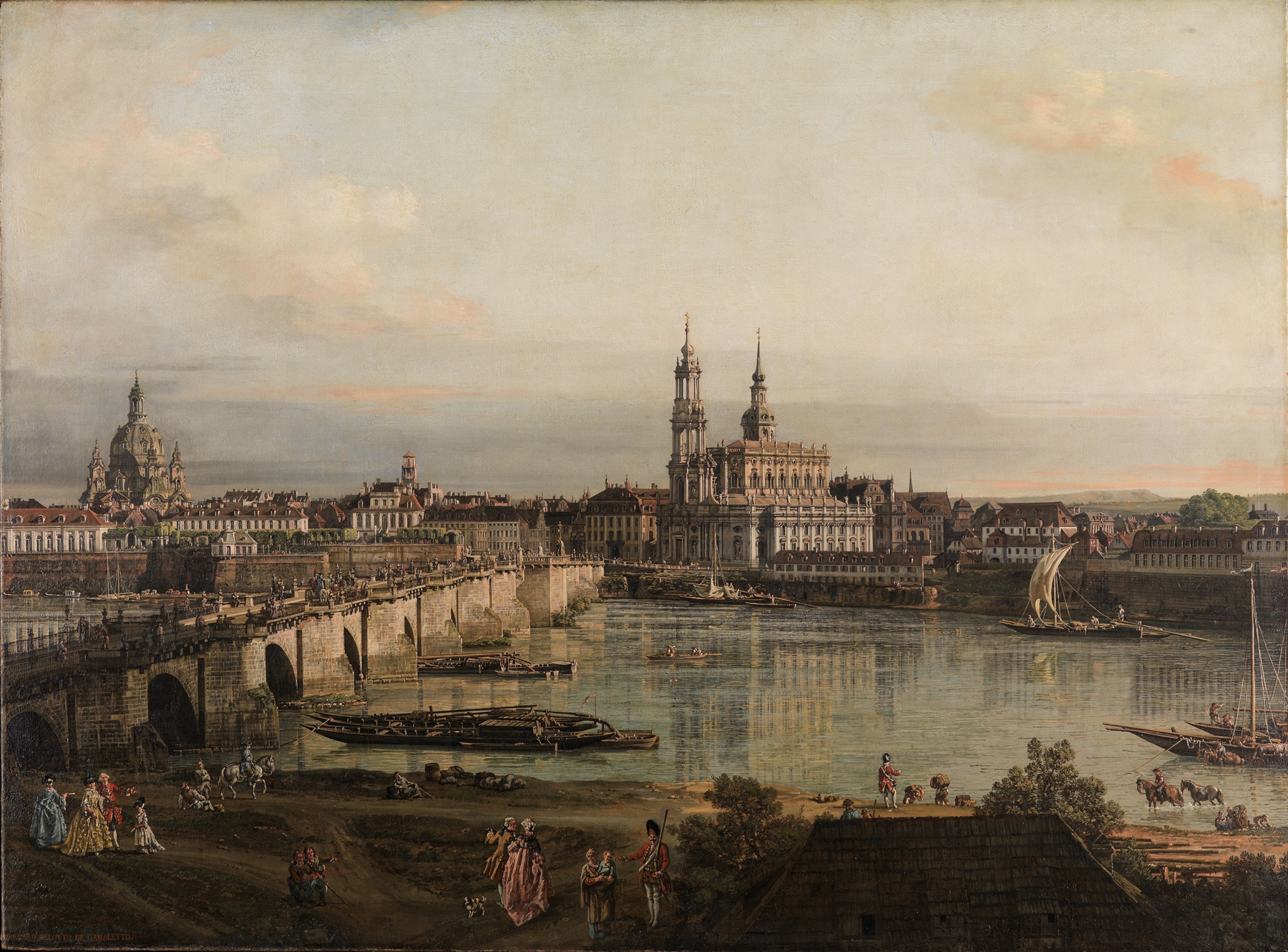
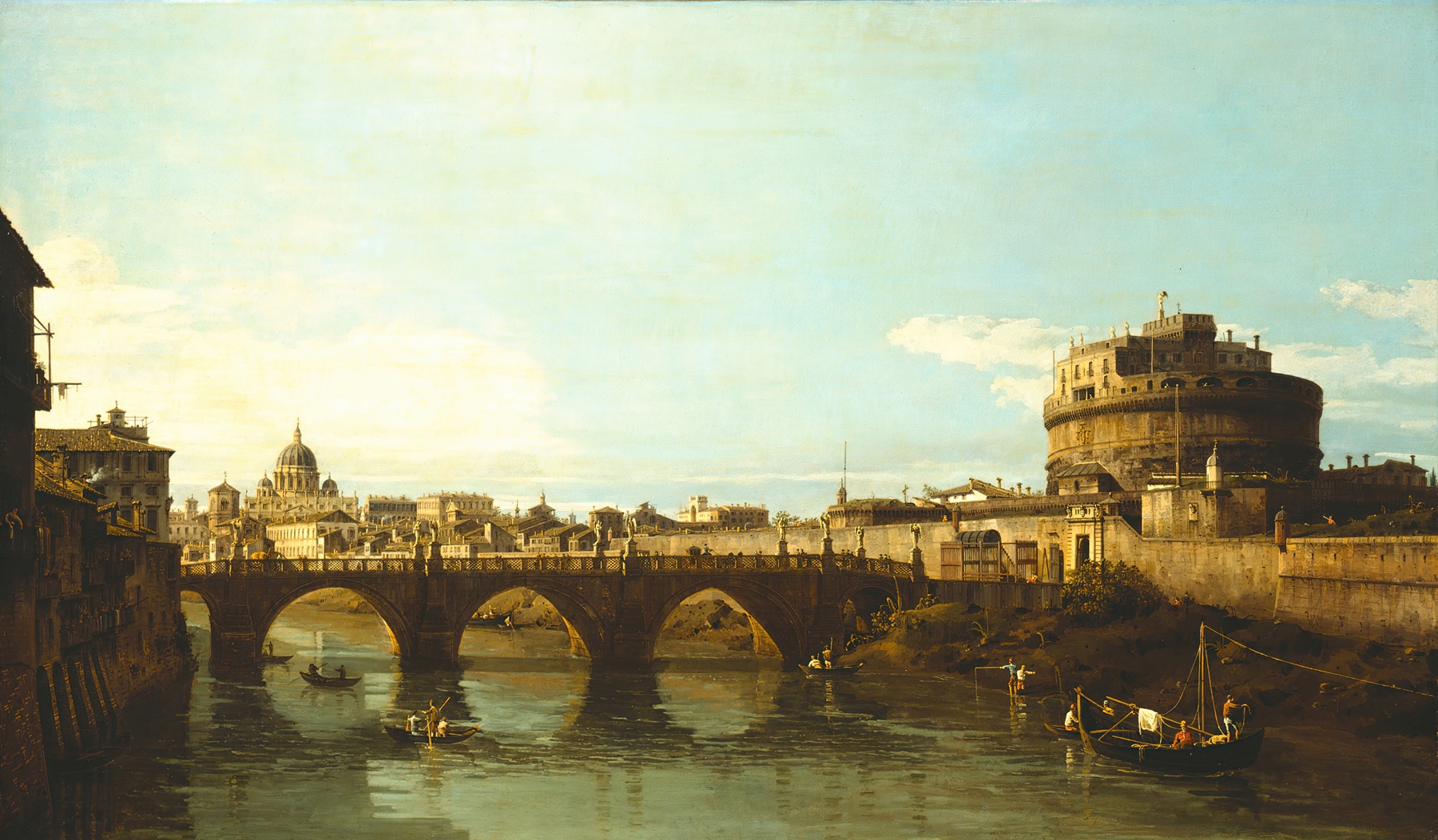
Where does light end, and longing begin? In the haunting expanse of desolation, the remnants of faith linger among the crumbled stones, whispering tales of what once was. Look closely at the left side of the canvas; the delicate interplay of light and shadow reveals fragments of the old Kreuzkirche, its architecture both noble and tragic. The warm hues of the setting sun bathe the ruins in a soft golden glow, illuminating the intricate details of shattered columns and fading frescoes.
The foreground is alive with figures—small silhouettes that appear almost ghostlike, evoking a sense of loss, yet their movement suggests a stubborn hope amid decay. Beneath the surface, the painting encapsulates a profound tension between destruction and endurance. The stark contrast between the vibrant light and the somber ruins symbolizes the struggle of faith in the face of adversity. Each broken archway and scattered stone tells a story of devotion, while the distant figures suggest a community grappling with the remnants of their faith.
This dichotomy offers a poignant reflection on resilience—how even in ruin, there is a persistent yearning for connection and meaning. Bernardo Bellotto created this work in 1765, just after the Seven Years’ War had ravaged much of Europe, leaving cities like Dresden in ruin. During this time, artists began to explore themes of loss and nostalgia, and Bellotto, known for his detailed cityscapes, was particularly drawn to the interplay of light and architecture. The destruction of the Kreuzkirche not only marked a significant loss for the city but also became a canvas for Bellotto's deep emotional insights into faith and memory.