The Salmon Fisherman (Le Pêcheur du Saumon) — History & Analysis
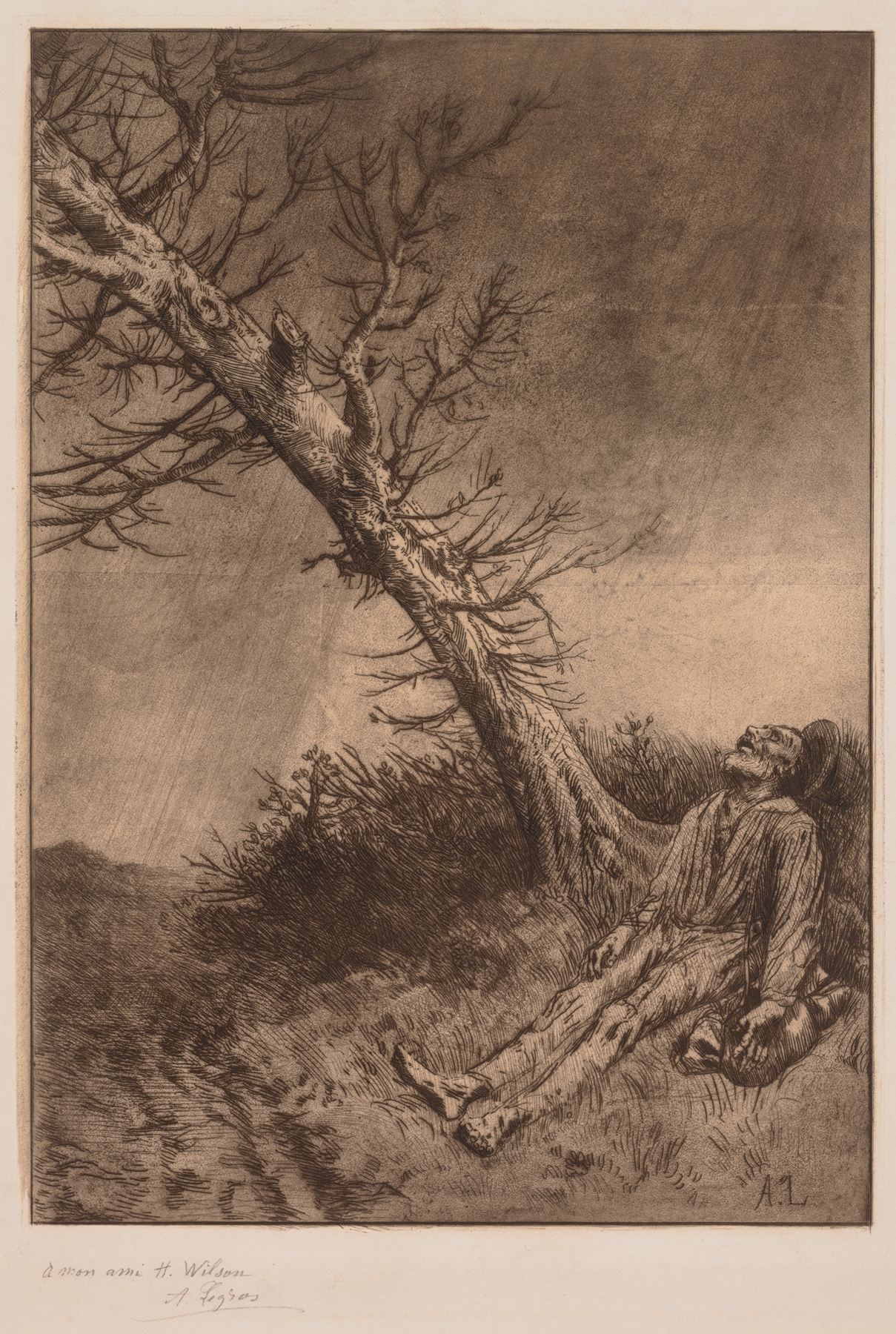
What if silence could speak through light? In The Salmon Fisherman, the delicate interplay of shadow and illumination conveys an unspoken tension that pulses just beneath the surface. Look to the left at the figure of the fisherman, his body bent with concentration as he wields his rod. The soft hues of twilight wrap around him, contrasting sharply with the dark waters reflecting the sky’s fading light. Notice how the shimmering waves seem to dance with life, yet the fisherman stands in an eerie stillness, capturing a moment that feels both serene and fraught with an underlying current of violence.
The brushstrokes, gentle yet firm, reveal the raw intimacy of the struggle between man and nature, each stroke a testament to the intensity of his endeavor. Hidden within the tranquility of this scene lies a profound commentary on the duality of existence. The fisherman, absorbed in his task, embodies the relentless pursuit of sustenance, but within that pursuit lurks the violence of survival. The water, a source of life, simultaneously poses a threat, suggesting the dangers that accompany the quest for nourishment.
The stark contrast of light and dark symbolizes the fragility of equilibrium, reflecting the tension between creation and destruction. Alphonse Legros painted The Salmon Fisherman around 1880, a year that marked a pivotal moment in his career as he embraced a more personal, emotive style. Living in London during a time of societal change, his work began to reflect deeper themes of existence and struggle. The art world, shifting towards impressionism and abstraction, contrasted with his grounded, representational approach, which sought to uncover the emotional weight behind everyday life.