The Schooner Jane of Bath, Maine — History & Analysis
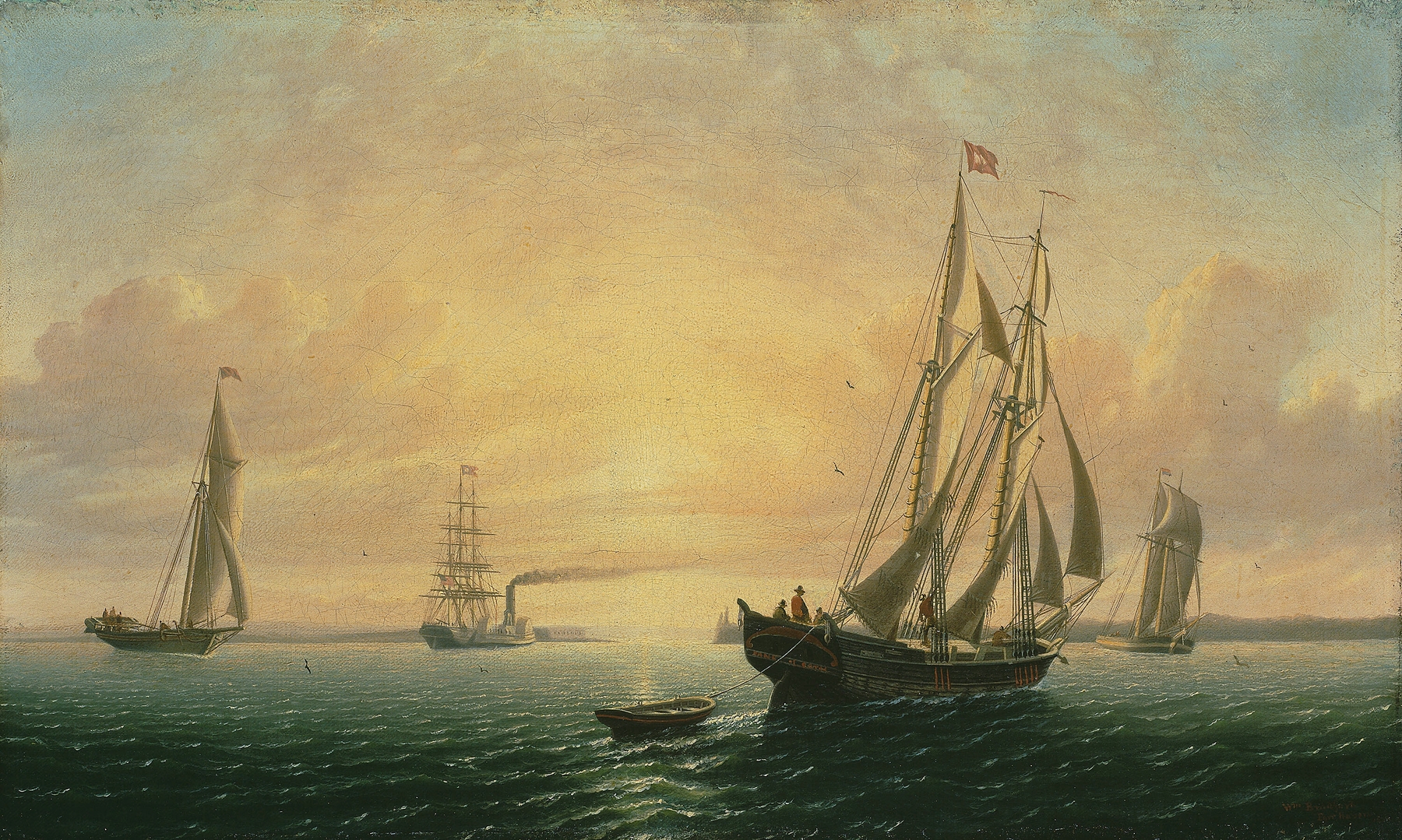
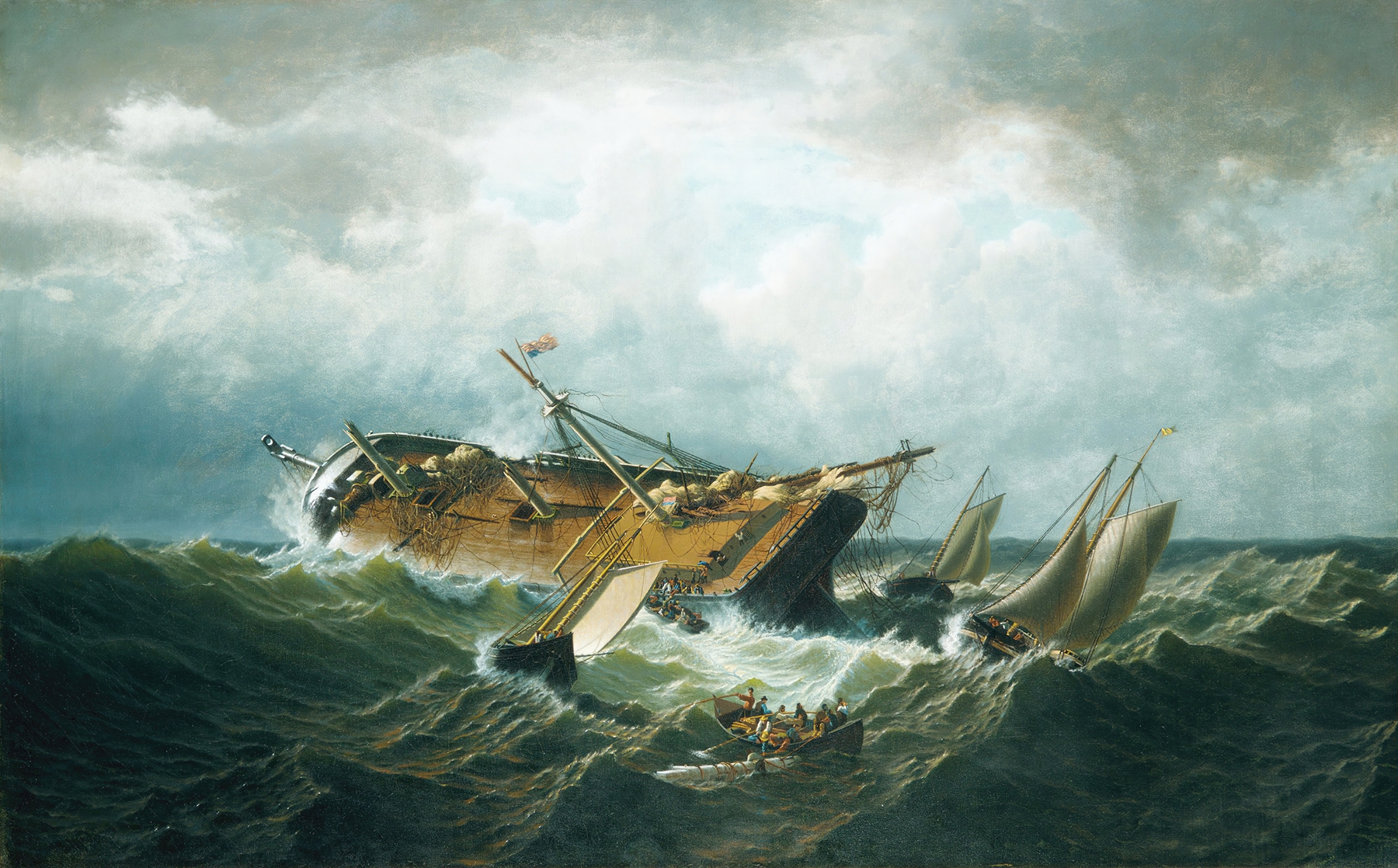
Could a single brushstroke hold eternity? In The Schooner Jane of Bath, Maine, the tumultuous dance of waves and wind tells a story that transcends mere representation, inviting us into a world where chaos reigned over calm. Focus on the vessel at the center, its sails billowing defiantly against the stormy sky. Notice how the artist employs a palette of deep blues and whites to capture the raw energy of the sea, while flecks of sunlight break through the swirling clouds, creating a striking contrast with the dark, brooding atmosphere.
The brushwork is both expressive and precise, leading the eye through the tumult and into the heart of the composition, where the ship seems to both challenge and embrace the chaos around it. Delve deeper into the painting's hidden tensions. The juxtaposition of the sturdy schooner against the vast, unpredictable ocean evokes feelings of resilience amid adversity. Each wave crashing against the hull signifies the relentless force of nature, while the ship’s unwavering stance suggests not only endurance but also a yearning for freedom.
This duality between struggle and strength resonates with the viewer, offering a glimpse into the broader human experience of navigating life’s storms. In 1857, William Bradford was painting amidst an evolving maritime world, where the whaling and shipping industries were at their zenith, yet rapidly changing due to technological advancements. Working in the tranquil setting of his studio in the coastal town of Ogunquit, he captured the essence of seafaring life, while also addressing the broader contextual shifts in American society, where the allure of the open sea was both a symbol of adventure and a harbinger of chaos.