The Sea — History & Analysis
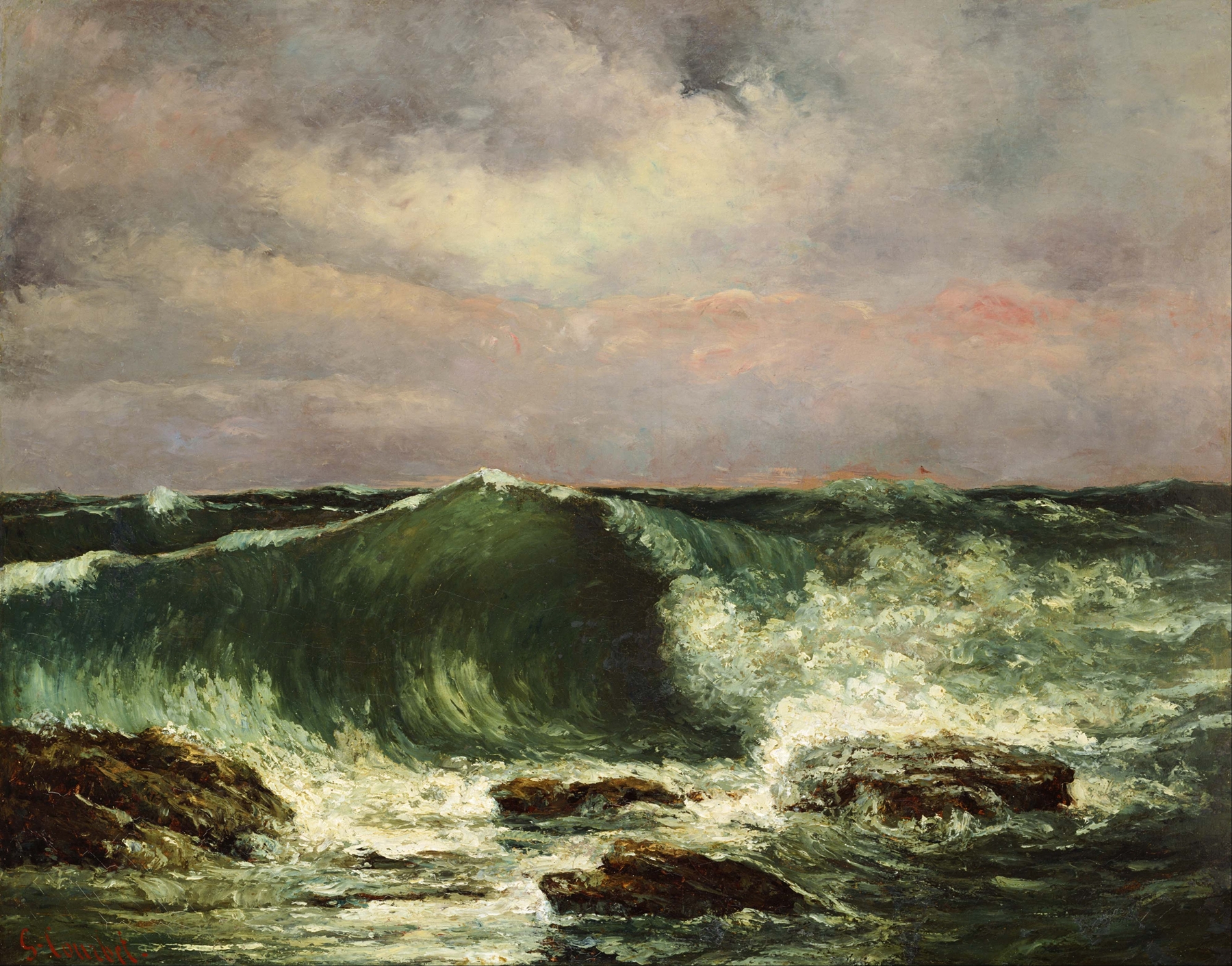
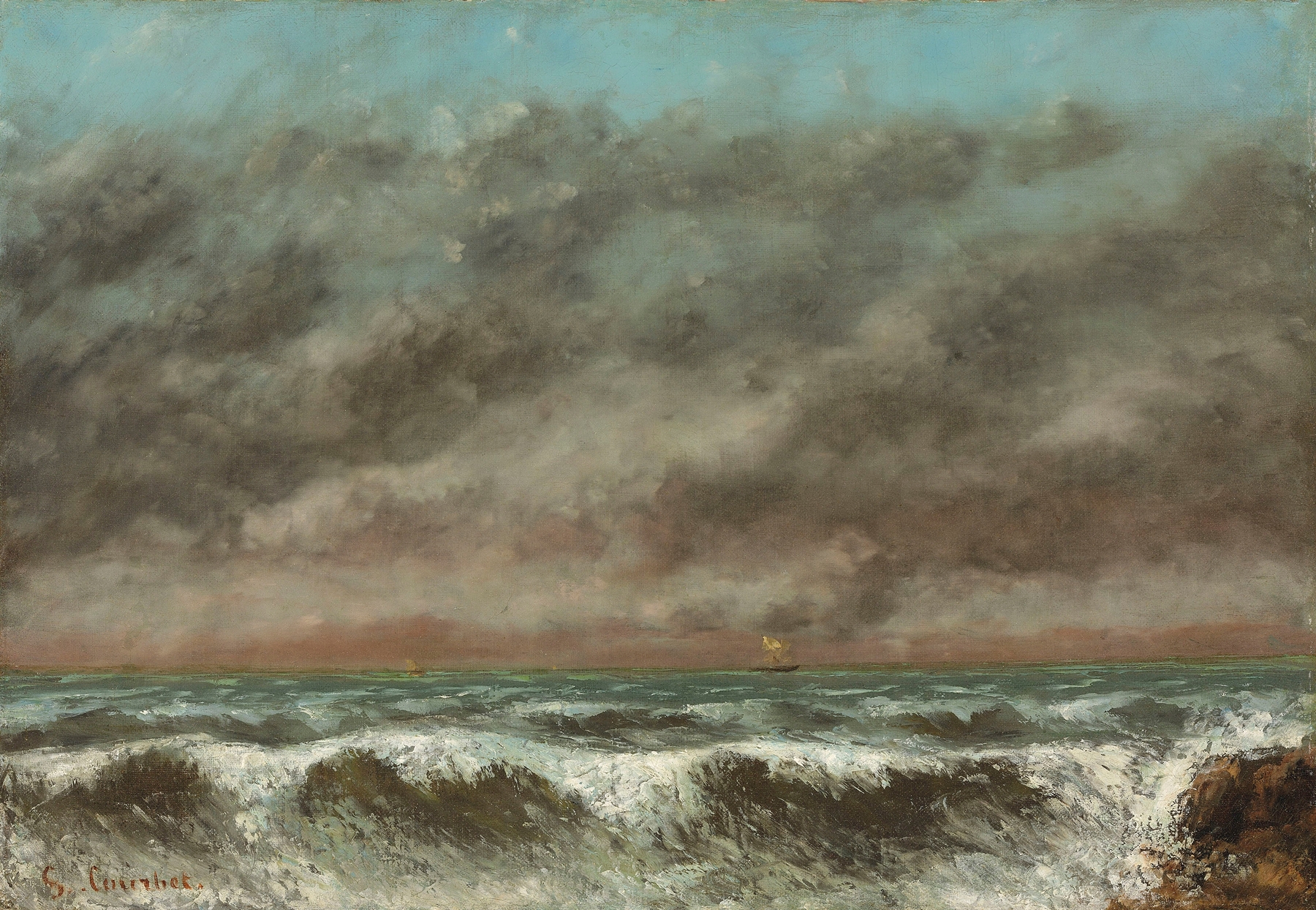
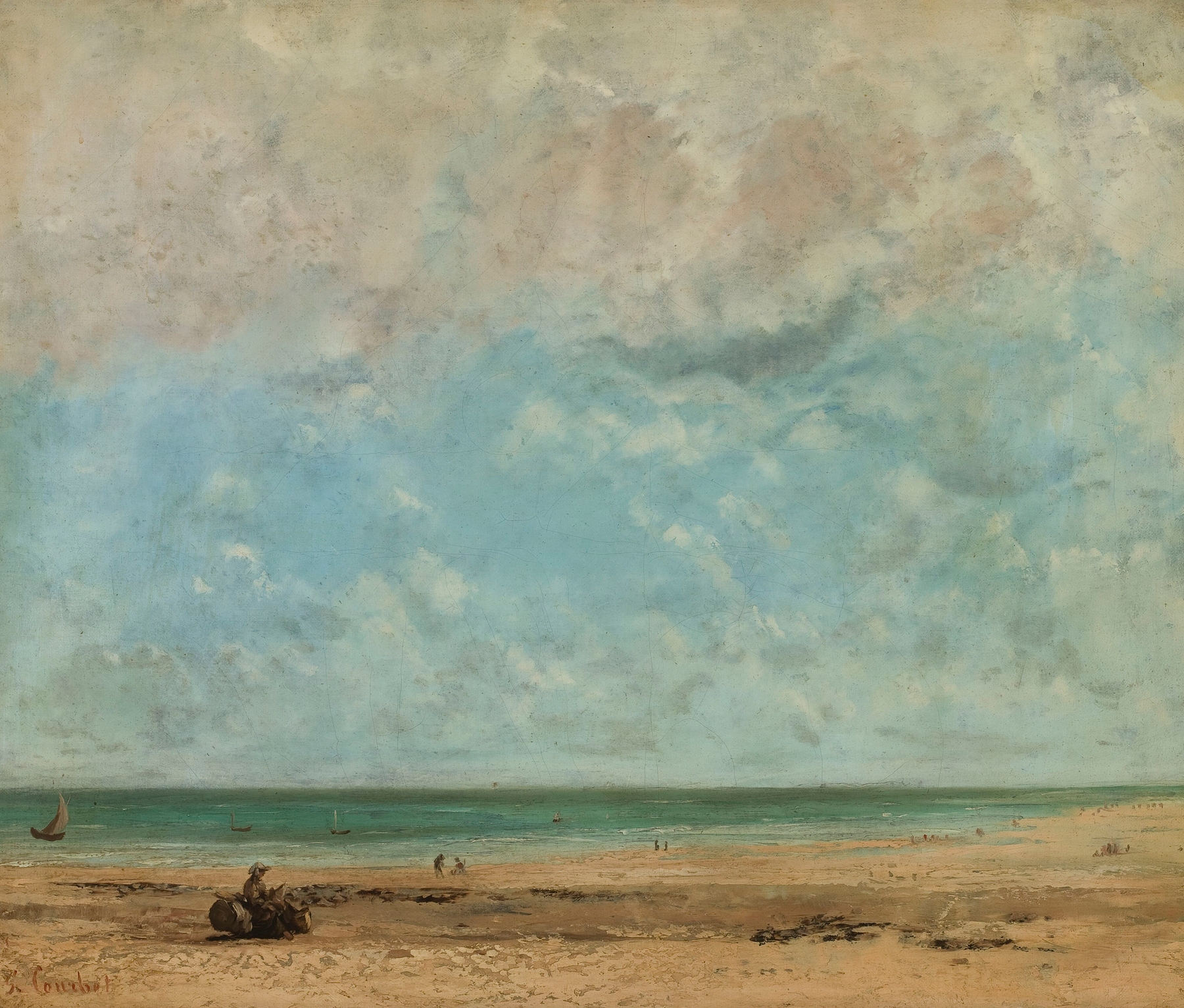
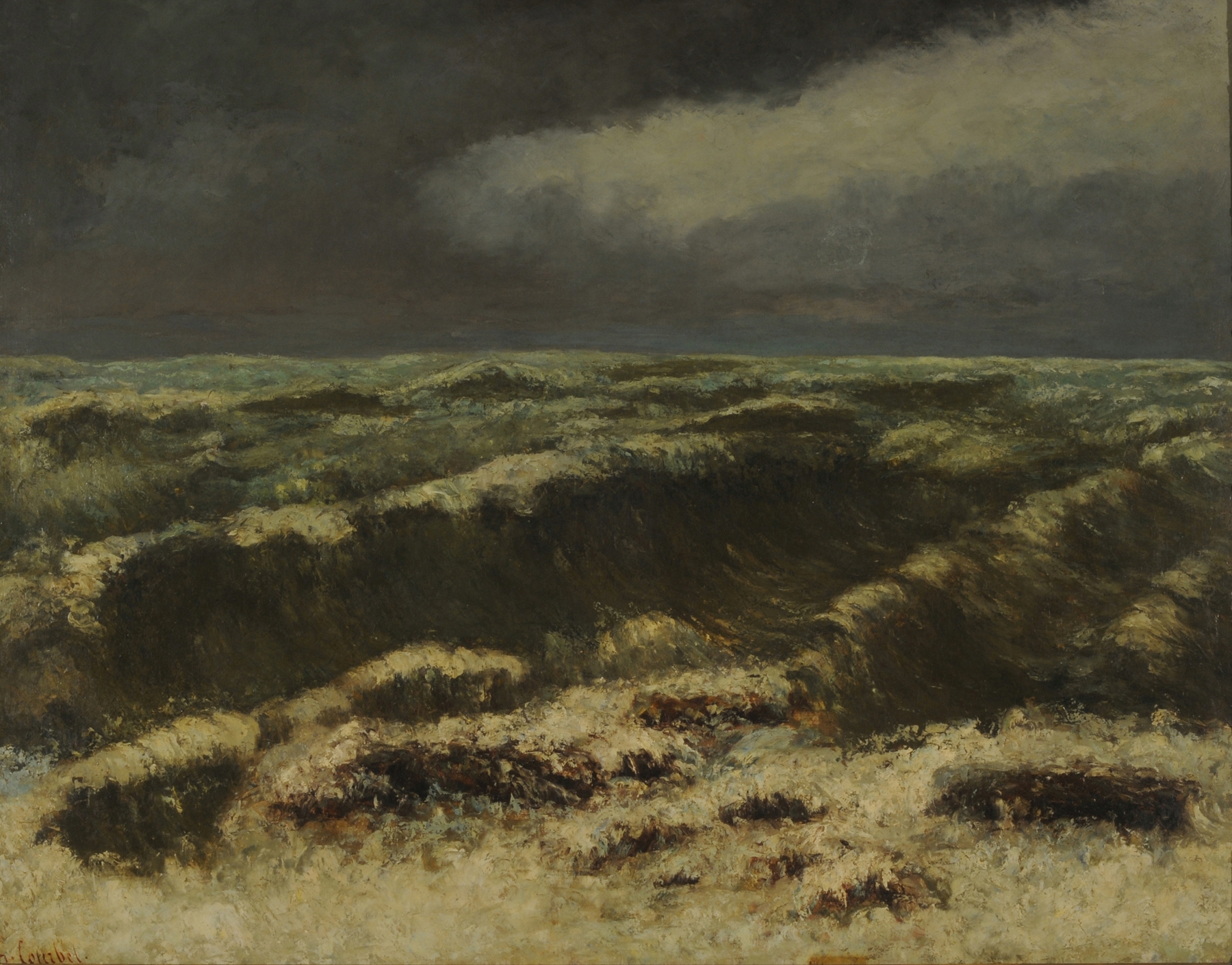
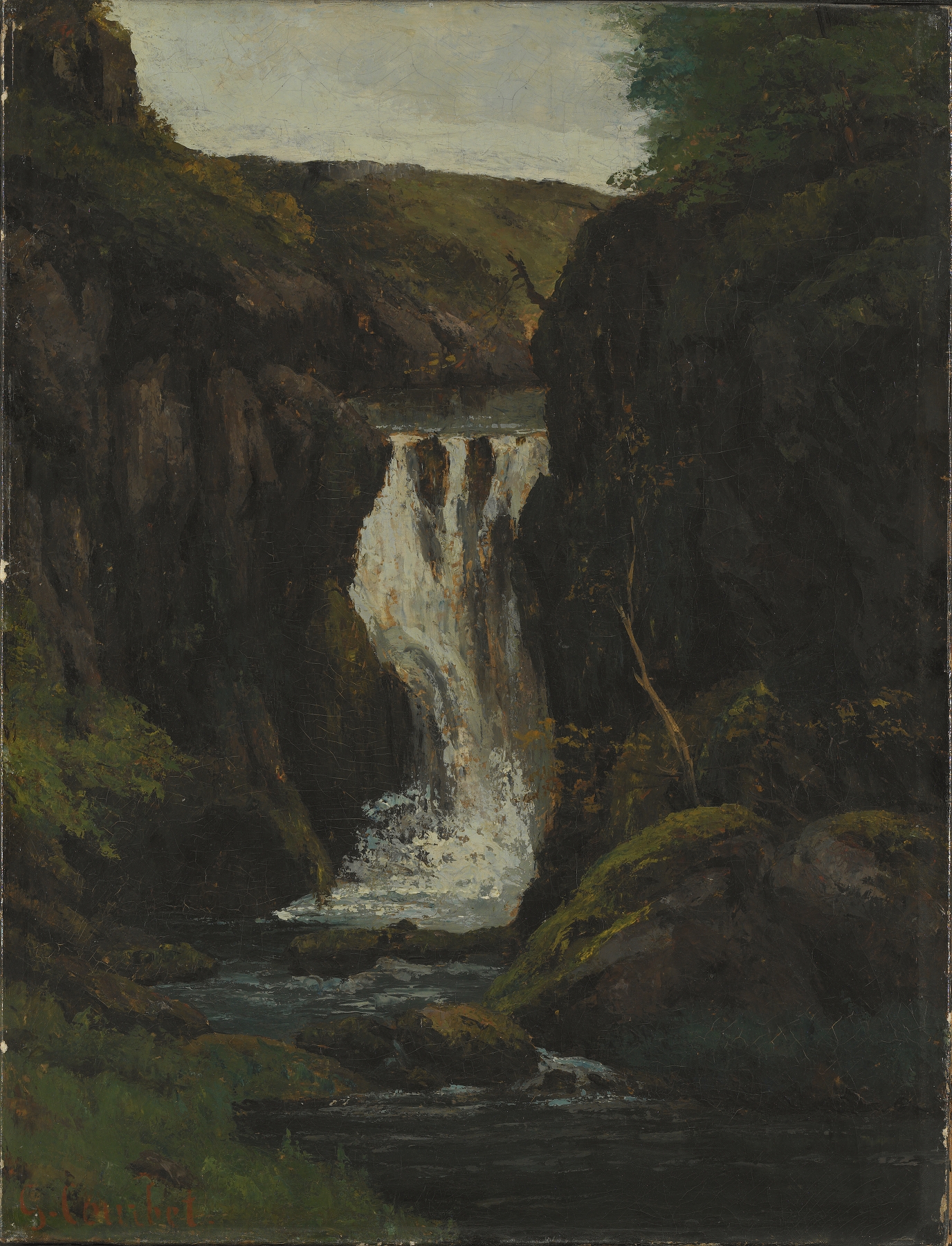
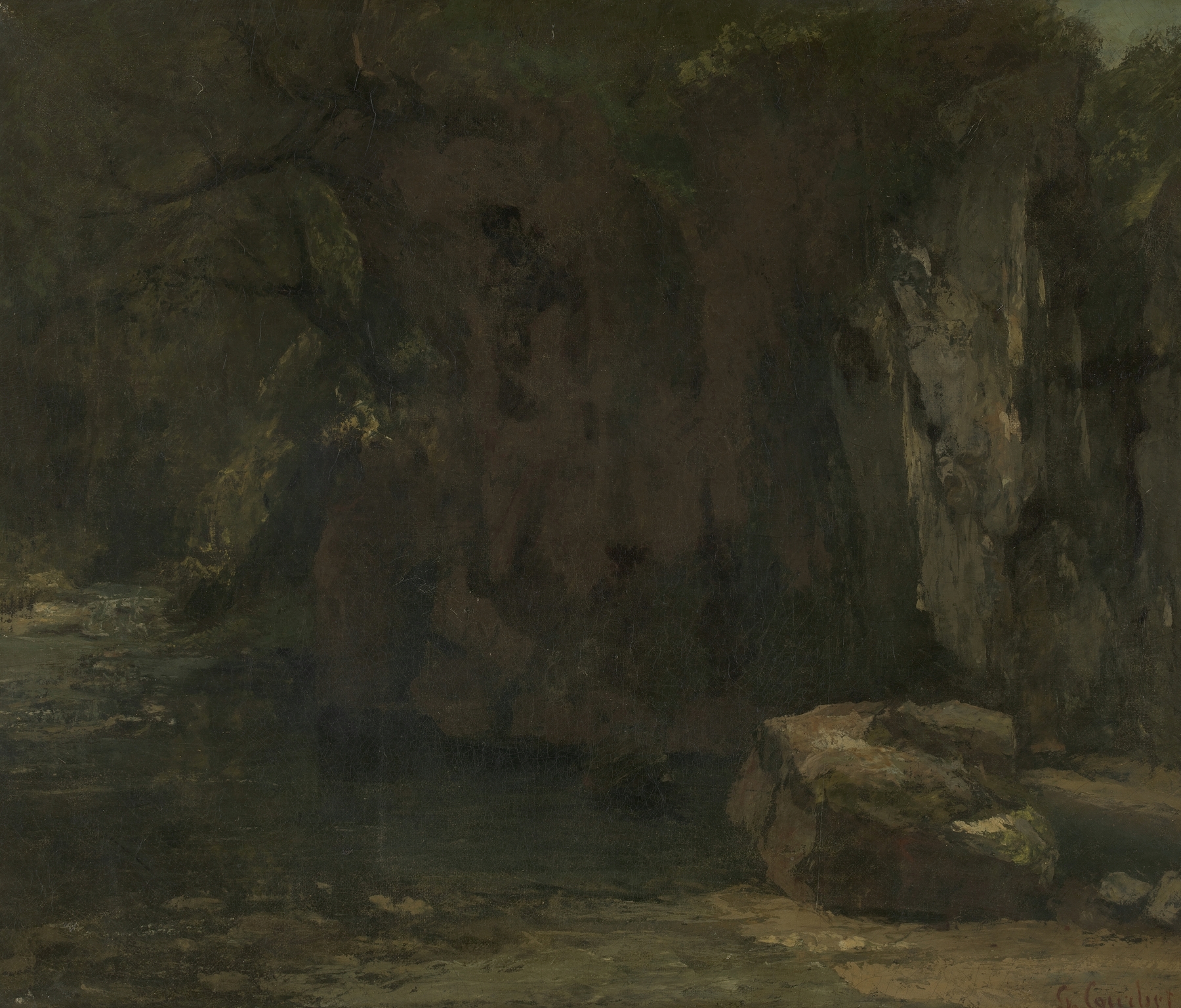
Who listens when art speaks of silence? In The Sea, a vast expanse of blue stretches into the horizon, inviting contemplation of the void and the unknown. Look to the center, where the deep azure of the water seamlessly merges with the sky, creating a hauntingly serene atmosphere. The subtle brushstrokes capture the undulating waves, evoking both motion and stillness, while the light glimmers across the surface, reflecting a tranquil yet restless energy.
Notice how the artist employs a muted palette, allowing the colors to resonate with the viewer, drawing them into an immersive embrace of nature's majesty. In this work, the emotional tension lies in the juxtaposition between the sea's boundless freedom and the isolating vastness it embodies. The lack of figures emphasizes the sense of solitude, challenging the viewer to confront their own feelings of insignificance against nature's grandeur. The serenity of the scene is layered with a profound sense of absence, suggesting that even beauty can evoke existential contemplation.
Courbet created this piece in 1865 during a transformative period in his career, as he championed realism in a world enamored with romantic idealism. Painted in France, The Sea reflects his response to the shifting tides of artistic conventions and his desire to present nature in its raw, unembellished state. This painting stands as a testament to his quest for truth in art, capturing the sea as both a refuge and a void.