The Singel Bridge at the Paleisstraat in Amsterdam — History & Analysis
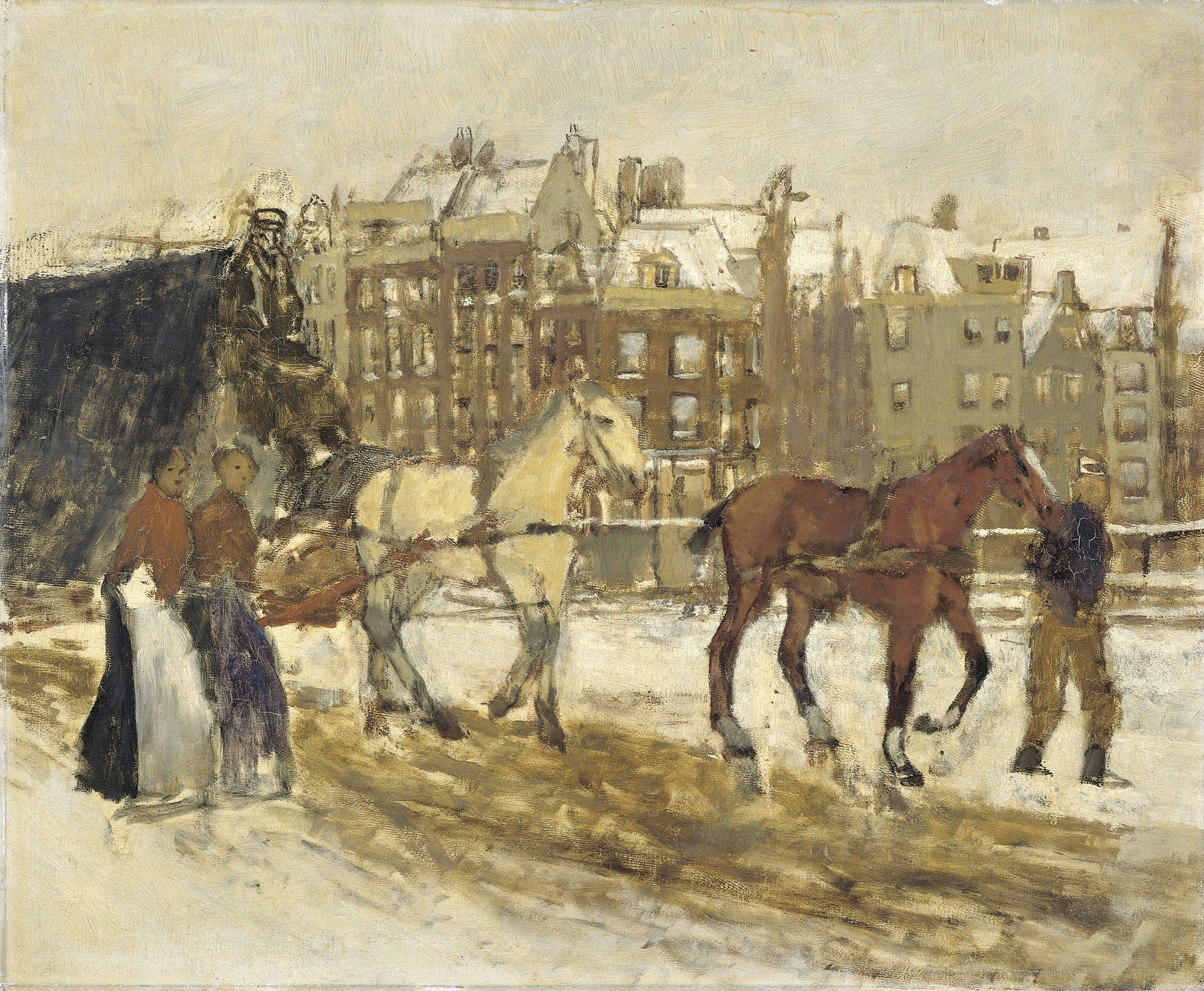
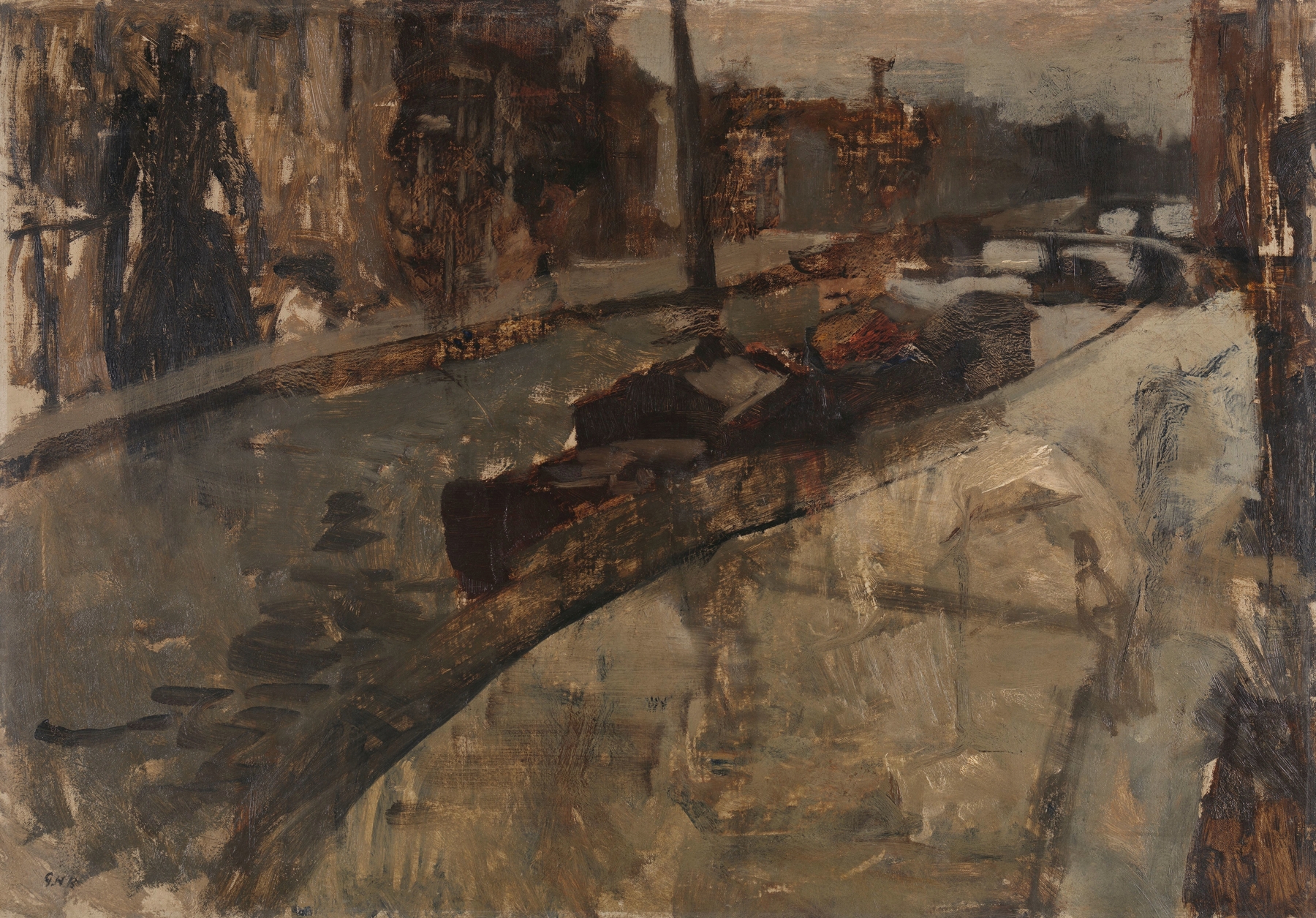
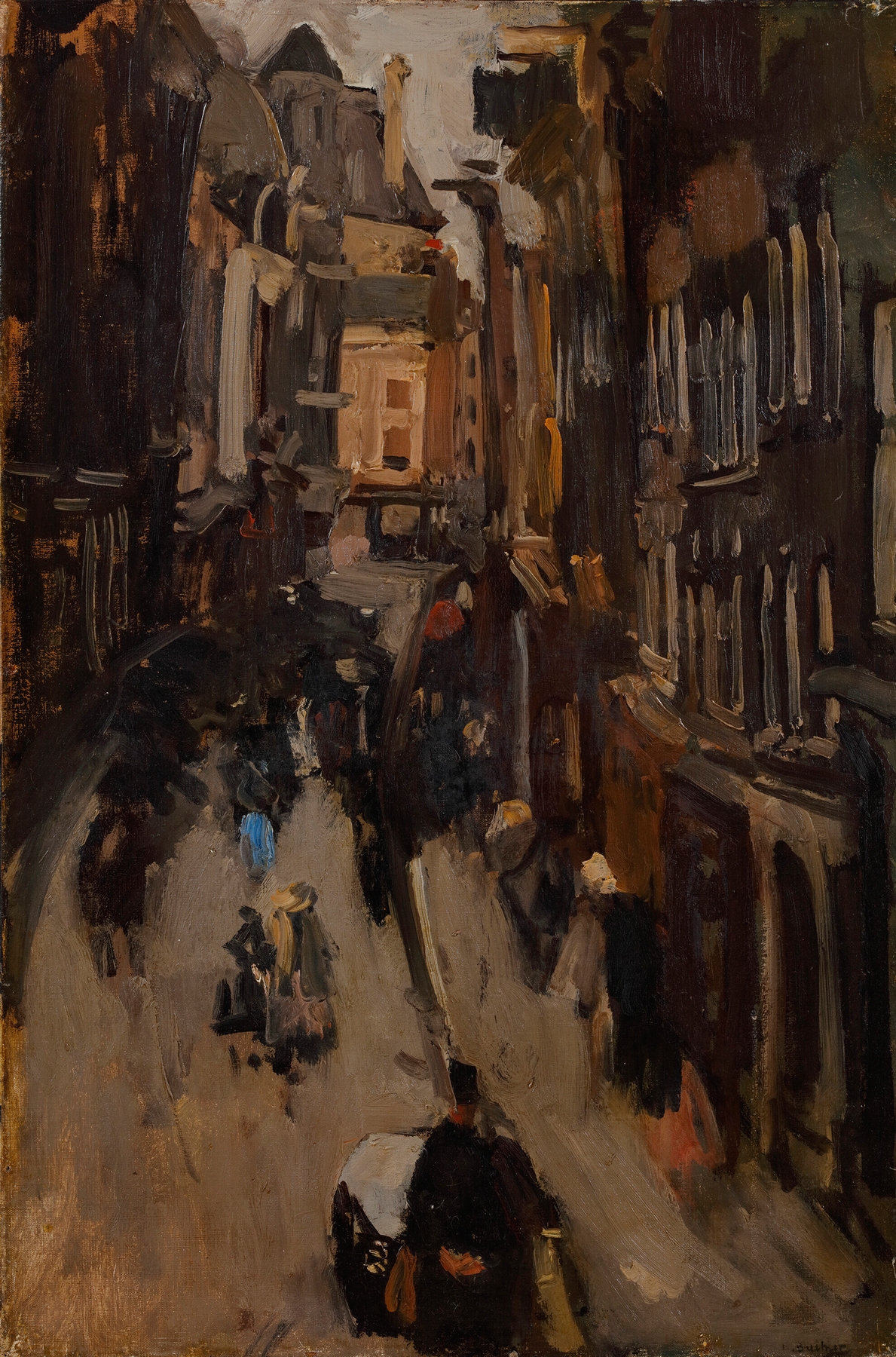
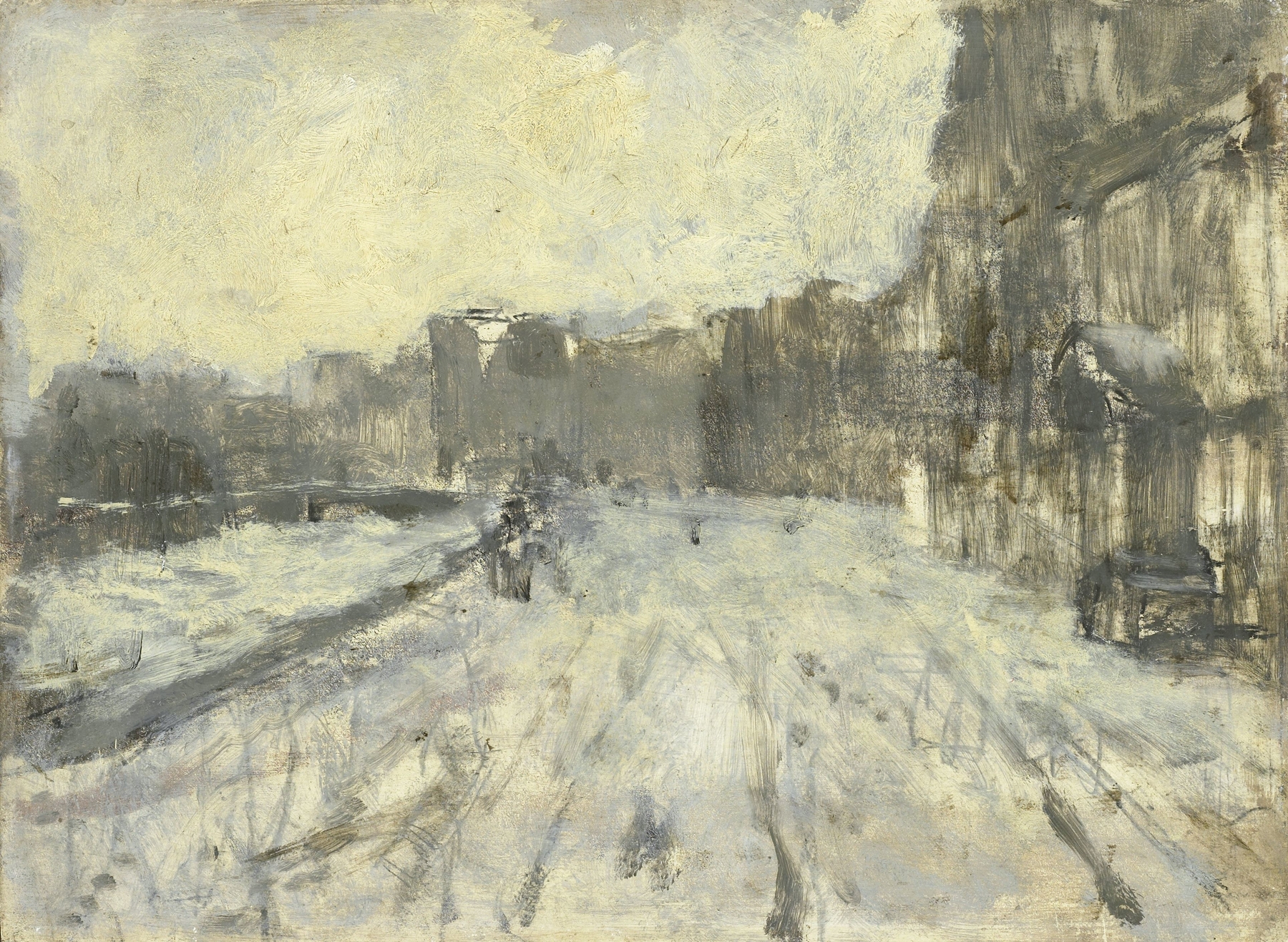
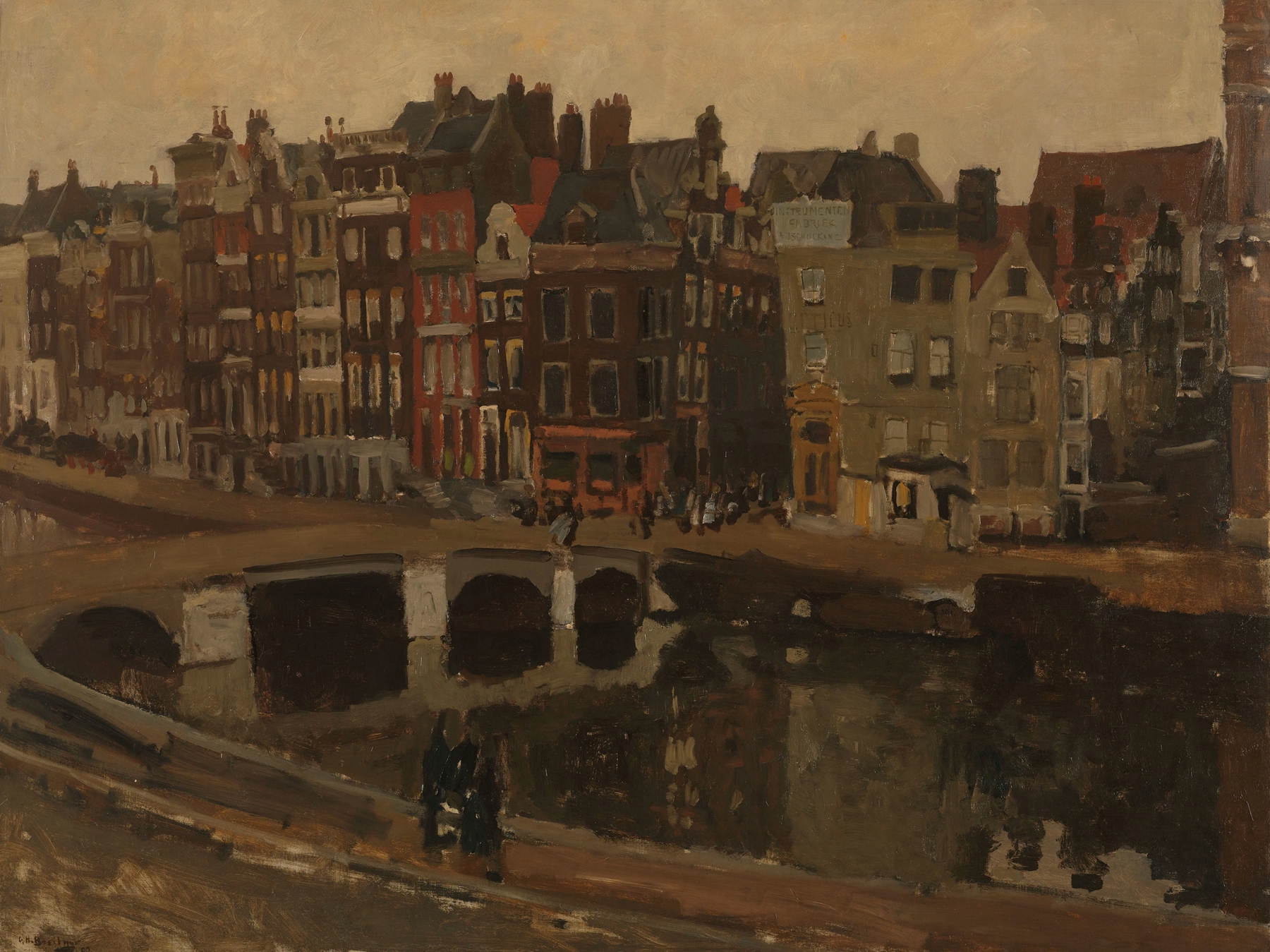
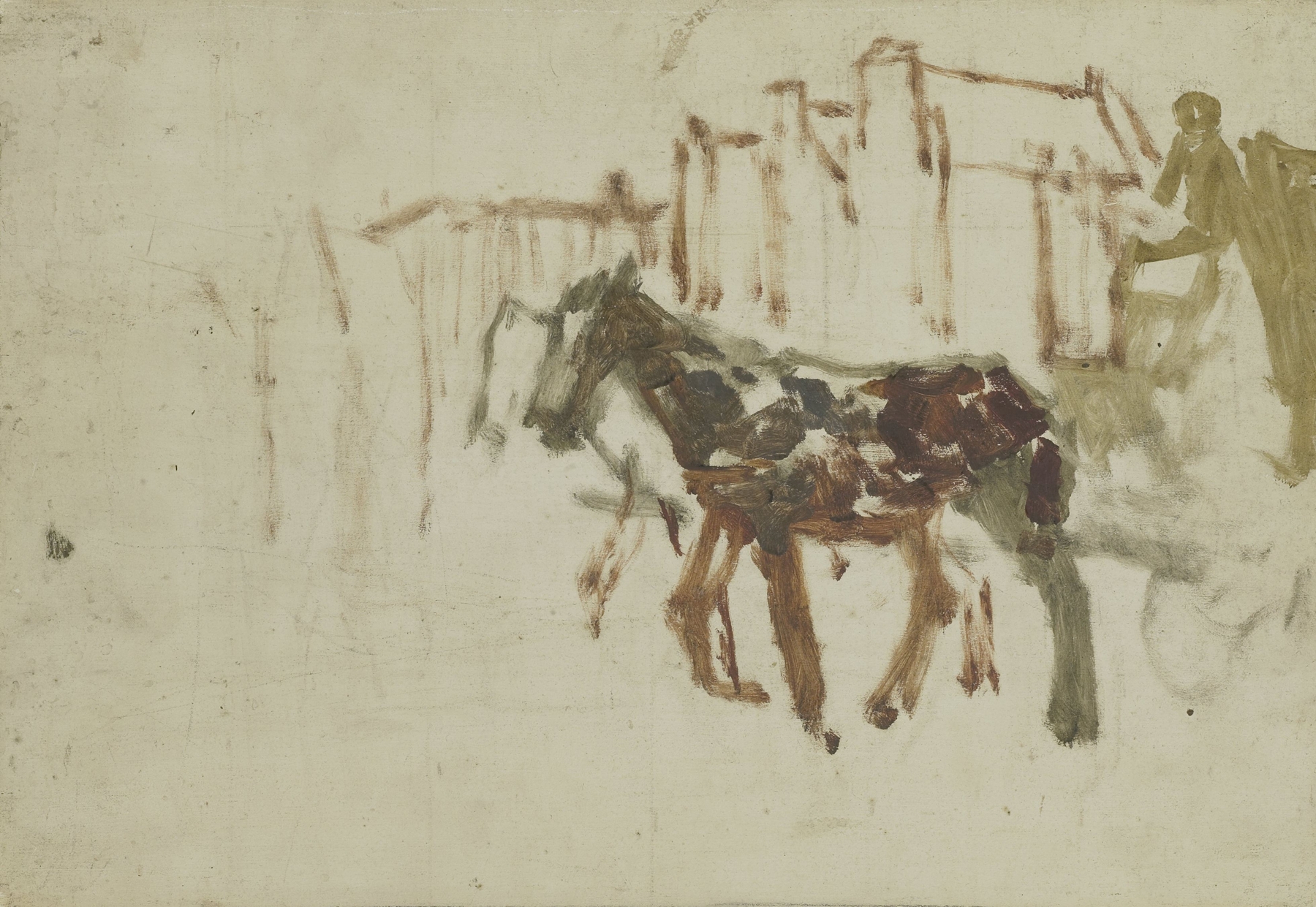
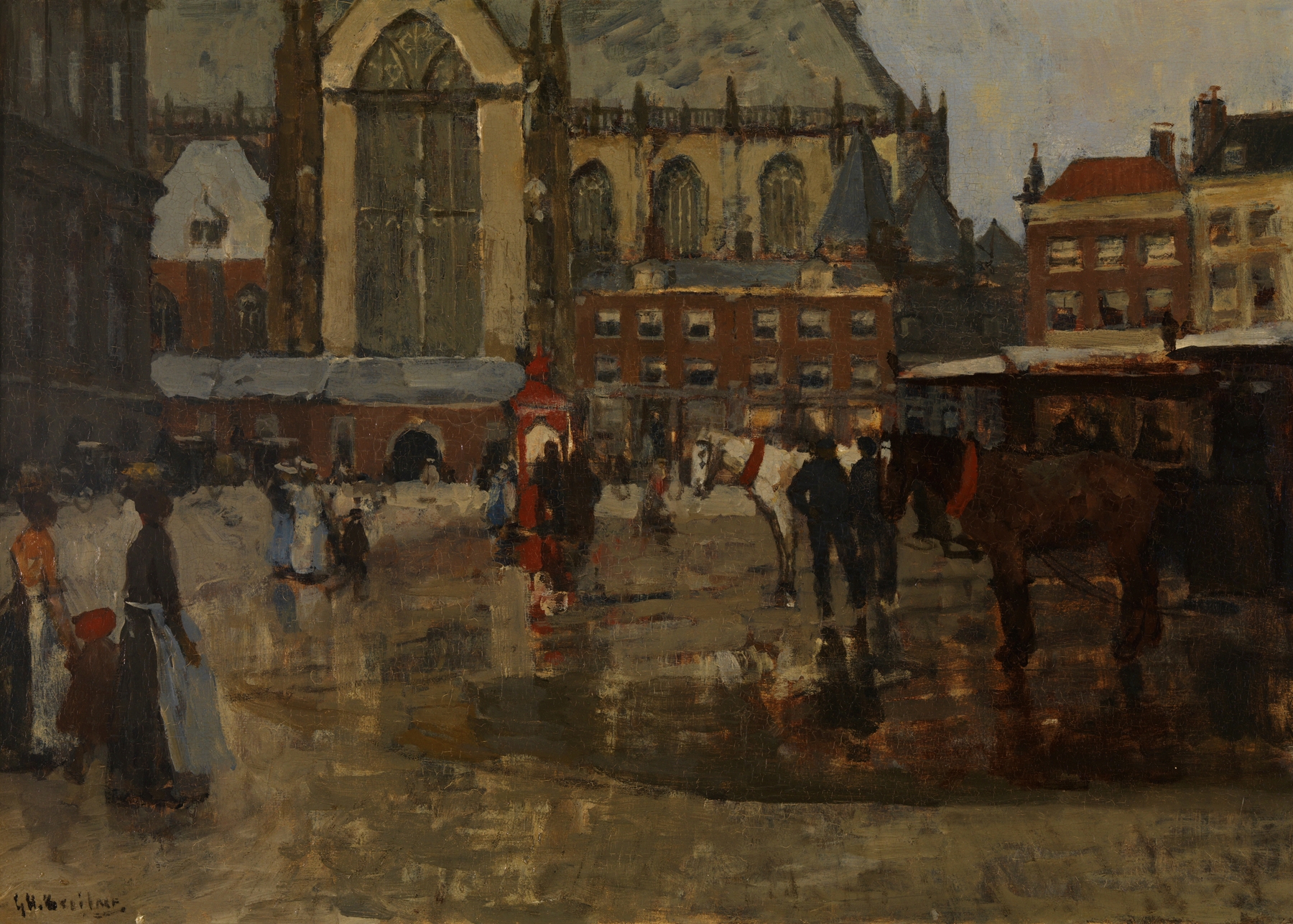
“To paint is to remember what time wants us to forget.” In a world that rushes by, the essence of movement can capture our deepest truths, whispering the stories hidden in the everyday. Focus on the bridge, where the gentle curve invites the viewer to traverse beyond the canvas. Notice how the brushstrokes create a rhythmic play of light and shadow, each stroke alive with energy. The bustling figures beneath the bridge, cloaked in layers that dance in the breeze, speak of lives intertwined within the city’s pulse.
Look closely at the shimmering water reflecting the muted colors of the scene; it seems to flow with memories, bridging the past to the present. Yet, beneath the vibrant surface, there exists a tension. The figures, though caught in movement, appear almost solitary, each absorbed in their own world despite their proximity. This juxtaposition invites contemplation on the shared yet isolating experience of urban life.
The muted palette contrasts with the liveliness of the scene, suggesting a bittersweet quality where joy and melancholy coexist—an unspoken rhythm of existence. In 1898, Breitner painted this scene in Amsterdam, during a period marked by rapid urbanization and change. As he navigated the complexities of modern life, he sought to encapsulate the vibrancy of the city while grappling with the isolation that often accompanies it. This work reflects not only his artistic evolution but also the broader transformation of society, where movement became both a literal and metaphorical motif.