The Traghetto — History & Analysis
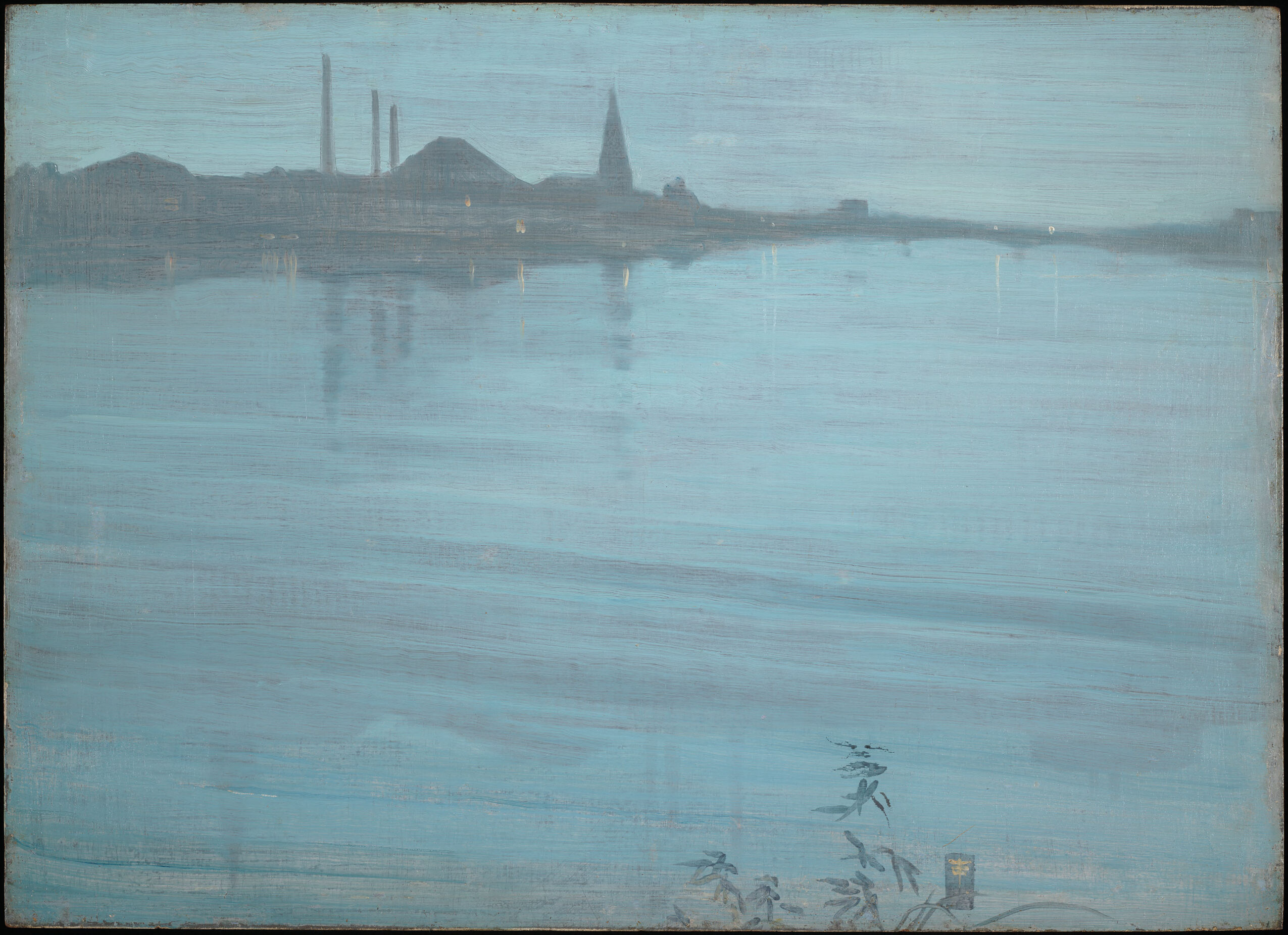
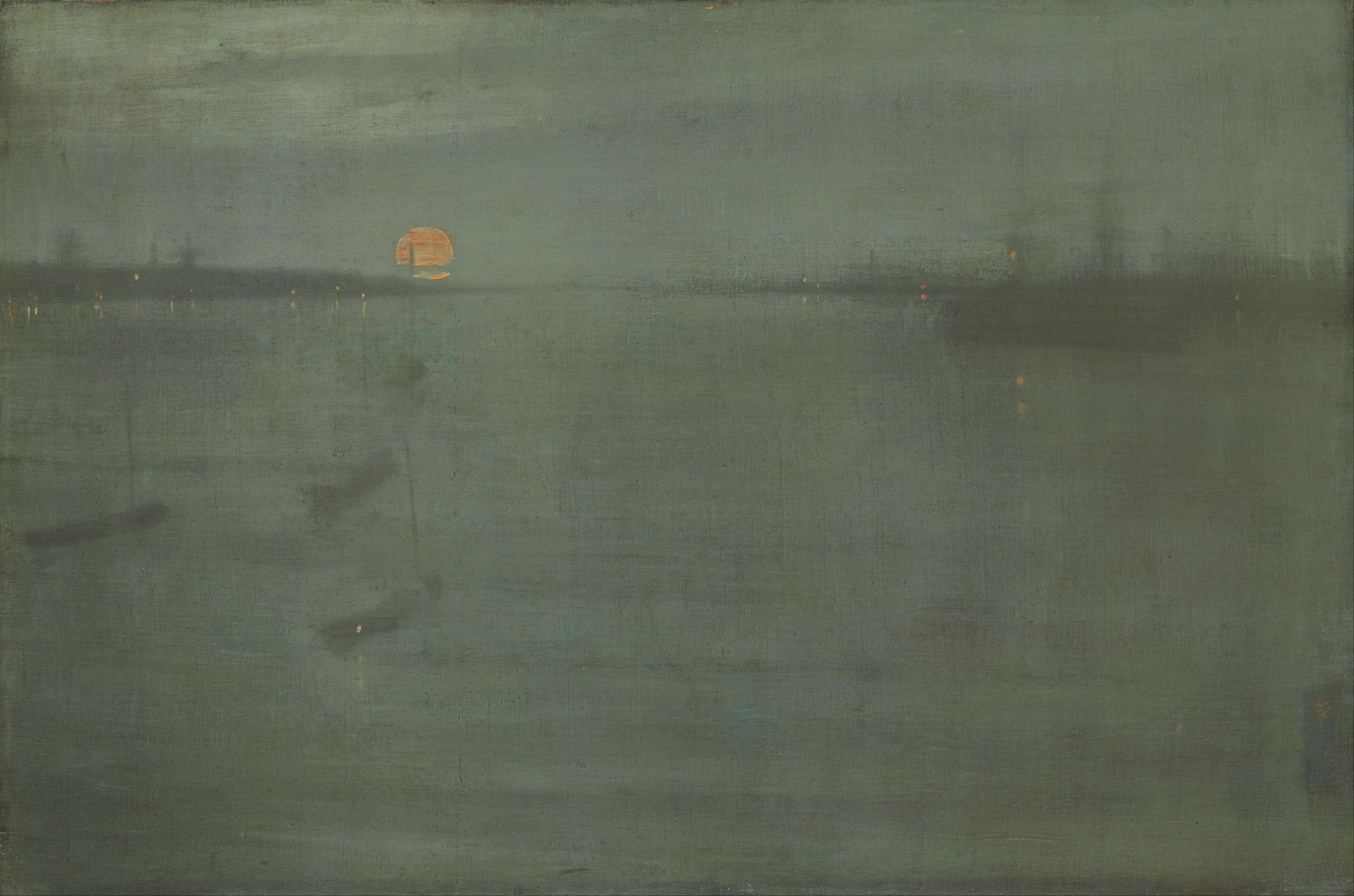
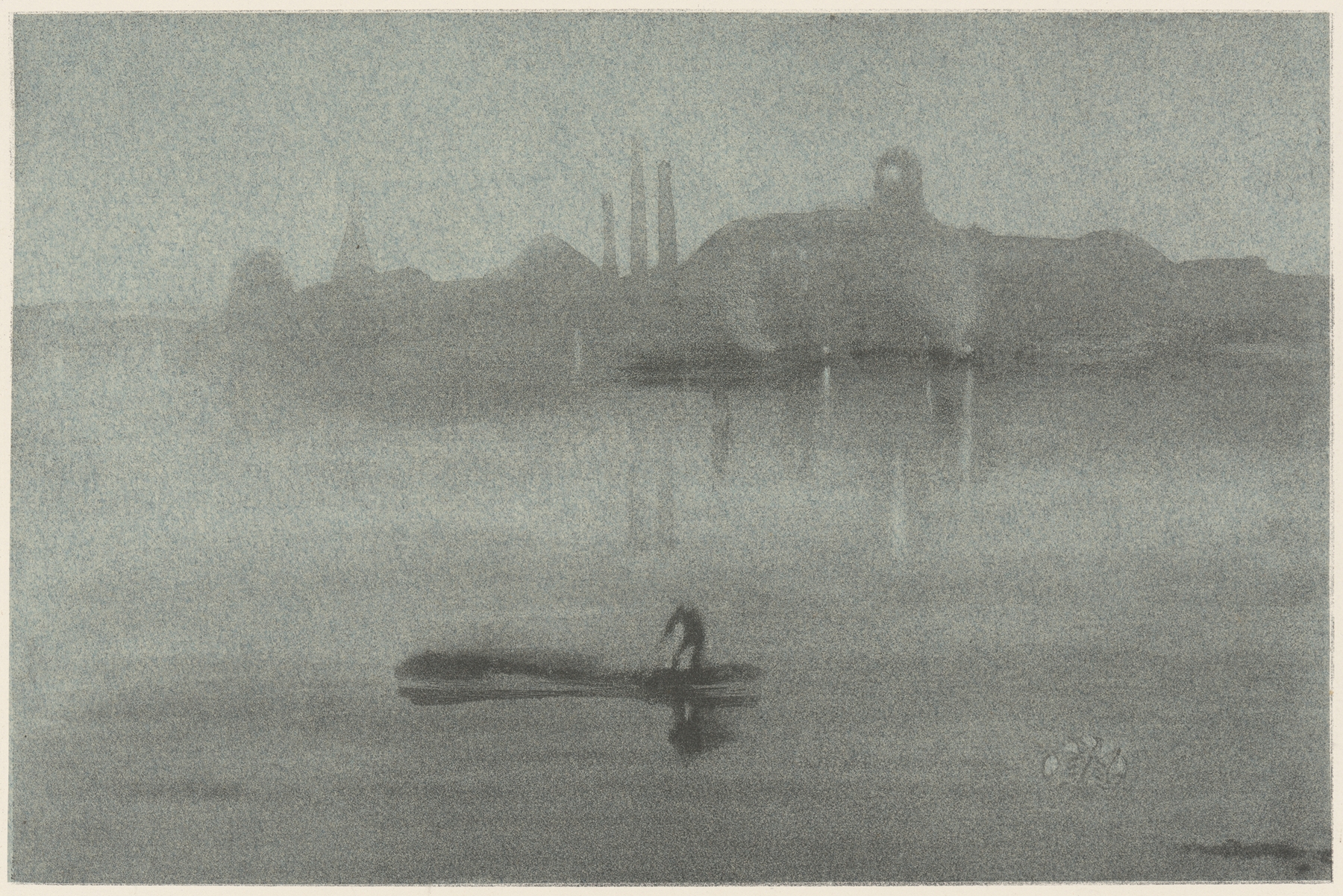
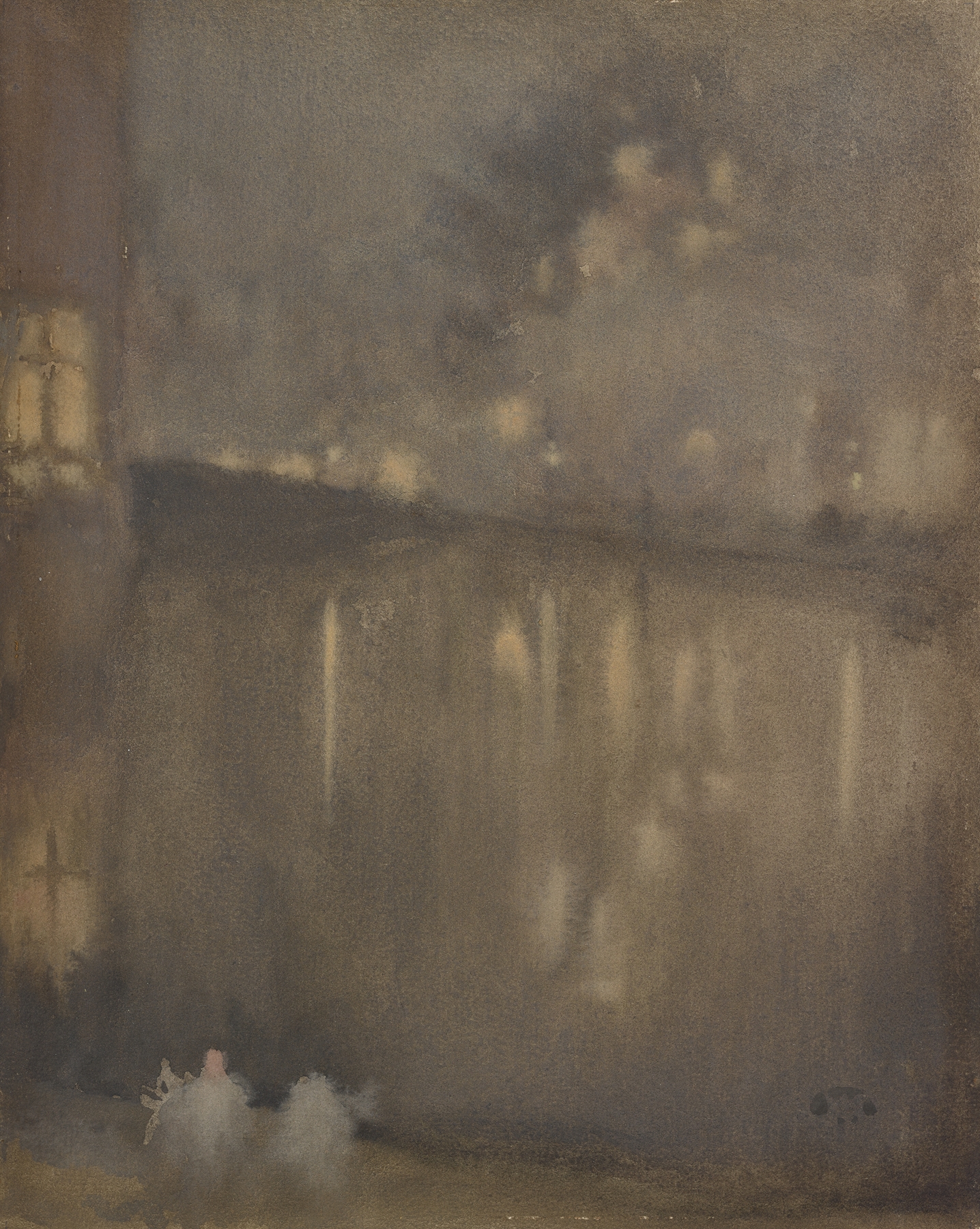
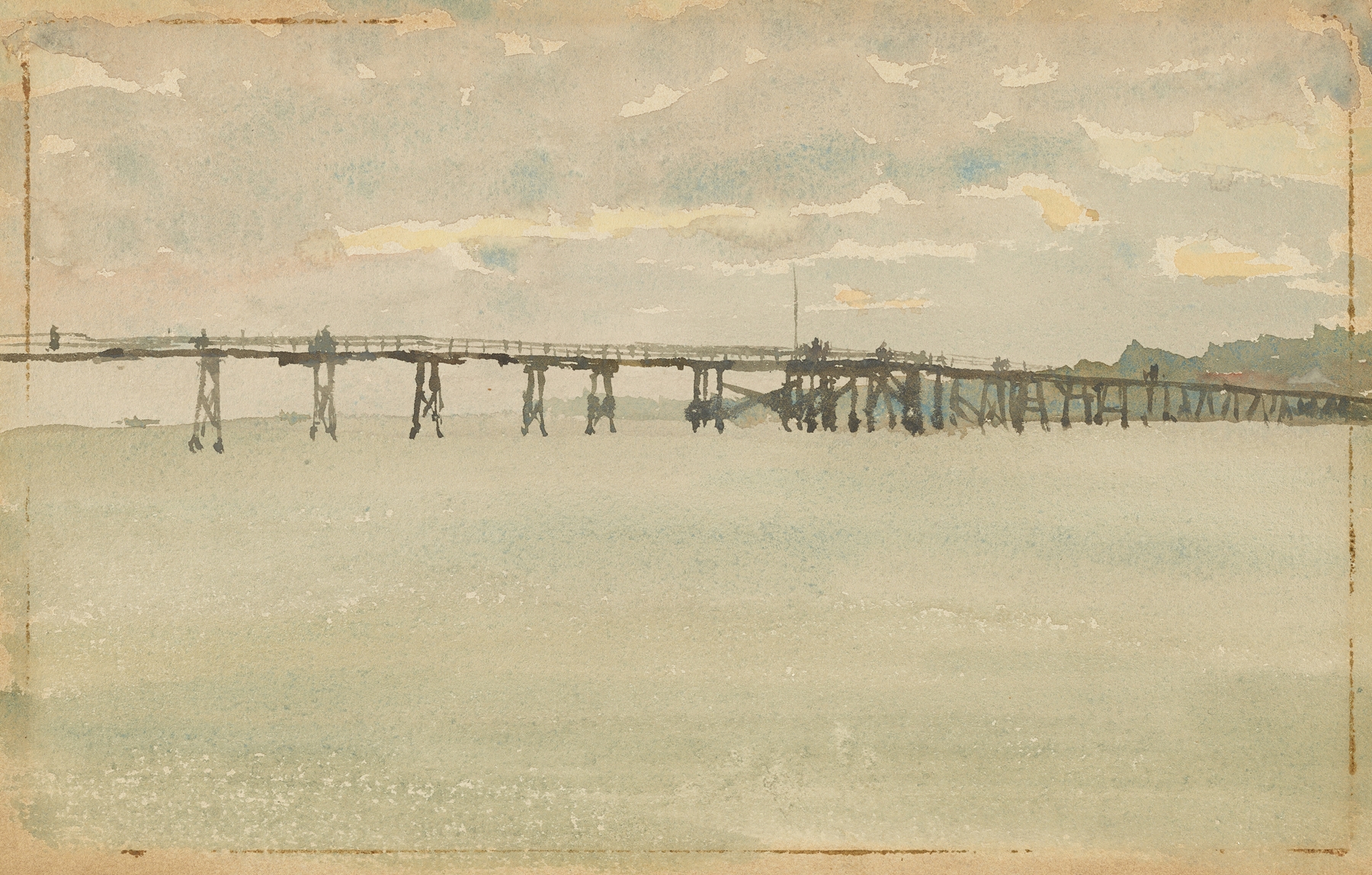
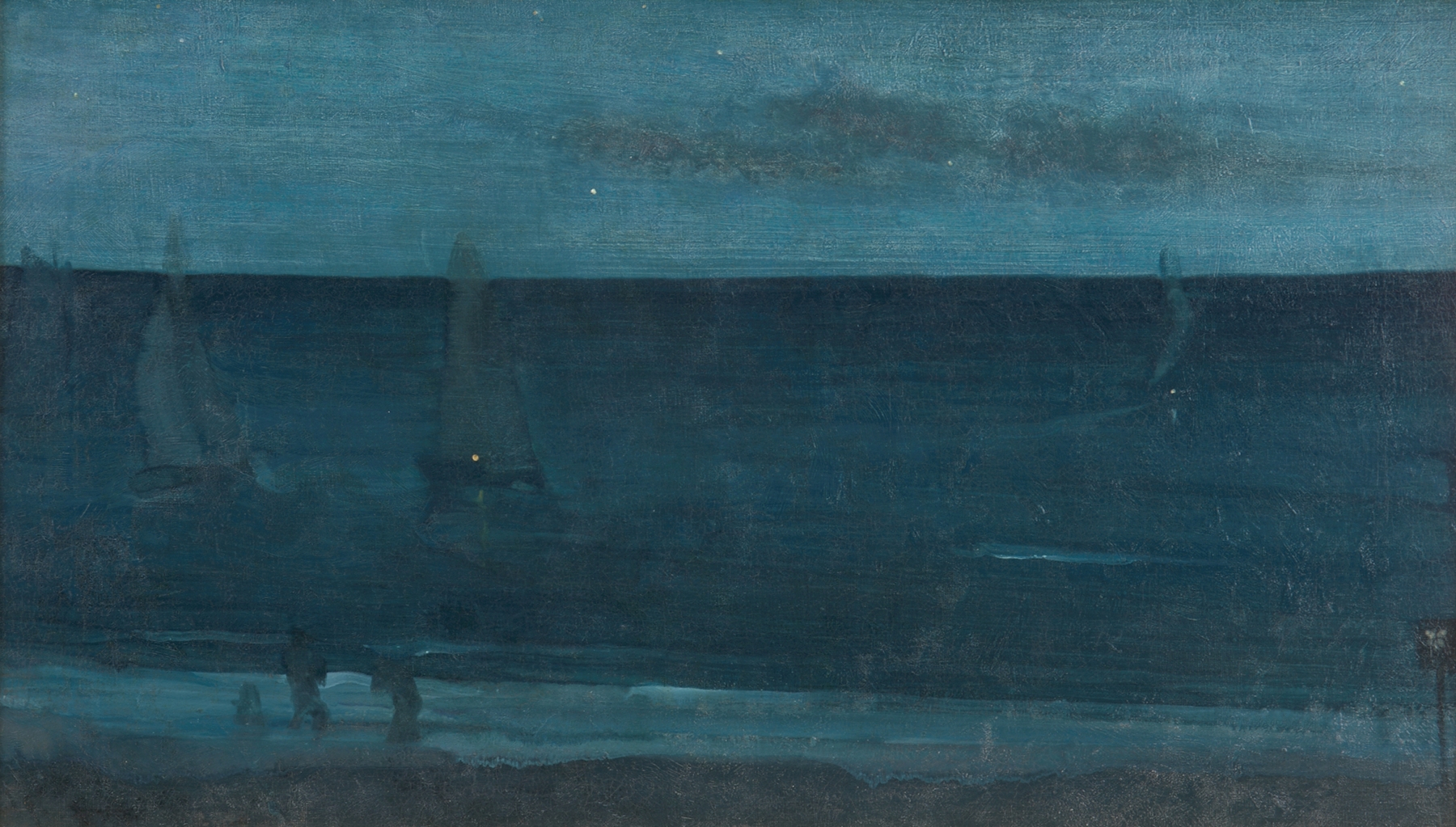
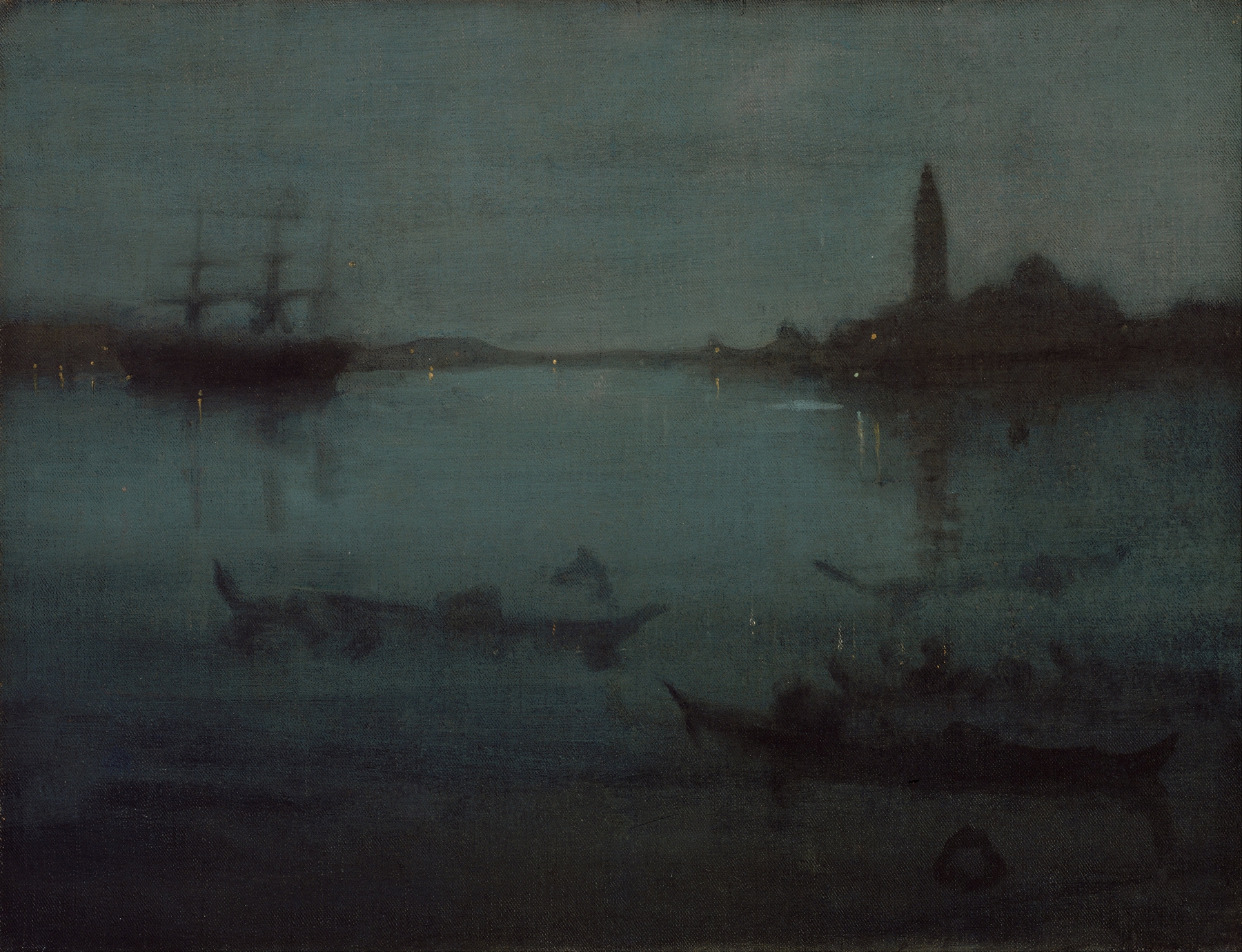
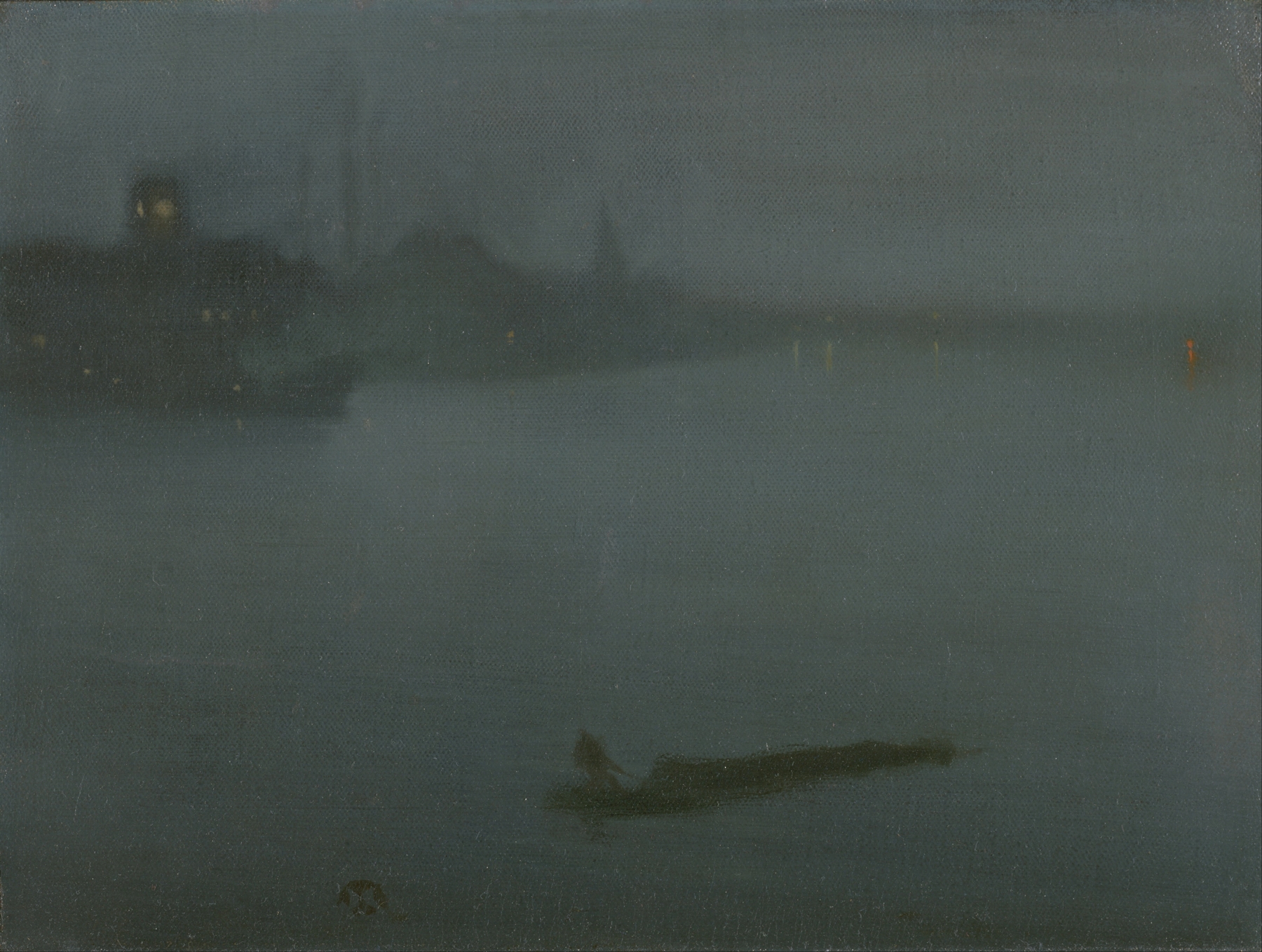
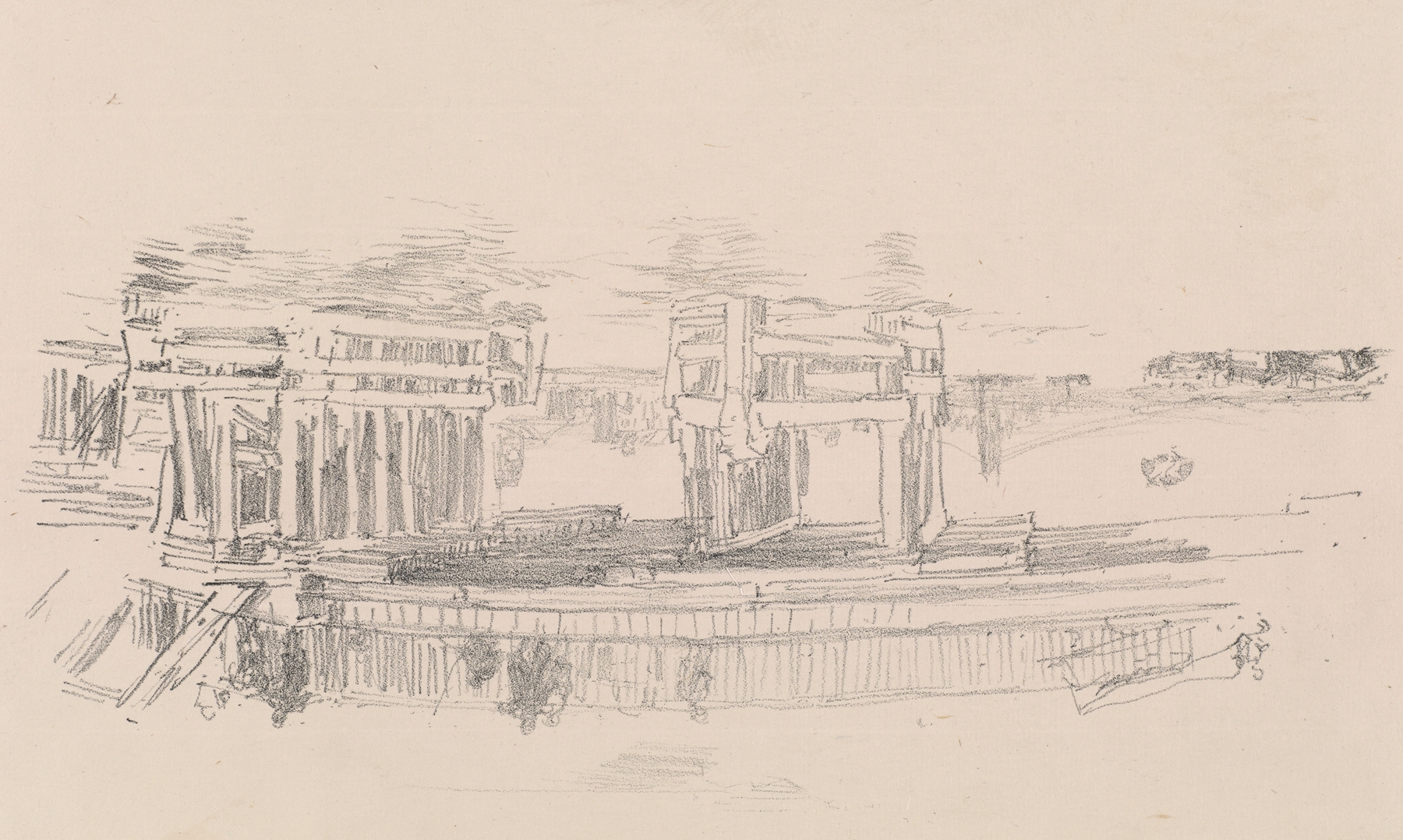
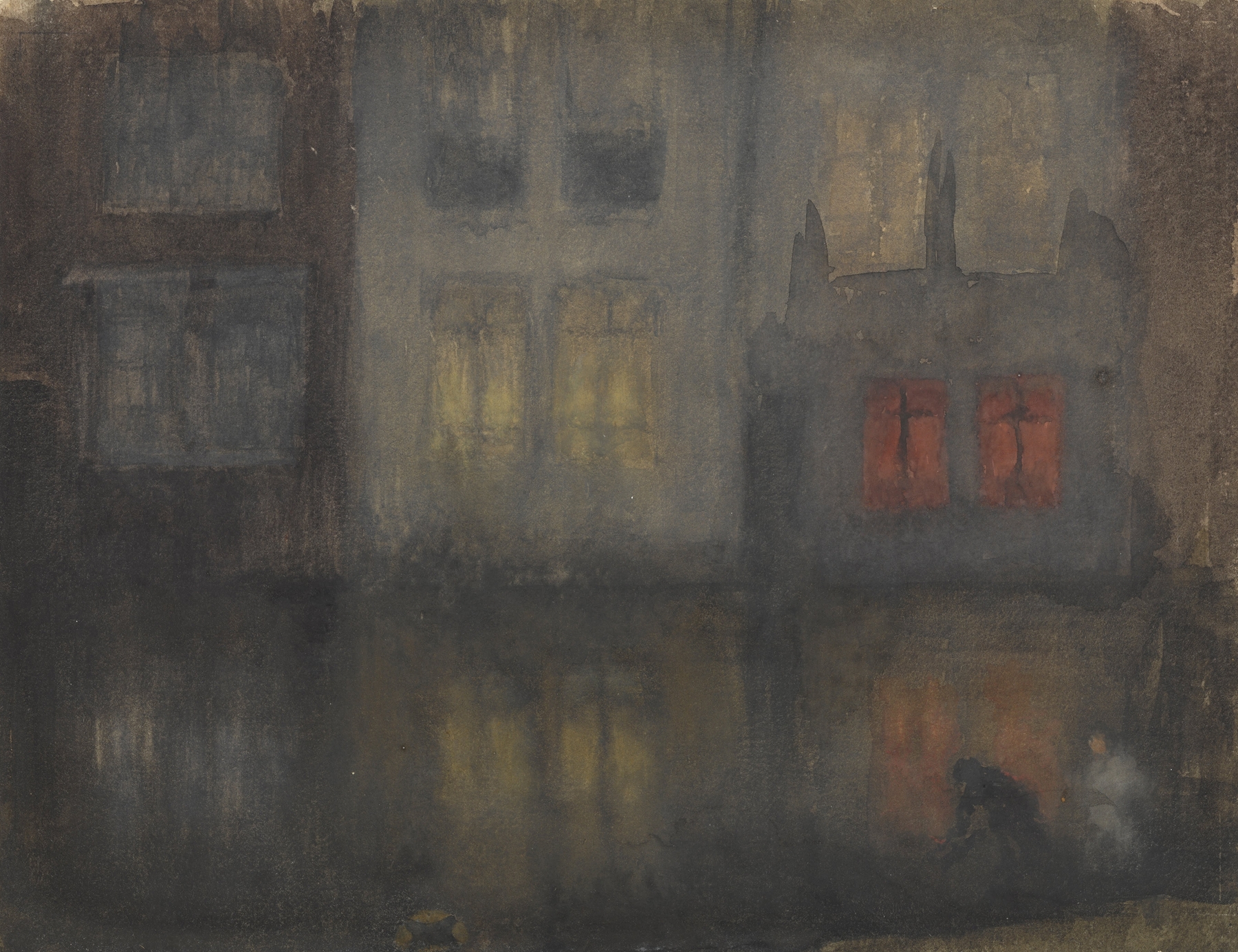
“The canvas doesn’t lie — it simply waits.” In the stillness of an evening along the canal, a lone gondola drifts silently, embodying the void that hums below the surface of the tranquil waters. The rich hues blend into a serene backdrop where the lines between reality and reflection blur, inviting the observer into a moment suspended in time. Look closely at the soft ripples of the water, where dark blues intermingle with hints of gold and silver. The boat, with its slight tilt, draws the eye to the figure within, cloaked in shadow yet brimming with subtle energy.
Notice how the light falls upon the scene, creating a delicate balance between the warmth of the setting sun and the coolness of the evening sky. Each brushstroke seems deliberate, capturing the essence of a fleeting moment, a simple journey across an untouched expanse. Yet, beyond its serene beauty, there lies an emotional weight. The figure in the boat represents solitude, a poignant reminder of the void that exists in personal experience, while the surrounding calmness hints at both acceptance and longing.
The interplay of light and shadow evokes a sense of introspection, suggesting that even amidst tranquility, deeper currents of emotion may lie hidden beneath the surface. In 1880, the artist found himself immersed in the vibrant art scene of Venice, drawing inspiration from its enchanting landscapes and rich cultural history. At this time, Whistler was experimenting with tonalism, seeking to express mood and atmosphere rather than mere representation. His pioneering approach to color and form marked a significant moment in his career, reflecting not only his personal exploration but also the evolving narrative of modern art.