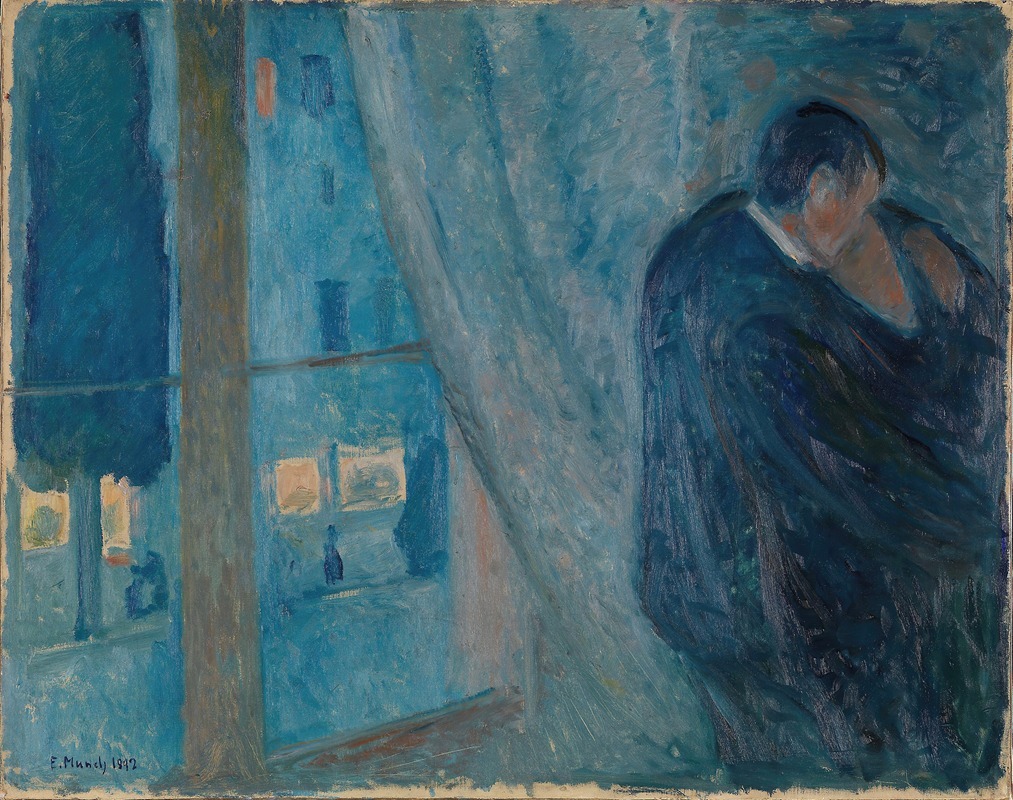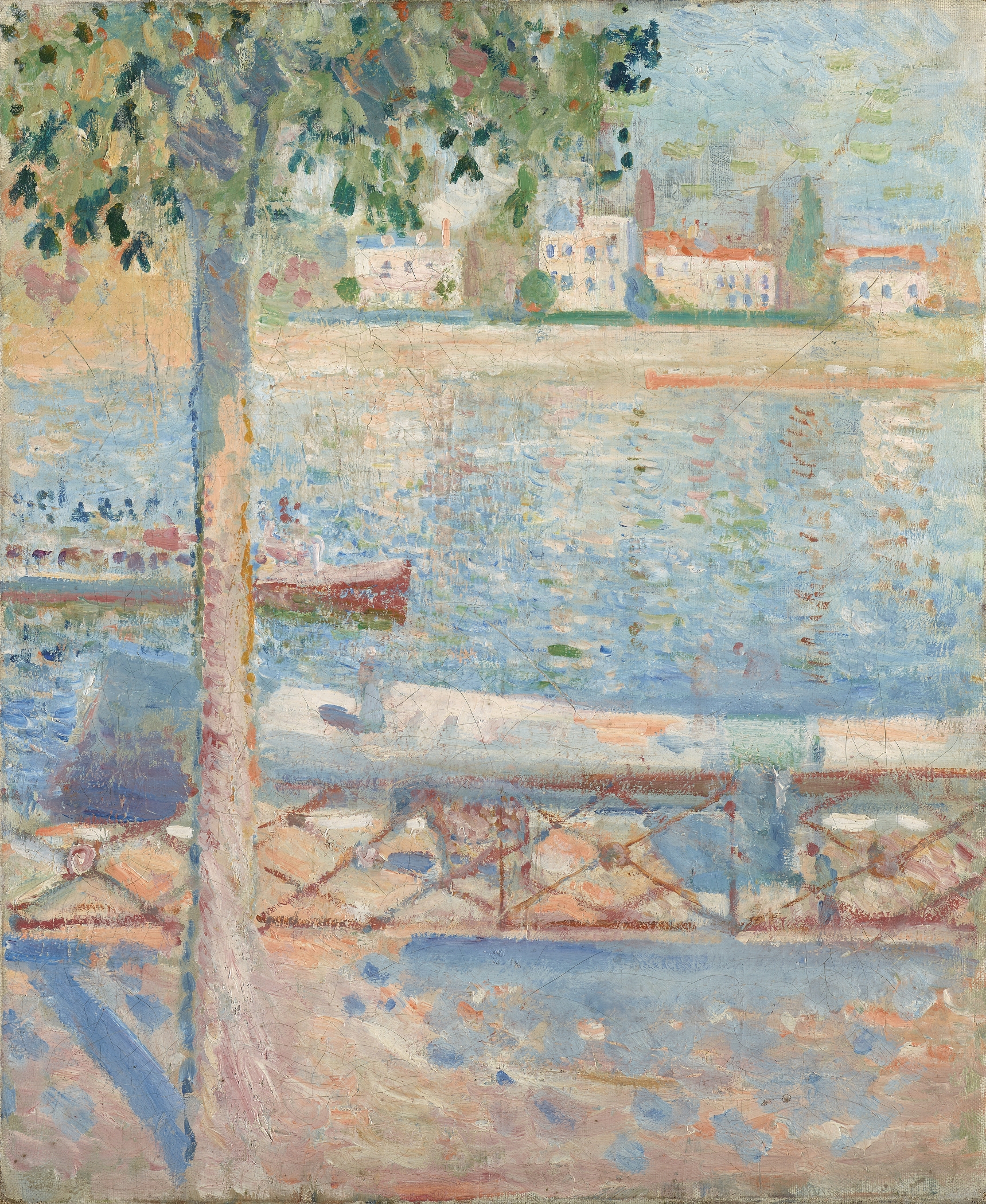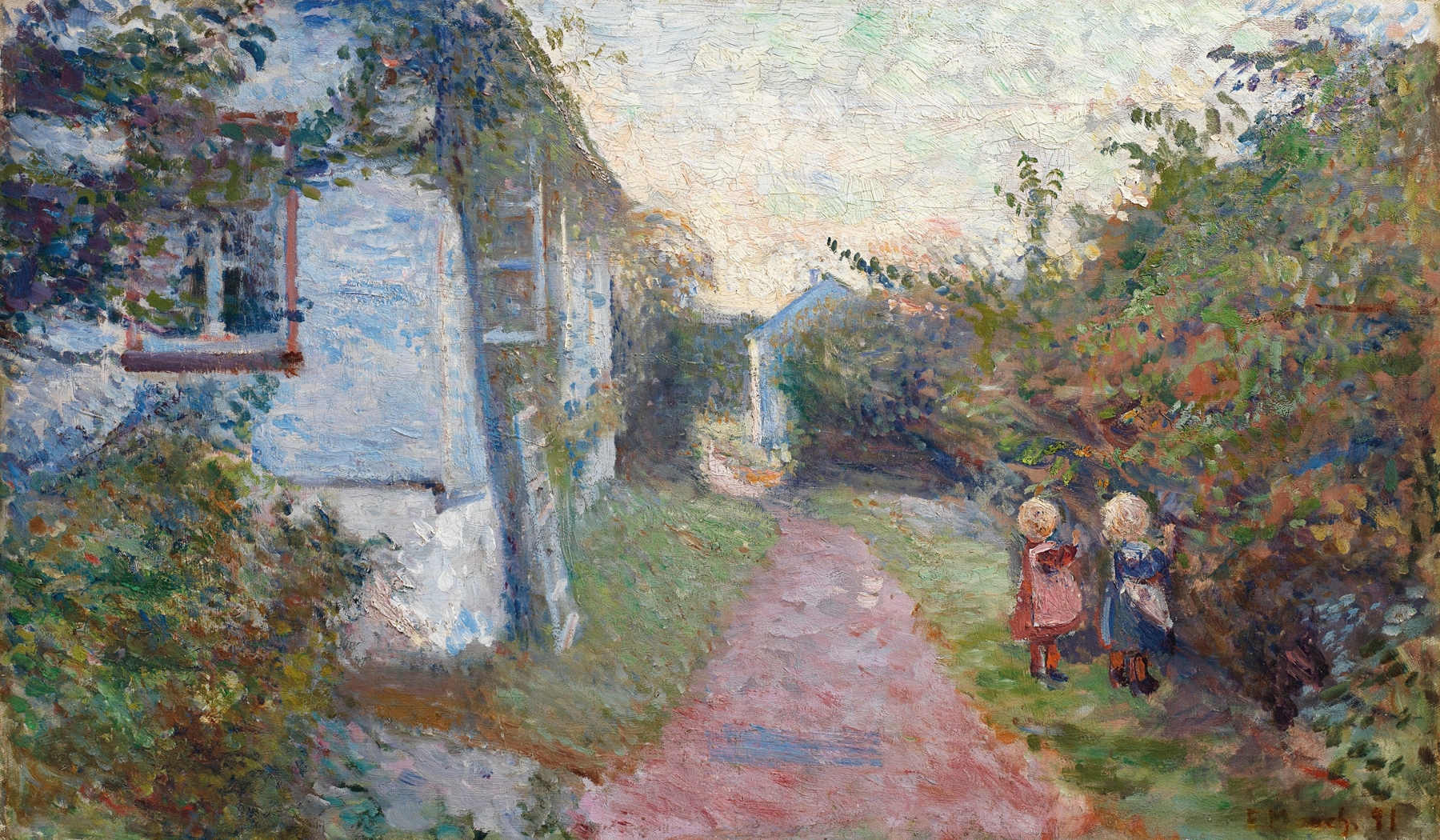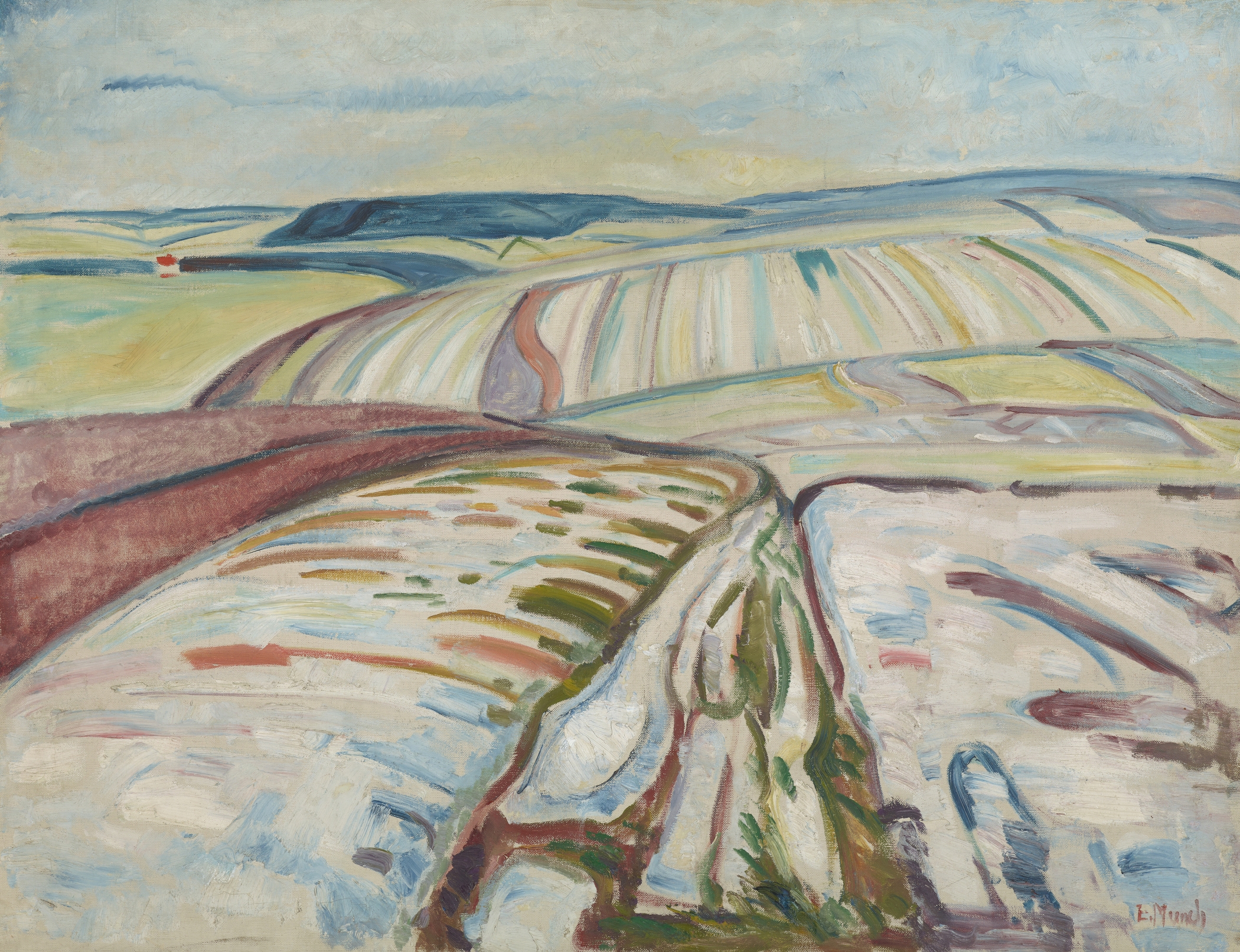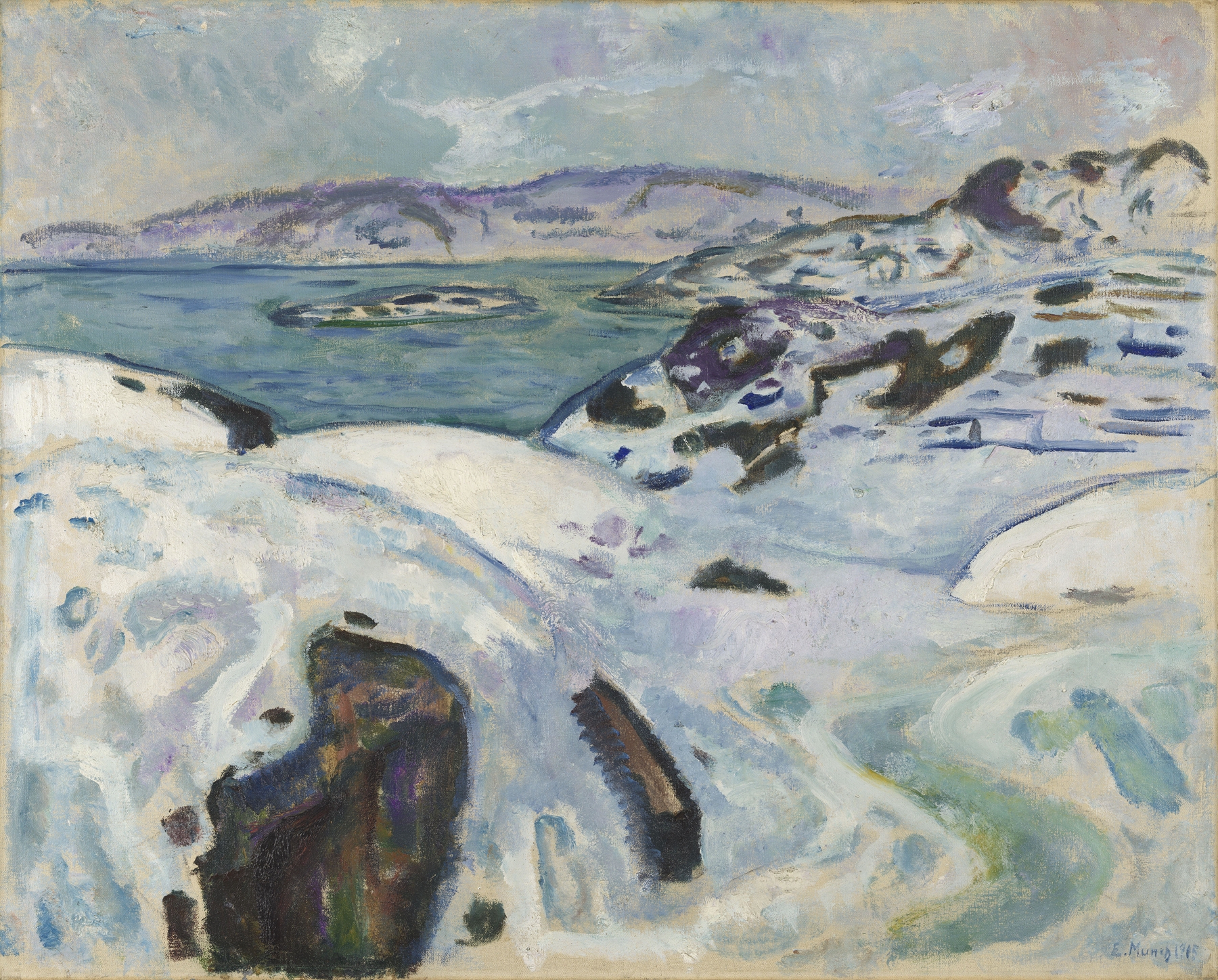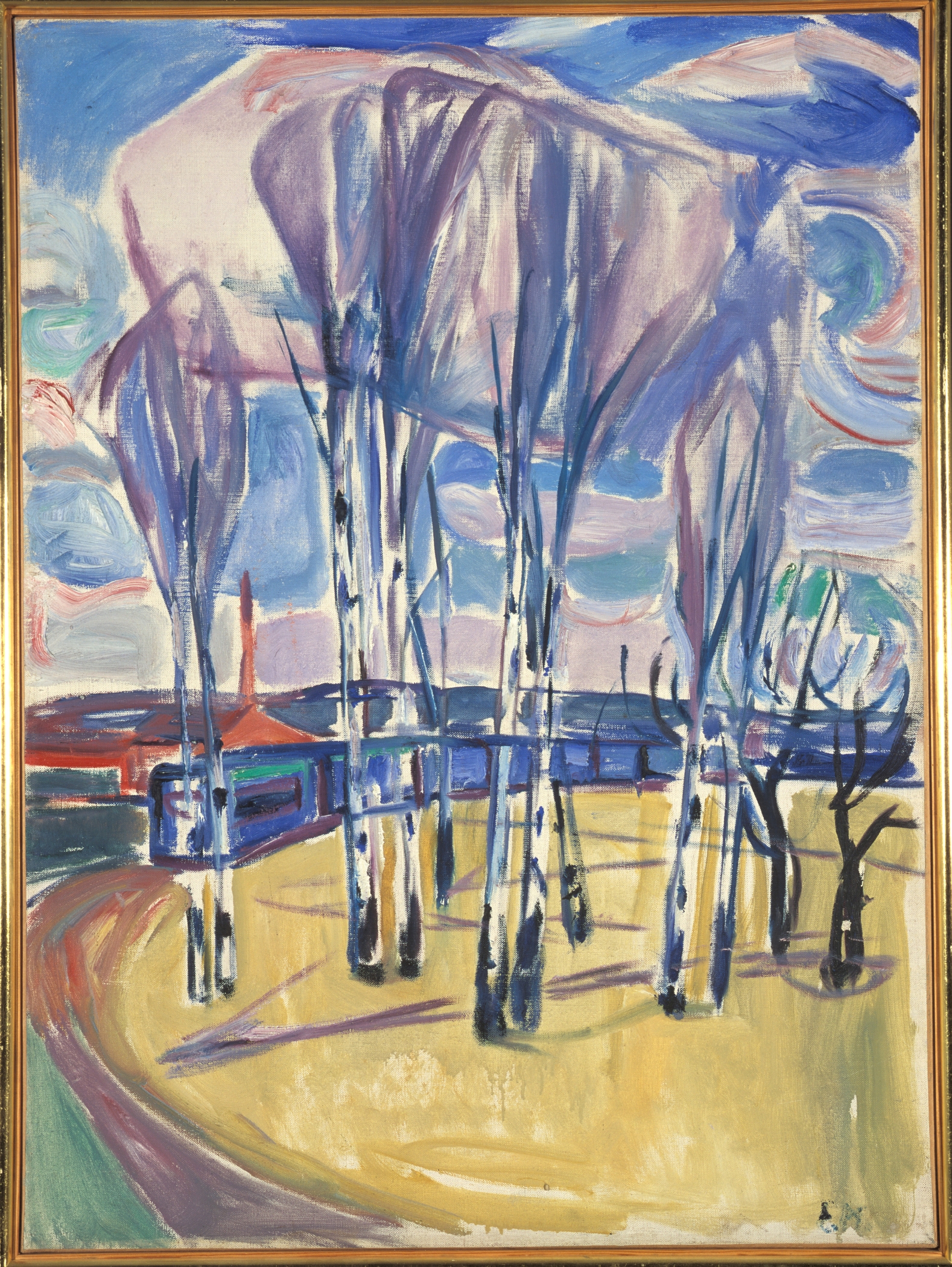
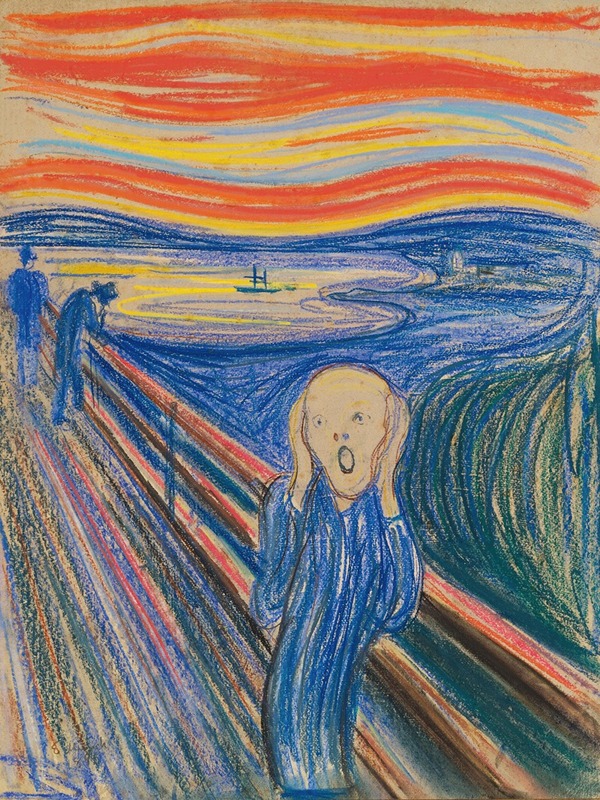
What if beauty was never meant to be finished? Edvard Munch's work invites us to ponder this haunting question, lingering in the silence that often surrounds our search for meaning in the ephemeral. Look to the left, where vibrant hues of green and blue swirl together, evoking the lush surroundings of Skøyen. Notice how the brushstrokes dance with energy, creating a sense of movement within the stillness of the scene. The tram, a stark yet fluid line, cuts through the tranquil landscape, suggesting both progress and a moment of pause—a fleeting interaction between man and nature. The soft play of light across the canvas bathes the setting in a gentle glow, intensifying the emotional resonance and hinting at a deeper connection to life’s transient beauty. Delve deeper, and you may discern a contrast between the vibrancy of life and the weight of solitude. The tram, while a symbol of connection and journey, also serves as a reminder of isolation within the bustling urban expanse. Shadows linger along the pathway, suggesting pathways not taken and moments unfulfilled. This intricate interplay of hope and melancholy invites reflection on our own experiences, urging us to acknowledge the beauty that remains, even in imperfection. Created in the late 1920s to early 1930s, this piece reflects Munch's ongoing exploration of human emotion and existence against the backdrop of a post-war Europe grappling with change and uncertainty. During this period, the artist was revisiting themes of connection, alienation, and beauty, crafting works that resonate with both personal and collective histories. His unique perspective continues to influence contemporary discussions on art's role in capturing the essence of human experience.