The Valley of Dolwyddelan — History & Analysis
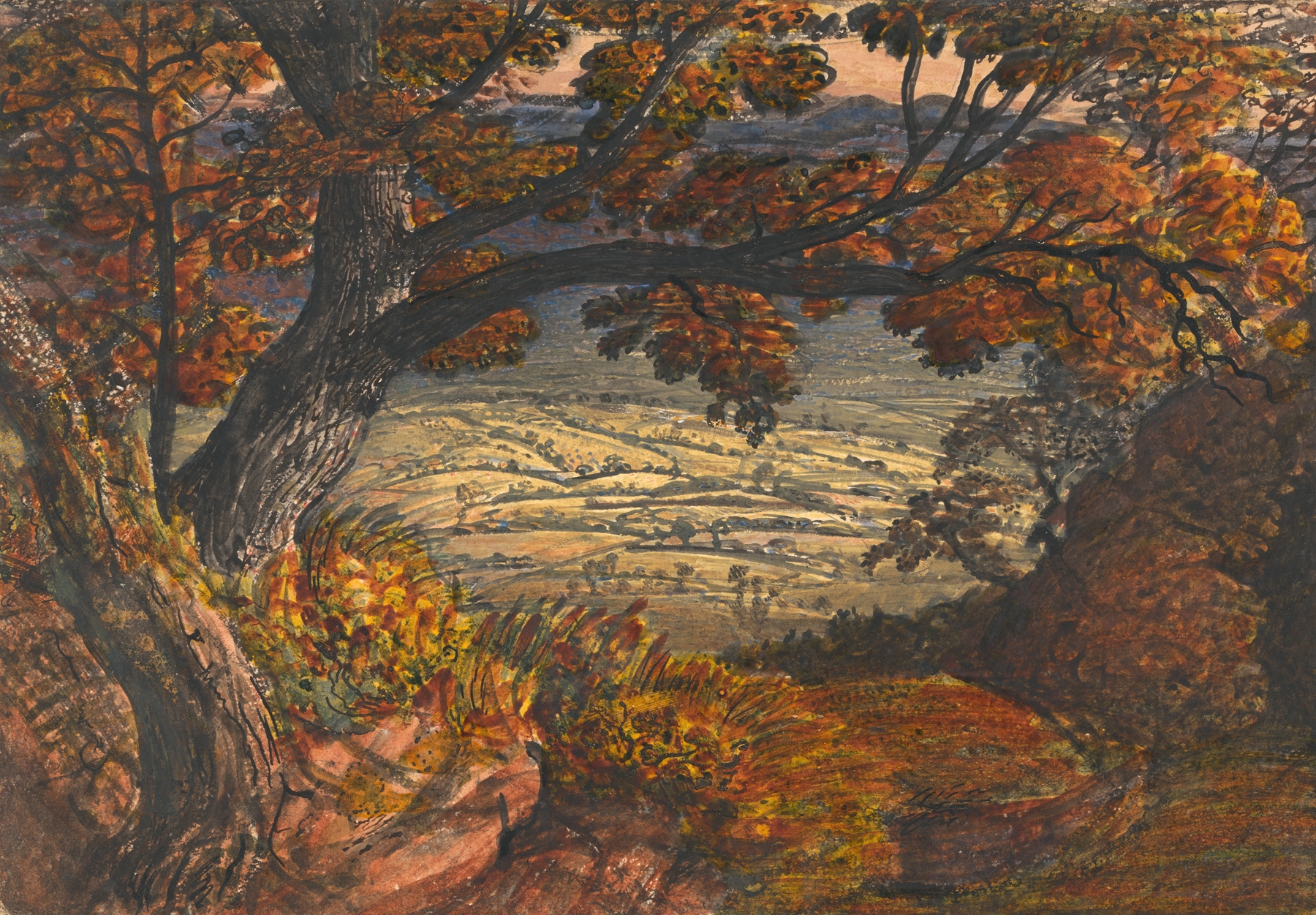
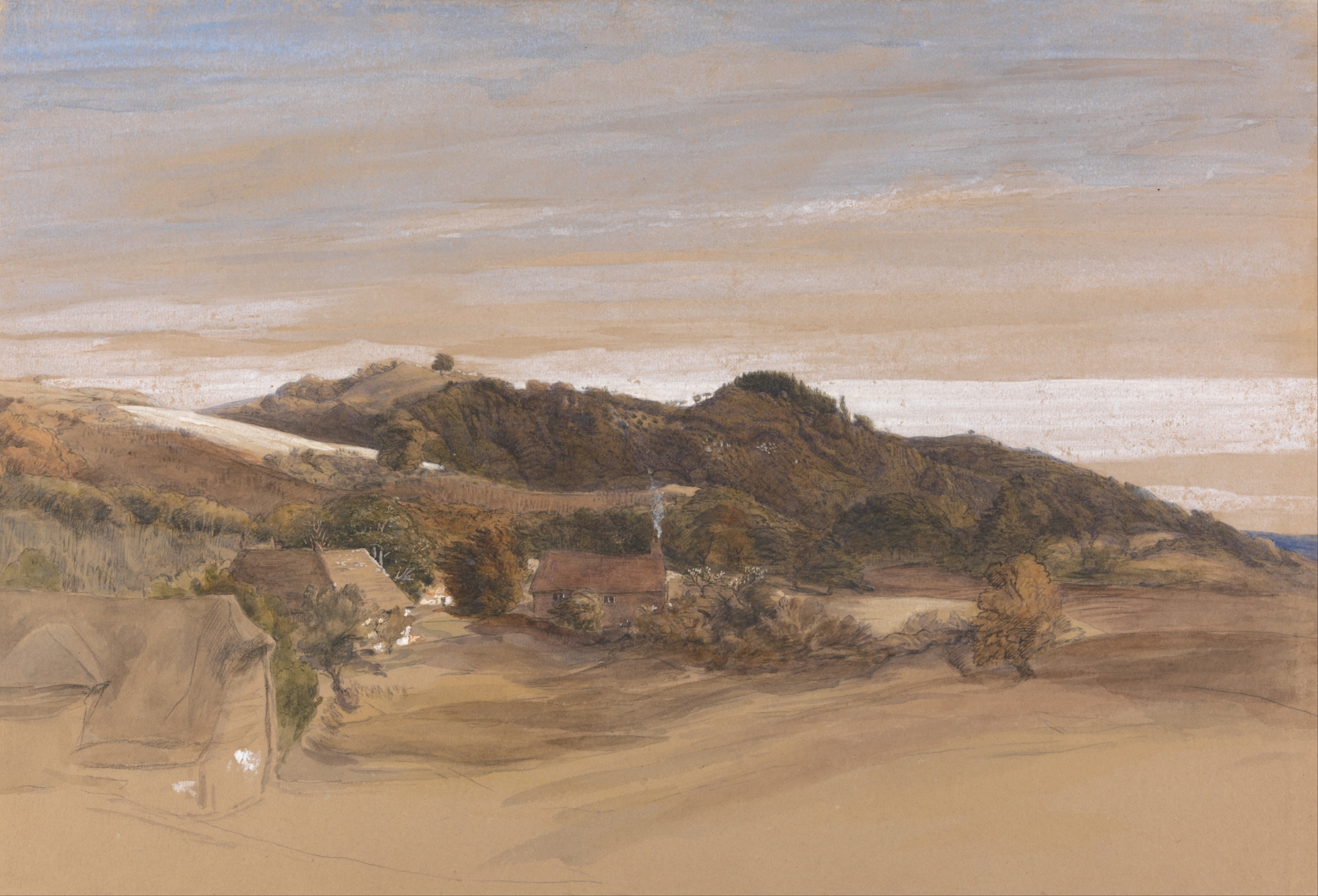
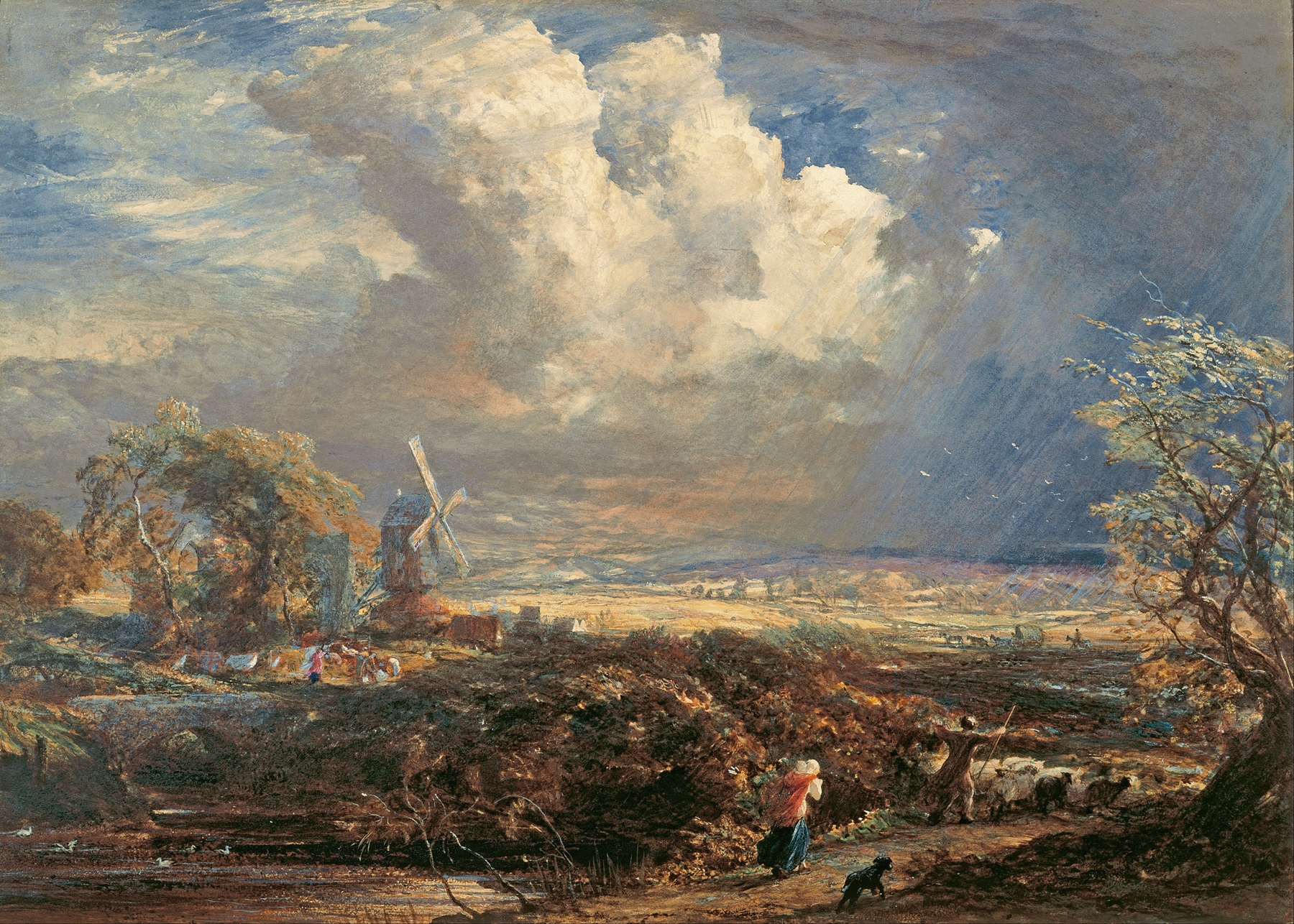
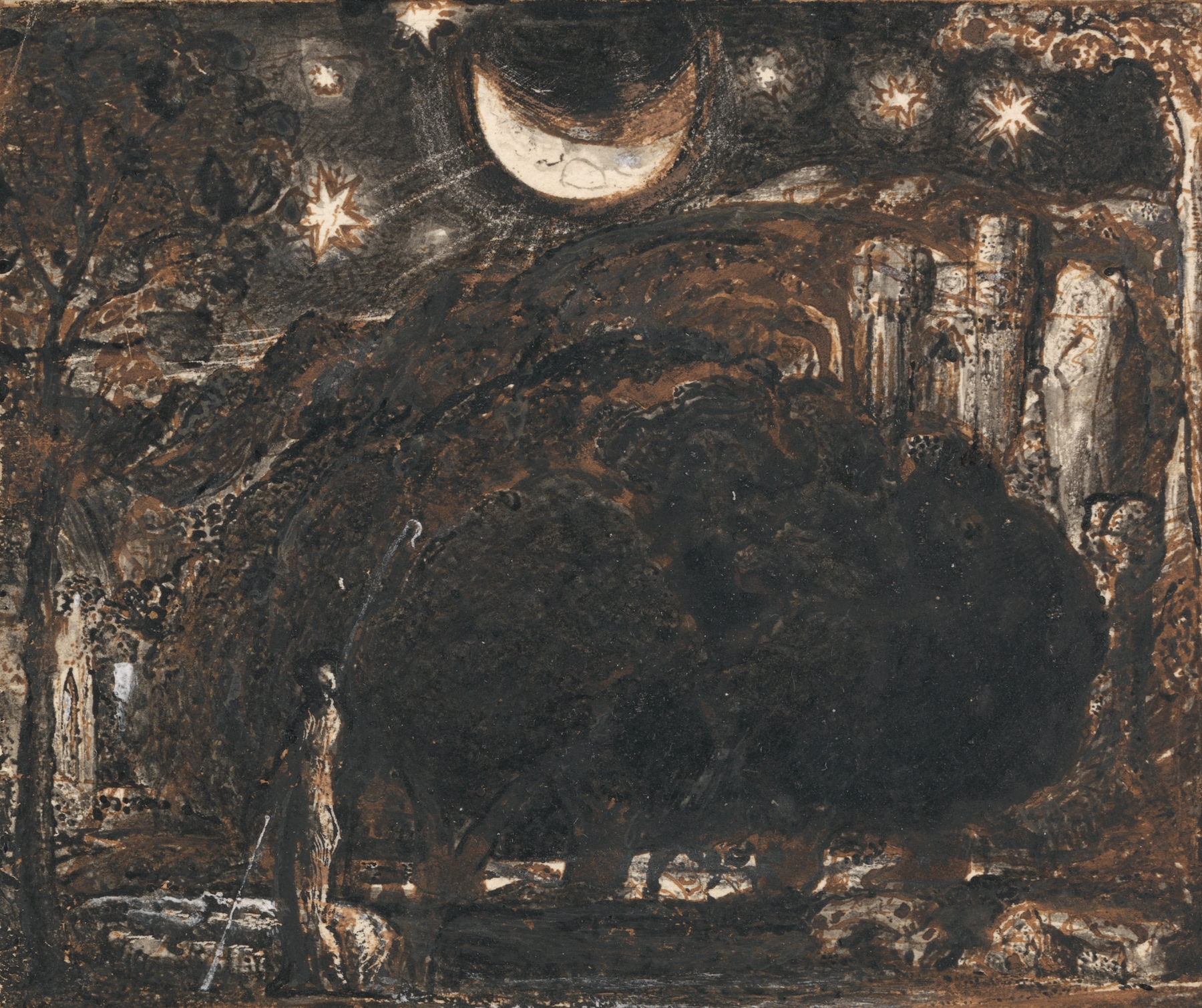
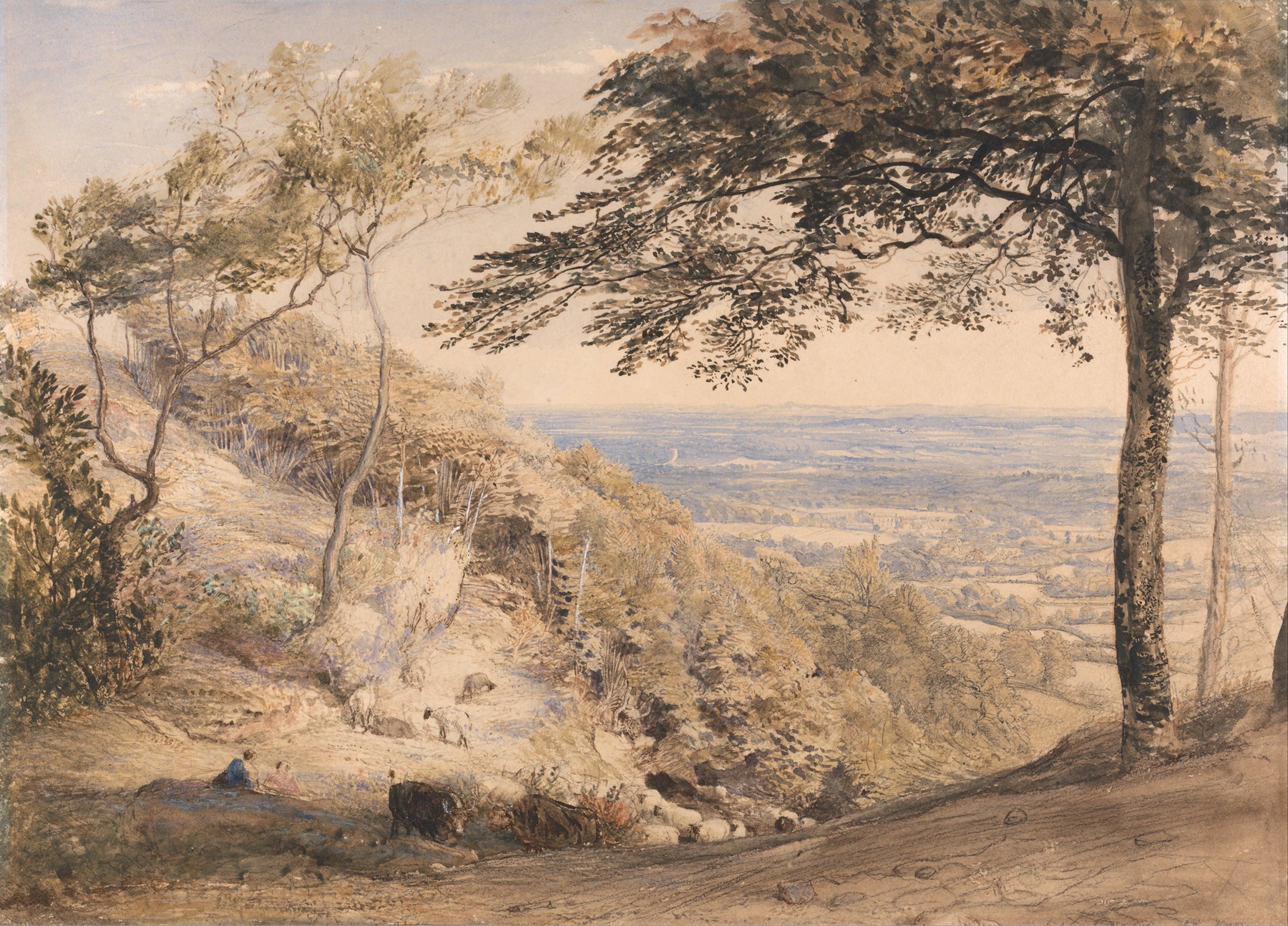
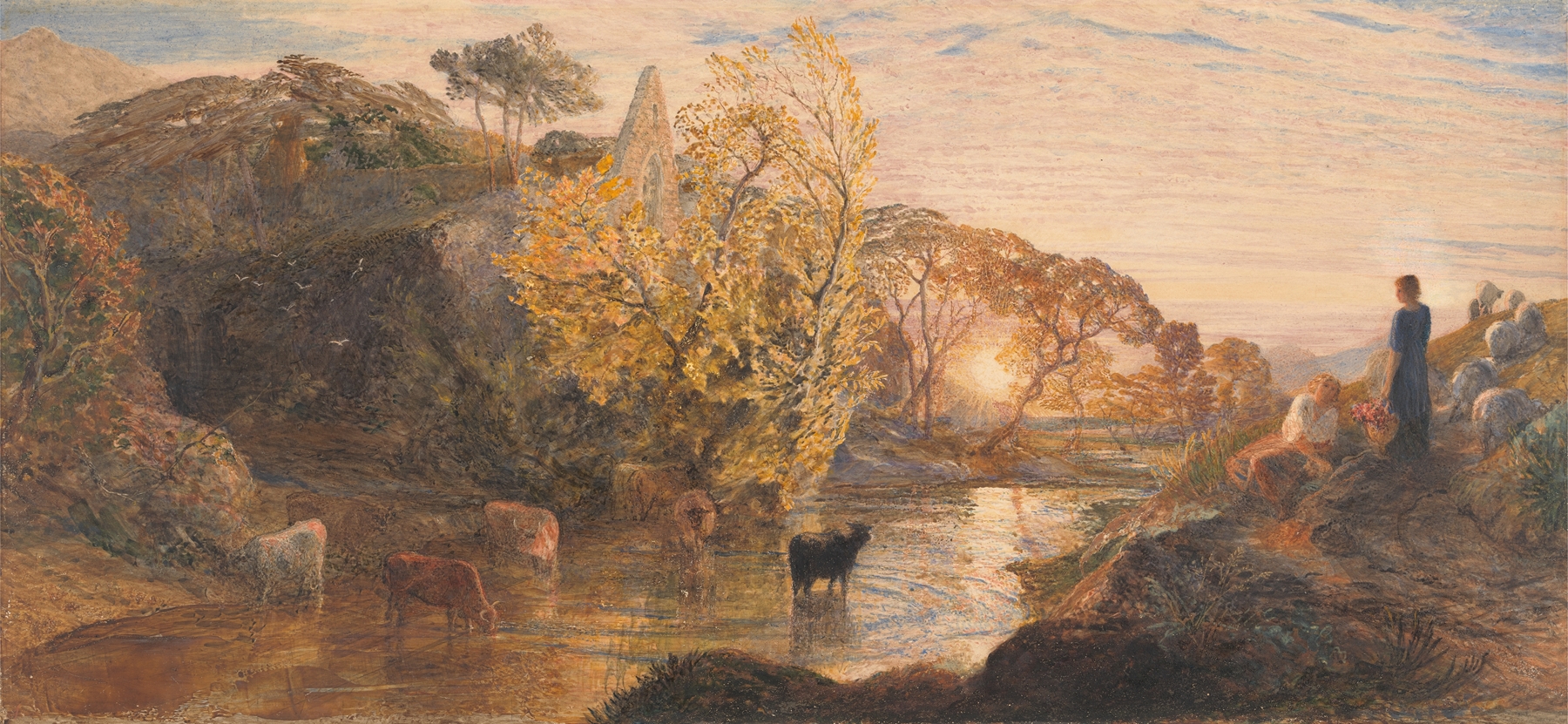
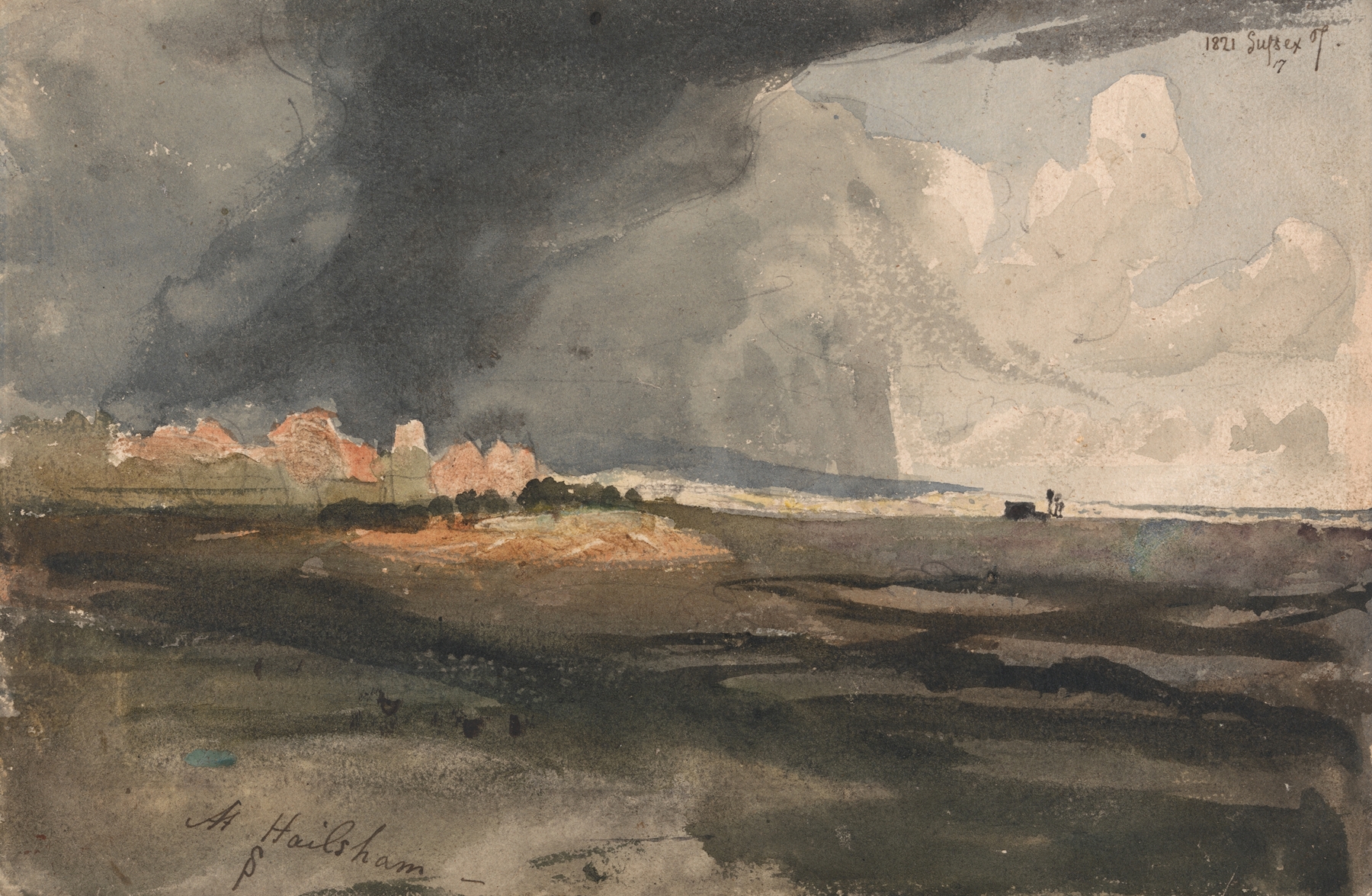
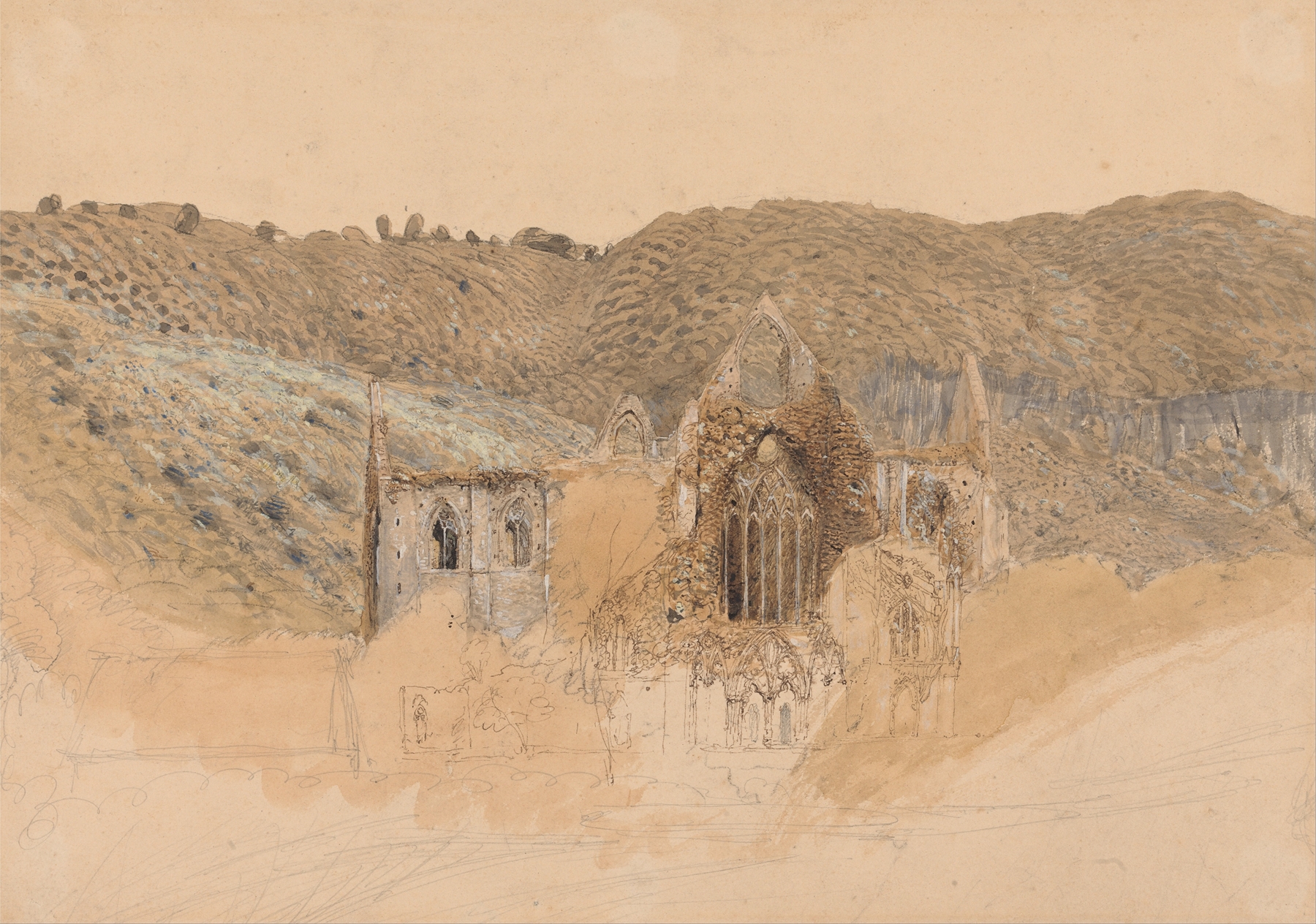
“To paint is to remember what time wants us to forget.” In the delicate embrace of twilight, the echoes of gentle hills beckon us to consider the fleeting nature of existence. As we gaze upon the landscape, we find ourselves suspended between reverie and reality, caught in a moment that whispers of mortality and remembrance. Focus on the soft greens and deep browns of the valley, where the undulating hills cradle the small village nestled within. Notice how the warm, golden light of dusk bathes the scene, casting long shadows that stretch like fingers across the canvas. The brushwork is fluid yet deliberate, inviting the viewer to explore the textures of the foliage and the quietude of the buildings.
Each stroke seems to pulse with life while reminding us of what lies beyond — the inevitable passage of time. Palmer's use of light not only enhances the beauty of the scene but also evokes a sense of solitude and introspection. The contrast between the illuminated valleys and the encroaching darkness serves as a metaphor for life's ephemeral quality. Hidden within the rolling hills are symbols of vulnerability, suggesting that while nature endures, human existence remains fragile and fleeting.
The painted landscape becomes a quiet meditation on memory, loss, and the tenderness of life itself. During the late 1820s, Palmer was immersed in the Romantic movement, creating works that celebrated the pastoral beauty of the English countryside. At this time, he was deeply influenced by nature’s spiritual qualities, seeking to capture its essence in a way that spoke to the soul's longing for connection. The tranquility of the landscape reflected not only his own yearning for peace but also the broader cultural transition towards appreciating the beauty of the natural world amid the rapid industrialization of the age.