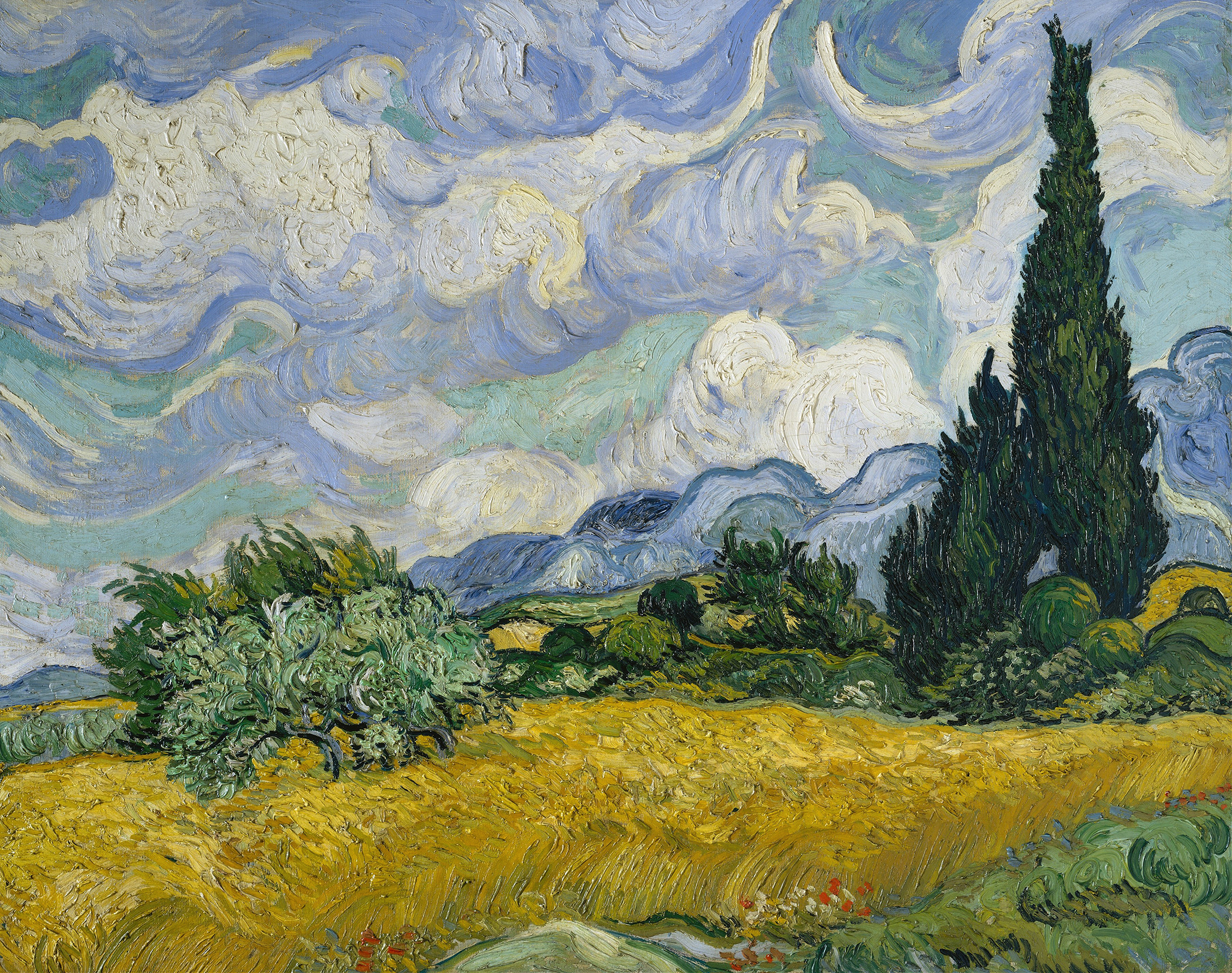
The vicarage at Nuenen — History & Analysis
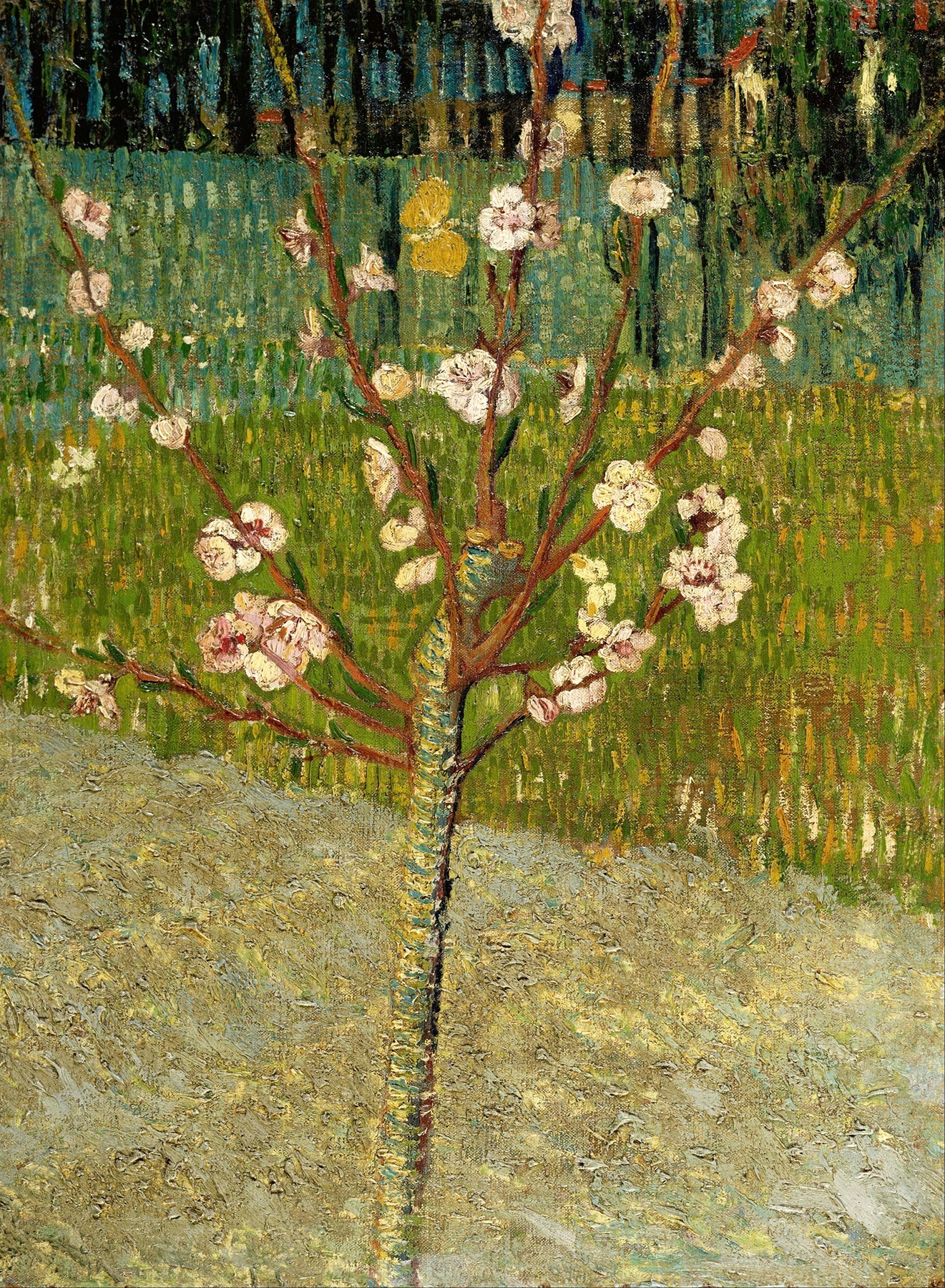
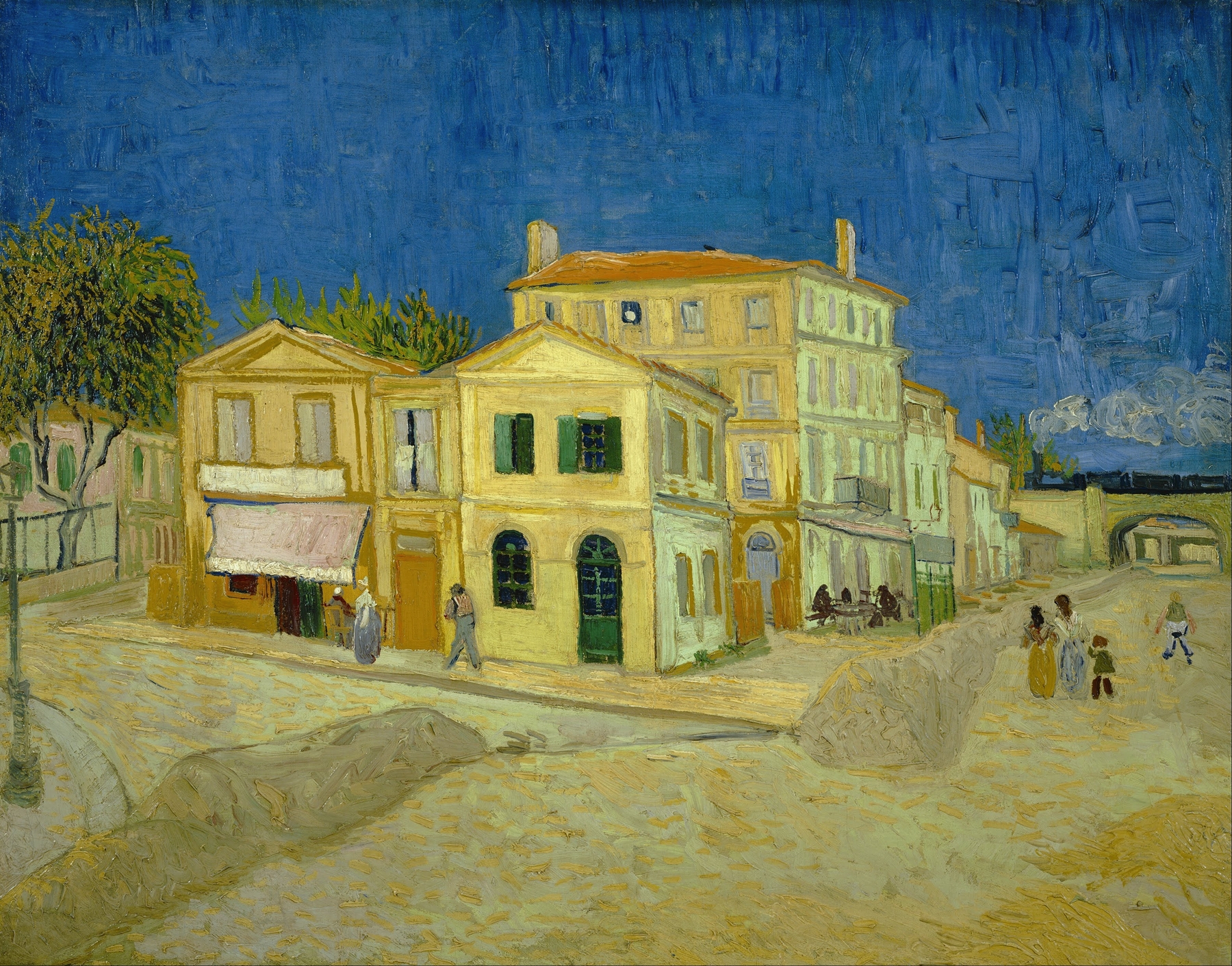
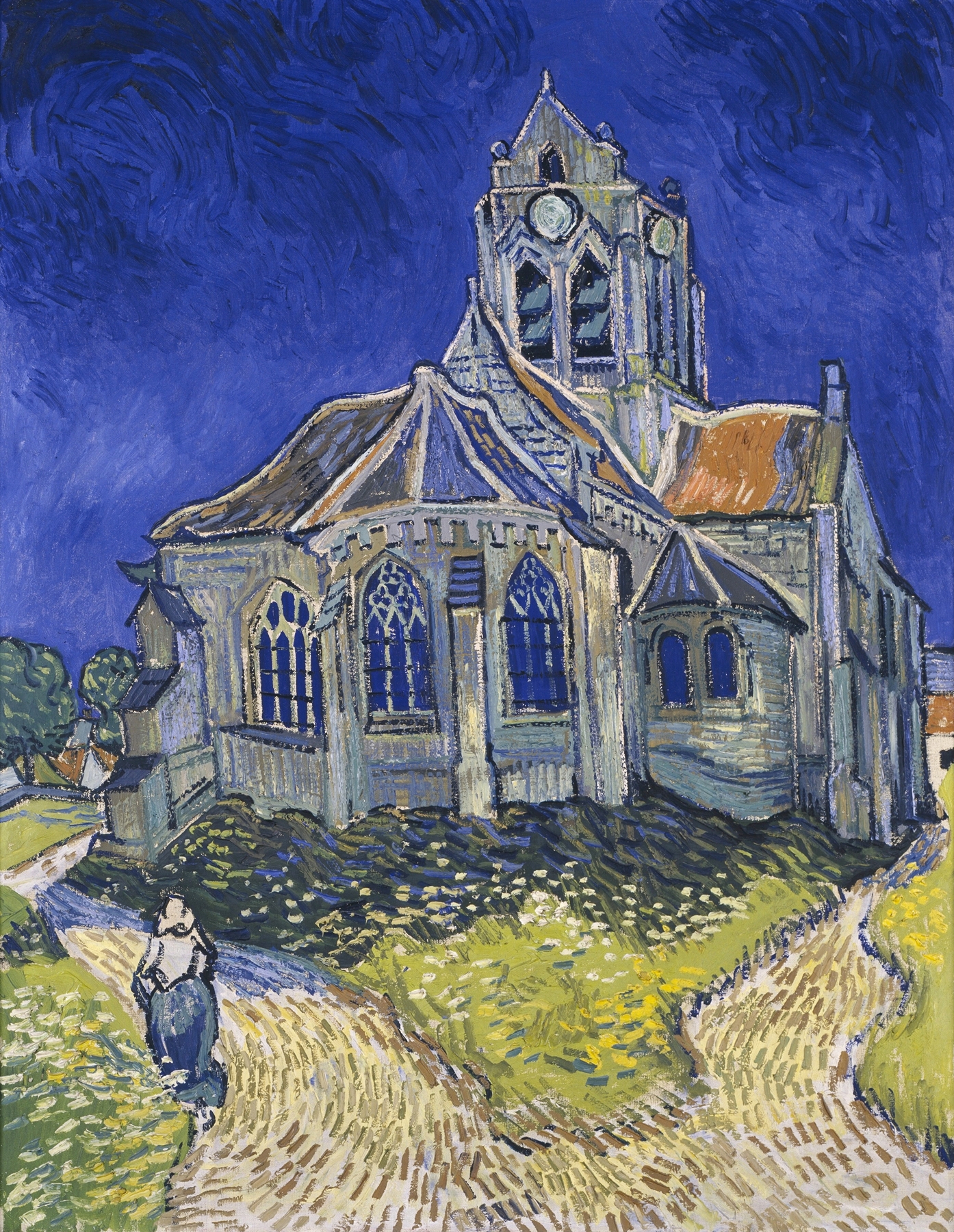
Is this a mirror — or a memory? The vibrant colors of a quiet vicarage evoke the essence of nostalgia, as echoing whispers of the past seep into the present. Look to the bottom left at the rich, earthy browns and deep greens that anchor the scene, grounding the vicarage in its rural surroundings. Notice how the light spills softly onto the foreground, illuminating patches of grass and hinting at the life that once thrived here.
The brushstrokes, thick and expressive, guide your eye up to the weathered building, where each layer of paint captures the texture of stone and wood, inviting both admiration and reflection. Delve deeper into the juxtaposition between the structured lines of the vicarage and the wildness of nature that encircles it. The contrast in colors—warm ochres and serene blues—mirrors the duality of human experience: the search for sanctuary amidst the chaos of life. Shadows linger, suggesting stories untold, while bursts of light lend a fleeting hope, emphasizing the fleeting nature of memory and the passage of time.
In 1885, the artist was living in Nuenen, grappling with his evolving identity and the social issues of the era. This period was marked by his deep engagement with the challenges of working-class life, shaping his focus on everyday subjects. As he painted this vicarage, he was simultaneously finding his voice and refining his technique, laying the groundwork for the vibrant, emotive works that would follow.