The Wave — History & Analysis
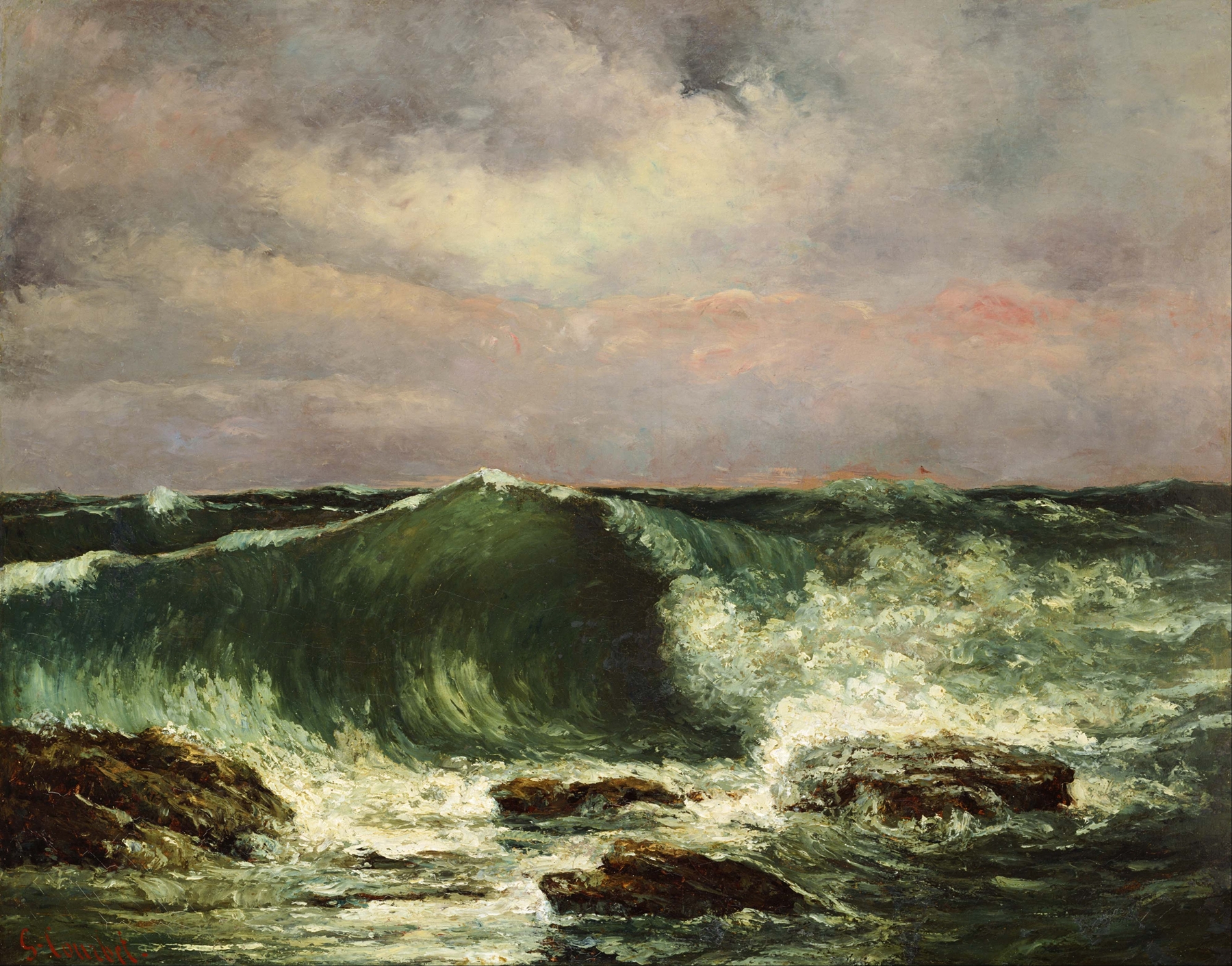
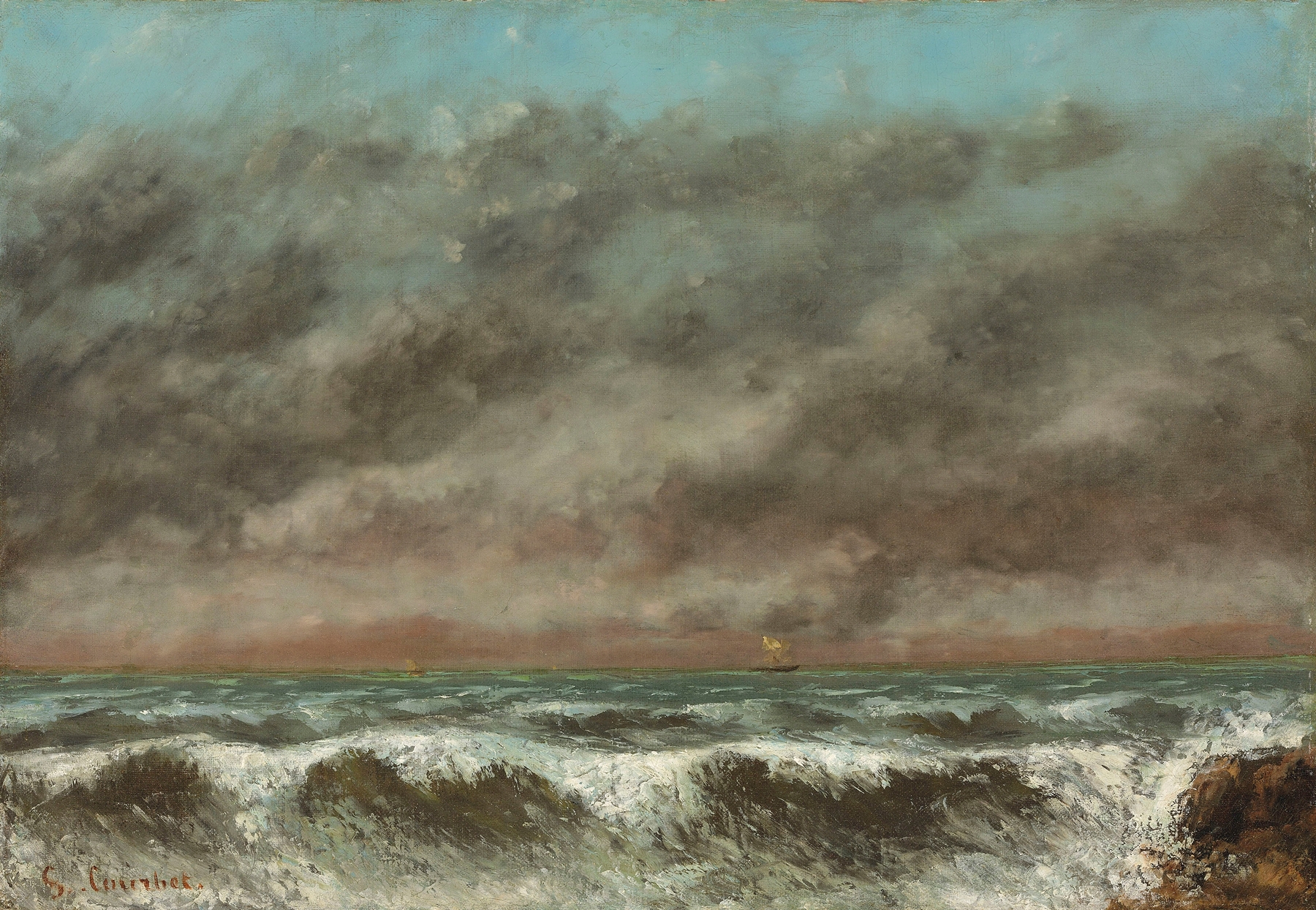
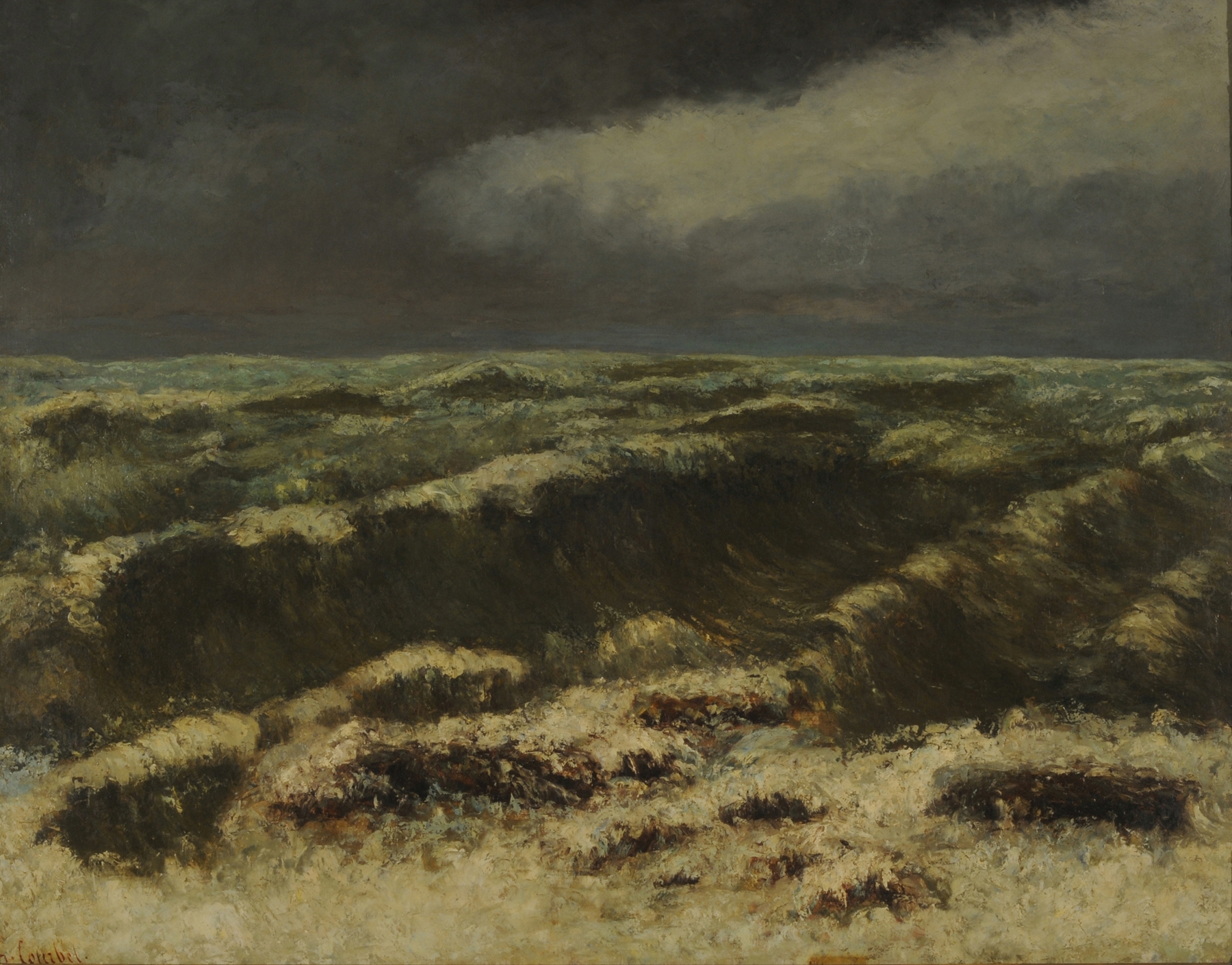
When did color learn to lie? In The Wave, the tumultuous ocean unfurls in a magnificent display, where shadows dance upon the crests of the crashing waves, concealing secrets beneath their sparkling surface. The viewer is drawn into a moment of raw, untamed nature, evoking the powerful dichotomy between beauty and danger that the sea embodies. Look closely at the frothy white tips of the waves, swirling together with deep, inky blues and greens. Courbet’s masterful brushwork captures the dynamic energy of the water, the shadows accentuating the swell and depth, inviting the eye to explore the layers of turbulence beneath.
The light breaks through the clouds above, illuminating the scene with a celestial glow, while the contrasting hues give dimension to the chaos, creating a landscape that is both captivating and foreboding. Yet beneath this surface of allure lies a deeper commentary on the nature of existence. The shadows represent the unseen and the unknown, suggesting that what is visible often masks greater truths. The waves, while magnificent, also symbolize the relentless and unpredictable force of nature, challenging the viewer to confront their own emotions in response to the sublime.
Courbet’s choice to depict the ocean's chaos captures the turmoil of the human spirit when faced with life's unpredictable tides. In 1869, Courbet painted The Wave during a period marked by a shift toward realism in art, as he sought to break away from idealized depictions of nature. Living in France, the artist was deeply influenced by the changing social landscape and the rise of the modern world. His commitment to portraying nature with authenticity reflected his revolutionary ideals, as he sought to elevate the ordinary and embrace the raw power of the natural world.