The Wave — History & Analysis
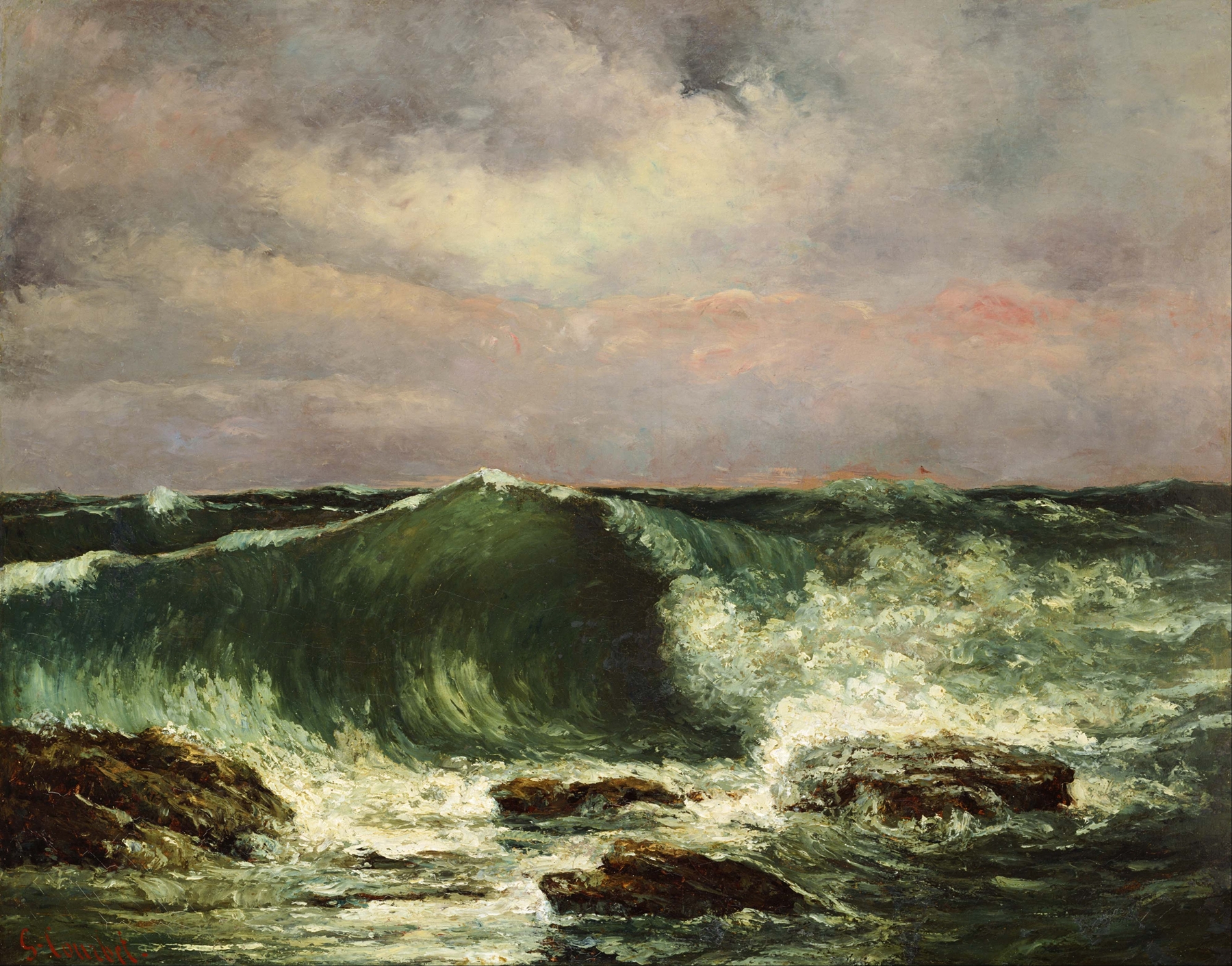
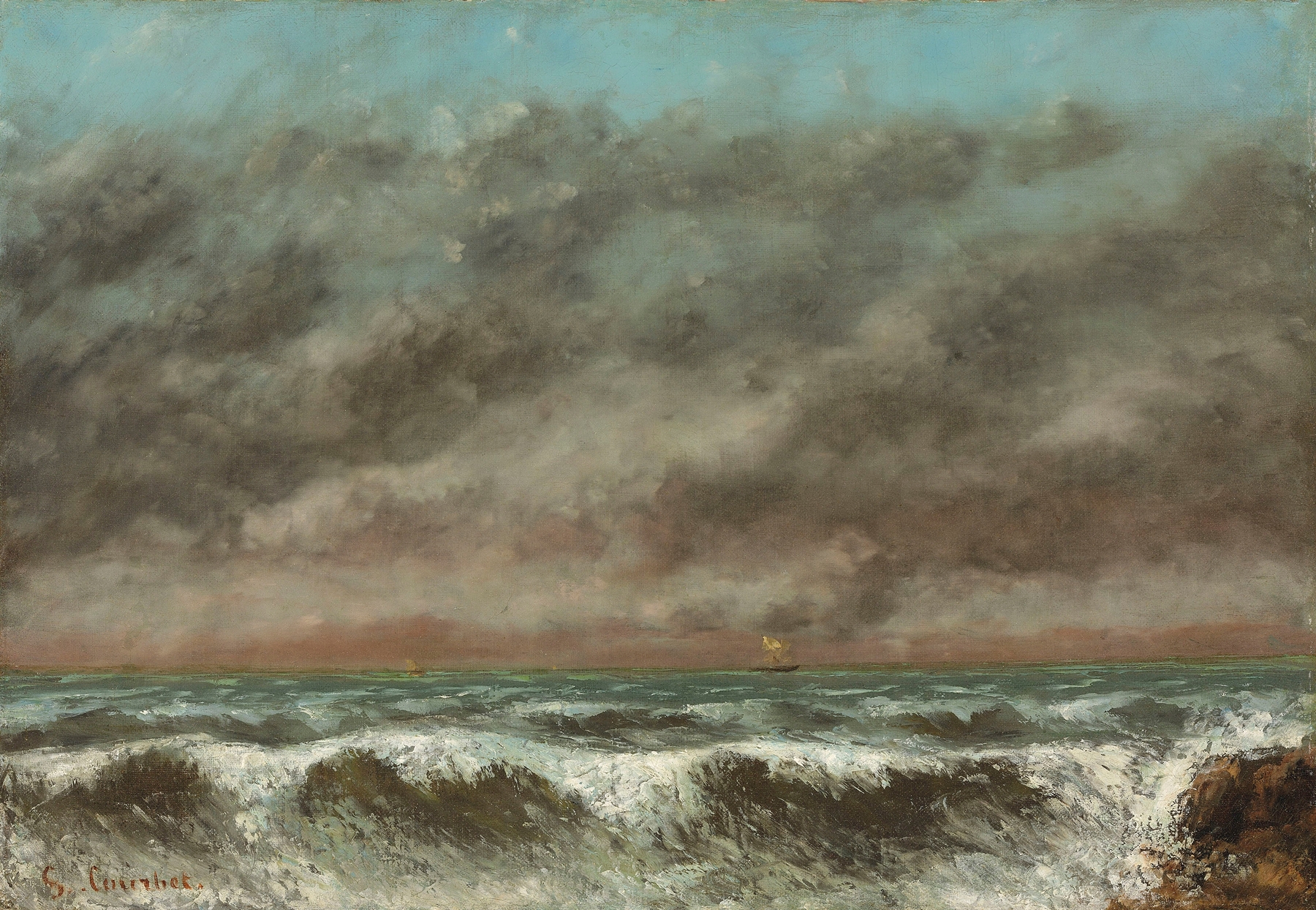
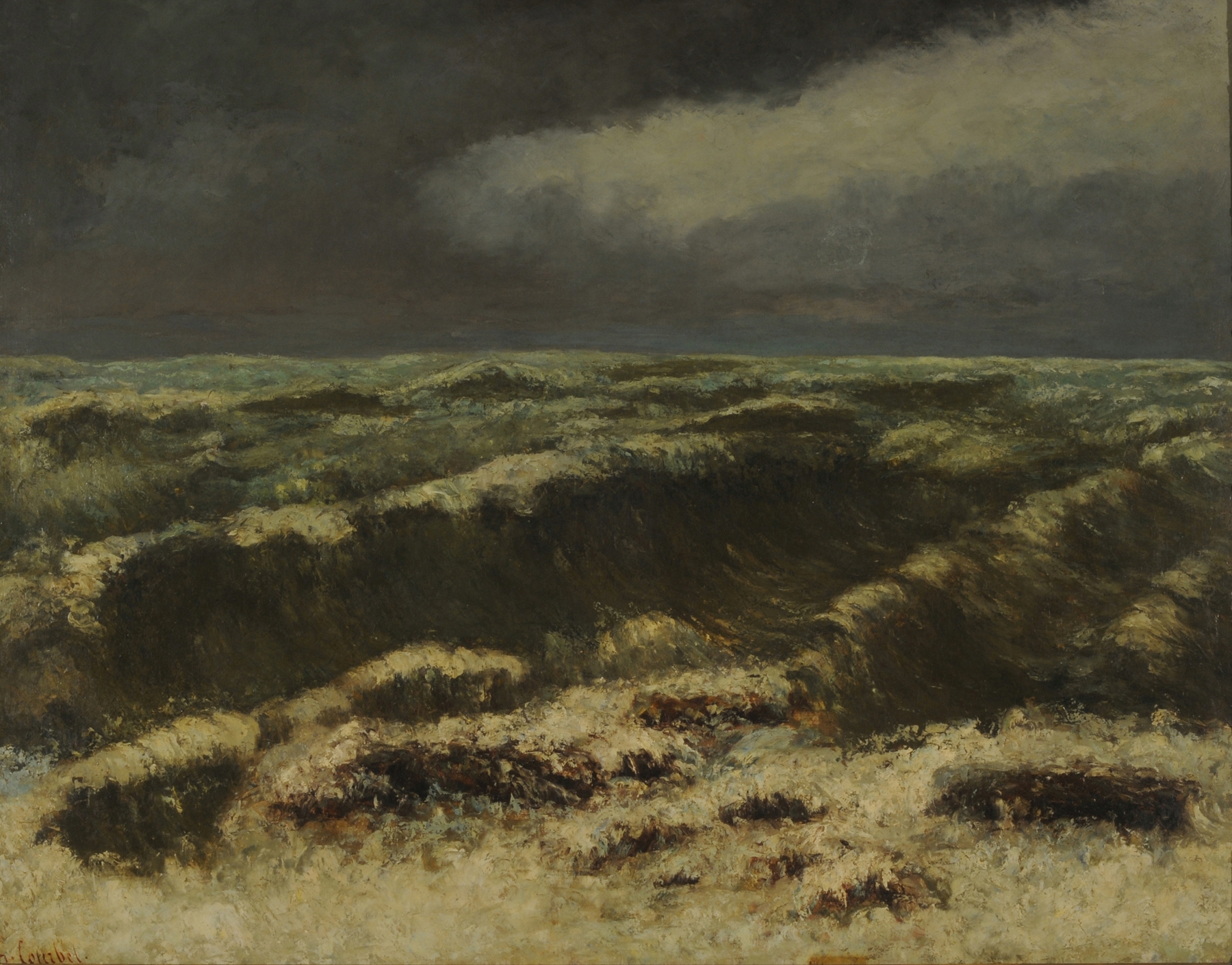
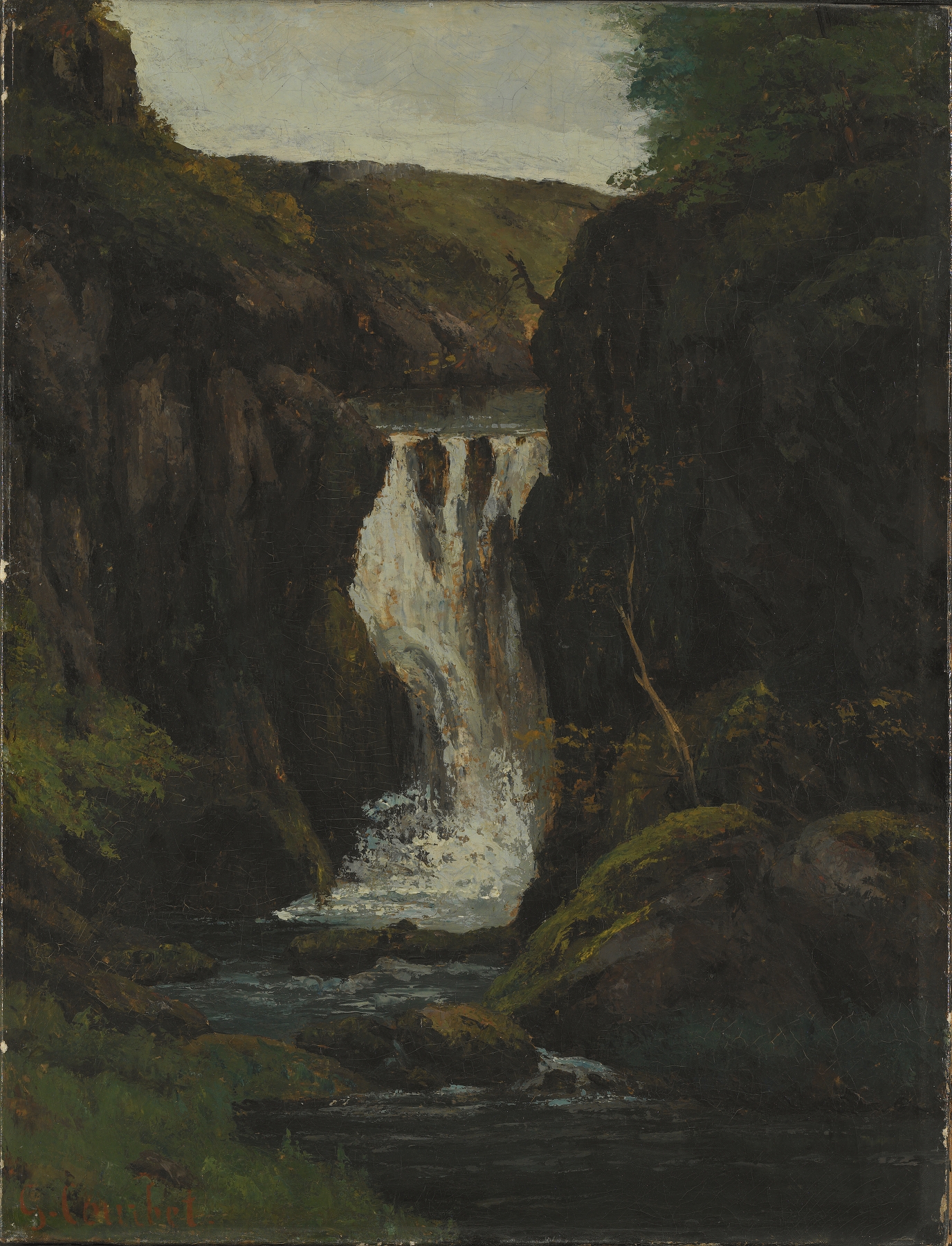
What if beauty was never meant to be finished? In the undulating forms of crashing waves, The Wave invites us to ponder the transient nature of existence, echoing with an undercurrent of loneliness that pervades the scene. Look to the tumultuous crest of the wave, where white froth spirals and disperses, illustrating the raw power of nature. The swirling shades of deep blue and green create a mesmerizing contrast that draws the eye toward the churning water, evoking both awe and a sense of isolation.
Notice how the light catches the wave's surface at the peak, revealing nuances of texture that suggest both fragility and strength, while the horizon fades into obscurity, a reminder of our own solitude against the vastness of the world. The dynamic movement of the water symbolizes the struggle between beauty and impermanence. Hidden within the forceful crashes of the wave lies a poignant stillness, as if it yearns for connection in its solitary existence. This tension between chaos and calm reflects not only the artist's emotional landscape but also speaks to the universal human experience of seeking beauty amid loneliness.
During the late 1860s, Gustave Courbet painted this masterpiece while firmly establishing his role as a leader of the Realist movement in France. This period was marked by a rejection of romantic ideals, as artists sought to depict the world as it truly was. Courbet's focus on the raw, untamed beauty of nature was both revolutionary and personal, reflecting his own introspective struggles during a time of great artistic upheaval.