The Whaleship Emma C. Jones off Round Hills, New Bedford — History & Analysis
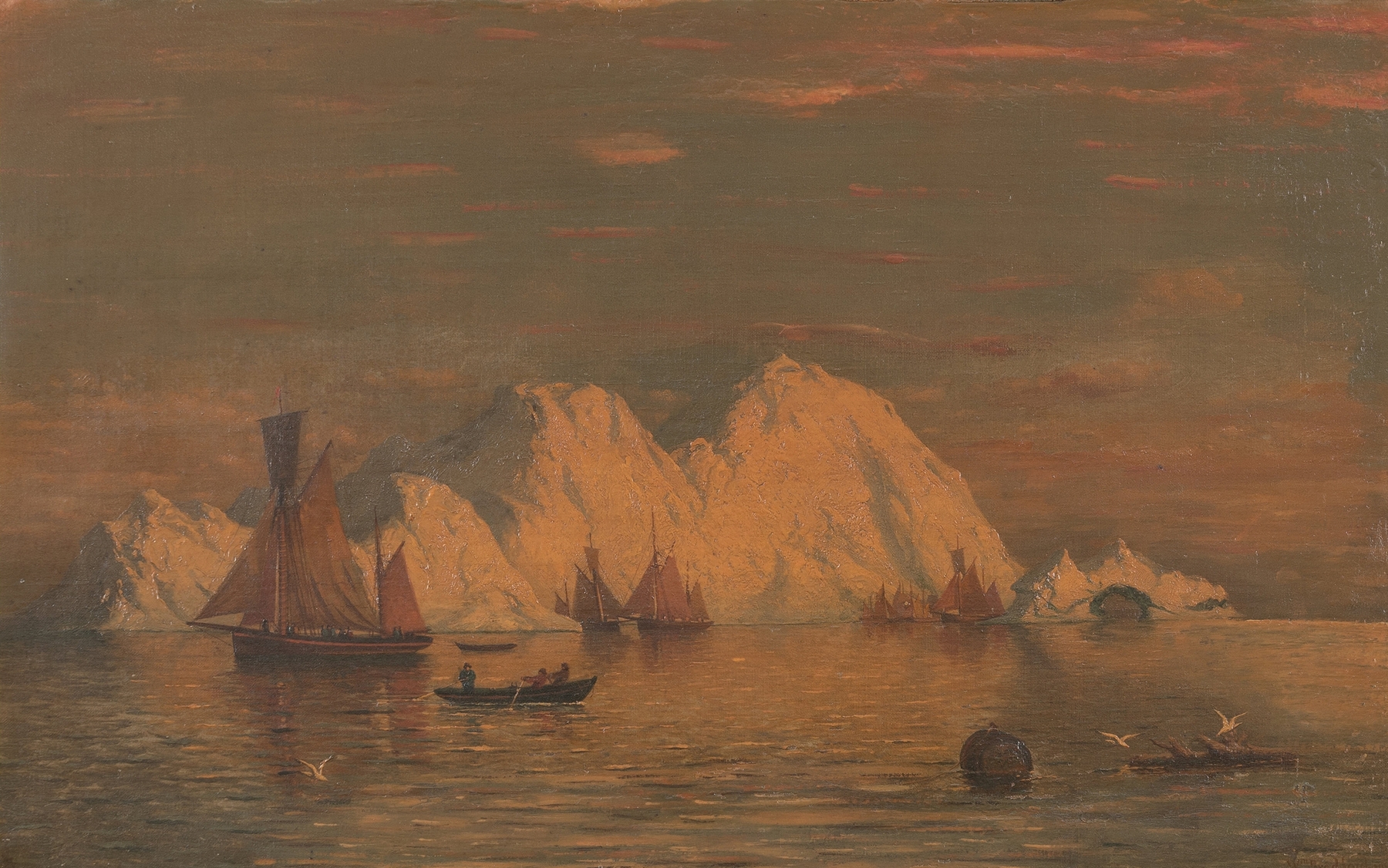
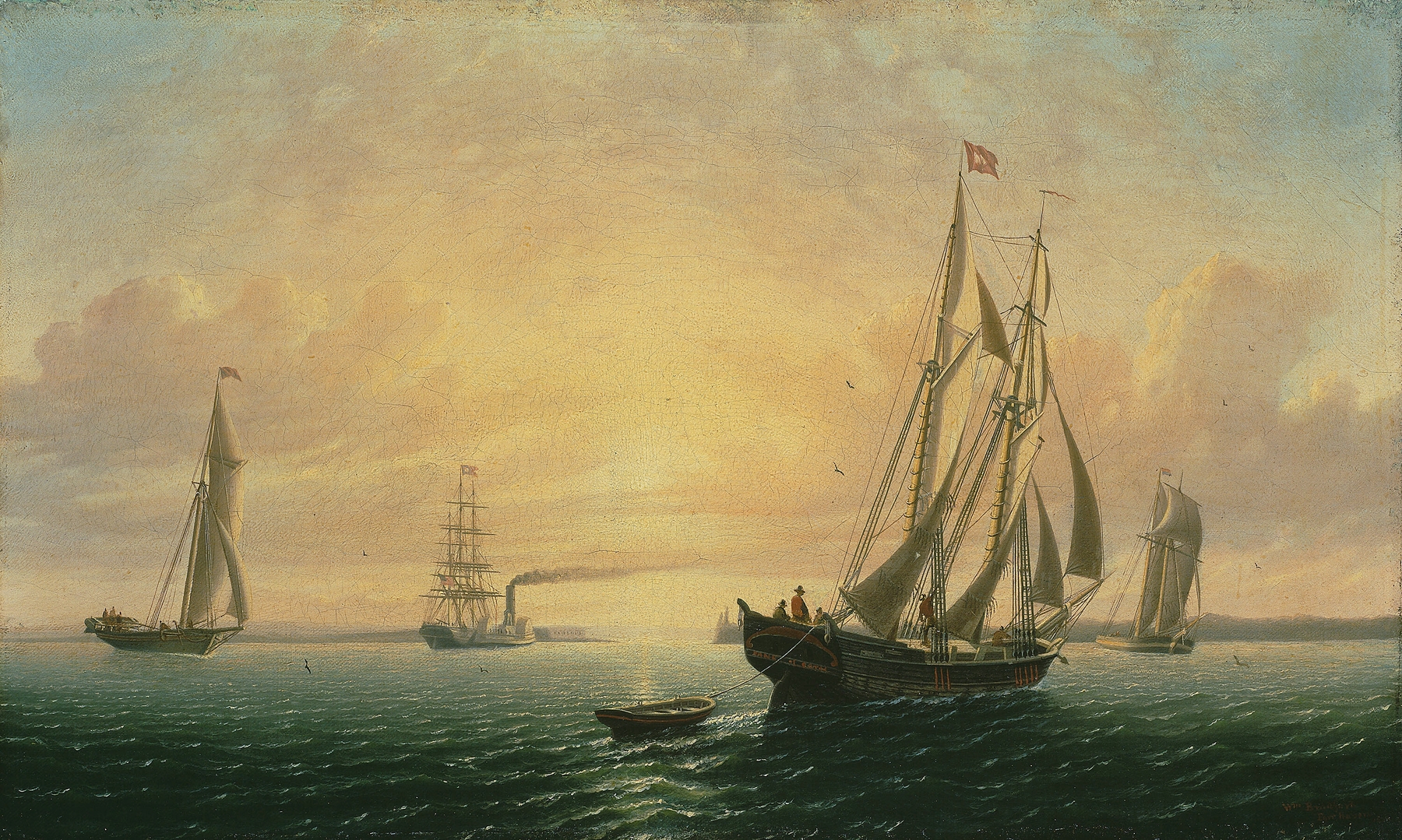
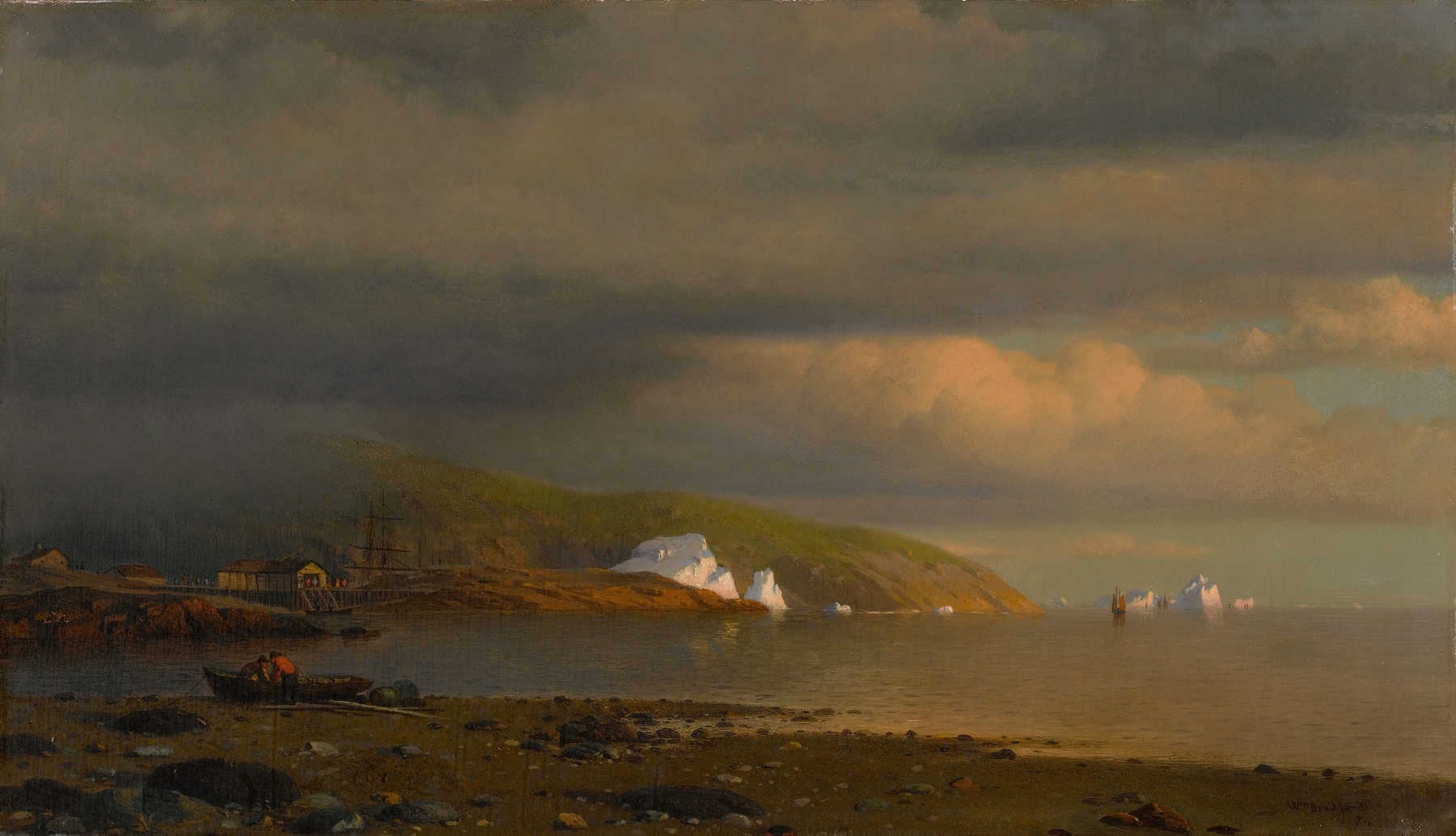
“Sometimes beauty is just pain, disguised in gold.” In the gentle embrace of twilight, shadows stretch across the canvas, hinting at unspoken narratives entwined with the serene surface of the sea. Look to the left, at the majestic silhouette of the Whaleship Emma C. Jones. The ship's sails billow softly in the evening air, rendered with meticulous brushwork that captures the delicate interplay of light and shadow. Notice how the setting sun casts a warm glow, illuminating the hull and reflecting off the water, transforming it into an ethereal golden expanse.
The contrasting dark shadows around the ship create a sense of depth, inviting viewers to explore the rich textures and layers of this maritime masterpiece. As you delve deeper, observe the complexities woven into the composition. The ship stands as a symbol of human ambition and adventure, yet the surrounding shadows evoke a lingering sense of melancholy, perhaps a reminder of the dangers that lie beyond the horizon. The calm waters juxtapose the tumultuous history of whaling—an industry marked by both economic promise and ethical shadows.
In this duality, one can sense a reflection on the beauty and brutality of nature, encapsulated in a moment of quiet contemplation. In 1854, the artist created this work amidst a booming whaling industry in New Bedford—one of the wealthiest whaling ports in America. Bradford, influenced by the romantic spirit of the time, sought to capture the essence of seafaring life, as well as the natural sublime. His paintings often straddled the line between documentation and artistry, showcasing not only the ships themselves but the profound relationship between humanity and the sea, underscoring the era's complexities.