Timber Wagon Crossing a Stream — History & Analysis
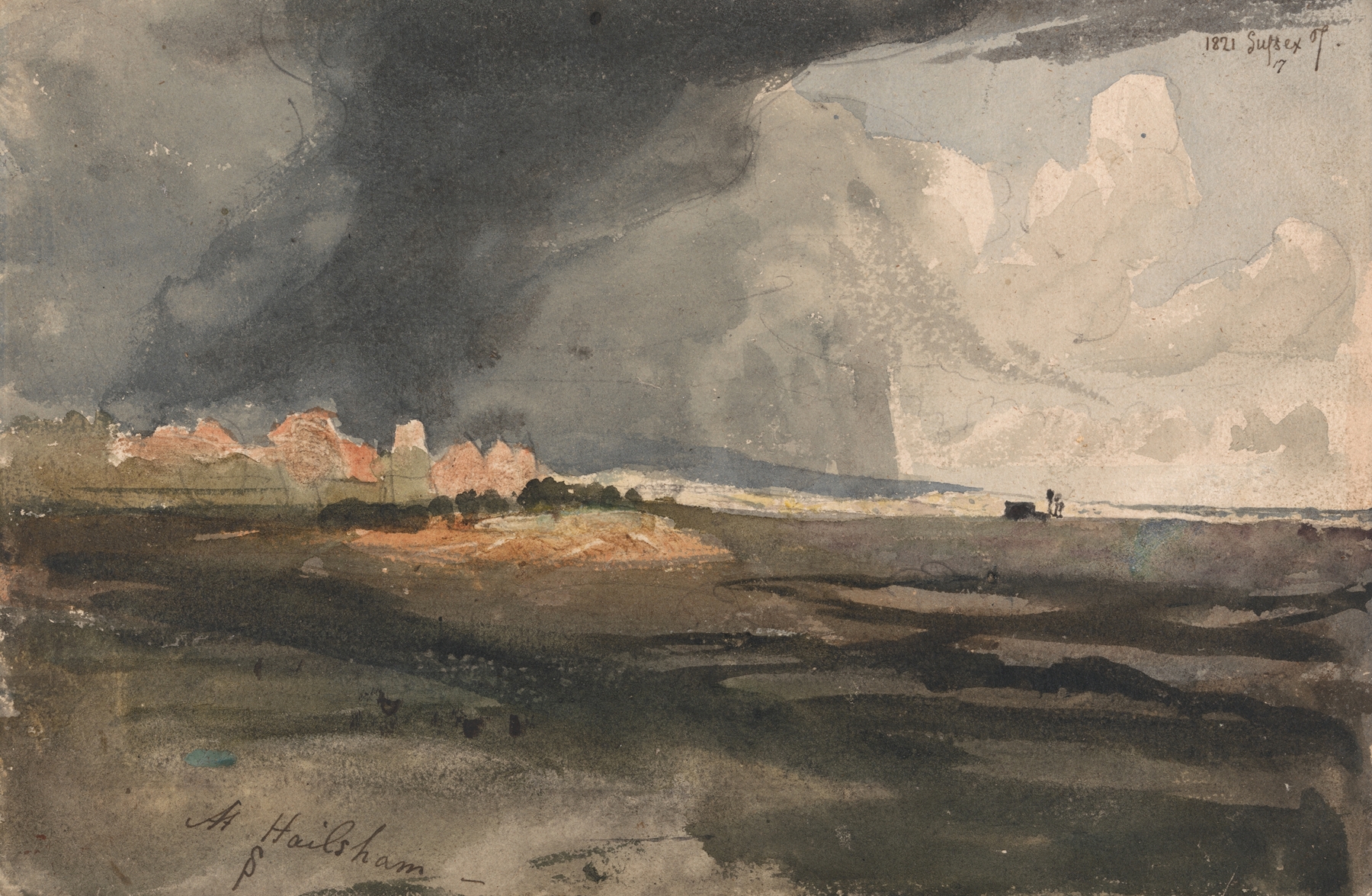
Can paint confess what words never could? In Timber Wagon Crossing a Stream, the essence of hope flows gently, a promise whispered through nature’s embrace. Focus on the harmonious interplay of colors as you look to the foreground, where the wagon emerges from the shadow of the trees. The rich greens and earthy browns envelop the scene, while the shimmering surface of the stream captures dappled sunlight.
Notice how the water reflects the sky’s evolving blues, suggesting a transient moment suspended between the past and the future, inviting viewers to consider the journey ahead. Delve deeper into the contrasts in this artwork: the sturdy wagon, a symbol of toil and perseverance, stands resilient against the fluid, changing water. The juxtaposition of the immovable timber against the ephemeral stream evokes a tension between stability and impermanence. Each brushstroke carries an emotional weight, suggesting a connection to the land that is both personal and universal, hinting at the struggles and triumphs of life.
Samuel Palmer painted this work during a time when he was immersed in the Romantic movement, inspired by the beauty of the English countryside. Created in the mid-19th century, it reflects both his evolving style and a broader shift in the art world, where nature became a symbol of solace and introspection amidst industrialization. This context deepens the viewer's understanding of the hope that resonates from the tranquil yet poignant scene.